The man who remarries within a year of losing his wife is quietly judged for it. The assumption, rarely stated but widely held, is that speed signals something — that he could not have loved her that much, or that he is running from grief rather than through it. That assumption does not hold up.
A widowed man is introduced to ‘a lovely woman’ by couple-friends within twelve months of his wife’s death. His widowed neighbor, two years out, is still waiting for anyone to suggest the same. This asymmetry is so common it barely registers as strange, which is part of why it goes unexamined.
The gap is not evidence that men grieve less. It is the surface result of at least seven forces — most of them structural and invisible, some of them actively applied by the people around the bereaved — that begin pulling men and women in different directions long before any remarriage decision is consciously made.
Understanding those forces, and whether each one is structural or chosen, lets a widowed person, their family, or their therapist read the situation clearly. By the end, it is possible to name which specific force is operating in a given case — and know what that does, and does not, say about how much that person loved who they lost.
Quick Tips Before You Start
Speed Alone Tells You Nothing
Remarriage at 14 months and remarriage at 6 years can both be driven by the same force — timing is a symptom, not the diagnosis. Look at which force is operating, not how fast.
Most Forces Start Before the Death
Social network structure, domestic dependence, and friendship patterns are all in place before bereavement begins. Only a minority of the seven forces reflect choices made afterward.
The Numbers Behind the Pattern
Widowed men remarry at roughly three times the rate of widowed women overall. That ratio is not uniform — it is driven heavily by men over 65, where the structural forces stack hardest.
One Force Is Rarely Enough
In most cases, two or three forces are operating at once and reinforcing each other. Identifying the primary one — the earliest to activate — is usually where useful conversation starts.
1. Men Rely on Marriage for Emotional Intimacy
That question is almost always the wrong one – and answering it clearly requires separating two things that feel connected but move completely independently: how deeply someone loved the person they lost, and how reliant they were on that one relationship for a specific kind of emotional function.
Many men spend decades funneling their most honest emotional disclosure into a single relationship – their spouse. Not because they are emotionally shallow, but because the broader culture of male friendship is built around shared activity: the game, the project, the errand. Those friendships are real and sustaining in their own way. Understanding why shoulder-to-shoulder friendship works for men explains why it rarely creates space for deeper disclosure. What they rarely carry is the kind of conversation that begins ‘I don’t know what I’m doing’ or ‘I’m more scared than I’ve let on.’ That conversation lived in one place.
When that place disappears, the void is not abstract. It is the end of a Tuesday when nothing happened and there is no one to tell about it anyway. Existing friendships – however warm – are not structured to absorb that kind of disclosure, and most men in that position do not know how to ask them to.
The clearest evidence that the driver is the void and not the calendar comes from men who are exceptions to the pattern. Men who maintained at least one friendship before widowhood where real emotional honesty happened – not just activity, but actual disclosure – show measurably less urgency toward a new relationship after loss. The need was already distributed. There was somewhere else for the real thing to go.
This force was built across a lifetime of socialization about where men are permitted to be emotionally honest. It was in place long before the death and would have been in place regardless of who died first. A man who remarries within a year is not demonstrating that his grief was shallow. He is demonstrating that his emotional architecture had one load-bearing wall, and it is gone.
What This Pattern Does — and Does Not — Mean
2. Men’s Social World Was Largely Run by Their Wives
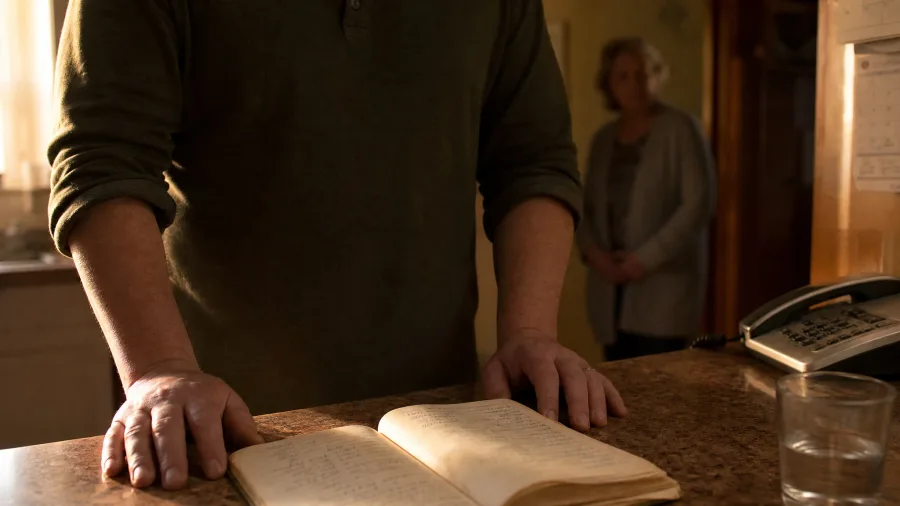
The common advice to a recently widowed man is to ‘lean on his friends’ – as though the network is there waiting and simply needs to be used. For many men, the network is not there. Not because they failed to make friends, but because the labor of maintaining those connections was quietly handled by someone else.
In a great many long marriages, one partner tracks the social calendar: remembering that a close friend just had surgery, initiating the dinner that gets the old group together, staying in contact with both families after the holidays end. That labor is rarely discussed and almost never divided equally. When the wife dies, the widowed man does not just lose his person – he loses the mechanism. The couple-friends stop calling because no one is calling them. Family gatherings stop materializing because no one is organizing them. Community ties that felt solid turn out to have been held in place by consistent, invisible effort he never made himself. Signs of quiet struggle after loss can help you recognise when that invisible scaffolding has already collapsed around him.
A widowed man who genuinely built and maintained his own friendships – who made the calls himself, organized plans independently, kept up with people on his own initiative – is far less stranded by this. He arrives at the loss socially intact. For him, this particular force barely operates. The telling sign is not whether he had friends during the marriage, but whether he was the one keeping those friendships active.
💡 Tip: If you are supporting a recently widowed man, the most practical early intervention is often social logistics — connecting him directly with existing friends, not just offering a listening ear.
⚠️ COMMON MISTAKE
Assuming He Has a Network When He Does Not
Well-meaning support for widowed men often skips the social logistics step because it assumes male friendships are already in place. They frequently are not. A widowed man who seems withdrawn is often not refusing help — he has genuinely lost the person who connected him to everyone else.
3. Society Moves Men Through Grief on a Faster Clock

Within twelve months of a wife’s death, a widowed man is routinely introduced to ‘someone lovely,’ invited to dinner as an eligible guest, and told, with genuine warmth, that he deserves companionship. Apply that same timeline to a widowed woman and the warmth curdles into something closer to judgment. The language alone marks the difference: ‘he needs someone to look after him’ lands as sympathy; ‘she needs someone new’ tends not to get said out loud at all.
What looks like a man’s readiness is sometimes the social environment around him actively doing the steering – introductions made, invitations extended, permission granted. That is not the same as his own readiness. In tightly knit religious or traditional communities, the script can flip entirely: a man who remarries quickly is seen as dishonoring his late wife, and a woman may face less friction than he does. The pressure is not inherent to gender; it is applied by the specific community, which means a widowed man pushed toward a new relationship by the people around him may arrive at a decision that was partly theirs, not only his.
Same 14 Months — Two Different Social Verdicts
Widowed Man Remarries at 14 Months
- Introductions typically begin inside the first 6 months
- Dinners extended to him as an eligible guest, not a grieving one
- Practical needs cited as the reason — cooking, company, care
- Speed read as decisiveness, not as shallow feeling
- Exception: in some traditional communities, the verdict reverses — under 12 months can draw dishonor
Widowed Woman Remarries at 14 Months
- Friends withhold introductions for 1–2 years as a mark of respect
- Her practical needs rarely named as a reason to find companionship
- Speed read as emotional shallowness, not decisiveness
- The late husband's memory framed as something she must protect
- Exception: same traditional communities may apply her less friction than him
4. The Dating Pool Tilts Toward Older Widowed Men
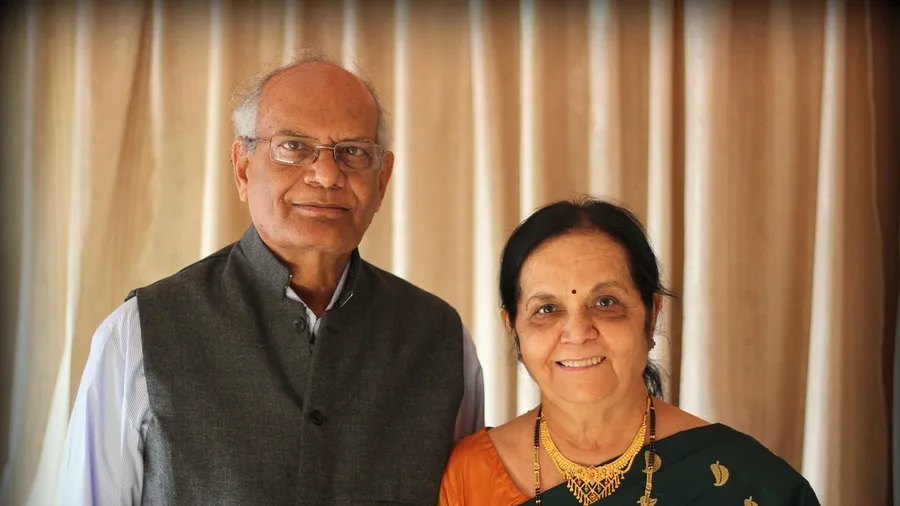
The demographics of single people at certain ages tilt the search itself in older widowed men’s favor, independent of how much either party wants to find someone.
Women outlive men in most developed countries by several years on average, which means that by the time a man reaches his late 60s or 70s, the pool of available women his age is substantially larger than the pool of available men a widowed woman the same age can draw from. He also tends to look across a broader age span than she does – treating a fifteen-year gap as unremarkable in a way his female counterpart typically does not – so his effective options multiply again. The result is that even two people with identical desire to remarry, identical readiness, and identical emotional circumstances can end up with very different outcomes simply because one of them has far more partners available at any given moment.
This reverses once you look at people widowed in their 40s, where the gender ratio among single adults is much closer to balanced – and the remarriage speed gap between men and women narrows considerably in that group. That shift helps pin down how much of the older-age pattern is driven by supply rather than psychology.
The self-test: if the widowed man in question is over 65, ask honestly whether the outcome – a new relationship within eighteen months – reflects unusual urgency or unusually good odds. If the same emotional state in a widowed woman his age produced no comparable match in the same window, the difference may say more about the landscape than about either person’s grief.
5. Women’s Friendships Absorb the Companionship Need
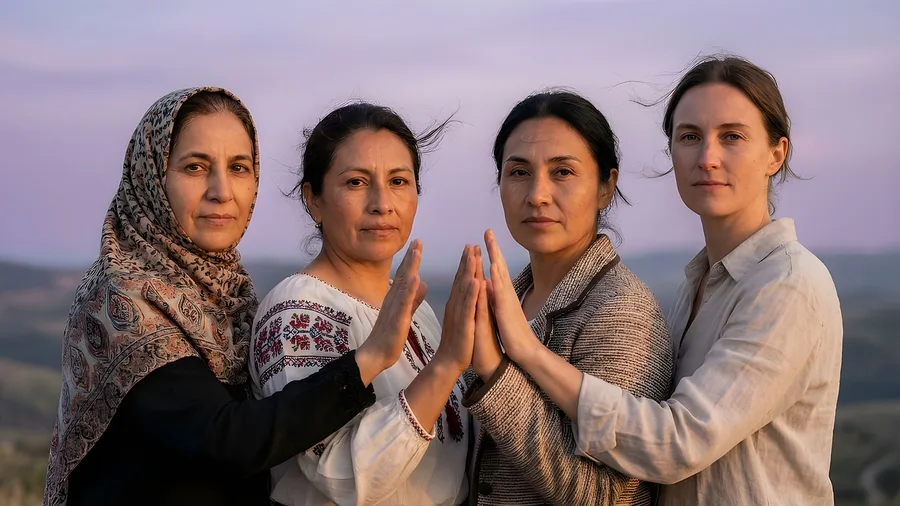
Assuming every widow has a ready-made support web risks missing the ones who are just as relationally stranded as any widowed man.
Many widowed women carry into bereavement a distributed network of close relationships – a daughter who calls twice a week, a sister who shows up, friends who have known them for decades – that collectively delivers what a partner delivers: daily contact, the ability to say the hard thing out loud, and the basic experience of being known by someone. That architecture means no single loss, however devastating, dismantles the whole structure. The urgency to rebuild around one person is simply lower when five people are already doing parts of that work.
But the network is not universal. A woman whose marriage was controlling, who relocated repeatedly, or who simply never built close ties outside her home can find herself just as isolated as any widowed man – and her remarriage timeline tends to reflect exactly that. The default assumption of female social abundance is a pattern, not a guarantee, and grief support designed around it will fail the women who need a different kind of help.
🗓️ How the Forces Stack Up Over the First Two Years
Week 1–4: Social Infrastructure Collapse
For many widowed men, calls stop and invitations dry up within the first month as couple-based social ties dissolve without a wife managing them.
Month 2–3: The Confidant Void Sharpens
The absence of a single person to disclose to becomes acute as the initial flood of visitors recedes and daily life resumes its silence.
Month 3–6: External Encouragement Arrives
Well-meaning friends and family begin suggesting eligible women, issuing dinner invitations, and framing a new relationship as healthy recovery.
Month 6–12: Practical Disorientation Sets In
The loss of domestic co-management — meals, appointments, daily structure — produces a groundlessness that intensifies the pull toward a new partnership.
Month 12–24: Decision Point
With social pressure, a favorable dating pool, and an unmet need for disclosure all operating simultaneously, remarriage decisions commonly crystallize in this window.
6. Men Also Lose a Household Co-Manager

“He just can’t seem to manage on his own” is something families say with genuine concern – and the discomfort they are describing is real, even if the label undersells it.
When a spouse dies, a widowed man can find himself without someone to share a medical appointment, plan and prepare a meal, or simply hold the other end of the daily rhythm that gives a week its shape. These are practical deficits, but their psychological cost is not practical. Researchers who study bereaved men describe the experience as something closer to groundlessness – the structure of the day was partly maintained by another person’s presence, and its sudden absence is disorienting in ways that compound grief rather than sit alongside it.
Calling this “just practicality” and setting it aside misreads the mechanism. Practical disorientation is itself destabilizing, and the urgency toward a new relationship it generates is a legitimate driver even when it sounds less emotionally weighted than loneliness. Men who lived alone for extended periods before marriage, or who ran most of the household themselves, feel this pull far less acutely – which confirms the force is structural, not built into being a man.
For anyone supporting a widowed man, the distinction matters: does he need grief support and time, or does he also need practical scaffolding – regular meals, a structured routine, logistical help – that could reduce the urgency without requiring a new relationship to supply it?
💡 Tip: Practical support programs — meal delivery, financial guidance, household management help — reduce the urgency that domestic disorientation creates. They are grief interventions, not just conveniences.
7. Many Widows Are Quietly Weighing Caregiving Again
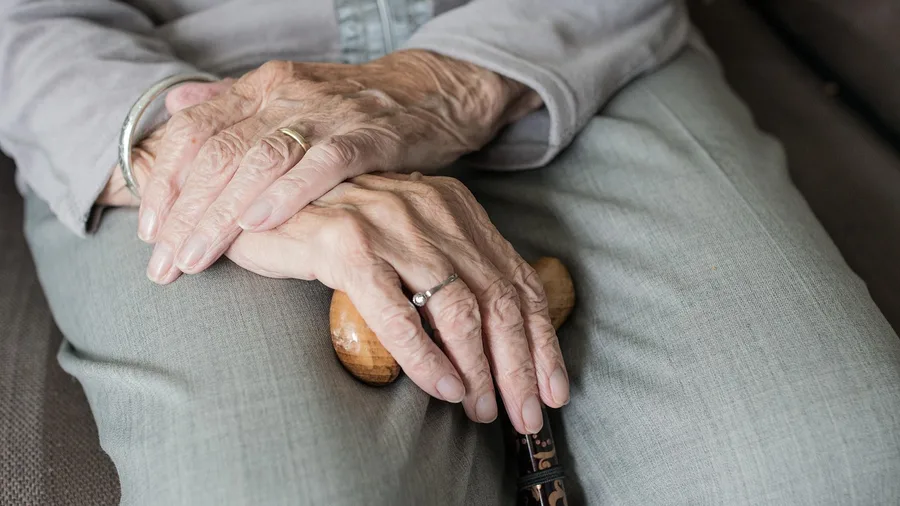
The easy misread is that a widow who shows no urgency to date must be grieving harder. What is actually operating, for a significant number of widowed women, is closer to a clear-eyed accounting of what a relationship cost them the last time: years of tracking medications, shuttling to appointments, providing physical care through a long decline, and carrying the particular weight of watching someone they loved disappear slowly before they died.
That experience does not produce indifference. It produces a woman who wakes up on a Tuesday with no one else’s schedule to manage, makes her own financial decisions, and finds that the quiet feels less like emptiness and more like oxygen. When the husband died suddenly, or when the marriage involved no extended caregiving at all, women in those situations show considerably less hesitation about a new relationship – which tells you the caregiving history itself is doing the work here, not the depth of grief.
This is the one force in this entire pattern that sits most squarely in the domain of conscious choice. It is also the one most likely to be labeled ‘not ready’ by a family member or therapist who mistakes a well-founded calculation for an unresolved wound.
How People Misread This Pattern
Frequently Asked Questions
Does remarrying quickly mean a widowed man did not really grieve?
No — and this is the most common misreading of the pattern. Speed of remarriage reflects the structural forces described here: emotional reliance on a single confidant, social isolation, practical disorientation, and a favorable dating pool. Researchers who study bereavement consistently find that men can show intense, prolonged grief for a late spouse while simultaneously seeking a new partnership. The two are not mutually exclusive, and treating them as if they are misses what is actually happening.
Are widowed women who stay single longer coping better than men who remarry?
Not necessarily — they are often operating in a different social architecture. A widowed woman with a strong friendship network, an adult child she speaks to daily, and female kin nearby has a distributed support system that absorbs the companionship need a late spouse provided. A widowed man in the same situation typically has fewer of those distributed ties. Different outcome, different starting structure — not a difference in coping capacity.
Why does the remarriage gap narrow for people widowed in their 40s?
The demographic force — the growing surplus of widows relative to widowers — is much smaller in midlife, where gender ratios in the single population are more balanced. Several of the other forces (social infrastructure managed by wife, practical domestic dependency) also vary more by individual circumstance in younger couples. The pattern is real but the forces amplify each other most strongly in later life.
What should family members do if they are concerned a widowed man is remarrying too fast?
Name the specific concern plainly rather than framing it as a timeline judgment. ‘I want to make sure you have had time to process what you lost’ is a different conversation than ‘it is too soon.’ If the urgency seems driven primarily by practical dependency or social isolation rather than genuine new connection, addressing those underlying needs directly — social logistics, meal support, structured routine — can reduce the pressure without requiring anyone to wait a prescribed amount of time.
Is a widow’s reluctance to remarry always about caregiver fatigue?
No — it is one of seven forces, and it only applies to widows who provided significant hands-on care through a long illness. Widows who lost a spouse suddenly, or those who were themselves the person being cared for, often express no reluctance at all. The caregiving variable is specific and identifiable. Assuming any widow’s singlehood reflects this force, when it might actually reflect a strong friendship network or deliberate autonomy, produces the wrong kind of support.
Do these seven forces apply equally across cultures?
The underlying psychological forces — the emotional intimacy gap, the social infrastructure dependency — show up consistently across Western research, but the social pressure force varies considerably by community. In tight-knit religious or traditional communities, the social permission structure can reverse entirely, with men facing more scrutiny for fast remarriage and women facing less. The structural forces tend to generalize; the externally applied ones are culturally contingent and worth examining specifically for the person in front of you.
Seven Forces, None of Them About How Much He Loved Her
Not one of these seven forces is a measure of love or a verdict on the quality of a marriage. Every single one is structural, social, or rooted in a specific lived history – built into how labor gets divided over decades, how communities assign permission and apply pressure, how demographics stack at certain ages. Most were already in place long before the death occurred.
Seen through these seven forces, the gap between the man introduced to someone new within a year and the woman still waiting two years later is the predictable output of different social architectures, different demographic landscapes, and different caregiving histories. It is not a difference in what was lost or how much it hurt.
The most useful move – for the bereaved person, their adult child, or their therapist – is not to measure someone’s timeline against the average pattern, but to identify which of these specific forces is actually operating and address that one directly. A widowed man with deep independent friendships and no practical isolation needs something different from one who has neither. A widow who has made a clear-eyed calculation about what a second marriage would cost her needs to have that calculation heard, not treated as a wound. Start there.
Which Force Is Actually Operating Here?
Go back to the force that felt most specific to the person you were thinking of as you read. That one entry — not the full list — is where the useful conversation starts.