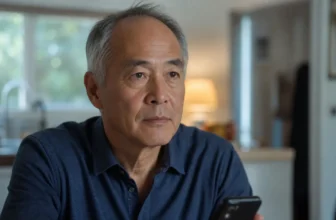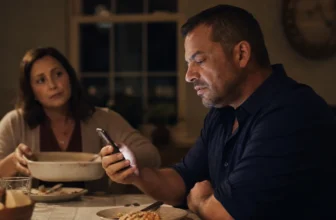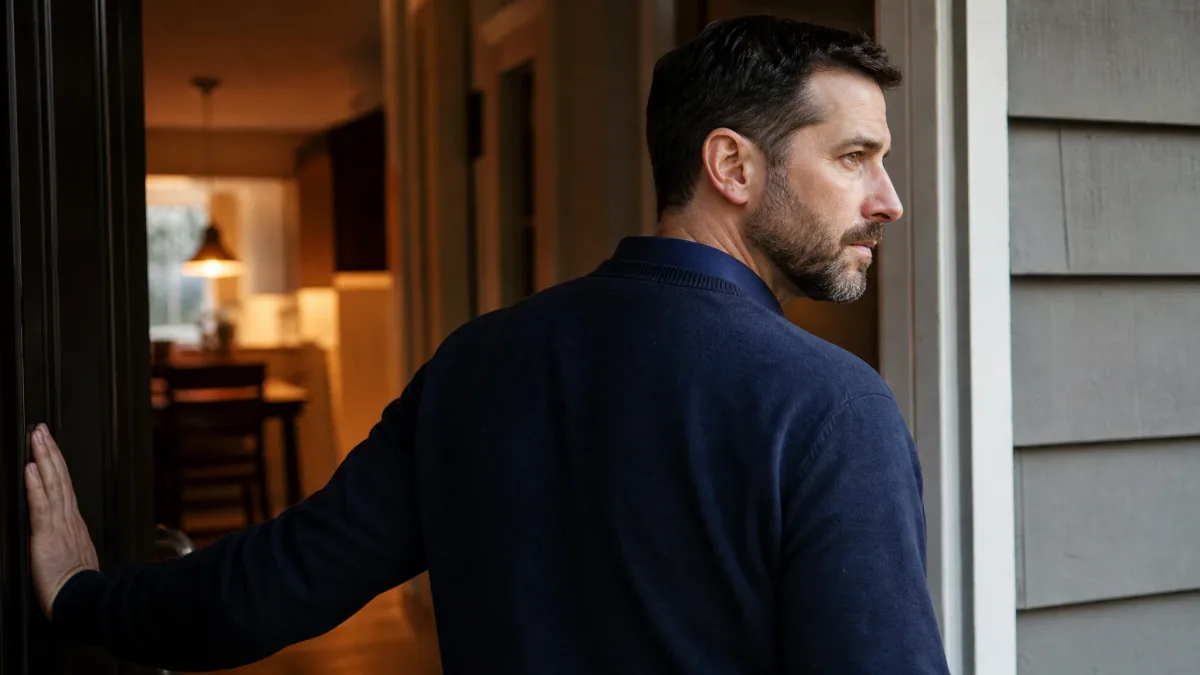
The words are not a medical report, and that is the thing most people miss. “I’m fine” is a move in a conversation, not a reading from the body. It is doing a job in the room, and the job is rarely the one the asker had in mind.
So someone asks about the knee, or the sleeping, or the dizziness on the stairs, and gets two words back. The table goes quiet. If you are the one asking, you are left holding a question you cannot answer: is this privacy, is this pride, or is something being kept from you?
The answer is that the phrase is usually an exit, and exits get built for different reasons. Sometimes it ends a fuss before one starts. Sometimes it keeps the keys, the schedule, the authority. Sometimes it spares someone else a cost. And sometimes it sits on top of a treatable illness nobody has looked at yet.
So the useful question is not whether he is lying. It is what this particular fine is standing in front of, right now, in this room. Read that correctly and you have four honest moves: step back and name a time to ask again, make one bounded offer, offer company to a specific appointment, or stop negotiating and bring a clinician in.
I’m Fine Often Means Don’t Make a Fuss

He is usually saying what will end the conversation, not what a doctor would write on a chart. At a family lunch the words arrive fast, often before anyone has finished the question, and they do a social job: they close the topic, spare the table a turn nobody wants, and let the meal go on. That is not a symptom report. It is a small act of management.
Watch the body against the sentence. The plate comes back half full. He leaves before the walk to the car, or waves off the yard work and sits in the kitchen with the paper instead. On the stairs, one hand finds the rail and the jaw tightens on the third step, and by the time he reaches the landing his face has reset.
Ask about the thing, not the whole man. ‘Are you okay?’ invites a second performance, and a table of relatives makes the price of honesty higher. A question with edges gets further. How did the knee do on the stairs this week, or: is the new pill sitting any better than the last one. Those are answerable without an audience taking notes.
Leave the door ajar rather than pushing on it. If that changes, tell me Sunday after lunch. One named time, no pressure to disclose today. The question underneath is what this fine is protecting. Here it is courtesy, mostly, or the wish not to be the reason the meal turns serious.
💡 PRO TIP
Leave the Door Open
After the event, say: "If that changes, tell me Sunday after lunch." It keeps a route back without forcing a conversation now.
I’m Fine Can Be About Keeping Control

Because accepting help can mean handing over the body, the house, the schedule, the money, or the keys. A man who has run his own routine for fifty years hears an offer of help as a question about who decides now.
A son who books a plumber without asking learns the cost quickly: the appointment gets canceled. The father did not hear help. He heard a takeover, someone rearranging his house while he was in the other room.
Choices do what arrangements cannot. Two plumber times, and he picks one and holds the key. A ride to the clinic with his radio station on the dial. The point is not to hand over less help but to leave the decisions where he can still reach them.
Give him a visible role in the outcome. He signs off on the repair, he keeps the medication list in his own pocket, or he calls the clinic himself with someone sitting in the room.
The resistance is not proof that he cannot manage. It is a claim on authority, and the response starts by asking which part he wants to keep.
I’m Fine Can Mean Don’t Be a Burden

The arithmetic runs in his head before he says anything, and it rarely comes out right. He counts the adult child’s time off, the forty-minute drive each way, the cost of the visit, the worry he would cause, and he decides that silence is the kinder number for everyone. So the answer that protects the family is the answer that costs him the appointment.
What the task actually is, he tends to overestimate. In the common version, a daughter wants to give a Tuesday morning and one hour in a waiting room, not a rewritten life. His silence removes her chance to accept that. It also turns a small kindness into a debt nobody ran up.
Make the offer bounded and specific. I can drive you to the eye appointment Tuesday between 9 and 11, and if that is too much, say so and we will sort out another way. The clock is on the offer. Forty-five minutes or a single errand gives him a shape to say yes to, not an open commitment that could stretch without end.
Then hand him a clean refusal. If this week is impossible, tell me and I will ask someone else. That line removes the guilt from a no. It keeps the offer a request, not an obligation, and it lets him refuse this week without refusing help altogether. The fine here protects the other person from cost, so answer it with a cost that is small, visible, and finished by lunchtime.
The Hidden Cost of Silence
Sometimes I’m Fine Is Privacy, Not Denial
Not every shut door is a problem. A man is entitled to keep his prostate symptoms, his bank balance, or the state of his marriage to himself, and a birthday table with three conversations going at once is the wrong place to ask about any of them.
The thing to watch is whether the closed answer stays a boundary or starts to spread. Silence on one subject is privacy. Silence that widens – the phone going unanswered for a week, the house dark by eight, a stack of mail still sealed on the hall table, milk sour in the fridge, the same shirt four days running, a prescription from March still waiting at the pharmacy – is a life getting smaller, and that is a different animal.
Where the question is asked matters as much as what is asked. Across a dinner table, with a brother-in-law listening, the only answer available is a performance; the question costs him his composure in public, so he pays with a shrug and changes the subject. The identical question, in the cab of his truck or forty yards into a walk, costs him far less, and he can take his time with it.
If he does not want to talk now, put a time on it instead of pushing. “Keep that to yourself if you want. Sunday after lunch, just us, I will ask about the appointment.” That sentence gives him the boundary and the return visit in one move, and it tells him the subject is not going away quietly just because he closed it today.
Asking for Help Can Feel Like Decline
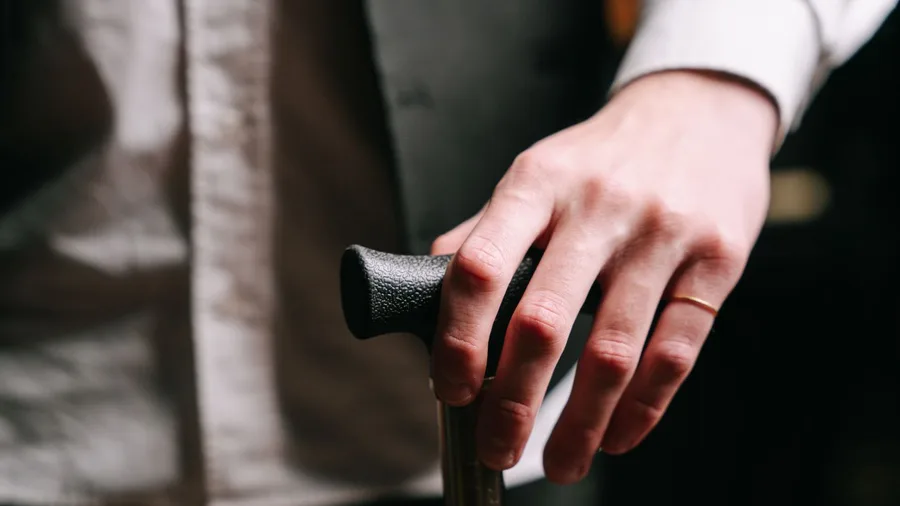
Because a checkup or a cane is not read as information; it is read as evidence. For many older men the cane is not a tool that helps him walk, it is a visible verdict that a process he has been losing to quietly has now started to show, and anyone who might see it is a witness.
The word matters enormously here. A cane for the two blocks to the diner, folded and set by the door when he arrives, is a walking aid. “You need a walker” is a sentence about the rest of his life. The first says this stretch of pavement is easier with help. The second says the man is finished, and no amount of good intention makes it land differently.
So make the first step both small and dated. A 20-minute checkup, a single session with a physical therapist, the cane borrowed for one errand, then a conversation about whether it helped. Nothing permanent, nothing announced, nothing signed for in advance, which leaves him free to try the thing and judge it himself.
Keep the controls where he can see them. He drives to the clinic. He picks the doctor and keeps the appointment card in his own wallet. He decides who sits in the waiting room and who waits at home. The help is a tool he can test and drop, not a rescue that arrived because someone else judged him incapable.
Privacy or Avoidance?
Privacy
- He says 'I'd rather not discuss it' but still sees friends.
- He keeps some topics to himself but manages daily tasks.
- He declines to talk at dinner but agrees to a later one-on-one.
Avoidance / Isolation
- He stops returning calls and the house stays dark.
- Mail piles up unopened; food spoils; showers are skipped.
- He brushes off every offer of help without proposing an alternative.
Many Men Were Taught Silence Is Strength
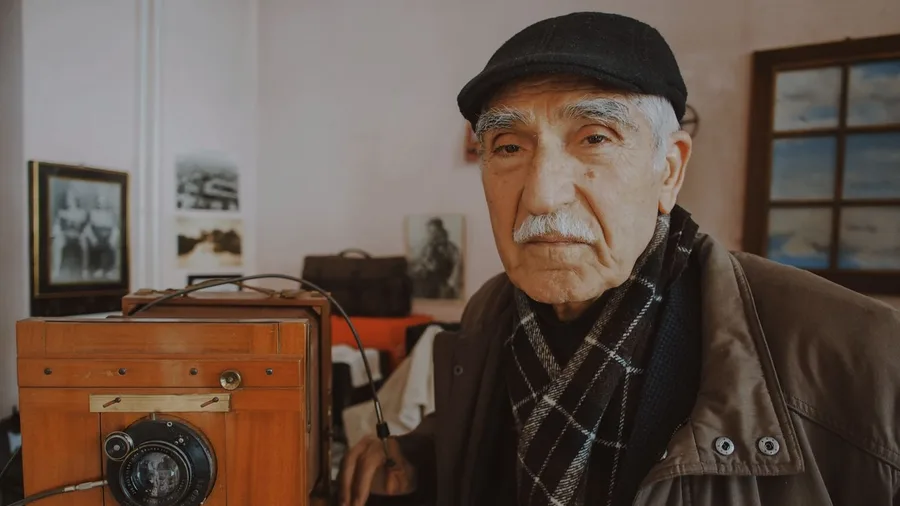
It is training, not stubbornness, and the difference changes what you do next. A man who kept a crew running for thirty years, who fixed the roof himself and drove the others to the job at five in the morning, learned that being needed was the whole job and being needy ended it.
That lesson explains why the silence arrives first. It does not excuse what the silence lets happen: skipped medication, the loose stair tread, the isolation that settles in so gradually nobody argues with it. Understanding where the reflex came from does not mean agreeing with where it leads.
The way through is narrow on purpose. Rather than asking him to declare that he struggles, invite one fact. “The stairs are harder than last year.” “The knee gives out on the third step.” That is a report, the same kind he used to give a foreman when a part failed, not a confession.
And say plainly that the report is the harder work. Anyone can stay quiet and look steady; giving an accurate account of what the body is doing takes the same nerve that held a job for decades, only turned inward. That framing leaves the self-reliance standing and simply widens what it covers.
He May Feel Anger Before He Feels Sadness

Irritation is often the version of sadness a man finds less expensive to show, and fear wears the same edge.
Watch the surface first: a snapped answer about the thermostat, a door closed a little harder than the moment deserved, a chair by the window at seven in the evening where he used to work in the garage. Behind that edge sit the signals that matter – a changed sleep pattern, food left on the plate, a knee or back that has quietly reorganized his day, fewer calls back. In an older man, that flatness and irritability are commonly the visible layer over depression or fear, not a personality change.
Skip “What’s wrong?” It asks for a confession and gets a shrug. Ask what you can see. “You’ve been in the chair by seven three nights running – is it sleep, or is the hip bothering you?” That is answerable without admitting anything.
One snapped remark after a bad night is information, not a verdict. Anyone can have a short week.
What deserves a clinician’s ear is the pattern that spreads – sleep thin for a month, appetite gone, the workshop dark, pain that moves from the stairs to the car to the chair. Report what you observe and ask for a medical review; sorting depression from pain or from a failing thyroid is not a family job, and the opener that names what is visible keeps the door open without asking him to name the feeling first.
⚠️ COMMON MISTAKE
Don't Diagnose from the Dinner Table
Labeling him 'depressed' or 'in denial' shuts down the conversation. Describe what you see: 'You've been in the chair by 7 three nights.' Then let a clinician assess.
Past Doctor Visits Taught Him to Wait
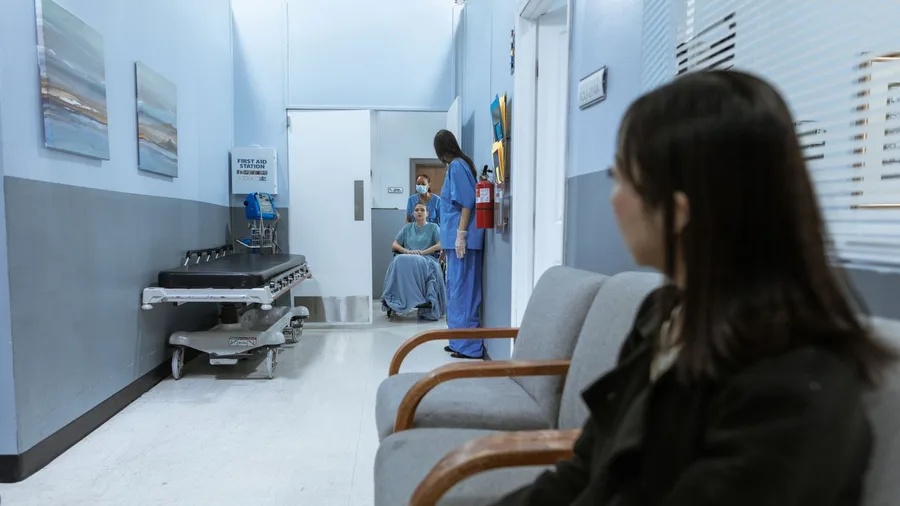
Waiting isn’t laziness when the last visit taught him the appointment takes more than it gives. He came in about his knees and got told they were just old age, fifteen minutes and a co-pay for a shrug, and that lesson sticks.
The fear runs two ways: that a real problem gets found, or that a real problem gets waved off again, and both make the waiting room feel like a bad bet.
Then there is the bill he can’t see before he goes, the ride across town, the morning of work given up. Add up an unknown charge and an unknown answer and delay starts to look like the careful choice. On coverage, the reliable voice is the plan’s member-services line or the benefits office, not a figure half-remembered from a brother-in-law.
So make the trip smaller than the reasons to skip it. “I can call at nine and book the twenty-minute slot; I’ll sit in the waiting room and leave the exam room to you.”
Keep that first visit to one complaint, the knee on the stairs or the sleep that won’t hold, rather than a full audit of every ache since spring. One narrow question is easy to ask and hard to dodge, and the doctor’s answers stay his to hear first.
🩺 How to Lower the Cost of a Doctor Visit
Name the symptom, not the verdict
"Knee hurts on stairs since March" gets asked about. "My knees are bad" gets a shrug. A date and a trigger force a specific answer.
Ask what it costs before you book
Member services can quote the co-pay and the deductible remaining. Get the number in writing, or ask them to note the call on the account.
Take the earliest slot, not the best one
First appointments of the day run closest to time. A 9am slot is the one least likely to eat the whole morning.
Skip the ride unless he asks
Offering transport can read as a verdict on his driving. Offer the ride home from a procedure, and leave the ordinary visit alone.
Let the room be his
One narrow question is easy to ask. A second complaint buried in the same visit tends to get one of them waved off.
Some I’m Fine Hides Something Serious

Stop accepting “fine” when the evidence around it has turned into a list you could write down without hearing his voice.
Watch for the household facts: pill bottles lined up unopened and past their refill, food in the fridge going soft and green, the house dark at eight when the porch light used to be on, mail in a stack by the door nobody has touched, a shower skipped for days. Add withdrawal, weight loss, or confusion about the day or the route to the store, and “fine” no longer covers what is happening. Those signs mean a clinical review – they do not mean you get to decide what is wrong.
Some things are urgent and some are routine, and the difference is worth knowing before the moment. Sudden confusion, a collapse, chest pain, breathlessness, or any stated wish to harm himself is emergency services, called now, not a family meeting on Sunday. Persistent withdrawal or weight loss with no crisis attached is a routine concern that the clinic can see this week; for same-day advice, use the clinic’s official line rather than a guess.
The family’s authority ends at reporting. You can describe what you have seen and ask for a medical review; you cannot settle dementia from a dinner table, and trying usually costs you the standing to help. When the evidence has gone this far, the question stops being what the fine protects and becomes what safety requires. At that point you stop negotiating and bring a clinician in.
When to Escalate
- 🟢 Ongoing privacy — He declines to discuss a topic but still manages daily life—respect it and name a time to revisit.
- 🟡 Withdrawal or weight loss — Persistent changes that spread across settings need a routine clinical review.
- 🔴 Sudden confusion, chest pain, self-harm — Call emergency services immediately.
Specific Offers Work Better Than Broad Check-Ins

Replace the open question with a bounded one, and say exactly what you are offering, on what day, for how long.
The difference sits in the sentence. ‘Let me know if you need anything’ hands him a debt with no shape – to accept it he has to ask, and asking is the part he has been avoiding all along. ‘I’m going to the pharmacy Tuesday around ten, or Thursday at two, whichever suits – it’s forty-five minutes either way’ gives him something to nod at. He is not requesting help. He is choosing between two days.
Two options do the work that one option cannot. Tuesday or Thursday. Morning or afternoon. A ride in the car or the delivery dropped at the door. The point is not the choice itself but the position it puts him in: picking, not receiving, with his hand still on the wheel.
Put an end on it. Forty-five minutes. One errand. One appointment and the drive home. An offer with a finished edge is easier to take because it does not turn into an open claim on his independence – and a man who suspects that accepting once means accepting forever will decline the first small thing to keep the ledger clean.
Leave the lecture out of the room. Eight worries recited at the kitchen table stop being an offer and start being an audit, and an audit produces a defense, not a yes. One concrete thing and one concern per conversation, then stop talking and let the silence sit there.
That is what an open-ended ‘are you okay’ tends to get answered with: fine. A closed, dated, timed offer gives the fine somewhere to land.
Match Your Response to What the Fine Protects

The offer stays specific either way; what changes is which one you make, and the answer depends on what the fine is standing over.
When it protects privacy, the move is backward, not forward. Say something like ‘That’s yours to keep to yourself. I’ll ask about the appointment Sunday after lunch, just the two of us, and no one else needs to know.’ Drop it after that and actually drop it – the announced date is what makes the retreat a retreat and not a sulk.
When it protects against being a burden, the move is a date and a clock. ‘I can do the pharmacy Tuesday at ten or Thursday at two, forty-five minutes either way’ says the cost out loud and puts a fence around it, which is the only version of help a burden-counter can accept without feeling he has spent something.
When the fine is guarding against decline, the move is company and a named time. ‘There’s a nine-ten slot Tuesday for the knee; I’ll sit in the waiting room and the exam room is yours’ hands him the appointment without handing him a verdict.
When the signs are physical and persistent, the arithmetic changes. Withdrawal, weight loss, confusion, pill bottles going unfilled – those call for a clinical review rather than another conversation, and sudden confusion, a collapse, chest pain, breathlessness, or any stated wish to harm himself means emergency services, called now, not a family meeting scheduled for the weekend.
For everything in between, set a check-back instead of pressing for an answer tonight: ‘If nothing’s changed, I’ll ask again Sunday. If it gets worse before then, call the clinic.’ It gives him a deadline he can live with, and it tells him the door is still open.
Frequently Asked Questions
How do I tell if “I’m fine” is privacy or a sign of a bigger problem?
Look for spread. If he still sees friends, manages daily tasks, and only declines to discuss certain topics, that’s privacy. If the closed answer spreads—no calls returned, house dark, mail unopened, spoiled food, skipped showers—that’s isolation or self-neglect and needs a clinical review.
What should I say instead of “Are you okay?”
Ask about a specific, observable behavior: “How’s the knee on stairs this week?” or “You’ve been in the chair by 7 three nights—sleep trouble or pain?” This gives him a factual opening without a public check-in.
Why does he refuse help even when it’s clearly needed?
Accepting help can feel like handing over control—over his body, home, routine, or identity as a self-reliant man. Offer choices instead of takeovers: two plumber times, a ride with the radio station he chooses, a 20-minute checkup he can test.
When should I stop accepting “fine” and involve a doctor?
When you see red flags: withdrawal, weight loss, confusion, neglected medication, unopened pill bottles, spoiled food, or a house gone dark. For sudden confusion, collapse, chest pain, breathlessness, or stated self-harm, call emergency services immediately.
How can I offer help without making him feel like a burden?
Make a concrete, time-limited offer: “I can drive to the eye appointment Tuesday 9 to 11; if that’s too much, say so and we’ll find another way.” Give him permission to refuse, and keep the cost visible and finite.
The One Sentence That Keeps Help Possible
The reflex is neither a diagnosis nor a lie. It is a protective answer, and the response is matched to what it protects. Privacy gets patience and a time to revisit. Burden gets one dated offer. Fear or decline gets company and a named appointment. And when the signs around the words are serious, the talking stops and a clinician or emergency service comes in.
Which brings you back to the same lunch, the same two words, and no way to tell from the words alone whether they ended a conversation, held authority, dodged a cost, or covered something worsening. The words never say. The context around them does.
When you cannot place the category, say this: “I’m not asking for a full answer. I can help with one concrete thing this week. What would actually help?” Then watch. Sudden confusion, a collapse, chest pain, breathlessness, talk of self-harm, or steady withdrawal, weight loss, or skipped medication, and you stop negotiating and call a clinician or emergency services.
The door stays open when nobody is demanding an answer through it. Help stays possible when the offer is small, dated, and finished by lunchtime. Choose one, say it plainly, and let the fine land somewhere it can be answered.
Read the Fine, Then Offer One Thing
Pick one concrete, time-limited offer you can make this week. Say it once, then stop talking and let it sit.