
Finish reading this and you will know the timing window, the behavioral trap, and the first counter-move for flights, hotels, and concerts before your next booking.
Your seatmate paid $80 less for the same row, the same legroom, the same overhead bin. Not because they got lucky, not because they called a special number, but because the price was different at the exact moment they decided to buy.
That difference is the system working as intended. Every one of these industries runs yield-management logic designed to extract a different price from every buyer based on when they committed, how urgent their behavior looked, and which inventory tier happened to be open at that second. It is not a glitch. It is the point.
Once the mechanics are visible — perishable inventory, algorithms repricing hundreds of times a day, anchoring effects, engineered scarcity — the whole thing stops feeling like a black box. It starts feeling like a set of rules. And rules can be worked.
| Industry | What drives the price up | When prices tend to be lowest | Best single tactic |
|---|---|---|---|
| Airlines | Booking pace outrunning historical fill patterns; fare classes closing in sequence | 3–8 weeks before departure on domestic routes | Set a target-price alert; stop checking manually |
| Hotels | Rising occupancy closing cheaper rate tiers; same-night demand spikes | Same week as the stay, sometimes the day itself | Book refundable early, check again two days before |
| Concerts | Demand surge at onsale; resale bot inventory; near-sellout scarcity | 48 hours before the show for non-sellout events | Wait for the 48-hour drop or choose a non-floor tier at purchase |
Every Unsold Seat Is Revenue Gone Forever
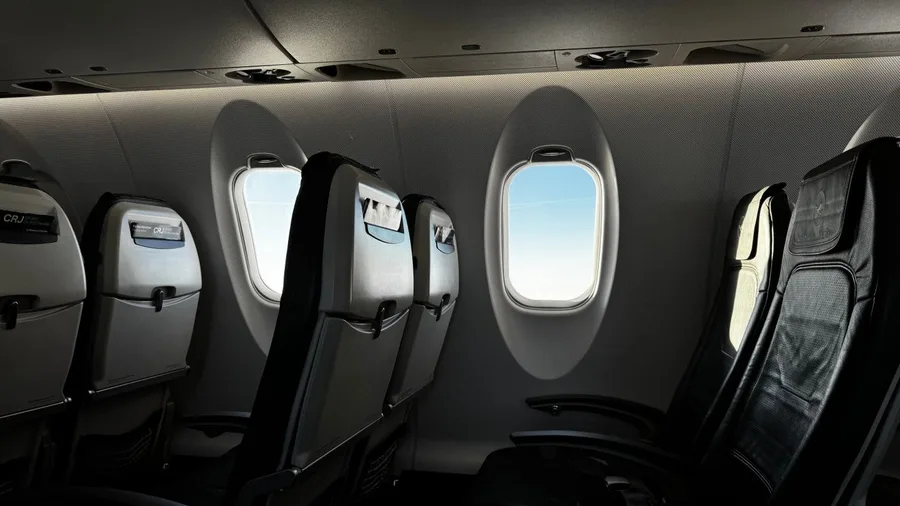
Prices keep changing because the thing being sold has an expiration date that cannot be negotiated.
A seat on a Tuesday morning flight ceases to exist as a sellable object the moment the plane pushes back from the gate. The hotel room on the fourteenth floor is unsellable once midnight ends that calendar night. The floor spot at a concert is gone when the doors close. Nothing about those units carries over – there is no restocking, no markdown rack, no next season. A jacket that does not sell today goes back on the shelf tomorrow; a seat that does not sell today becomes worthless at the exact second the departure board changes to ‘Departed.’
That hard deadline is why the price moves.
A seller with perishable inventory has one job before the clock runs out: extract as much value as possible from whatever buyers happen to arrive. Hold the price too high for too long and the seat empties. Drop it too early and money is left on the table. So the price becomes a live variable, adjusted constantly against incoming demand, because the alternative – a fixed price and an empty seat at wheels-up – is revenue that can never be recovered.
No airline invented this under pressure to be annoying. The logic belongs to the economics of time-bound capacity, which is why it shows up identically across flights, rooms and concert floors. Two passengers seated next to each other having paid different amounts is not an error in the system – it is the system working exactly as designed, each of them having bought at a different moment in the countdown to a deadline that treated every unsold seat the same way: as money running out.
An Algorithm Sets Your Price, Not a Person
Repricing at that speed has no human operator – it happens because the pricing is run entirely by software.
Yield-management systems, sometimes called revenue-management systems, are the mechanism behind every fare and rate change. No airline agent looks at a booking screen and decides to raise the price on the 9:47 a.m. departure because more seats just sold. The software does it automatically, reading the pace of incoming reservations against historical demand patterns for that specific route and date. If Tuesday’s flight to Denver is filling faster than the model expects, the system closes the cheaper fare classes and surfaces more expensive ones – all before a single employee has finished their morning coffee.
The repricing pace is not slow.
A fare checked at 9 a.m. can read differently by noon on the same device, not because a person intervened but because booking pace shifted the algorithm’s output in the hours between. On a single domestic route, the software may have anywhere from 8 to 26 active fare classes for the identical seat open at the same moment – each one a pricing lever it can pull or close depending on what demand signals it is reading right now. A seat is always a seat; the class it sits in is what the software decides.
Live events have moved to the same model. Primary concert ticket sales – not just the resale platforms that have used dynamic pricing for years – increasingly run on yield-management logic, so the floor ticket that costs one amount when the onsale starts can be priced differently an hour later based on how fast sections are clearing. The software does not distinguish between a flight and a show; it reads demand pace, and it prices accordingly.
The Numbers Behind the System
Scarcity Is Real — But It Is Also Engineered

The software’s main lever is controlling what inventory appears to be available – and some of that apparent scarcity is genuine, while some of it is a tier closing, which are not the same thing.
When a flight booking page shows ‘only 2 seats at this price,’ those two seats are the last ones in the currently open fare class. Behind them, the plane may have dozens of seats still unsold. What closed was an inventory tier, not the plane. Hotels do the same thing with rate tiers: a room that showed at $89 in the morning did not disappear – the rate tier that carried the $89 price was closed as occupancy climbed, leaving $340 as the next visible option for the same standard room on the same night.
‘Sold out at this price’ is not the same sentence as ‘sold out.’
Knowing that distinction changes how to respond to a low-count warning. The urgency it generates is only as justified as the total inventory situation behind it – and that total is almost never displayed. A tier closure can look identical to a capacity limit from the outside, which is exactly why the warning works as well as it does.
The counter-move is patience, not speed. Checking the same search on a different device, or returning later without a logged-in account, can surface inventory that looked gone – sellers periodically release blocks held in reserve as the deadline gets closer, and a tier that was closed at 2 p.m. can reopen by evening. Genuine scarcity holds up to that test. Engineered scarcity does not.
The First Price You See Anchors Every Number After It

That feeling of having missed the good price is usually not about price at all – it is about the number that got there first. The initial fare a buyer sees becomes an involuntary reference point, and every price encountered after it gets measured as a gain or a loss relative to that figure, not on its own terms.
A fare that moved from $180 to $220 feels like a $40 loss, even when $220 is a perfectly ordinary number for that route on that date. The market did not change in the buyer’s favor; the anchor did the emotional work. That sensation of missing something is real, but its source is the first number seen, not the current supply-demand reality.
Airlines and hotels benefit structurally when a buyer starts checking early. A low fare that appears once and disappears creates a reference point that makes every price after it feel expensive – and makes urgency feel justified even when nothing about the buyer’s situation has changed. The system does not need to show a low price again; it only needed to show it once.
Repeated checking makes this worse, not better. Each session can surface a briefly open fare class, a promotional window or a rate tied to dates that have since passed. None of those numbers describe the current market, but each one layers in as a new reference point that distorts the next comparison.
The same mechanism runs across all three industries. The $75 concert ticket visible at release makes the $350 resale price feel like an injustice. The $89 hotel rate available in March makes the $220 September rate feel like exploitation. In both cases the anchor is producing the outrage, not the underlying economics.
⚠️ COMMON MISTAKE
Checking Prices Daily Makes Anchoring Worse
Each new session plants a fresh reference point — a briefly open fare class, a promotional window, a date that has since passed. None of that describes today's market. Set a price alert and stop looking until it fires.
Urgency Cues Are Placed Precisely Where Doubt Slows You Down
Booking platforms do not just benefit from anchoring – they actively manufacture urgency at the exact moment it does the most work. The psychological mechanism behind this is loss aversion: the pain of losing access to a price reliably outweighs the satisfaction of capturing a saving of identical size. A warning that a deal might disappear produces more distress than any positive outcome could produce pleasure.
That is why countdown timers and low-availability notices appear at checkout rather than on the search results page. A buyer browsing options is still deciding whether to buy at all; a buyer at checkout is already committed to the purchase in principle and is most vulnerable to anything that suggests the window is closing. That positioning is not accidental.
The timers themselves are often presentational. On many hotel and flight booking sites, the countdown resets when the browser session expires – meaning the clock was never measuring anything real. The inventory behind it has not moved. The urgency was a design element, not a status report.
The simplest test is to pause. Close the tab, wait 30 minutes, and run the same search again. If a fare class was genuinely closing, it will still be gone. If a timer was manufactured, it will have reset and the price will be unchanged.
Some low-count warnings are accurate – two remaining seats in a fare class is a real condition, not theater. But the visual design presents real and manufactured scarcity in identical terms, so the buyer has no way to tell them apart by looking. Testing is the only distinction that works.
How to Tell Which Kind You Are Looking At
Genuine Scarcity
- Fare class still gone after 30-minute pause and fresh search
- Low seat count matches across incognito and a second device
- Resale floor price climbing daily as a near-sellout show approaches
- Room unavailable on at least three unaffiliated platforms at once
Manufactured Pressure
- Timer resets when you reopen the tab — it was measuring your session, not inventory
- Low-count badge gone on a fresh device; no seats actually closed
- Non-sellout concert: floor ticket cheaper in the 48 hours before doors open
- Hotel room reappears at a lower rate tier the same week — sometimes the same day
Logging In as a Loyal Member Can Surface Higher Prices First

Loyalty programs are marketed as the insider advantage – the assurance that regular customers are treated better. On perks that is often true. On the base fare displayed at login, the reality is more complicated.
When a loyalty account is active, the airline or hotel already knows this visitor has a demonstrated preference for the brand and a high likelihood of converting. That signal can push upgrade defaults or premium-tier options to the front of the results, ahead of the base price that a first-time guest browsing as an anonymous visitor would see first.
The points and status benefits sitting alongside those fares are real, but they are a separate question from what the base fare says. A buyer who accepts a higher cash price because points are attached may be trading more than the points are worth – and the two numbers are rarely placed next to each other in a form that makes the comparison easy.
The concrete check is straightforward: search the same dates and routes twice – once logged in, once in an incognito window with no account active. If the numbers differ, the gap is what the site charged for knowing who you are before you committed to buying. That check takes three minutes and requires no other tools.
Concert ticketing platforms work differently. Their pricing variables are demand tier and when in the onsale window a buyer enters – account recognition is not the primary lever. The logged-in versus incognito comparison matters most on airline and hotel proprietary sites, where the platform has both the data and the incentive to use it. Loyalty is worth keeping for what it actually delivers – lounge access, upgrade priority, waived fees – but the fare comparison belongs in a guest session.
Timing Your Purchase Matters More Than Any Single Trick

Knowing the right window to buy is not the same as knowing which window applies to which industry – and they are genuinely different.
For domestic flights, the lowest-fare zone tends to sit three to eight weeks before departure. Before that window, the algorithm treats the booking as an early conversion worth less margin pressure. After it, the software reads remaining seats as scarce and opens premium classes to capture last-minute buyers. The window in between is where the system is still trying to fill capacity without either of those premiums applied.
Hotels operate on a different clock. The $89-to-$340 range on the same standard room, same night, exists almost entirely because of booking timing – that gap is not about room quality or location, it is about when the reservation was made. Unsold rooms frequently drop in price within the same week as the stay, and sometimes on the day itself, as the property closes in on its own deadline.
Concerts split into two completely different strategies depending on demand. For a show that is not selling out, waiting until 48 hours before the event is a real option – primary sellers discount remaining inventory rather than run dark seats.
That logic inverts completely for high-demand shows. A floor ticket that opened at $75 does not drop toward showday; it climbs, sometimes past $350 on resale, because committed buyers are competing for genuinely limited supply. Early purchase on those events is not a premium to be avoided – it is the only move that does not cost more.
Peak travel routes work the same way. The timing patterns that apply to a half-full Tuesday flight simply do not describe a sold-out holiday weekend. The starting condition – whether real scarcity is present – is what determines which direction the clock runs.
Where Savings Actually Come From — In Order of Impact
Biggest lever at the bottom; nice-to-have refinements at the top
Price Alerts Do the Timing Work So You Do Not Have to Obsess
Knowing the right window only helps if the buyer actually catches it – and a price that drops to its floor on a Tuesday afternoon at 2 p.m. is not going to wait for the next time the reader decides to check.
A target-price alert solves this cleanly. Set a number, stop looking. When the fare or rate reaches that threshold, a notification fires and the decision becomes straightforward – not a reaction to whatever number happened to be on screen today.
The one-time setup step matters: before setting the target, spend a single session surveying the real range for that route or property. On a domestic flight, that might reveal that $210 is the realistic floor and $310 is where the price tends to sit at purchase. Set the alert for $215, then close the tab for good. Every tool in this category works the same way – the brand is less important than the habit of committing to a number and not second-guessing it with daily checks.
That discipline has a second benefit beyond convenience. Repeated manual searches are where anchoring takes hold – a briefly open fare class at $170 seen three weeks ago has no bearing on what the market will actually deliver, but the memory of it makes every price above it feel like overpaying. No daily checks means no accumulated reference points, so the actual booking price gets judged against reality.
And if the alert never fires? That answer has value too. A flight that never drops to $215 before departure is telling the buyer exactly what the market thinks that seat is worth – and booking at the current price, or not booking at all, becomes a real decision rather than a gamble based on a window that may not open.
Private Browsing Limits How Much the Site Knows About Your Urgency

Stopping the daily search habit removes one behavioral signal the platform might read – but there is a separate question about what the site already knows from past visits before the search even starts.
Booking platforms collect session data through cookies, and a repeat visitor looks different from a first-timer. Someone who has searched the same route or property four times in two weeks is almost certainly closer to a purchase decision than someone arriving cold. In some cases, platforms use that signal to surface higher-tier options first or keep cheaper fare classes out of view for that user. Whether this happens consistently, and at what scale, is genuinely disputed – different platforms operate differently, and there is no clean published figure for how often individual browsing history raises a displayed price.
The mechanism is real enough to take seriously, though. And the cost of countering it is nothing.
Opening an incognito window before any serious fare or rate search strips the session back to anonymous. No stored cookies, no visit history, no logged-in account to tell the site this buyer has been circling. If logged-out incognito prices differ from what appeared during normal browsing, the gap is worth noting – that difference is the cost of having been identifiable.
For concert searches, this precaution addresses the wrong problem. The floor ticket that starts at $75 and hits $350 on resale by showday moved there because automated purchasing swept primary inventory in the first minutes of the onsale. No browser setting changes that. Incognito mode is a reasonable layer on top of the right timing and tier decisions – it is not the move that delivers the savings.
Genuine Flexibility on Dates or Tier Beats Every Algorithm

Timing searches and clearing cookies are adjustments made inside a choice that has already been fixed. The deeper move is changing the choice itself.
Take the hotel range first. The same standard room on the same night can sit anywhere between $89 and $340 depending on which rate tier is open when the booking lands. A street-facing room on a lower floor is the same building, the same bed, the same checkout time – it is priced against a different, smaller pool of buyers who care about the distinction. The savings available there can exceed anything a price alert or incognito session will ever recover.
Flights work the same way at the structural level. A Tuesday departure prices against travelers who can actually leave on a Tuesday – a far less price-resistant pool than the Friday-evening crowd. The algorithm is not being generous; it is responding to weaker demand. Every other tactic in this article operates on top of whatever base fare the chosen travel day produces.
A sold-out concert floor is its own demand curve, and a side-balcony seat is a different one. The floor ticket that reaches $350 on resale by showday exists in a market with real scarcity. The obstructed-view seat faces nothing comparable.
This lever has a real cost. Flying Tuesday only works if Tuesday is genuinely acceptable. Taking the lower floor only works if the view was never the point. A buyer who names a flexible option but will not actually take it is not flexible – they are just carrying the illusion of one. The largest savings in any of these three industries live at the point where the buyer’s demand curve is different from everyone else’s, not just better-timed within the same one.
Flexibility — What It Actually Saves
✈️ Mid-week vs. weekend flight
3–8 week window + Tuesday departure stacks two separate advantages; either alone leaves savings on the table
🏨 Street-view vs. view room
Gap between $89 and $340 is tier-driven, not quality-driven — no tactic closes a gap the algorithm never opened
🎵 Side balcony vs. floor
Non-sellout show: balcony often drops further in the 48 hours before doors; floor resale runs the opposite direction
📅 Date shift of 1–2 days
Works only if the shifted date is genuinely acceptable — a flexibility claim the buyer will not act on saves nothing
The test worth running before any other tactic
Name the lower tier, the off-peak day, the side seat — then check whether you would actually take it. If yes, that decision outweighs every algorithm trick combined.
Frequently Asked Questions
Does checking flight prices repeatedly actually make them go up?
The evidence for systematic individual-level price-raising is disputed and varies by platform. What is documented is that cookies and session data can surface premium options for return visitors. The risk of being wrong about incognito mode is zero, so use it for every price search — but do not expect it to close the gap that timing and flexibility create.
What is the best day of the week to book a flight?
Mid-week searches can surface lower fares, but the departure date matters more than the booking day. A mid-week departure — Tuesday or Wednesday — sits on a structurally lower demand curve than a Friday evening or Sunday return. Combining a mid-week departure with a search in the 3-to-8-week window before travel gives you the two biggest timing levers at once.
Do hotel prices actually drop the day of check-in?
Yes, on properties that are not at or near full occupancy. Hotels routinely discount unsold rooms in the same week as the stay, sometimes on the day itself — the same standard room can range from $89 to $340 based on booking timing alone. The risk is availability: if the property is genuinely full, same-day discounts do not appear and you are left without a room.
Are concert ticket prices on the primary site also dynamic now, or only resale?
Primary sellers increasingly use yield-management pricing, not just resale platforms. A floor ticket priced at $75 at onsale can reach $350 or more at the primary seller before the show — dynamic pricing is live events’ new default, not an artifact of the secondary market. For non-sellout shows, 48-hour drops still appear even on primary platforms.
How do I know if a ‘limited availability’ warning is real?
Pause for 30 minutes and run the same search again. Genuine scarcity persists — the tier stays closed or the seat stays gone. A presentational countdown timer or low-count warning that is a user-interface layer rather than a real inventory condition will behave differently on a fresh session. If the warning vanishes or the price drops, the urgency was manufactured.
Do loyalty points offset paying a higher base fare?
Rarely on the base price comparison. The real value of miles and status perks — lounge access, upgrade priority, companion benefits — is separate from the displayed fare. Compare fares in an incognito window to find the lowest base price, then make the actual booking while logged in so your account captures the points. Conflating the two means overpaying for points that represent a fraction of the price difference.
One First Move Per Industry Before You Book Anything
For a flight, run your target dates once in incognito mode to get a honest read on the range, set a target-price alert toward the lower end of what you saw, and stop checking manually. The 3-to-8-week window before departure is where domestic fares most often bottom out – alert against that window and let the tool do the watching. If the travel dates are genuinely flexible, shift to a mid-week departure before you set anything, because the number you are alerting against will already be lower.
For a hotel, search the property logged out and compare the same-week rate against whatever advance price is showing. If the stay is flexible, the day-of rate is a real option worth checking – the room does not get less comfortable because the hotel discounted it at noon. For a concert, look at the primary-sale remaining inventory before you open a resale page. If unsold tickets are still there 48 hours out, the floor price on resale is about to move toward you, not away.
Your seatmate did not have access you lacked. They either bought into a different fare class at a different moment, arrived at the booking system through a different entry point, or were simply less fixed on the date. The system has not stopped repricing since they bought, and it will not stop before your next search. The only question is whether the next booking lands on the right side of its logic – and that starts with one incognito search and a price alert set before you touch the checkout button.
Test the Incognito Gap on Your Next Search
Open the same flight or hotel search logged in and in a private window side by side. The price difference — if there is one — is the clearest illustration of everything this article covers.