
You would not die in the Wild West because you lack physical endurance, but because your baseline instinct is to de-escalate conflicts and assume goodwill. You expect reason to work everywhere. You imagine your modern street smarts and calm communication will translate smoothly across centuries to keep you out of trouble.
The reality is that your brain is heavily conditioned for a world with reliable safety nets. That lifelong training renders your default social reactions lethally slow for nineteenth-century threats. Surviving a frontier town requires a cold, hyper-vigilant psychological framework that modern society spends decades actively training out of its citizens.
Here is exactly which of your current emotional strengths will turn into fatal liabilities before sundown.
Quick Tips Before You Start
Check Your Empathy
Modern compassion makes you an easy target.
Count the Seconds
Mental hesitation kills when violence sparks.
Forget the Law
There is absolutely no backup coming.
Threat Assessment and Violence

Modern survival hinges on a polite society with rules, but the frontier required a completely different threat assessment model.
The violence was sudden and carried absolutely no institutional consequences.
0. Your Optimism Bias Blinds You

You expect a rational world.
Researchers who study human cognition consistently observe that modern adults operate on a deeply ingrained optimism bias. We walk through public spaces safely assuming that strangers possess a baseline of goodwill, and that a loud, aggressive argument over a spilled drink will eventually resolve itself without escalating to severe violence.
When that saloon dispute suddenly involves drawn revolvers, normalcy bias forces your mind to rationalize the impossible. That cognitive freeze creates a fatal lag time of three to five seconds while you stand perfectly still.
Those lost seconds hand an absolute, unbeatable physical advantage to an opponent who has already committed to killing you. Modern conflict training relies entirely on verbal de-escalation and setting firm boundaries, but against 19th-century frontier lethality, trying to talk a furious man down simply guarantees you take the first bullet in the chest.
💡 Tip: Train yourself to watch hands, not eyes.
0. You Expect Authorities to Enforce Rules
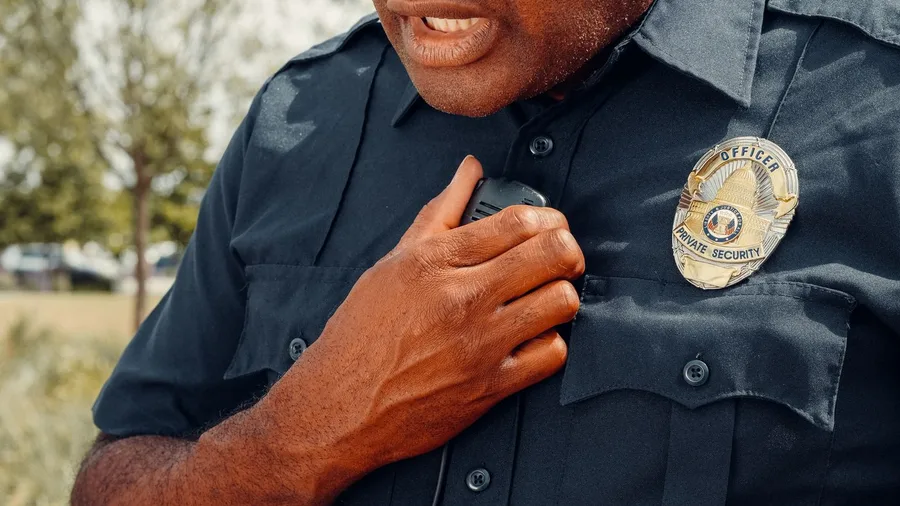
One hundred percent of your modern conflict resolution relies on an invisible system of laws keeping you safe. That initial hesitation during a sudden physical threat happens because you subconsciously assume external intervention will eventually step in, defuse the tension, and stop the violence before someone gets seriously injured.
You step backward from a man violently shoving you against a table, instinctively looking toward the bartender to intervene. You raise your hands and loudly announce that you do not want a fight.
Modern psychology deeply ingrains a reliance on these institutions, thoroughly training your brain to wait for official help rather than execute immediate, brutal violence to survive. When your aggressor pulls a heavy hunting knife, the crowded room simply goes quiet and stares, waiting for you to handle it.
The modern bystander effect operates on the comforting assumption that someone else has already summoned the police. Without law enforcement on the way, that passive social habit guarantees a public execution.
Realizing that absolutely no external rescue is coming triggers severe psychological paralysis. A mind strongly wired for a modern 911 response simply freezes in panic when abandoned to fight off an armed attacker entirely alone.
Frontier outlaws survived by exploiting this exact paralysis, actively scanning saloons for the physical hesitation of rule-followers who expected authority to maintain order. While you urgently scan the room looking for a sheriff to save you, they have already stepped inside your guard and finished the fight.
The Mechanics of a Public Dispute
Your Institutional Crutches
- 911 arrives in under eight minutes
- Surgical trauma centers are miles away
- Phones record objective evidence
- The legal burden falls on the attacker
The 1870s Vacuum
- The nearest marshal is a three-day ride
- Any blade to the gut guarantees sepsis
- Bystanders develop immediate amnesia
- The last man standing writes the report
0. Honor Culture Forces Lethal Escalation

“Just let it go, he is not worth the trouble.” Modern emotional intelligence frames walking away from a sudden dispute as the ultimate sign of maturity, proving you have your ego in check.
When no badge is coming to intervene, that emotional regulation becomes a liability. The nineteenth-century frontier operated on a brutal economy where personal reputation was the only currency buying physical safety. If a stranger insults you at a card table and you swallow your pride, the room does not see a bigger person. They see a mark.
Walking away is genuinely the correct move today because a legal system protects you from the fallout of looking weak. If you can leave the environment entirely, ignoring an insult works perfectly.
Survival in a lawless camp required the exact opposite reaction. You had to match a trivial slight over spilled whiskey with immediate, highly visible violent posturing. Backing down did not demonstrate superiority or keep the peace. It simply signaled to the settlement that you were prey.
⚠️ COMMON MISTAKE
Walking Away
Taking the high road after a public insult does not show emotional maturity out here. It broadcasts that you are unarmed, unwilling to fight, and ripe for robbery.
Social Navigation and Trust

The open plains violently punished trust.
High trust societies breed cooperative citizens, making them prime targets when dropped into an environment entirely populated by desperate opportunists.
0. Empathy Makes You Easy Prey
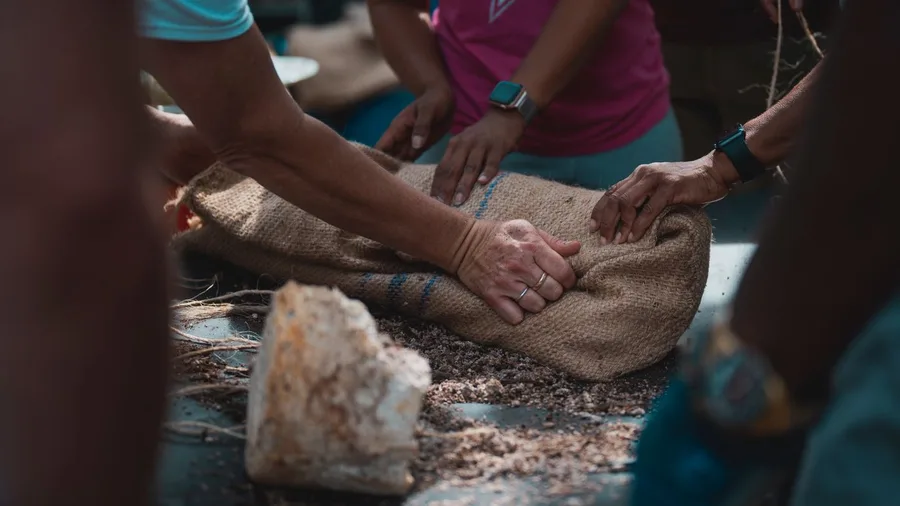
A stranger approaches your wagon, hands trembling, offering a heavy canvas sack. He claims it is raw ore, but he needs cash tonight to escape a violent partner. Walking away from a barroom challenge requires emotional regulation, but wearing that same open, receptive demeanor in the street paints a target on your back.
Visible empathy is blood in the water.
Frontier confidence men targeted sympathetic facial cues. The gold brick swindle worked by exploiting compassion for a supposedly desperate miner. Blocking these scams requires treating every interaction as a threat. That baseline suspicion exhausts a mind accustomed to trusting others, draining your cognitive reserves until you make a fatal mistake.
The Gold Brick Scam
🎯 Target
Empathetic newcomers
🎭 Method
Fake desperation
💰 Cost
Total financial ruin
The Trap
Grifters weaponized your compassion directly against you.
0. True Isolation Shatters Your Baseline

The human brain requires frequent communal feedback to maintain a grip on reality. When treating every neighbor as a threat finally burns you out, the alternative is retreating entirely into the void of the frontier.
Ask yourself how long you can sit in a quiet room without checking a screen, listening to music, or hearing traffic outside. If twenty minutes feels uncomfortable, weeks of staring at unbroken plains will break you. Modern loneliness is feeling misunderstood in a crowded room. Nineteenth-century absolute geographic isolation is going sixty days without hearing another human voice.
That sensory void triggered prairie madness. Without the digital and social anchors that quietly regulate your nervous system, a modern mind sinks rapidly into severe depression, paranoia, and auditory hallucinations.
🏚️ The Behavioral Descent
Day 5
The attention crash. Your brain searches for the rapid task-switching it expects. You pace the cabin compulsively looking for a problem to solve.
Day 14
Chronological collapse. You stop winding your watch. Without social appointments to anchor the week, the distinction between morning and evening vanishes.
Day 35
Apathy takes over. You stop boiling water and preparing hot food. Chewing becomes a mechanical chore that requires too much energy.
Day 60
Social inversion. When another human finally approaches your claim, your first instinct is not relief, but overwhelming, aggressive hostility.
Environmental and Physical Despair

Modern medicine completely masks how heavily our daily psychological stability relies on basic physical comfort.
Pain breaks the mind just as quickly as the body.
0. Chronic Pain Destroys Your Willpower

People assume that sheer willpower is enough to push through severe physical hardship. The reality is that mental toughness works fine for a short crisis, but it collapses entirely against three months of untreated dysentery. The mental deterioration sparked by empty geography accelerates violently when your body becomes a constant source of agony.
You mistake your ability to endure a tough workout for the capacity to function in chronic pain. Modern psychology relies entirely on immediate relief to prevent physical discomfort from eroding mental stability.
Today, a fever is treated in twenty minutes, freeing your mind. Living with a rotting molar demands immense cognitive overhead just to hitch a wagon, consuming the attention needed for basic situational awareness.
An exhausted, distracted mind stops checking the horizon for dust trails and fails to spot an approaching predator. You assume you would just fight through the misery. Instead, the relentless psychological drain of constant suffering breeds a deep apathy, making it perfectly reasonable to abandon survival tasks entirely.
0. Sheer Monotony Triggers Reckless Behavior

I used to picture frontier life as a continuous fight against the harsh elements, completely ignoring the deadening reality of the boredom. When untreated pain gives way to mundane manual labor, an endless silence sets in.
A brain wired for digital dopamine hits experiences severe, acute withdrawal.
That desperation produces a specific language of ruin. It sounds like, ‘Pour me another of whatever that is,’ or, ‘I will put my horse on this hand.’ Impulsively seeking chemical stimulation leads directly to lethal substance abuse with unregulated frontier alcohol or ruinous gambling debts.
💡 PRO TIP
Reading the Room
If the saloon suddenly goes quiet and the regulars step away from the bar, hit the floor immediately. They know exactly what the silence means.
0. You Cannot Process the Proximity
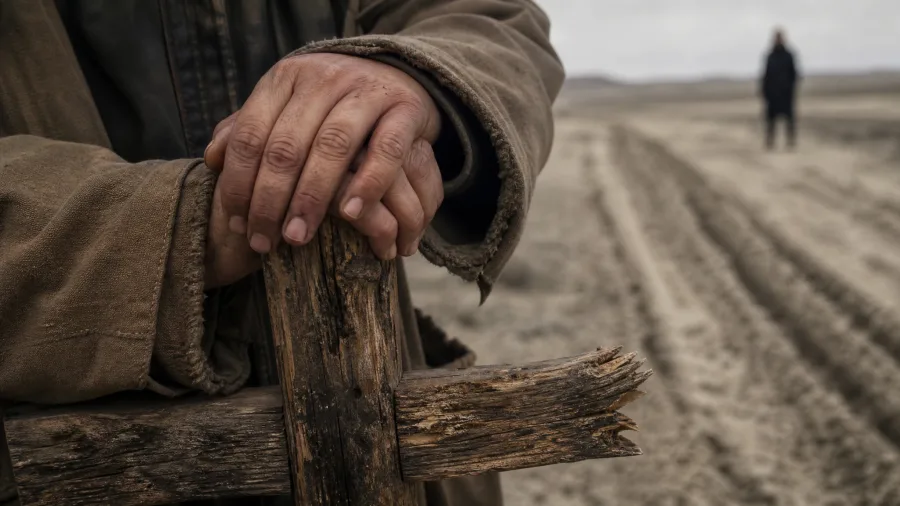
Drifting into a psychological fog on an open trail is a terminal mistake, usually paid for under the wheels of a moving wagon. When the reckless thrill-seeking of a frontier town ends in fatal accidents, your unhardened mind is forced to confront mortality directly. You have no processing mechanism.
Modern society depends heavily on death denial. We manage mortality by sanitizing it through hospitals and funeral homes, keeping the raw reality of a cholera outbreak safely out of view.
We often mistake the classic, stoic pioneer stare for profound courage, but it was usually just unmanaged psychological shock. Stripped of modern emotional buffers, witnessing daily, unfiltered death from disease and street violence triggers acute stress disorder. You cannot stop to mourn a partner lost to dysentery.
The absence of a chance to grieve forces the brain to internalize constant, unresolved trauma. That compounded shock eventually creates a deep dissociative state.
This emotional numbness leaves you completely vulnerable to the next threat.
Frequently Asked Questions
Did people really shoot each other over card games?
Yes. In a culture of honor with no law enforcement, letting someone cheat you meant signaling to the entire town that you were an easy target.
How did pioneers survive the absolute isolation?
Many didn’t. Prairie madness was a documented phenomenon where the sensory void and total isolation drove settlers to severe depression and auditory hallucinations.
Why couldn’t I just avoid the saloons entirely?
Saloons were often the only place to get clean water, hot food, and news. Avoiding them meant cutting yourself off from necessary survival information.
Would my modern conflict resolution skills work?
No. Trying to calmly de-escalate a drunk cowboy signals weakness, giving an aggressor the critical seconds needed to draw their weapon first.
Was medical care on the frontier really that bad?
Worse. With no antibiotics and limited painkillers, a simple infected blister or a rotting tooth could easily become a slow, agonizing death sentence.
The Cold Framework of Survival
The frontier demanded a hyper-vigilant, emotionally detached psychological framework just to survive a single week. What feels like modern resilience actually relies entirely on the invisible safety nets of the twenty-first century holding everything together in the background.
You can stop wondering if you have the sheer physical endurance to outlast the 1800s, because your softer, trusting neurology would never let you survive long enough to find out. Take a moment to be profoundly grateful for the padded, heavily regulated modern world that allows your empathy to exist without costing you your life.