
Forty-seven seconds is the current average time spent on one screen.
That is all the concentration most adults can muster before a notification, an open tab, or sheer habit forces them to look elsewhere.
If you were working or studying in 1985, you remember a completely different baseline. The environment did not offer constant alternatives, which meant your attention stayed on the single book, ledger, or project sitting on the table in front of you.
This shift is entirely reversible.
Why Did Our Attention Span Shrink?

We shrank our own attention spans by training ourselves to expect novel stimuli every single minute.
Researchers studying workplace behavior find that frequent context switching leaves a lasting cognitive residue. You glance at an incoming email, look back at a detailed document, and a portion of your attention remains stuck on the inbox. That residual lag drags down your performance on the primary task.
This constant state of partial attention is not a permanent condition.
It is simply a highly practiced habit built over years of checking feeds and alerts. Your capacity for deep work remains perfectly intact.
The Reality of Attention Loss
Reclaiming the Physical Environment

Clearing your physical workspace of all visible screens removes the primary environmental trigger for distraction.
In 1985, a standard desk contained a lamp, a telephone, and a stack of paper. That physical setup offered no appealing alternative to the difficult work sitting directly in front of you.
When your phone sits on the desk, even facedown and completely silent, cognitive researchers find it continually demands active processing power just to ignore it. Putting the device in a different room entirely frees up that trapped mental capacity for the task at hand.
Distance creates immediate mental clarity.
The Workspace Shift
The 1985 Baseline
- Single task visible on desk
- Physical reference materials only
- Phone bolted to the wall
- Clear boundary for the end of the day
The Modern Friction
- Multiple devices in peripheral vision
- Infinite tabs competing for attention
- Notifications breaking thought streams
- Work follows you into the kitchen
How Do We Manage Unseen Interruptions?

You manage unseen interruptions by silencing every notification and batching all communication into designated windows.
The modern expectation of instant availability destroys any hope of sustained concentration. If a colleague knows you usually reply within three minutes, they will interrupt you constantly throughout the day. Establishing a known, twice-a-day reply schedule forces them to consolidate their questions.
This boundary sets the absolute foundation.
Most workplace emergencies are simply conveniences disguised as urgency. You can train your colleagues to wait just by intentionally delaying your typical response times.
Ideal Environments For Focus
Scheduling the Deep Work Block

Reserving a strict ninety-minute window physically blocks the administrative drag of a normal workday from ruining your focus.
The first twenty minutes of a hard task usually feel terrible. Your mind pushes back against the effort, looking for any excuse to check an email or answer a message. Staying in the chair through that specific discomfort provides the runway you actually need to reach deep absorption.
You have to defend this calendar block ruthlessly.
If you let meetings slide into this window just once, the boundary disappears entirely. Treat that time as heavily guarded territory.
⏱️ The 90-Minute Focus Protocol
Gather Physical Materials
Place everything you need for the task on your desk before you sit down.
Relocate Digital Devices
Physically move your smartphone and smart watch to a different room.
Set a Mechanical Timer
Wind an analog kitchen timer for ninety minutes so you cannot check the time on a screen.
Sit Through the Friction
Endure the intense urge to stand up or quit during the first twenty minutes.
Record Stray Thoughts
Write down sudden ideas on a scratchpad instead of acting on them.
What Happens When Distraction Creeps In?
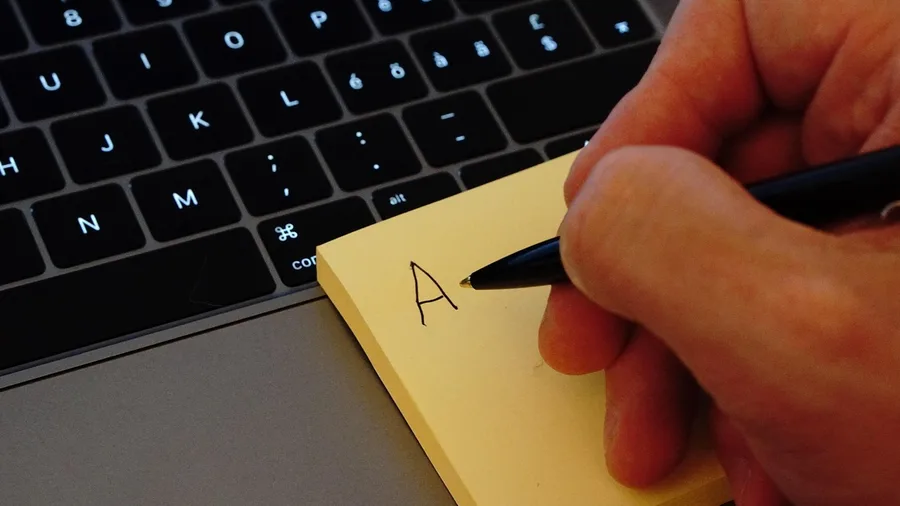
You write the intruding thought down on a piece of physical paper instead of acting on it right then.
Every time you suddenly remember a bill to pay or a quick message to send, your instinct is to handle it immediately so you do not forget. Keeping a simple paper pad next to your keyboard lets you trap the thought safely without abandoning the main job.
The obligation is now out of your head.
Once the ninety minutes finally conclude, you can review that written list. Process all those minor, unrelated tasks in one swift batch before you move on with your day.
⚠️ COMMON MISTAKE
The Quick Check Illusion
Opening a browser tab to look up one quick fact usually ends in twenty minutes of unrelated reading. Keep working and circle the missing fact to look up later.
Building Tolerance for Boredom

Sitting quietly in a room without a device recalibrates your baseline need for constant stimulation. The ability to concentrate relies heavily on your willingness to sit through temporary boredom. If you reach for a screen in every checkout line, you actively destroy that tolerance.
Leave the phone securely in your pocket.
Before smartphones took over, people spent enormous amounts of time simply staring out of train windows or waiting for appointments.
Reintroducing these small pockets of empty time into your week deliberately trains your mind to accept a low-stimulus environment. You teach yourself how to sit in the quiet without immediately demanding a quick hit of novelty just to feel normal.
How to Wait in Line
- Stand and observe your surroundings — Allows your mind to wander naturally and process lingering thoughts.
- Read a printed magazine or brochure — Occupies the mind, but with linear text rather than algorithmic feeds.
- Scroll through social media feeds — Reinforces the habit of escaping boredom with immediate, high-dopamine novelty.
Does Reading Physical Books Actually Help?

Reading printed pages forces sustained linear attention without the option to open another tab or notification.
Digital text is heavily designed for scanning, hyperlinking, and rapid, frictionless consumption. Every screen you own trains you to hunt for bullet points and skip the middle of the paragraph. Sitting down with a physical hardcover requires you to follow one singular narrative thread for an extended period.
It demands absolute single-tasking.
Think of paper as the perfect weightlifting exercise for a fractured attention span. You cannot click away when the chapter slows down.
Committing to thirty minutes of reading before bed does more than help you fall asleep. Over a few months, it rebuilds the exact cognitive endurance required for deep professional work the next morning. You are simply practicing how to stay in one place.
The Print Advantage — At a Glance
📚 Format
Linear narrative
🛑 Interruption
Zero notifications
🧠 Cognitive Load
Deep engagement
⏳ Pacing
Self-directed
The Long-Term Compound Effect
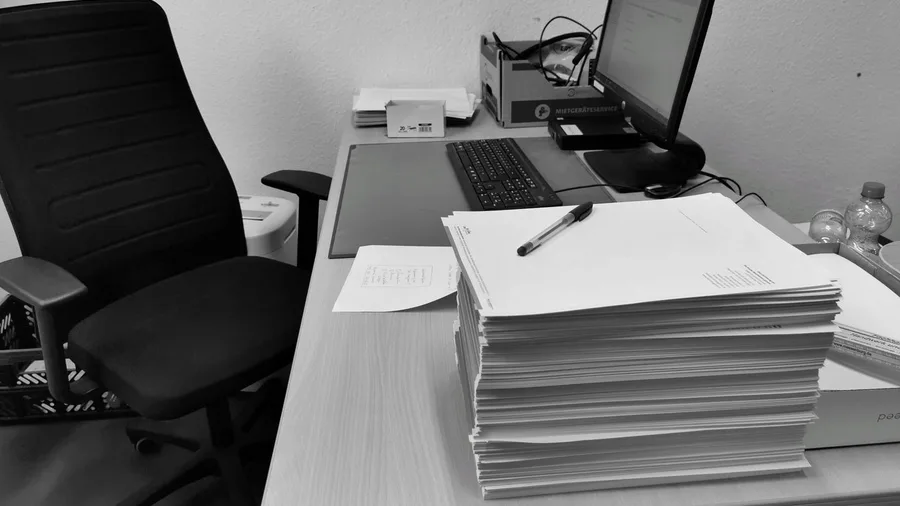
A few months of protected concentration yields more finished projects than years of scattered, reactive work. Rebuilding this lost skill requires real patience at first, but the compounding returns on your career and personal projects will eventually speak for themselves.
Focus is now a rare economic advantage.
When you can sit quietly with a difficult problem for an hour without flinching, you separate yourself from a professional workforce that panics after forty seconds of uninterrupted silence. Most people will abandon a hard task the moment their phone lights up.
You only need to outlast that initial discomfort.
String together just a few weeks of consistent practice, and you completely change how you operate on a daily basis. The noise fades, and the actual work gets done.
Frequently Asked Questions
How long does it take to rebuild my concentration?
It typically takes three to four weeks of consistent, daily practice to notice a significant shift. Your brain needs time to stop expecting constant novelty.
Is listening to music considered a distraction?
Music with lyrics demands verbal processing power, which competes with reading or writing. Instrumental tracks or ambient noise, however, can help block out environmental distractions.
Do digital focus apps and website blockers actually work?
They provide a helpful initial barrier against mindless browsing. However, true focus requires removing the device from your environment entirely, not just blocking a few websites on it.
What if my job requires constant monitoring of a team chat?
You must negotiate explicit offline windows with your manager. Explain that you need one uninterrupted hour to produce quality work, and offer a phone number for genuine emergencies.
The First Ten Minutes Tomorrow Morning
Start with just one extremely small block of time.
Do not attempt to overhaul your entire workweek at once. Set a mechanical timer for ten minutes tomorrow morning, close your browser entirely, and work on a single document.
When the timer finally rings, you will likely realize exactly how desperate you were to check your phone. That intense discomfort is the exact feeling of the habit breaking, and pushing through it just one time makes the second attempt tomorrow exponentially easier.