(For Feb/March) Stop Going to New Orleans for Mardi Gras: 8 Southern Cities That Celebrate It Better (And Cheaper)

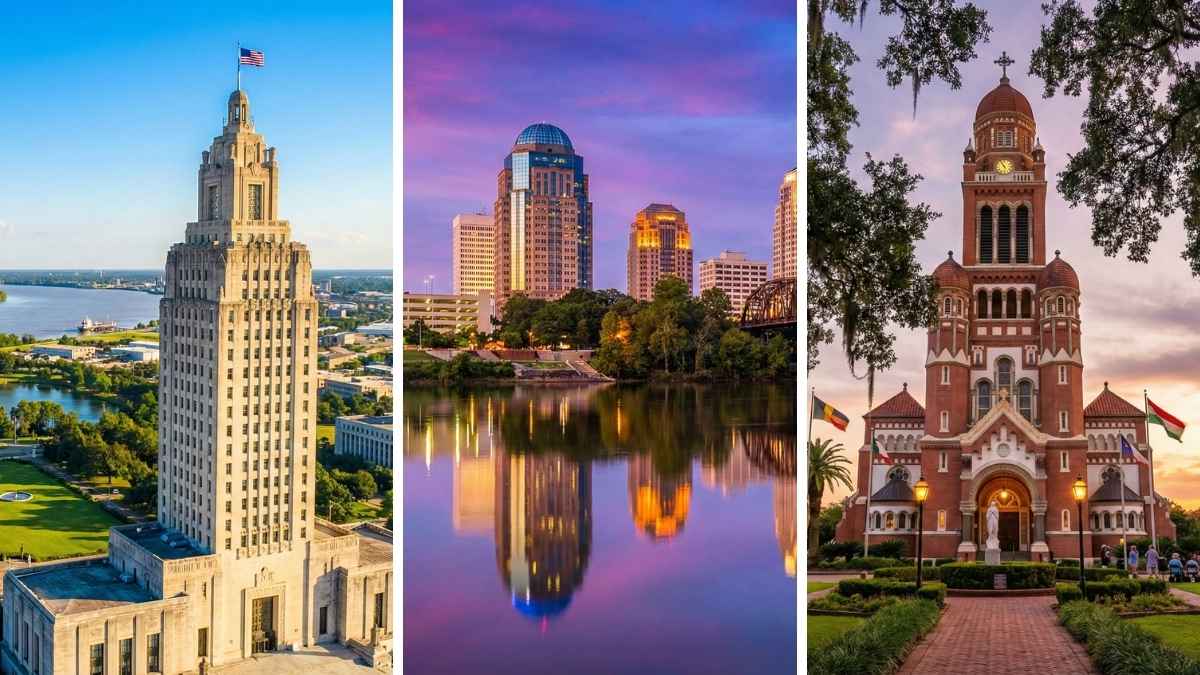
Crowds don’t have to be the price you pay for catching beads and soaking in that unmistakable Mardi Gras buzz. Down in the South, February and March unfold with street parades, bold colors, and celebrations that feel far more personal—and far easier on your wallet.
The kind of places where the music gets under your skin in the best way, and locals wave you in like you’ve been part of the tradition for years.
If you’ve only ever followed the biggest party, you’re about to discover a lineup of destinations that celebrate the season with just as much heart—and a lot more breathing room.
1. Mobile, Alabama
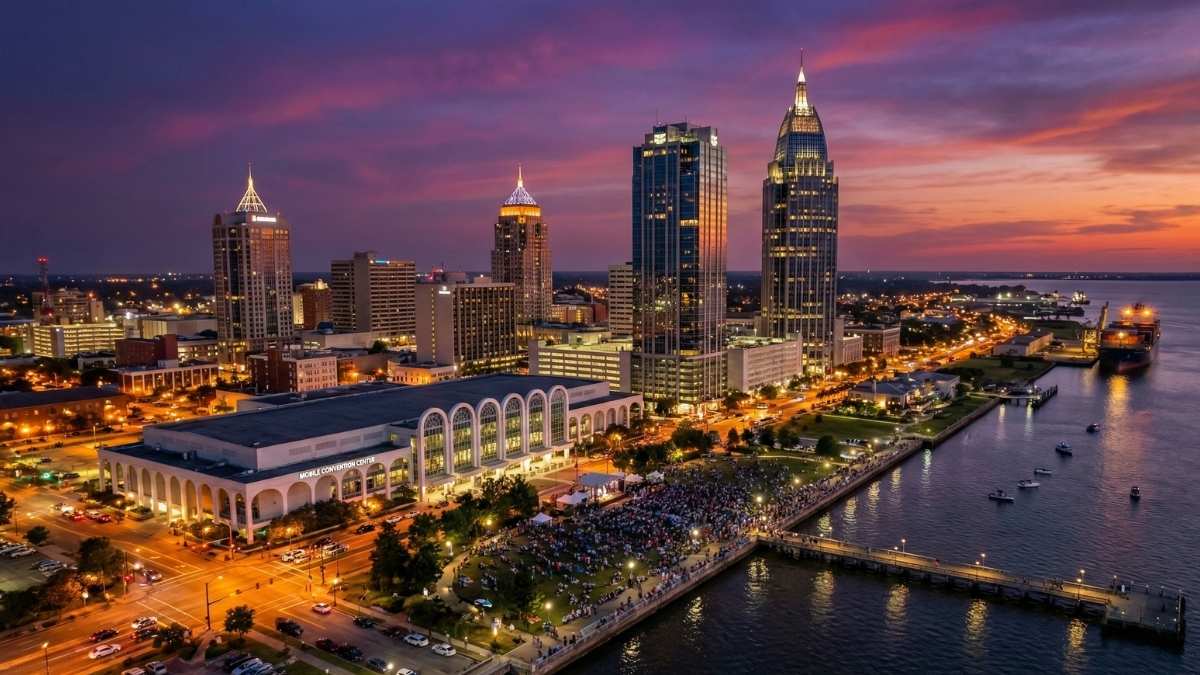
Mobile doesn’t just celebrate Mardi Gras—it invented it in America, and locals love to point that out with a quiet confidence that feels refreshing compared to big-city hype. The parades here feel deeply rooted, carrying a sense of heritage that makes every float and procession feel meaningful rather than manufactured. Visitors quickly notice how effortlessly the city balances tradition with fun, all while keeping things accessible and budget-friendly.
What makes Mobile shine is the welcoming, walkable downtown where you can follow one parade straight into another without stress or overcrowding. You can literally hear brass bands warming up down the street while finishing a plate of fresh Gulf shrimp. It’s that seamless blend of local life and celebration that makes the festivities feel authentic. You’re part of the rhythm instead of just a spectator.
The vibe is energetic yet easygoing, making it perfect for travelers who want the spectacle of Mardi Gras without the burnout that often comes with it. Mobile keeps things family-friendly but never boring, lively without feeling chaotic. It’s the kind of place where you leave thinking, “This is what Mardi Gras was meant to be.”
Key Info
- Best months to visit: February–March (Mardi Gras season)
- Vibe: Traditional, community-driven, walkable
- Cost level: Generally low to moderate
- Best for: Families, history lovers, travelers wanting authentic celebrations
- Known for: America’s first Mardi Gras, colorful mystic societies, classic MoonPies
2. Lafayette, Louisiana
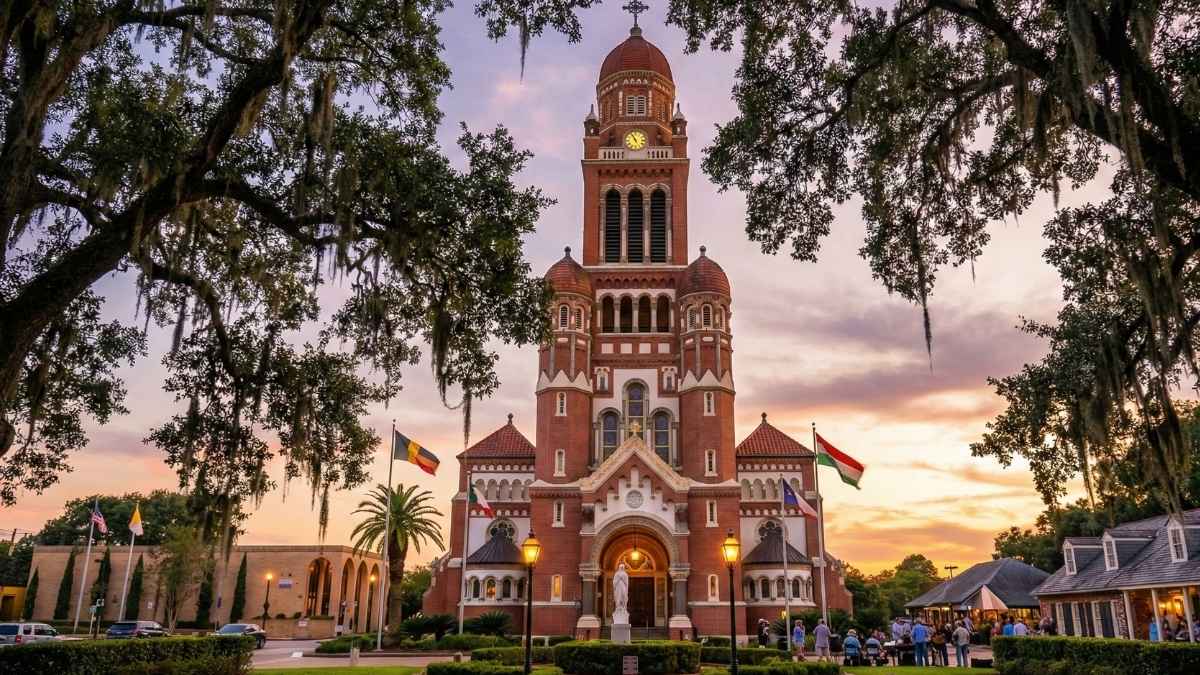
Lafayette pours its entire soul into Mardi Gras, blending Cajun culture, zydeco music, and small-city warmth into a celebration that feels genuinely different. Parades roll with the kind of charm you’d expect from Acadiana—colorful, bold, and unapologetically local. It’s festive without trying too hard, and that’s part of its magic. Even casual visitors get swept into the rhythm almost instantly.
What sets Lafayette apart is the unbeatable food scene tied to the celebrations. Crawfish boils, boudin, gumbo—everywhere you go, someone is stirring a pot or firing up a grill. Locals treat guests like family, and it shows in how effortlessly they share their traditions. You feel welcomed, not just accommodated.
The music alone could justify the trip. Street corners and bars fill with live Cajun and zydeco, creating an atmosphere that keeps people dancing long after the parades end. Lafayette’s Mardi Gras may be less famous, but it’s arguably more flavorful and community-centered—a place where culture leads the celebration.
Key Info
- Best months to visit: Late January–March
- Vibe: Cajun, musical, food-driven
- Cost level: Moderate but cheaper than New Orleans
- Best for: Food lovers, music fans, cultural travelers
- Known for: Zydeco, rural Courir de Mardi Gras, incredible Cajun cuisine
3. Pensacola, Florida
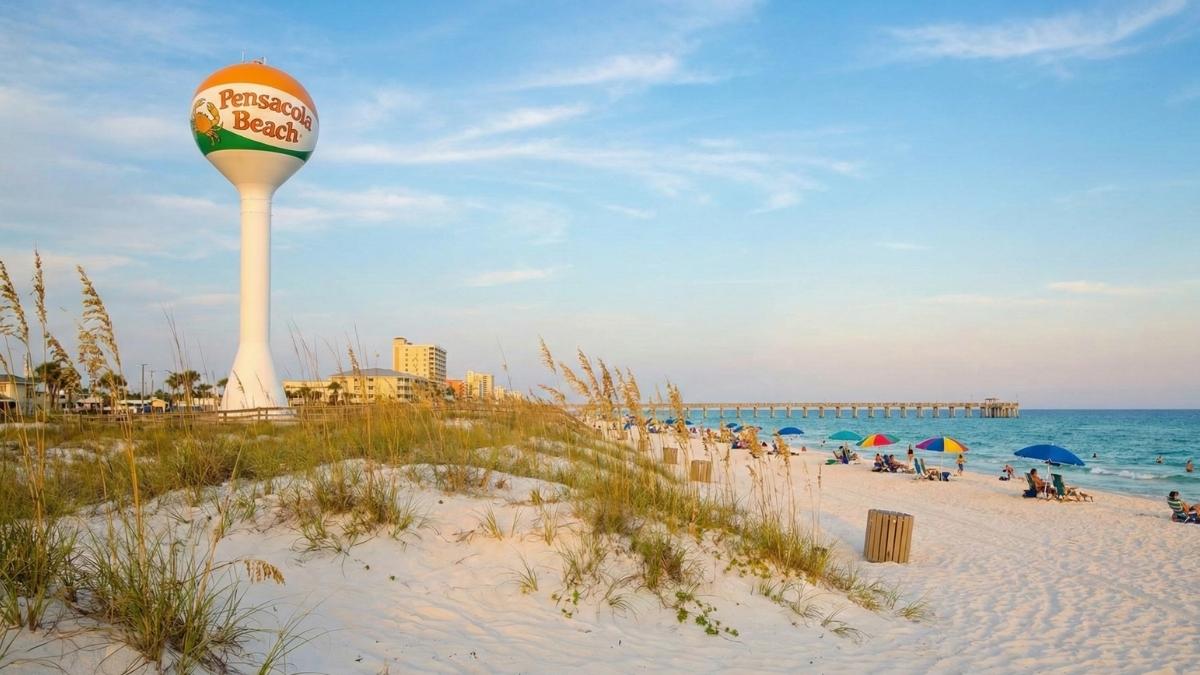
Pensacola hosts one of the South’s most underrated Mardi Gras celebrations—a beach-city version of the festivities that feels bright, friendly, and easygoing. The city leans into the fun without overwhelming visitors, making it great for those who want lively parades paired with breezy coastal downtime. It’s a refreshing spin on Mardi Gras that feels celebratory rather than chaotic.
The Grand Parade downtown draws major crowds, yet everything stays well-organized and welcoming. Locals take pride in creating an event that embraces visitors without losing its small-city charm. It’s the type of place where you can grab seafood on the waterfront, wander to a parade route, and still find a great view without staking out a spot hours early.
The bonus here is obvious: the beach. After a night of floats, beads, and bands, you can wake up and walk straight onto sugar-white sand. Pensacola blends Mardi Gras excitement with coastal calm in a way few destinations can. It’s both festive and restorative.
Key Info
- Best months to visit: February–March
- Vibe: Coastal, fun, laid-back
- Cost level: Moderate, with plenty of affordable dining
- Best for: Beach lovers, families, travelers wanting a relaxed celebration
- Known for: Beachside festivities, friendly parades, and walkable downtown
4. Galveston, Texas
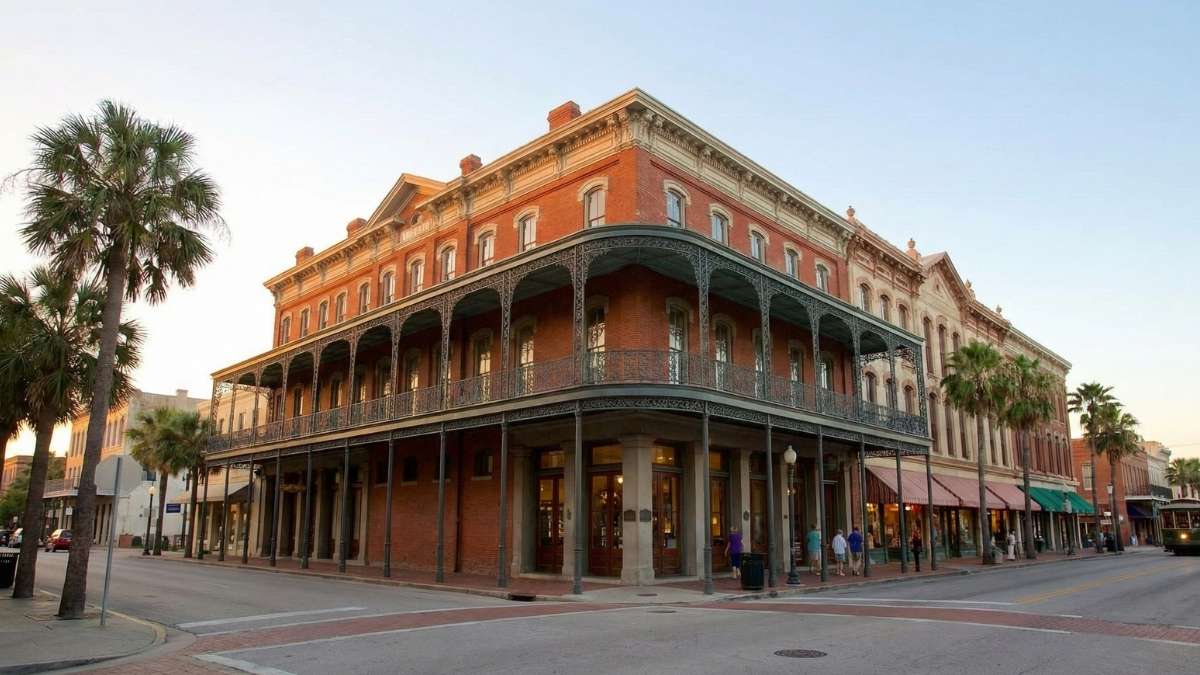
Galveston’s Mardi Gras is one of the biggest in the country, yet somehow it stays welcoming and affordable. The island blends Texas boldness with coastal breeziness, creating a celebration that feels both grand and relaxed. Towering floats, elaborate costumes, and long-running traditions keep the spirit alive without tipping into overwhelming crowds.
The Strand Historic District hosts the heart of the action, glowing with lights, balconies, and nonstop energy throughout the season. It has a festive buzz that feels more like a giant block party than a massive urban event. You can hop between parades, grab a drink, and wander into live music without feeling like you’re battling thousands just to move.
Galveston also has a strong family-friendly side. Daytime parades, beach views, and open spaces make it easy for visitors with kids to enjoy the festivities safely. Plus, with plenty of reasonably priced accommodations and waterfront dining, it’s much easier on the wallet than New Orleans.
Key Info
- Best months to visit: February–early March
- Vibe: Coastal, high-energy, festive
- Cost level: Low to moderate
- Best for: Families, groups, travelers wanting big parades without big-city chaos
- Known for: The Strand, balcony parties, massive parade lineups
5. Baton Rouge, Louisiana
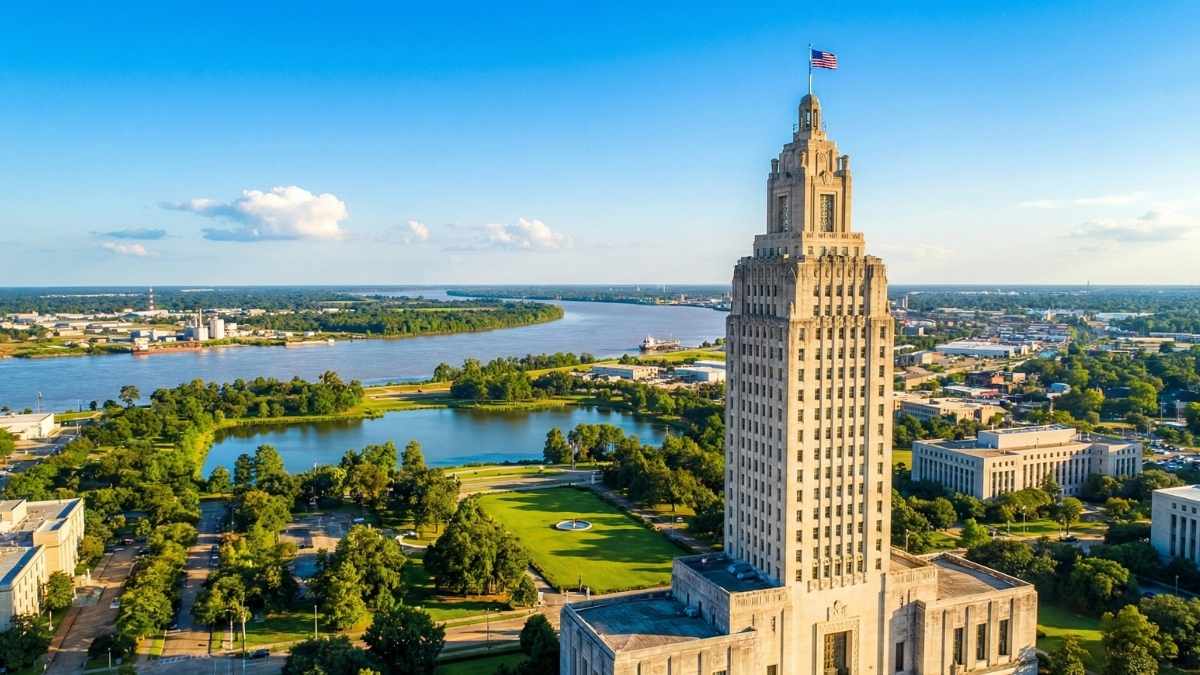
Baton Rouge delivers a balanced Mardi Gras experience—bigger and livelier than small-town celebrations but more relaxed and affordable than New Orleans. The city embraces the season with genuine enthusiasm, turning its neighborhoods and riverfront into gathering spots filled with music, color, and a sense of community warmth.
The parades here often feel more personal, with locals cheering on krewes they’ve known for years. You’ll see decorated floats, marching bands, and plenty of beads, but without the shoulder-to-shoulder crowds that make some travelers avoid New Orleans. It’s lively in all the right ways, yet easy to navigate and enjoy.
Food naturally plays a huge role, and Baton Rouge shines during Mardi Gras season. From classic fried catfish to hearty jambalaya and king cakes sold at every corner bakery, the city turns eating into a core part of the celebration. You get Mardi Gras flavor without Mardi Gras stress, which is exactly why many travelers prefer it.
Key Info
- Best months to visit: February–March
- Vibe: Festive, comfortable, community-focused
- Cost level: Moderate and reliably cheaper than New Orleans
- Best for: Travelers wanting local flavor without overwhelming crowds
- Known for: Family-friendly parades, strong food scene, riverfront celebrations
6. Shreveport, Louisiana
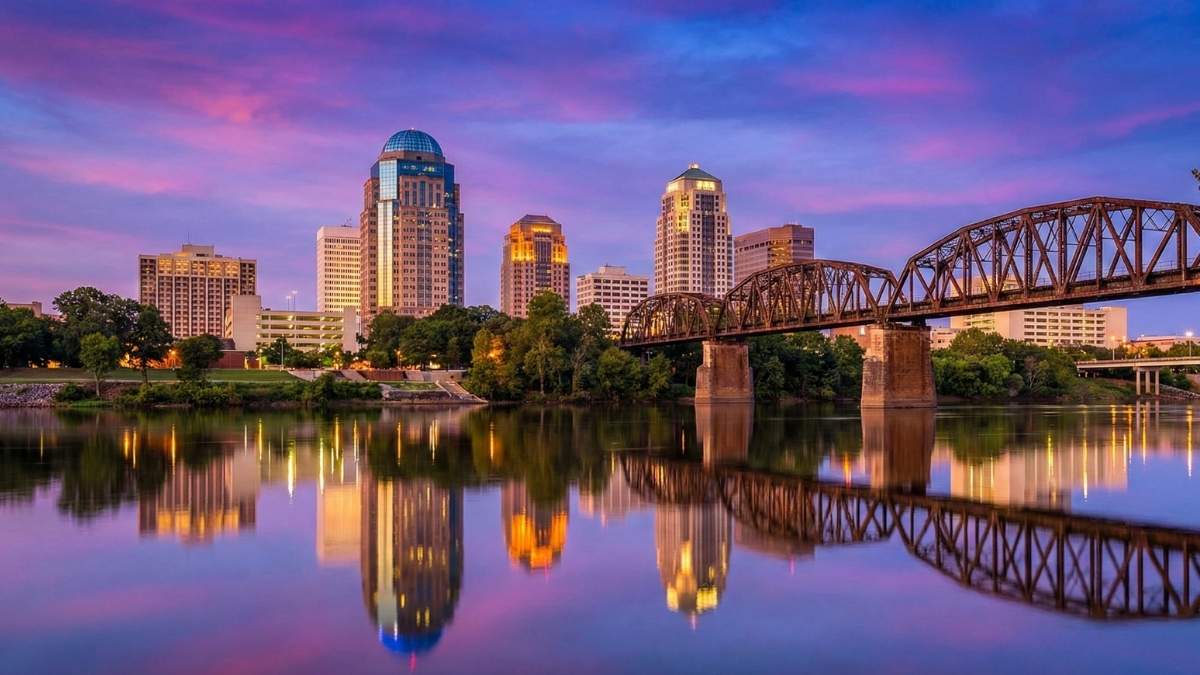
Shreveport brings a refreshing twist to Mardi Gras with celebrations that feel spirited yet manageable. The city leans into creativity, and its krewes are known for adding quirky touches that make every parade feel different from the last. You get all the classic Mardi Gras ingredients—floats, beads, brass, and color—without the exhaustion that comes from navigating massive crowds.
The parade routes here are broad and easy to follow, so you’re never stuck craning your neck for a glimpse of the action. Families especially appreciate the Kid Zones and community-focused events that feel genuinely welcoming rather than tacked on. The whole experience is lively but not overwhelming, the kind of energy that keeps you smiling without draining your stamina.
Local restaurants join in on the fun with themed specials, festive drinks, and plenty of Louisiana comfort food. Whether you’re sampling étouffée, grabbing a po’boy, or chasing down a king cake, Shreveport makes eating part of the adventure. It’s a place where the celebration feels big enough to be exciting and small enough to stay personal.
Key Info
- Best months to visit: February–March
- Vibe: Easygoing, colorful, comfortable crowds
- Cost level: Low to moderate
- Best for: Families, relaxed travelers, visitors seeking friendly local energy
- Known for: Krewe of Centaur, Krewe of Gemini, fun food-forward events
7. St. Louis, Missouri (Soulard)
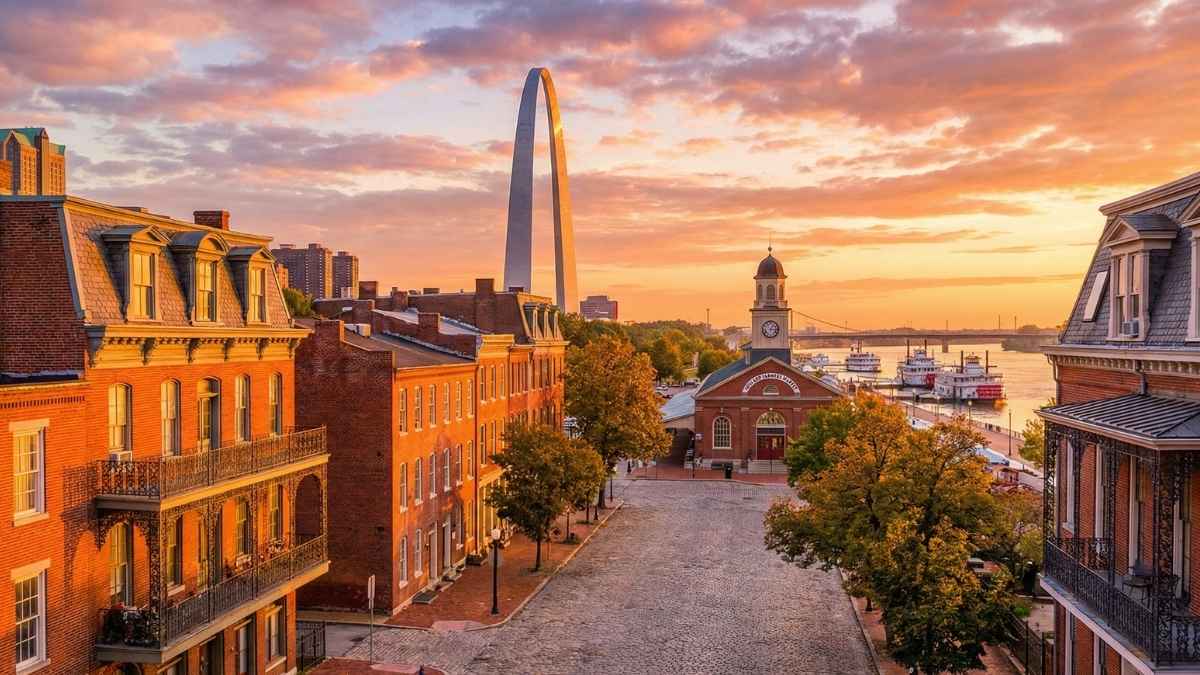
Soulard’s Mardi Gras is one of the largest outside the South, and it delivers a celebration with its own distinct personality. The neighborhood goes all-in, with streets filling up with music, costumes, and a contagious sense of joy. It’s a northern twist on a southern tradition, and it works surprisingly well. What makes it stand out is the strong neighborhood identity, which keeps the party grounded instead of feeling like a tourist spectacle.
The parade is the star, and it’s packed with massive floats and showy performances that rival bigger Mardi Gras cities. But the surrounding events—pet parades, pub crawls, and quirky competitions—add an extra layer of fun. The whole area becomes a playground for visitors who love a spirited party but don’t necessarily want a Mardi Gras defined by nonstop crowds.
Because Soulard sits in one of St. Louis’s most historic districts, the architecture and cobblestone streets give the festivities charm you don’t always expect from a major celebration. You get the thrill of a big event, yet everything feels approachable. It’s bold, fun, and refreshingly different from the traditional southern scene, making it a standout for Mardi Gras travelers looking for something new.
Key Info
- Best months to visit: February–early March
- Vibe: Urban, bold, energetic
- Cost level: Moderate
- Best for: Party-focused travelers, groups, visitors wanting a big-city Mardi Gras without New Orleans prices
- Known for: Massive Grand Parade, pet parade, historic district charm
8. Tampa, Florida (Ybor City)
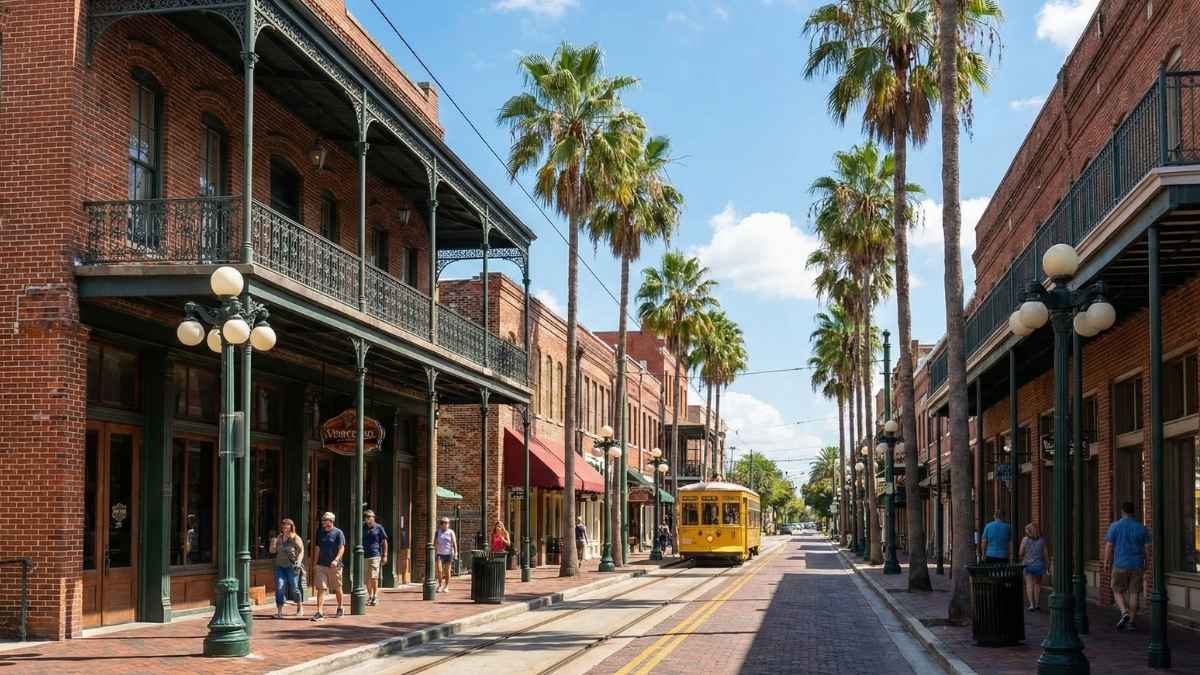
Tampa’s Ybor City transforms into a vibrant Mardi Gras playground where Latin culture, Florida sunshine, and New Orleans–style traditions blend seamlessly. The neighborhood’s historic brick streets and festive nightlife set the stage for a celebration that feels warm and spirited from day to night. You’ll find plenty of energy without the steep price tag that often comes with larger Mardi Gras destinations.
The Gasparilla season naturally overlaps with Mardi Gras vibes, giving visitors double the excitement. Parades roll through with lively crews tossing beads from glowing floats, while restaurants and bars add specials that keep the party going. Ybor has a unique ability to deliver an upbeat festival atmosphere but never out of control, making it perfect for travelers who enjoy spirited crowds without overwhelming intensity.
During the day, the neighborhood has plenty to explore—from Cuban pastries to vintage shops—and the streetcar makes getting around easy and affordable. At night, Ybor lights up with live music, dancing, and a friendly social scene that feels welcoming to newcomers. It’s a warm-weather twist on Mardi Gras that blends cultural flavor with easy-to-love festivities.
Key Info
- Best months to visit: February–March
- Vibe: Cultural, lively, sunny
- Cost level: Moderately priced
- Best for: Warm-weather travelers, nightlife fans, couples and groups
- Known for: Gasparilla-season overlap, historic Ybor architecture, Cuban influence