Snow has a way of transforming familiar landscapes into something quieter, wilder, and strangely magnetic. The kind of beauty that makes you pause mid-step because the world suddenly feels softer and more open.
Winter strips away the crowds, the noise, the chaos—revealing places that feel almost secret. And that’s exactly where the magic hides: in the empty trails, the frost-lined mornings, and the views that feel like they’re waiting just for you.
If you’ve ever wondered what happens when America’s most iconic wilderness areas trade summer heat for cold brilliance, these winter-ready escapes might be the best surprise you’ll discover all season.
1. Yellowstone National Park
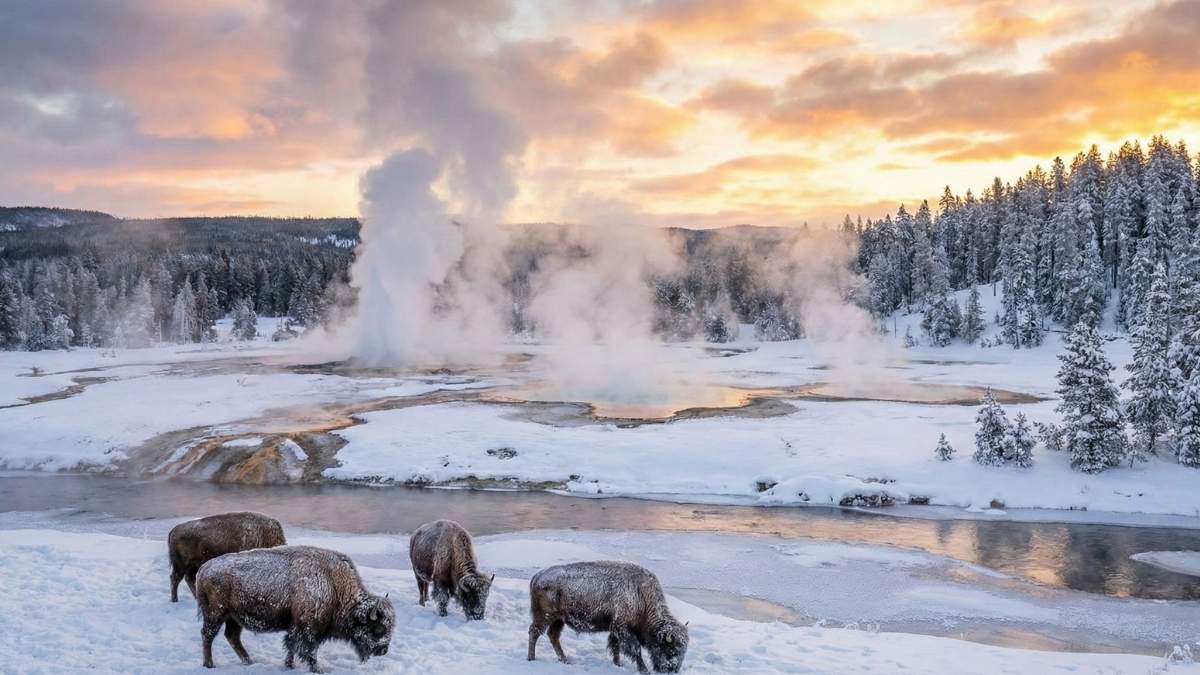
Winter flips Yellowstone into a whole different world—one that feels quieter, sharper, and far more dramatic than the packed summer version. The wildlife stands out against the snow, steam rises from the ground in thick clouds, and the silence is so deep it almost hums. The colder months highlight Yellowstone’s raw personality: geysers roaring in sub-zero temps, snow-dusted bison, and wide-open roads with almost no one on them. If you’ve only seen Yellowstone in peak season, winter feels like an entirely new destination.
The park becomes especially enchanting around the thermal areas. Bison huddle beside hot springs, wolves leave crisp tracks along the valleys, and the geyser basins glow in the cold air. Snow brings out the color of the landscape in a way that just doesn’t happen in summer—pines look darker, the pools look bluer, and the geysers feel more powerful. And because the crowds drop dramatically, every lookout feels like it’s yours alone.
One of the best winter moments in Yellowstone is catching Old Faithful erupting into freezing air, creating sparkling ice crystals that drift back to earth. It’s one of those sights people tend to hold onto for years. Winter travel here takes a little more planning, but the reward is an experience most visitors never get.
Quick Facts
- Best Months to Visit: December–February
- Why It’s Better in Winter: Thermal features look more dramatic; wildlife viewing is clearer
- Winter Activities: Snowcoach tours, cross-country skiing, wildlife photography
- Crowd Level: Extremely low
2. Yosemite National Park
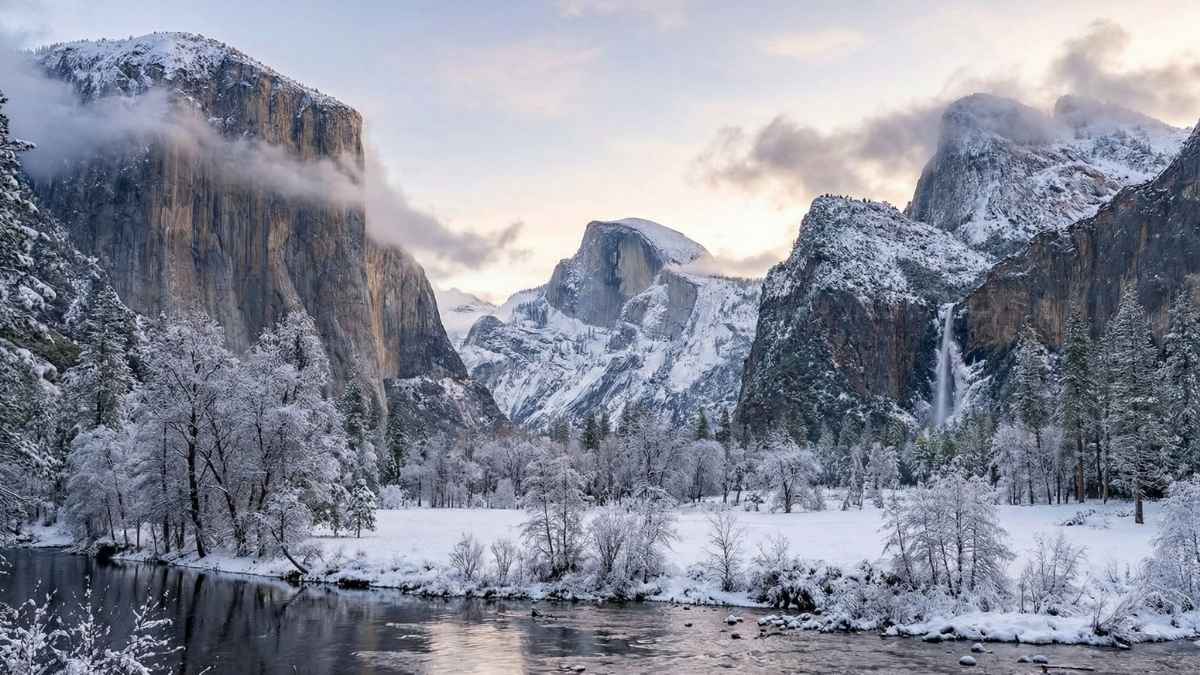
Yosemite in winter feels almost surreal—in the best way. The vast granite walls turn icy silver, while forests and meadows sit under layers of clean, untouched snow. Everything slows down. Many visitors describe winter Yosemite as the season when the park finally reveals its softer personality. Even the iconic views shift: Half Dome looks sharper, Yosemite Falls feels louder, and the valley floor takes on a peaceful stillness that you rarely get when the summer crowds arrive.
Winter also brings out Yosemite’s hidden drama. Snowbanks frame the Merced River, quiet trails feel like secret paths, and the sunsets turn the cliff faces a warm pink-orange glow. On some days, the valley fills with a delicate fog that lifts slowly, revealing the landscape one piece at a time. The stillness also makes wildlife sightings feel more intimate—deer wander freely, coyotes move confidently across meadows, and birds seem easier to spot against the winter backdrop.
Most visitors never see Yosemite under snow, which makes winter visits feel like an insider experience. And when Horsetail Fall glows “firefall” orange in late February, the entire valley buzzes with excitement. Even if you’ve been to Yosemite ten times, winter has a way of making it feel brand new.
Quick Facts
- Best Months to Visit: December–March
- Why It’s Better in Winter: Fewer crowds, dramatic lighting, rare photographic moments
- Winter Activities: Photography, snowshoeing, scenic winter drives
- Crowd Level: Low to moderate
3. Grand Teton National Park
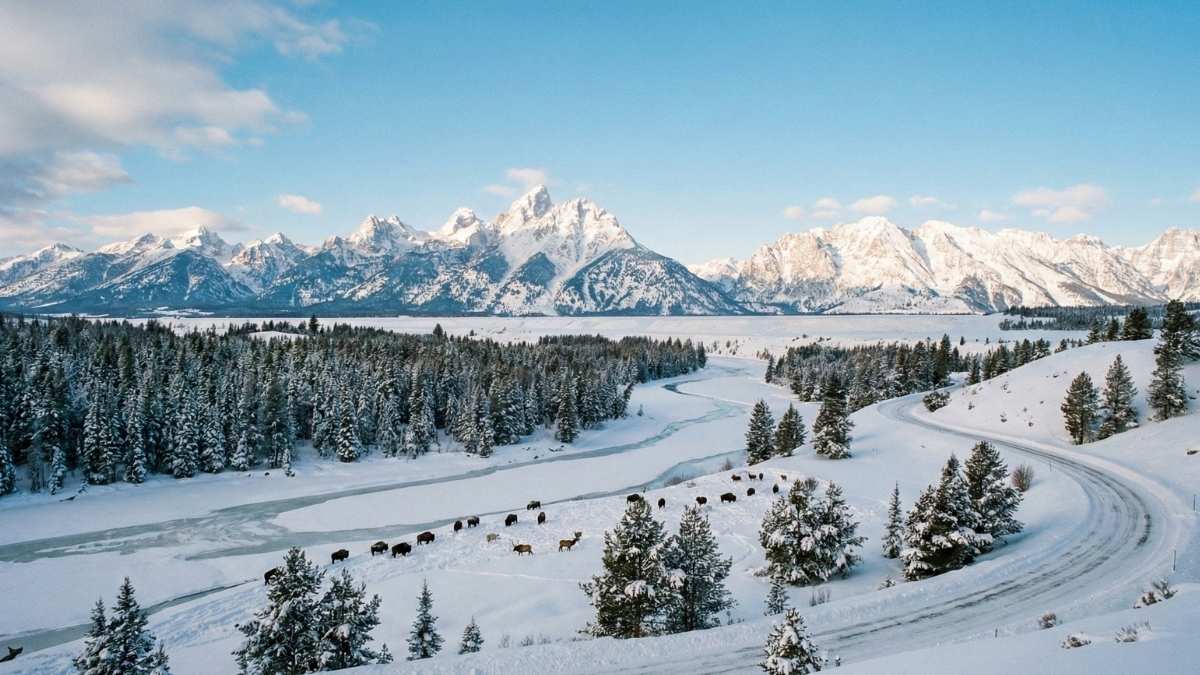
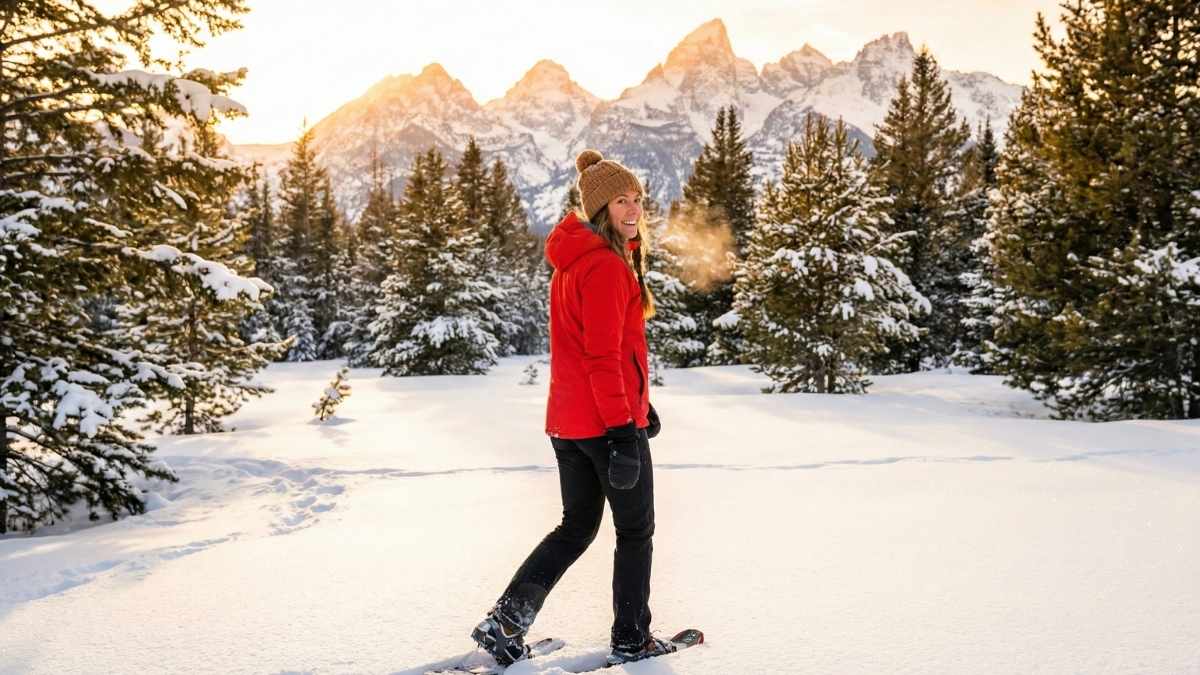
Grand Teton transforms into a peaceful, snow-covered wilderness that feels worlds away from the busy summer season. The jagged peaks become even more dramatic when backed by winter skies, and the entire park feels like a sweeping, frozen postcard. The contrast between the sharp mountain edges and the soft, powdery landscape is almost overwhelming—in the best possible way. Winter is when the Tetons feel boldest and most majestic.
The wildlife activity here is incredible during the colder months. Moose wander near the river bottoms, elk gather in huge herds, and foxes trot across snowy fields, leaving neat, dotted tracks behind. The snow makes everything easier to spot, especially against the dark trees and wide valleys. One moment you’re driving a quiet road, the next you’re stopping to watch a bald eagle swoop across the Snake River.
The Tetons’ winter quiet is one of its greatest strengths. Trails feel untouched, the stillness settles deep, and even the simplest viewpoints feel cinematic. And on clear mornings, the sun hits the mountains at an angle that makes the peaks glow in brilliant rose-gold light, a sight many travelers say becomes the highlight of their trip.
Quick Facts
- Best Months to Visit: December–February
- Why It’s Better in Winter: Peak views are clearer; wildlife is more visible
- Winter Activities: Winter photography, wildlife touring, snowshoeing
- Crowd Level: Very low
4. Rocky Mountain National Park
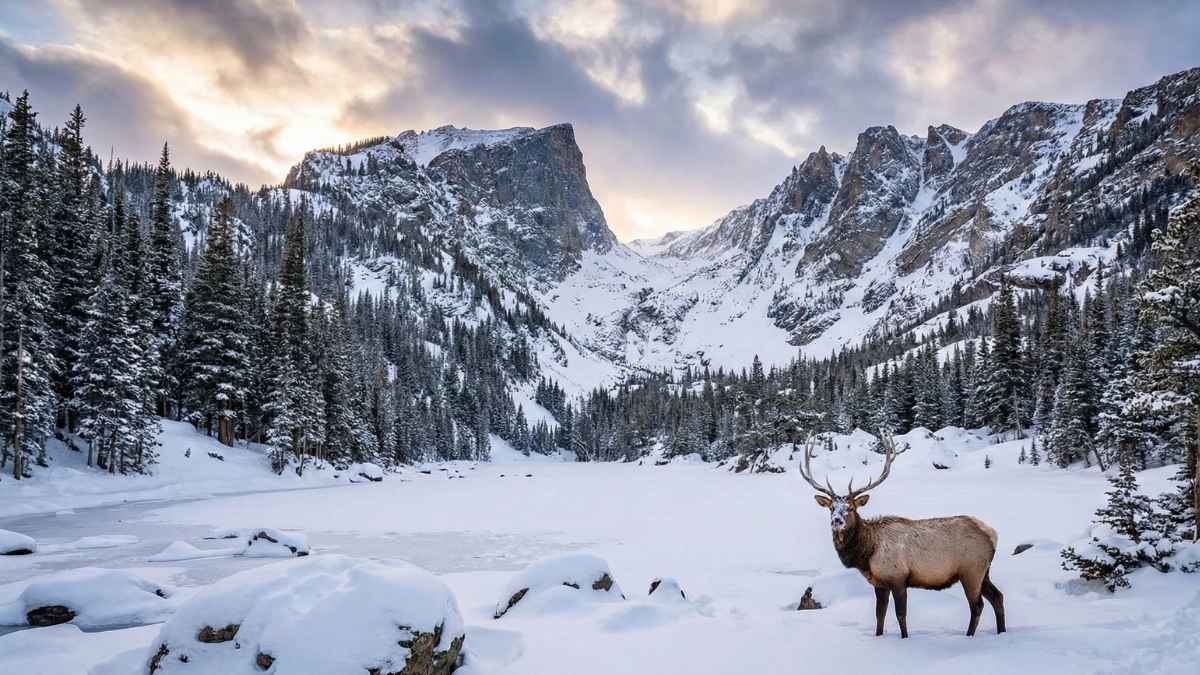
Winter turns Rocky Mountain National Park into a landscape full of crisp air, quiet forests, and frost-covered meadows. Even popular viewpoints like Bear Lake or Sprague Lake become peaceful. The mountains feel grander under snow, and the stillness makes every ridge and valley look more dramatic. Winter is the park’s most underrated season, yet the clarity of the air and lack of crowds make it feel like nature is giving you a private show.
What makes winter stand out here is the accessibility. Despite the harsh weather at the higher elevations, several areas remain open and easy to explore. Trails become snowshoe routes, meadows turn pristine white, and the scenery looks clean and polished. It’s a season that rewards those who enjoy slow, thoughtful exploring—pausing to admire the trees coated in snow or the way frozen lakes reflect the peaks.
Watching wildlife in winter is also a highlight. Elk and mule deer wander closer to the lower elevations, and occasionally you catch sight of coyote tracks crossing the roads. The mood of the park changes completely: crisp air, clear horizons, and long stretches of quiet road that feel like they belong entirely to you.
Quick Facts
- Best Months to Visit: January–March
- Why It’s Better in Winter: Crystal-clear views, peaceful trails, lighter traffic
- Winter Activities: Snowshoeing, scenic drives, winter hikes
- Crowd Level: Low
5. Glacier National Park
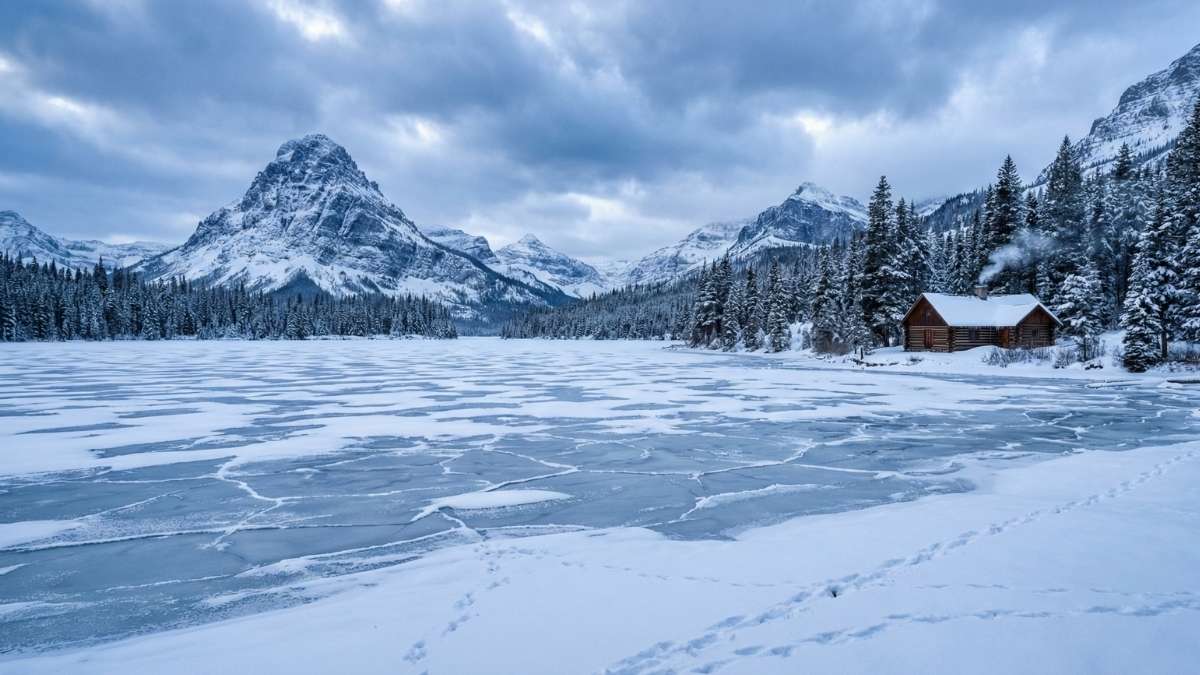
Glacier becomes a serene, icy wilderness during winter—far quieter, colder, and more dramatic than in any other season. The mountains loom large over frozen lakes, and the forests feel dense and untouched. The snow brightens the entire landscape, making the peaks stand out sharply against the winter sky. Because most of the park is closed to cars, the silence is deep, and the scenery feels almost untouched by civilization.
Winter shows a side of Glacier that many travelers never get to see. The valleys fill with gentle morning fog, rivers freeze into abstract patterns, and the pine forests become thick blankets of white. Even standing at the edge of Lake McDonald feels different—calmer, colder, and somehow more peaceful. The fewer visitors around, the more the park feels like a hidden treasure.
Wildlife sightings can be surprising here. You might spot foxes darting across open fields or mountain goats perched on icy cliffs, steady as ever. The winter light gives Glacier’s famous peaks and ridges a sharply defined look, creating photographs that feel almost unreal. It’s quieter, colder, and arguably more beautiful than peak summer.
Quick Facts
- Best Months to Visit: December–March
- Why It’s Better in Winter: Quiet landscapes, untouched snow, striking winter light
- Winter Activities: Snowshoeing, winter photography, ranger-led walks
- Crowd Level: Extremely low
6. Bryce Canyon National Park
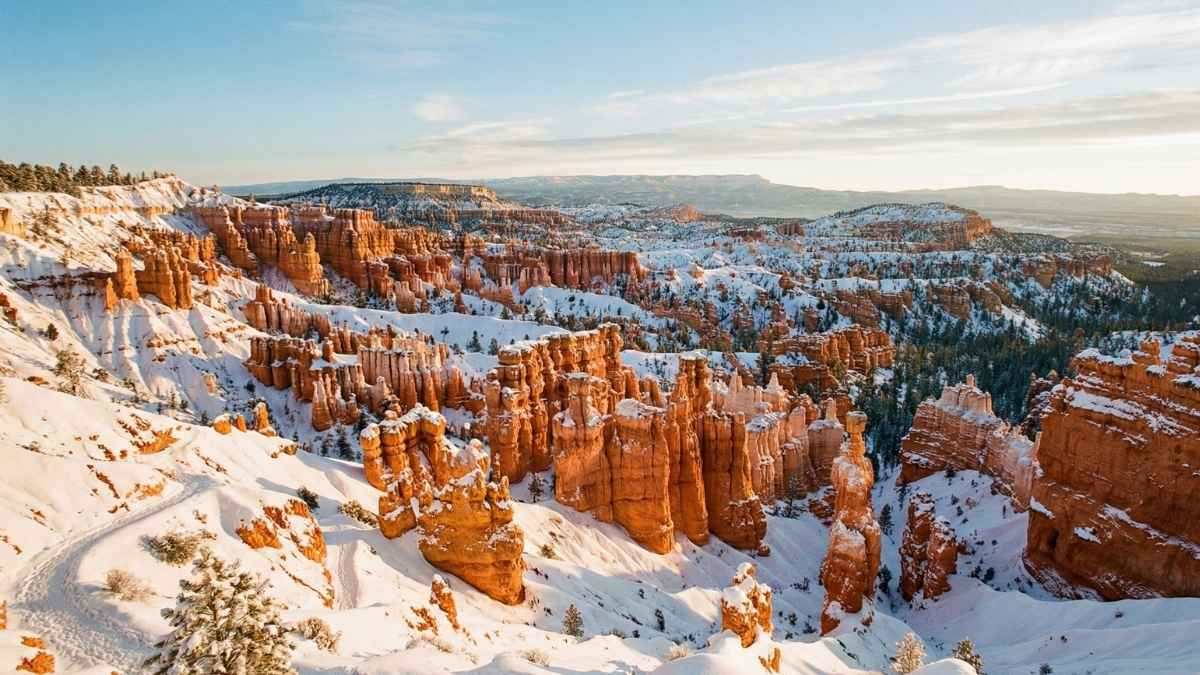
Bryce Canyon takes on an entirely new personality once winter settles in. The red hoodoos—already striking in summer—turn jaw-droppingly beautiful under fresh snow. The contrast is so sharp that many travelers say winter is the only time Bryce truly shows off its full color range. And with the air clearer and colder, the views stretch for miles across the amphitheaters.
Walking along the rim trails feels almost otherworldly. Snow sits softly atop each hoodoo, creating thousands of tiny white caps across the canyon. The silence is deeper here than in most parks because the amphitheaters absorb sound, making every overlook feel peaceful and personal. Even on a short stroll, you’ll find yourself stopping more than you planned, simply because every few steps bring a new winter angle.
Bryce also tends to stay accessible even when other high-elevation parks close sections for winter storms. Rangers keep the main viewpoints open, sunrise colors last longer in colder air, and the snow adds a sculptural depth that makes photographs look cinematic. It’s the kind of winter visit that stays with you long after you leave.
Quick Facts
- Best Months to Visit: December–February
- Why It’s Better in Winter: Hoodoos look incredible with snow contrast
- Winter Activities: Easy rim walks, winter photography, stargazing
- Crowd Level: Very low
7. Mount Rainier National Park
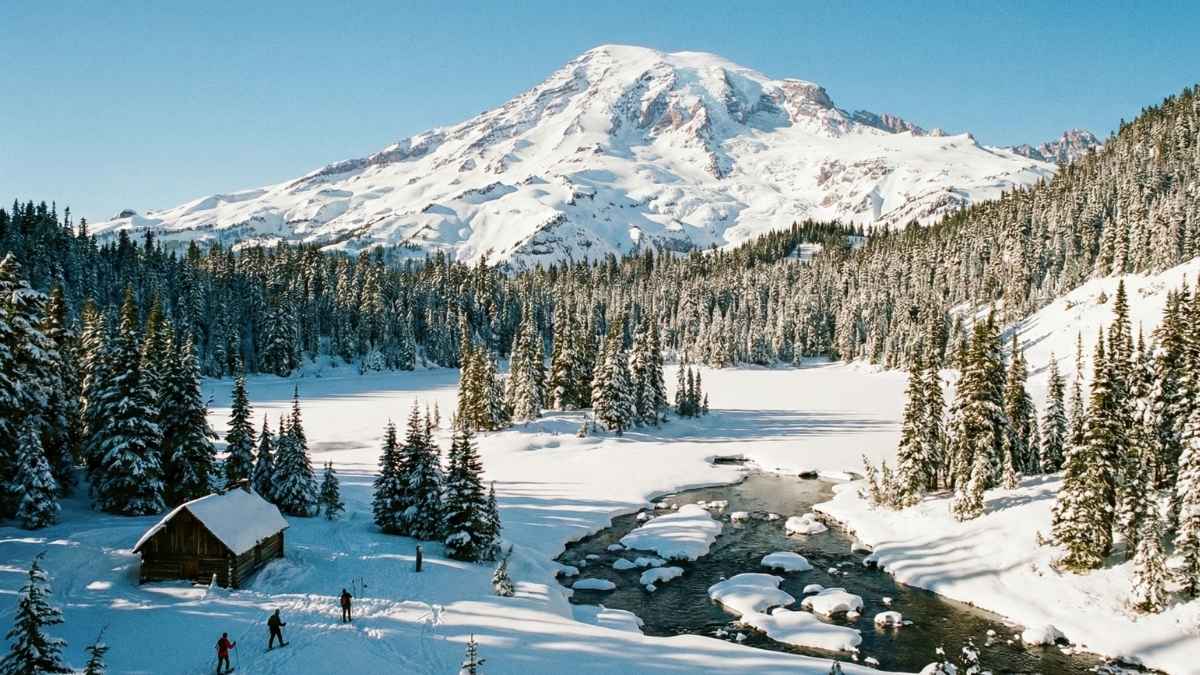
Snow transforms Mount Rainier into a peaceful alpine world, especially around Paradise and Longmire. The mountain’s massive silhouette rises above wide snowfields, and the surrounding forests turn into thick, quiet corridors of white. Winter is when Rainier feels like a true mountain park—bold, cold, and spectacularly open.
Paradise receives some of the heaviest snowfall in the United States, but that only adds to the drama. Visitors often describe the first view of Rainier in winter as unforgettable: the mountain stands crisp and imposing against bright skies, and the slopes look immaculate. Trails become snowshoe routes, and familiar paths turn into fresh, powdery adventures.
Despite all the snow, the park remains surprisingly welcoming. Roads to Paradise are regularly plowed, ranger stations offer warming spots, and the winter routes lead to sweeping views without the summer crowds. On sunny days, the mountain glows with a bluish light, making it feel almost like a scene from another planet.
Quick Facts
- Best Months to Visit: January–March
- Why It’s Better in Winter: Deep snow, dramatic peak views, clearer skies
- Winter Activities: Snowshoeing, ranger-led walks, winter hikes
- Crowd Level: Moderate to low
8. Great Smoky Mountains National Park
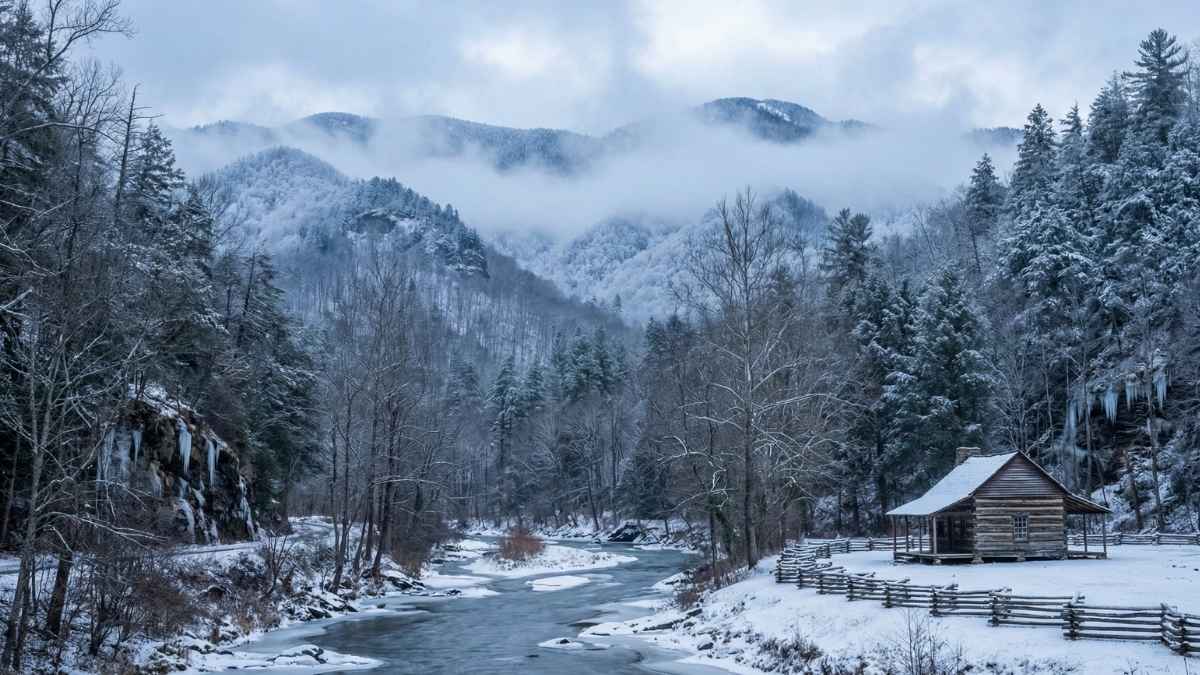
Most people only see the Smokies with lush green forests and summer haze, but winter strips the mountains back to their most honest form. Without leaves on the trees, you get huge unobstructed views across the valleys—scenery that’s hidden in every other season. The blend of frosty mornings, bare ridges, and soft winter light makes the Smokies feel quietly poetic.
Winter also brings a gentler pace to the park. Cades Cove, usually packed, becomes peaceful enough that you can pull over anywhere and just soak in the open fields dusted with snow. Wildlife becomes easier to spot, too. Deer roam the meadows, black bears occasionally wander through, and the birds stand out vividly against the muted winter backdrop.
One of the park’s winter highlights is how accessible everything stays. Roads rarely close for long, trails remain walkable, and the lower elevations are beautifully coated with frost rather than heavy snow. That mix—easy access, wide views, and quiet roads—makes the Smokies a surprisingly wonderful winter escape.
Quick Facts
- Best Months to Visit: December–February
- Why It’s Better in Winter: Leaf-free views, peaceful roads, gentle weather
- Winter Activities: Scenic drives, short hikes, wildlife watching
- Crowd Level: Low
9. Acadia National Park
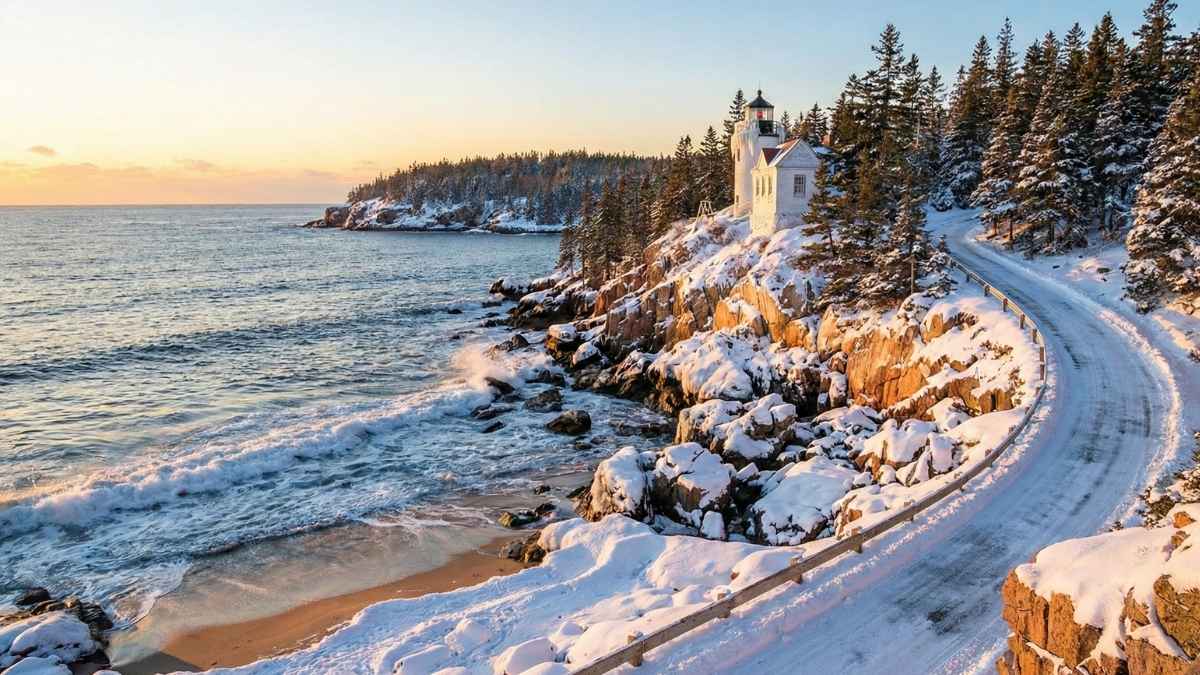
Acadia in winter has a stark, ocean-meets-snow beauty that you won’t find anywhere else on this list. The rocky Maine coastline takes on a new clarity, where waves crash against icy granite cliffs and the landscape glows under pale winter light. With far fewer visitors, the park’s favorite spots—like Sand Beach and Jordan Pond—feel still and almost meditative.
Snow-covered carriage roads offer some of the best winter exploring in the Northeast. They’re wide, quiet, and perfect for walking or snowshoeing. The forest smells sharper in the cold air, and the views over Frenchman Bay stretch farther than in summer. It’s easy to spend hours wandering without seeing more than a handful of people.
Acadia’s charm in winter comes from its simplicity. There’s no need for exhausting itineraries or long waits at iconic overlooks. Instead, you get dramatic Atlantic scenery, calm trails, and a peacefulness that wraps around the entire park. Winter feels like the season Acadia keeps for those willing to seek its quieter side.
Quick Facts
- Best Months to Visit: December–March
- Why It’s Better in Winter: Coastal snow scenery, quiet carriage roads, clear ocean views
- Winter Activities: Snowshoeing, photography, scenic coastal walks
- Crowd Level: Extremely low