
The one where you’re standing in the middle of the grocery aisle, holding a box of “Heart Healthy” crackers, squinting at the fine print, and feeling completely lost?
You aren’t alone. Honestly, I’ve been there a thousand times.
We are living in a weird moment in history. We have more “health food” options than ever before—Gluten-Free, Keto, Paleo, High-Protein—yet, collectively, our stomachs have never been more upset. We’re dealing with bloating, brain fog, and a gut microbiome that is frankly screaming for help.
Here is the hard truth that took me a long time to accept: It’s not about the calories. It’s not even really about the macros. It’s about the processing.
We aren’t just eating food anymore; we are eating what Dr. Chris van Tulleken calls “industrially produced edible substances”. These are Ultra-Processed Foods (UPFs), and they now make up about 55% of the total calories consumed by adults in the US.
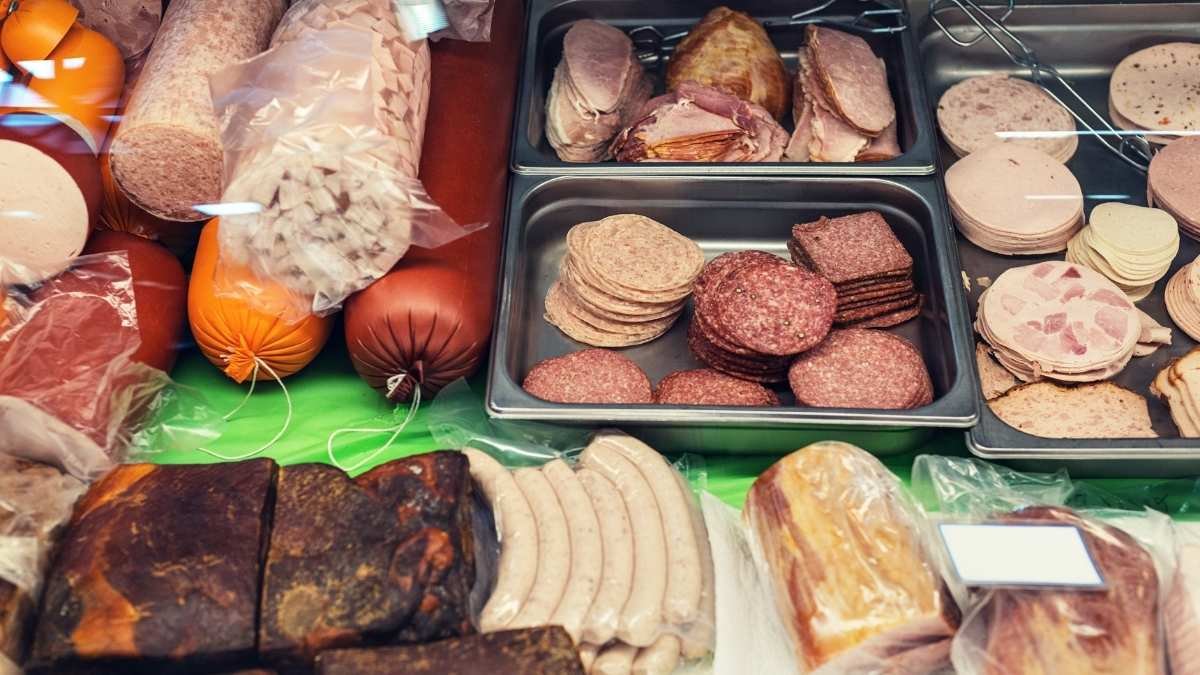
The problem isn’t that you lack willpower. The problem is that these foods are engineered to bypass your body’s natural “stop” signals and disrupt the delicate ecosystem in your gut. They destroy the “food matrix”—the complex structure of fiber and nutrients that your gut bacteria rely on—and replace it with a slurry of rapidly absorbed fuel that leaves your microbiome starving.
But here is the good news. You don’t need a PhD in biochemistry to fight back. You just need to know how to read the code.
I’ve dug through the latest research—from the effects of emulsifiers on your gut lining to the “health halos” that trick us into buying junk—and distilled it down to 11 specific clues. Think of these as your cheat codes for the grocery store.
Clue 1: The “Grandma’s Pantry” Test (Unrecognizable Ingredients)
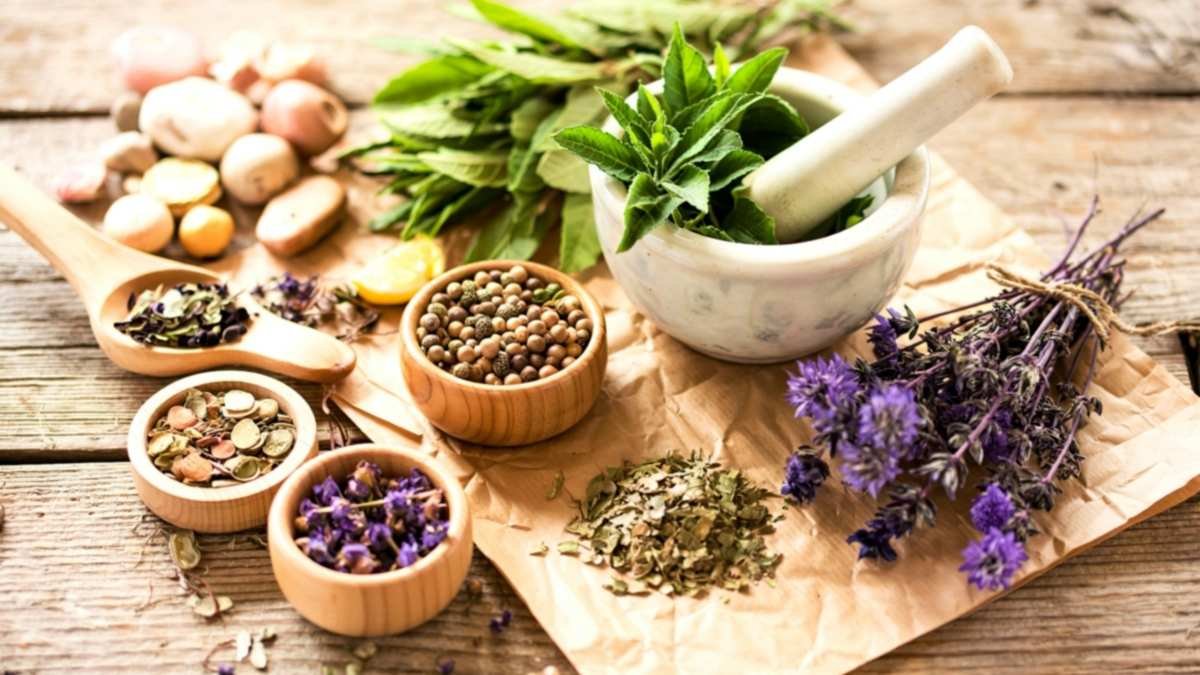
Let’s start with the most intuitive one. Dr. Kevin Hall and other researchers often use a simple definition for UPFs: If it contains ingredients you wouldn’t find in a standard home kitchen, it’s ultra-processed.
I call this the “Grandma’s Pantry” test. If you look at the label and see High-Fructose Corn Syrup, Hydrolyzed Soy Protein, or Interesterified Oil, put it back. You can’t buy a jar of “hydrolyzed isolate” at the farmer’s market.
Why your gut hates it:
These industrial ingredients are “acellular.” That means the cell walls—the fiber structure—have been obliterated. When you eat them, they don’t trickle into your system; they flood it. This causes massive blood sugar spikes and deprives your lower gut of the food it needs. It’s like trying to water a garden with a firehose; you just wash everything away.
Clue 2: The 10:1 Carb-to-Fiber Rule
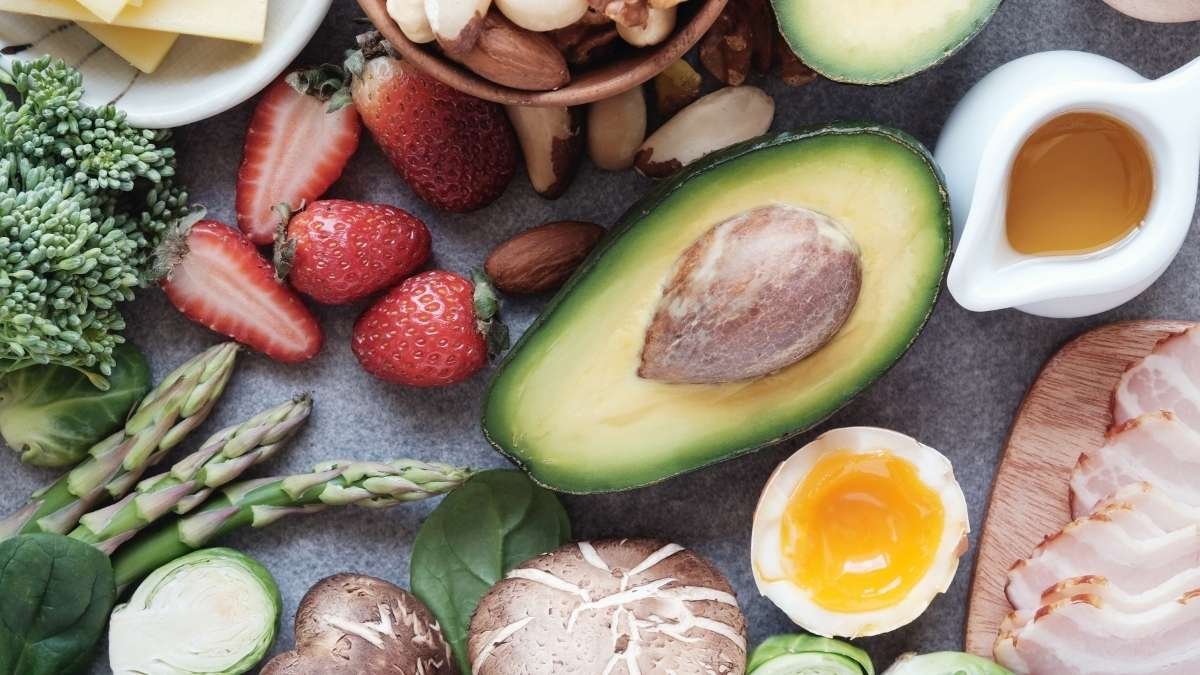
This is my favorite heuristic because it cuts through the noise of “healthy” grain products. Real food—like an apple or a grain of wheat—comes packaged with fiber. UPFs strip that fiber away.
The Rule: Look at the Total Carbohydrate and the Dietary Fiber. For every 10 grams of carbs, you want to see at least 1 gram of fiber.
- Real Food: Oatmeal (27g Carbs / 4g Fiber) = Pass.
- UPF Imposter: “Wheat” Crackers (20g Carbs / <1g Fiber) = Fail.
Why your gut needs this:
Fiber isn’t just “bulk.” It’s food for your bacteria. When you don’t feed your gut microbes fiber, they get hungry. And when they get hungry, they start eating you. Specifically, they can start eroding the mucus layer that protects your intestinal wall, leading to inflammation and increased susceptibility to pathogens.
Clue 3: The Sugar Shapeshifters

Sugar is a master of disguise. Manufacturers know you’re looking for the word “sugar,” so they break it up into different forms to hide it lower down the ingredient list. There are over 60 names for sugar.
The Clue: Look for the aliases. Agave nectar, barley malt, cane juice crystals, dextrose, fruit juice concentrate, maltose, rice syrup.
The “Gut-Brain” Hack:
Dr. Robert Lustig, a pediatric endocrinologist, argues that these processed sugars, especially fructose, hack our metabolism. They don’t trigger the “I’m full” hormone (leptin) the way real food does. Furthermore, unabsorbed sugars in the gut can draw water in (causing diarrhea) and feed the wrong kind of bacteria (like Proteobacteria), driving dysbiosis.
Clue 4: The “Detergent” Emulsifiers
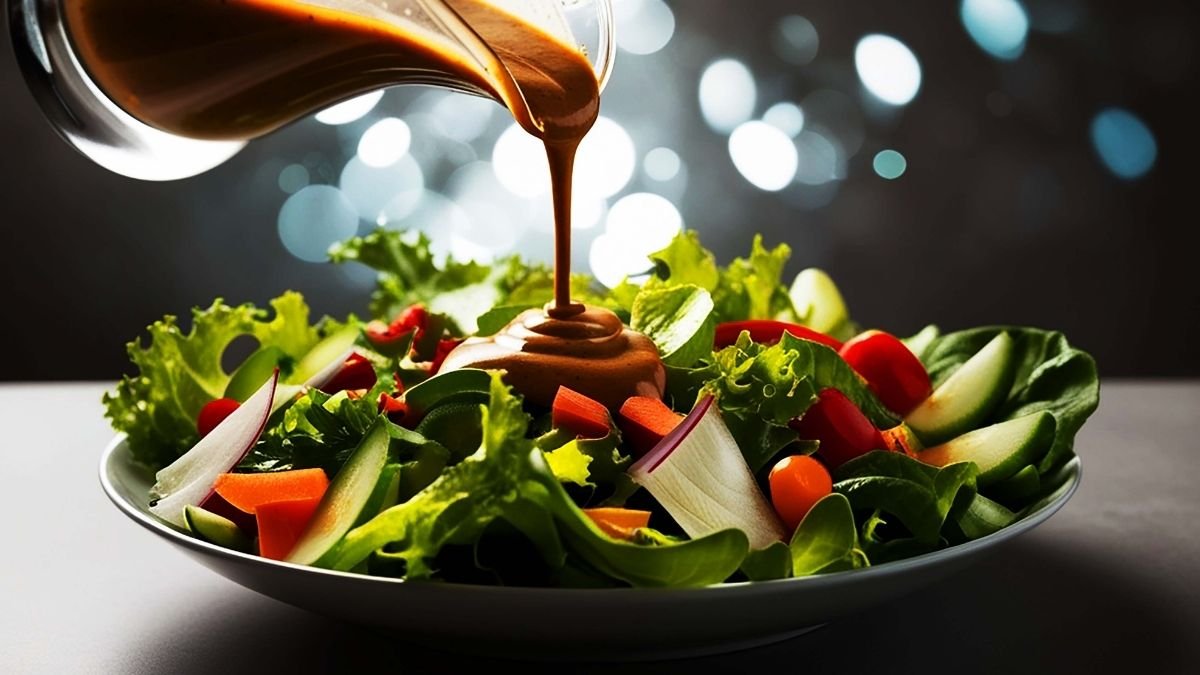
This one scares me the most. Emulsifiers are additives used to keep oil and water mixed—think of a creamy salad dressing or a smooth ice cream. But biologically, some of them act like detergents.
The Clue: Scan for Carboxymethylcellulose (CMC), Polysorbate-80 (P80), Carrageenan, and Mono- and diglycerides.
The Science:
Your gut is lined with a mucus barrier that keeps bacteria away from your immune cells. Research shows that emulsifiers like CMC and P80 can dissolve this mucus layer. It’s effectively washing away your gut’s shield, allowing bacteria to get too close and triggering chronic inflammation. Even “natural” sounding ones like Carrageenan (from seaweed) have been linked to relapses in patients with ulcerative colitis.
Clue 5: The “Gum” Paradox (Thickeners)
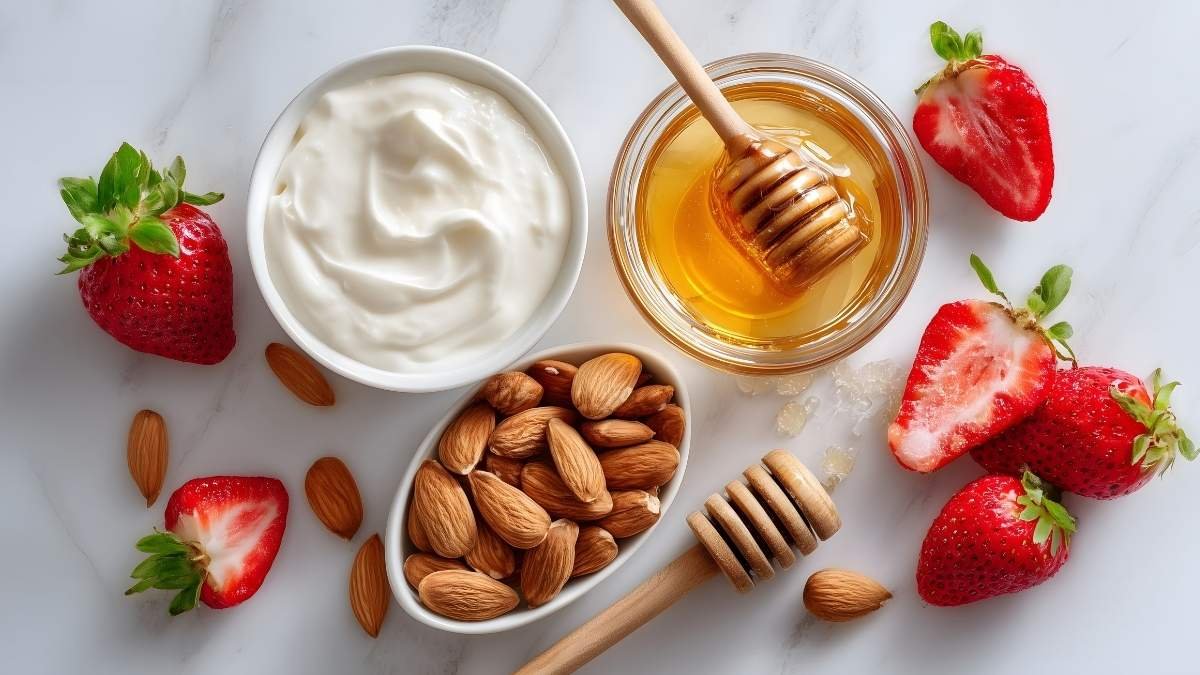
You’ll see gums in almost everything now—almond milk, gluten-free bread, yogurt. They are used to create texture where ingredients are lacking.
The Clue: Xanthan Gum, Guar Gum, Locust Bean Gum.
The Nuance:
This isn’t black and white. Some gums, like Guar Gum, can actually act as a prebiotic (food for good bacteria). However, Xanthan Gum is a bit different. A recent study found that our gut microbiomes are actually evolving to digest Xanthan Gum, creating a new niche of bacteria that didn’t exist in our ancestors. While not inherently toxic, it’s a sign that we are fundamentally altering our internal ecosystem.
My take: If I see gum in a “creamy” soup, I ask myself: “Why isn’t this creamy from, you know, cream or pureed veggies?” It’s usually a sign of cutting corners.
Clue 6: The Starch Modification (Maltodextrin)
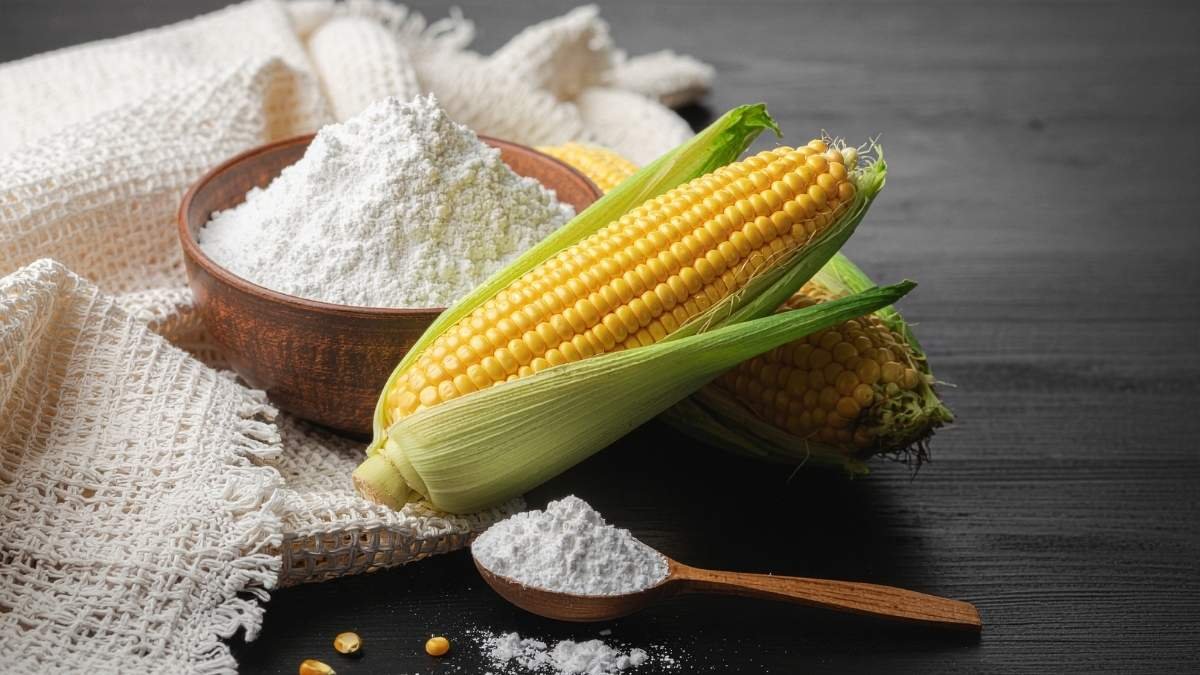
Maltodextrin is a white powder used as a filler and thickener. It’s cheap, tasteless, and everywhere.
The Clue: Maltodextrin, Modified Corn Starch.
Why it matters:
Despite not being sweet, Maltodextrin has a higher Glycemic Index than table sugar. It spikes your blood glucose rapidly. Even worse for the gut, research suggests it can promote the formation of biofilms—basically, sticky shields that harmful bacteria use to protect themselves from your immune system. This has been specifically linked to the type of bacteria found in Crohn’s disease.
Clue 7: The Sweetener Trap (Artificial Sweeteners)
We’ve been told for decades that “Diet” soda is the healthy choice. The science suggests otherwise.
The Clue: Sucralose, Aspartame, Saccharin, Acesulfame K.
The Discovery:
Just because it has zero calories doesn’t mean it has zero effect. These molecules are biologically active. Studies indicate they can alter the gut microbiome and potentially disrupt “quorum sensing”—the way bacteria communicate with each other. A 2024 study even found that aspartame consumption could enrich bacterial pathways involved in producing toxins in the small intestine.
Also, watch out for sugar alcohols like Sorbitol and Maltitol. They are notorious for causing bloating and gas because they ferment rapidly in the gut.
Clue 8: The Flavor Mirage (“Natural Flavors”)

“Natural Flavor” is the fourth most common ingredient on food labels. It sounds innocent, right?
The Clue: “Natural Flavor” or “Artificial Flavor.”
The Reality:
The term “Natural Flavor” just means the chemical originated from a natural source. It doesn’t mean the final product is natural. It can contain solvents and preservatives. But the real issue is the Gut-Brain disconnect. These flavors trick your brain into thinking you’re getting nutrition (like the taste of a strawberry) without the actual nutrients. This confuses your satiety signaling, keeping you hungry and driving you to eat more.
Clue 9: The Colorant Warning

Why does a pickle need to be neon green? Why does a cherry need to be fire-engine red?
The Clue: Red 40, Yellow 5, Yellow 6, Blue 1, Titanium Dioxide.
The Risk:
These are purely cosmetic. They serve no nutritional purpose. Research from the Center for Colon Cancer Research suggests that Red 40 and Yellow 5 can cause DNA damage and trigger inflammation in the colon. Titanium Dioxide (often used to make things white, like ranch dressing) is actually banned in the EU as a food additive due to safety concerns, but it’s still in US food.
Clue 10: The “Health Halo” Discrepancy
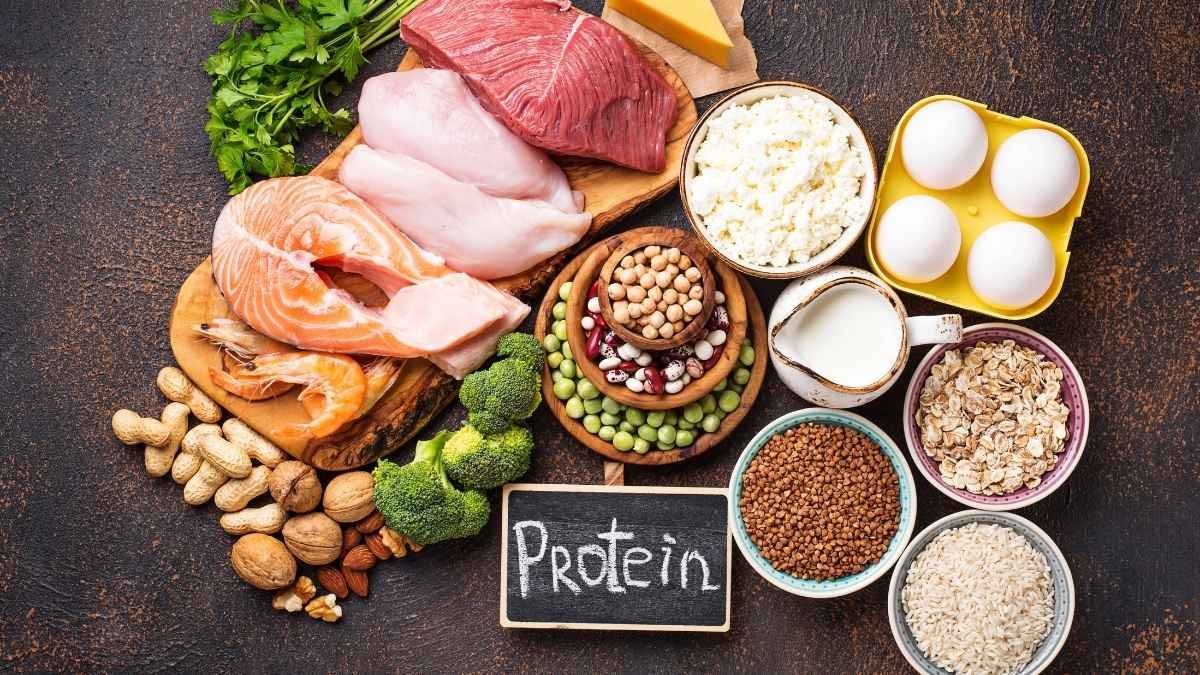
This is the psychological trap. The more a package screams about how healthy it is, the more skeptical you should be.
The Clue: Big bold claims like “Low Fat,” “High Protein,” “Gluten-Free,” or “Keto-Friendly” on the front of the box.
The Truth:
To make a cookie “low-fat,” they usually replace the fat with sugar and gums. To make a bread “gluten-free,” they often use refined starches (tapioca/potato) and emulsifiers to mimic the texture of gluten. You end up with a product that is more processed than the original. It’s a “health halo” designed to make you ignore the ingredient list.
Clue 11: The “Squish” Factor (Texture)
This final clue doesn’t require reading. It requires feeling.
The Clue: Does the food melt in your mouth? Can you eat it without really chewing?
The Mechanism:
UPFs are often “pre-chewed” by industrial extruders. They are soft. Think of a cheese puff vs. a raw carrot. When you eat soft, ultra-processed food, you eat it fast. This bypasses the “cephalic phase” of digestion, where chewing signals your stomach to prepare acid. It also means you consume calories faster than your hormones can tell your brain, “I’m full.” It’s a recipe for overeating and indigestion.
So, What Do We Eat? (The “Calmer Gut” Strategy)
Look, I’m not saying you have to move to a farm and grind your own wheat. Perfection is the enemy of good. The goal is to crowd out the industrial additives with real food.
Here is a cheat sheet of swaps that I use to keep my gut happy without losing my mind:
🚨 Ditch the UPFs: Gut-Friendly Swaps for Better Health 🌿
| The Trap (UPF) | The Red Flags (Ingredients) | The Gut-Friendly Swap | Why It Works (For Your Gut) |
|---|---|---|---|
| Fruit Yogurt | HFCS, Red 40, “Natural Flavors” | Plain Greek Yogurt + Honey + Berries | You get real probiotics without the inflammatory dyes, artificial sweeteners, and thickeners. |
| Standard Bread | Dough conditioners (DATEM), Sugar, Preservatives | Sourdough (Flour, Water, Salt) | Traditional fermentation breaks down gluten and requires no industrial additives or preservatives. |
| “Healthy” Cereal | BHT, Yellow 5, Sugar aliases, Protein Isolates | Overnight Oats or Steel Cut Oats | Maintains the natural fiber matrix to directly feed your beneficial gut microbiome. |
| Protein Bars | Soy Protein Isolate, Maltitol, Artificial Sweeteners | Nuts & Fruit or Homemade Bars | Provides real fiber structure; avoids sugar alcohol bloating and highly processed protein isolates. |
| Plant-Based Meat | Methylcellulose, Protein Isolate, Yeast Extract, High Sodium | Lentils, Beans, Tempeh | You get a whole food matrix vs. an industrial “puck” of isolated proteins, binders, and excessive sodium. |
| Diet Soda | Aspartame, Sucralose, Caramel Color, Phosphoric Acid | Sparkling Water + Lemon or Kombucha | Kombucha adds beneficial acids/probiotics; avoids neuro-active artificial sweeteners and gut-disrupting dyes. |
| Salad Dressing | Soybean Oil, Xanthan Gum, EDTA, Artificial Flavors | Olive Oil + Vinegar + Mustard/Herbs | High-quality fats; avoids inflammatory oils and “detergent” emulsifiers that can strip gut mucus. |
5 Tools That Make Quitting UPF Easier
You don’t need more willpower; you need better infrastructure. The reason we grab ultra-processed food is usually friction—it’s just easier to buy the carton of almond milk or the box of cereal than to make the real version. But if you have the right tools, the “hard way” suddenly becomes the easy way.
I’ve found that swapping out industrial food requires a few strategic pieces of hardware. Think of these not as kitchen gadgets, but as your defensive perimeter against the food industry. These five items pay for themselves by letting you skip the expensive, additive-laden aisles and create higher-quality staples at home with almost zero effort.
1. The “Fizzy Water” Fix: SodaStream Terra
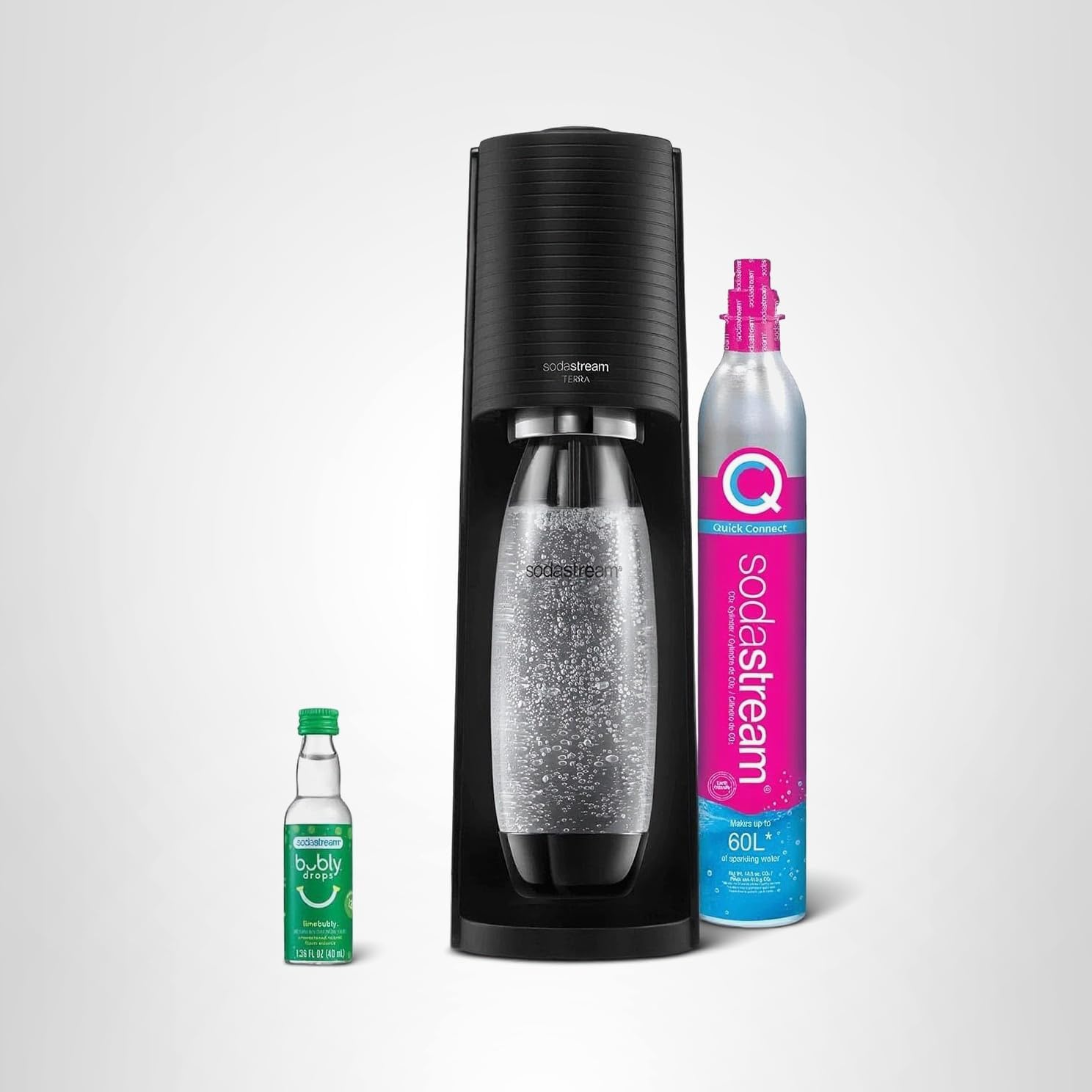
If you are trying to kick a soda habit (diet or regular), you know that you often just crave the “burn” of carbonation. This machine lets you manufacture that sensation at home without the phosphoric acid, caramel color, or aspartame. I use mine to turn plain tap water into sparkling water, then squeeze in a fresh lime or some muddled berries. It’s cheaper than LaCroix, produces zero plastic waste, and gives you total control over what you drink.
2. The Emulsifier Shield: Ellie’s Best Pro Nut Milk Bag

Store-bought plant milks are notorious for hiding gums (Xanthan, Guar) and emulsifiers (Lecithin) to simulate creaminess. The “Kitchen Test” solution is to blend raw almonds or cashews with water and strain it. This specific bag is the gold standard because it’s made of fine nylon mesh that doesn’t rip under pressure (unlike cheesecloth), giving you silky smooth milk in about 2 minutes. You get the healthy fats without the gut-irritating sludge.
3. The Anti-Chorleywood Kit: Sourdough Starter Set

Industrial bread is chemically accelerated to rise in minutes. Real sourdough takes time, which allows wild yeast to break down the gluten and antinutrients, making it much gentler on the gut. If you’ve been intimidated to start, a kit like this bridges the gap. It includes the “Banneton” (basket) that gives the loaf its shape and the “Lame” (blade) for scoring. It turns bread-making from a mystery into a manageable weekend ritual.
4. The Morning Autopilot: Glass Overnight Oats Containers

Breakfast cereal is the first place many of us get hit with UPFs. The “Overnight Oats” method destroys this trap. By soaking oats, chia seeds, and fruit in milk (from your nut bag!) overnight, you create a pre-digested, high-fiber meal that is ready the moment you wake up. These jars are perfect because they have wide mouths for easy eating and airtight lids to keep your prep fresh for days. It removes the “I’m in a rush” excuse that leads to a bagel.
5. The Manual: Ultra-Processed People by Chris van Tulleken

If you only buy one thing, make it this book. Dr. van Tulleken doesn’t just tell you what to eat; he explains how the food industry hacks our biology to override our “off switches.” Reading this is like seeing the Matrix code. Once you understand the economic incentives behind the additives, you won’t feel deprived when you skip the Doritos; you’ll feel empowered. It’s the software upgrade your brain needs to navigate the supermarket.
The Bottom Line
When you walk into the grocery store next time, take a deep breath. Ignore the bright colors and the “High Fiber” bursts on the front of the box. Flip it over.
Use the Kitchen Test. Count the ingredients. Check the fiber math.
Every time you choose a food that is a product of nature rather than a product of industry, you are sending a signal of safety to your body. You are rebuilding your gut barrier, feeding the good bacteria, and lowering inflammation.
It’s not about restriction; it’s about respect—for your body and the complex biology that keeps you alive. Trust your gut. It knows the difference.