Slow Travel Hotspots: 12 Places Where Staying a Month Costs Less Than a Week in Paris – Unbelievably Affordable Escapes

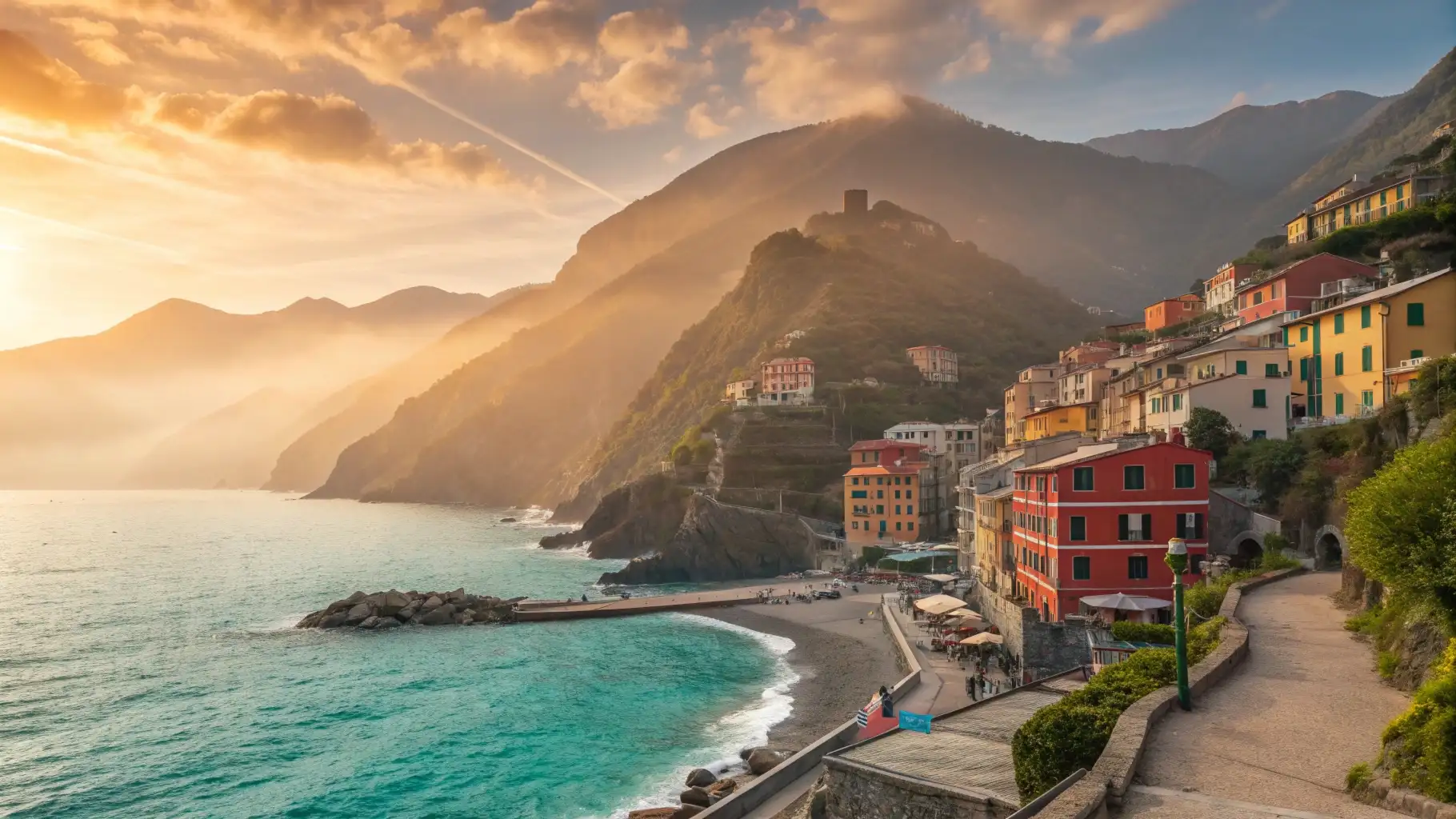
Some places shift you with bold stillness, where slow mornings, warm street sounds, and unhurried days feel like a reset you didn’t know you needed.
You’ve felt that pull before — the urge to swap rushed itineraries for deeper connection, to linger long enough that a city’s rhythm quietly becomes your own. With travel costs climbing, discovering destinations where an entire month costs less than a quick Paris getaway feels almost unreal, yet incredibly timely.
And the beauty is these places offer more than savings — they offer quiet transformation. Stay with me — the next twelve spots might just reshape how you want to travel.
1. Chiang Mai, Thailand
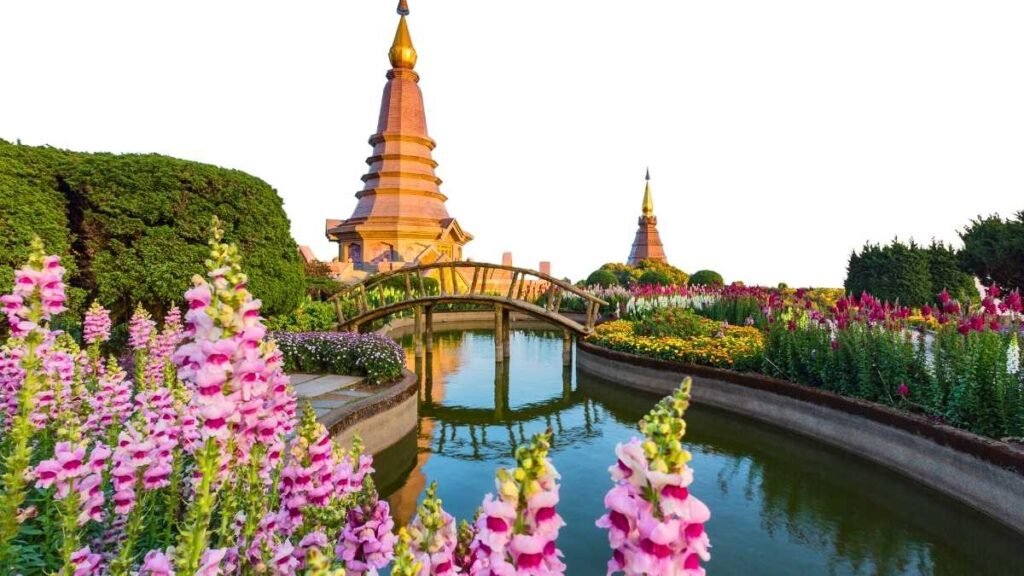
Chiang Mai blends culture, nature, and affordability in a way that makes slow travel almost effortless. Monthly living costs land around USD 780 (excluding rent) in late 2025, which is extremely low compared to major European cities. You settle in quickly here — morning coffee runs, temple wanderings, creative cafés, and night markets that make the city feel lived-in rather than “visited.” The pace is calm enough that you naturally fall into routines, which is exactly what slow travellers want.
What keeps people lingering is the balance between city comforts and easy escapes. Within an hour you can reach waterfalls, mountain viewpoints, quiet villages, and forest cafés. The mix of spiritual sites, mountain air, good food, and a strong remote-worker scene gives Chiang Mai a grounding energy that makes a month (or more) feel just right.
Key Practical Info
- Peak/Off-peak seasons: Best from Nov–Feb (cool, dry). March–April gets smoky. May–Oct brings short monsoon bursts.
- How to reach & explore: Fly into CNX. Use Grab, scooters, or walk inside the Old City.
- Ideal duration: One month.
- Must-try experiences: Doi Suthep sunrise, Thai cooking classes, Sunday Walking Street, mountain cafés.
- Budget: Rent USD 400–600/month; meals under USD 5.
- Cultural etiquette: Dress modestly at temples, remove shoes, avoid touching heads.
- Photo spots: Old City moat at golden hour, mountain viewpoints, waterfalls.
2. Oaxaca City, Mexico
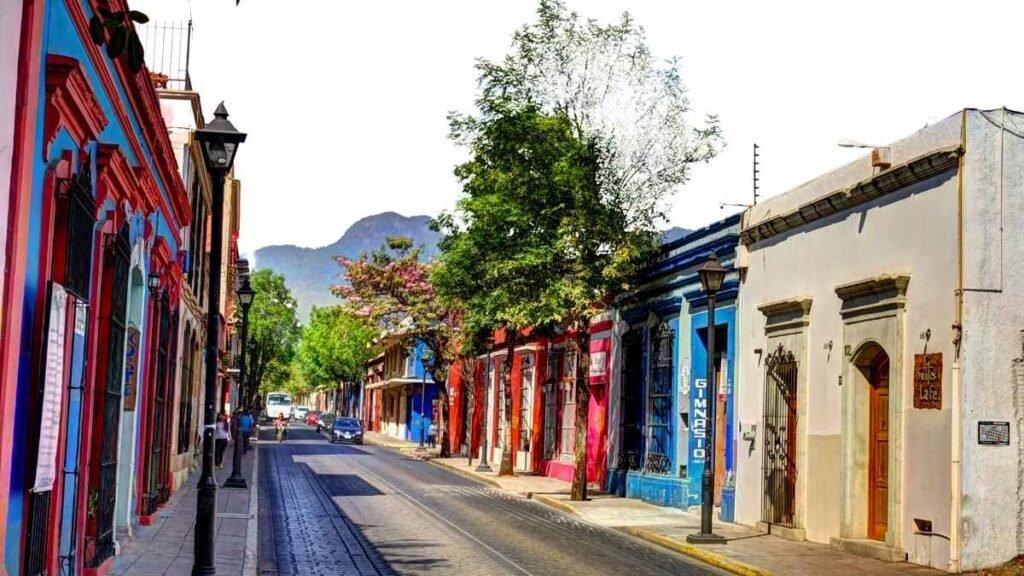
Oaxaca shines with bold colours, Indigenous traditions, and one of the richest food cultures in Mexico. Long-stay budgets average around USD 1,100 per month (excluding rent). Staying longer lets you settle into the city’s rhythm — morning pastries, craft-filled markets, Spanish classes, mezcal tastings, and evening strolls through lively plazas. The more time you give the city, the more depth you uncover.
The surrounding region adds even more value to slow travel. From Hierve el Agua’s petrified waterfalls to agave fields, artisan towns, and ancient ruins, weekends become meaningful mini-journeys. Oaxaca rewards unhurried exploration because the culture unfolds naturally the longer you stay.
Key Practical Info
- Peak/Off-peak seasons: Dec–Feb (dry, pleasant). Summer hot/rainy; March & Sept are great shoulder months.
- How to reach & explore: Fly into OAX or bus from Mexico City. Walkable centre; hire drivers for nearby villages.
- Ideal duration: Four weeks.
- Must-try experiences: Tlacolula market, mezcal farms, Hierve el Agua, mole cooking workshops.
- Budget: Rent USD 600–900/month; meals USD 3–8.
- Cultural etiquette: Learn basic Spanish; ask permission for photos of people; respect Indigenous communities.
- Photo spots: Santo Domingo at sunset, colourful markets, agave fields.
3. Tbilisi, Georgia
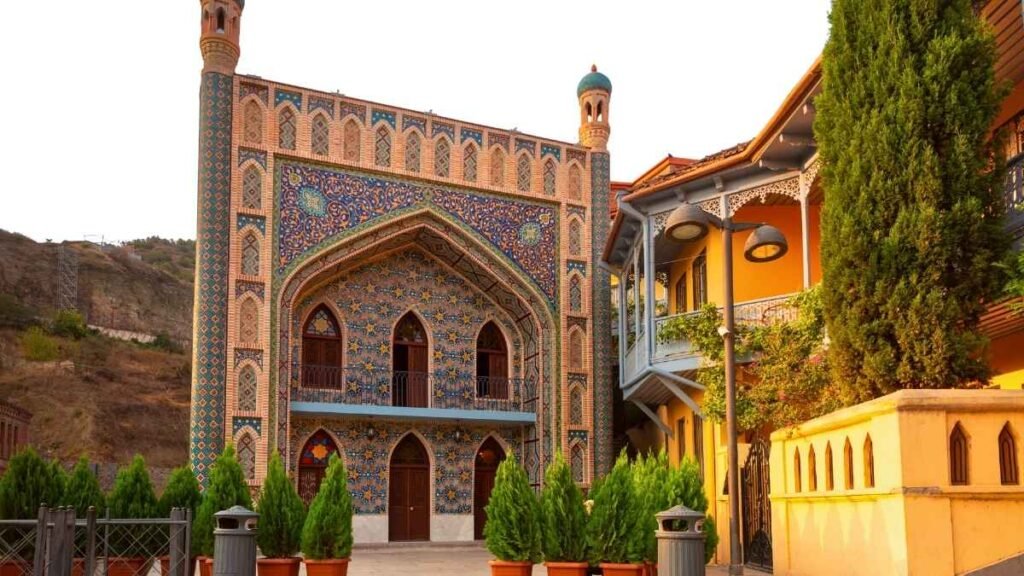
Tbilisi feels like the perfect crossroads between Europe and Asia — crooked old-town alleys, modern cafés, sulphur baths, and striking hilltop views. Monthly costs average around USD 620 (excluding rent), letting slow travellers stretch their budget easily. Staying a month gives you space to understand Georgian hospitality, food traditions, and everyday life.
The beauty of Tbilisi is how quickly you can trade the city for incredible countryside. Wine country, monasteries perched on cliffs, and mountain towns are all within weekend-trip range. It’s a place where walking steep streets, sharing long meals, and exploring neighbourhoods becomes just as meaningful as the major attractions.
Key Practical Info
- Peak/Off-peak seasons: Best in May–June & September. Summers hot; winters cold.
- How to reach & explore: Fly into TBS. Use metro, buses, or walk through the old town.
- Ideal duration: 3–5 weeks.
- Must-try experiences: Sulphur baths, Kakheti wine region, Mtatsminda funicular.
- Budget: Rent USD 300–600/month; meals USD 5–15.
- Cultural etiquette: Respect church customs; join in toasts when welcomed.
- Photo spots: Narikala Fortress, balconies of the old town, vineyards at golden hour.
4. Da Nang, Vietnam
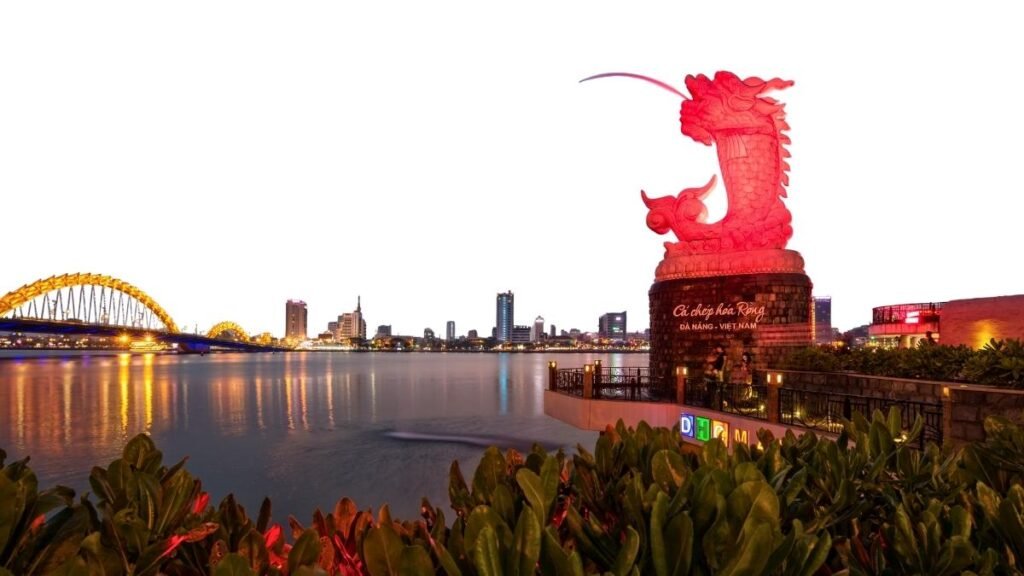
Da Nang combines beach living with modern infrastructure at a price that’s surprisingly low. Monthly costs sit around USD 418 (excluding rent), making it a favourite long-stay choice. Your days tend to fall into a comfortable flow — sunrise walks on My Khe Beach, café work sessions, street-food dinners, and chilled evenings along the river. It’s simple, calm, and easy to settle into.
Its location also gives you impressive day-trip variety. Hoi An, Marble Mountains, Son Tra Peninsula, and Ba Na Hills are all close, so weekends stay exciting without ever feeling rushed. Da Nang makes slow travel feel balanced — part beach retreat, part modern city base.
Key Practical Info
- Peak/Off-peak seasons: Feb–May ideal; Sept–Dec monsoon rains.
- How to reach & explore: Fly into DAD. Move around via Grab, scooters, or taxis.
- Ideal duration: One month.
- Must-try experiences: Dragon Bridge fire show, Marble Mountains, Hoi An trips.
- Budget: Rent USD 300–500/month; meals USD 2–6.
- Cultural etiquette: Dress modestly at temples; helmets required on scooters.
- Photo spots: Sunrise at My Khe, Dragon Bridge at dusk, Son Tra viewpoints.
5. Granada, Nicaragua
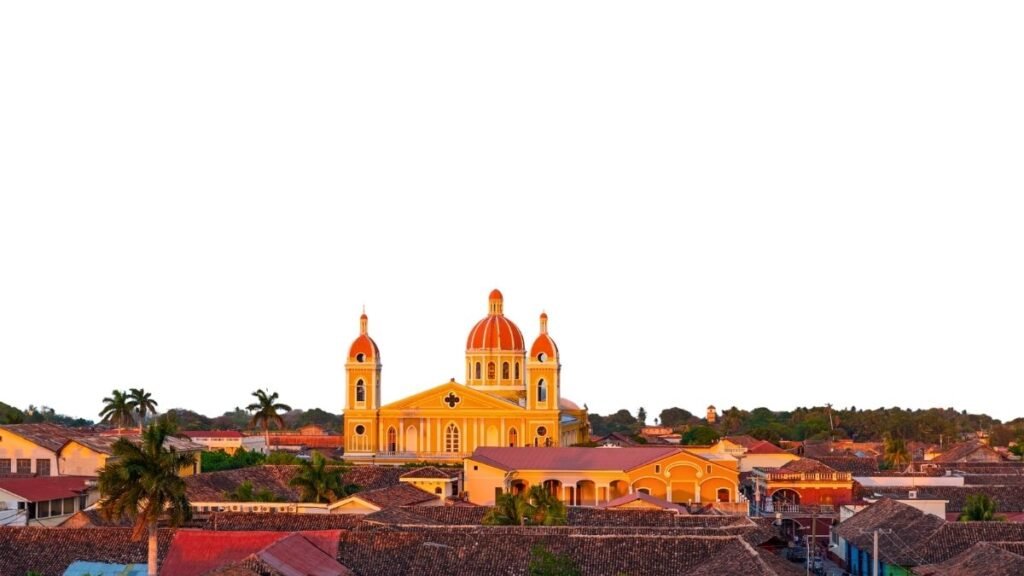
Granada offers colonial architecture, warm lake breezes, and a laid-back pace that’s perfect for long stays. One-month budgets usually fall under USD 1,000–1,200, giving you freedom to sink into local life — morning fruit stalls, colourful streets, casual Spanish practice, and evenings in the plaza. The slow pace is refreshing rather than boring.
Nature adds another layer to the experience. Mombacho Volcano, cloud forests, lake islands, and peaceful rural views are all nearby. The longer you stay, the more meaningful the small routines become — local cafés, calm lake afternoons, and low-key adventures that define slow travel.
Key Practical Info
- Peak/Off-peak seasons: Nov–Apr dry season ideal; May–Oct rainy but manageable.
- How to reach & explore: Fly into Managua (MGA) then drive 45–60 mins. Walk or take tuk-tuks locally.
- Ideal duration: 4–6 weeks.
- Must-try experiences: Lake islands boat tours, Mombacho Cloud Forest, colonial-city walks.
- Budget: Rent USD 400–700/month; meals USD 3–8.
- Cultural etiquette: Basic Spanish helps; be polite; ask before taking photos.
- Photo spots: Cathedral rooftops, lake sunsets, volcano viewpoints.
6. Lviv, Ukraine
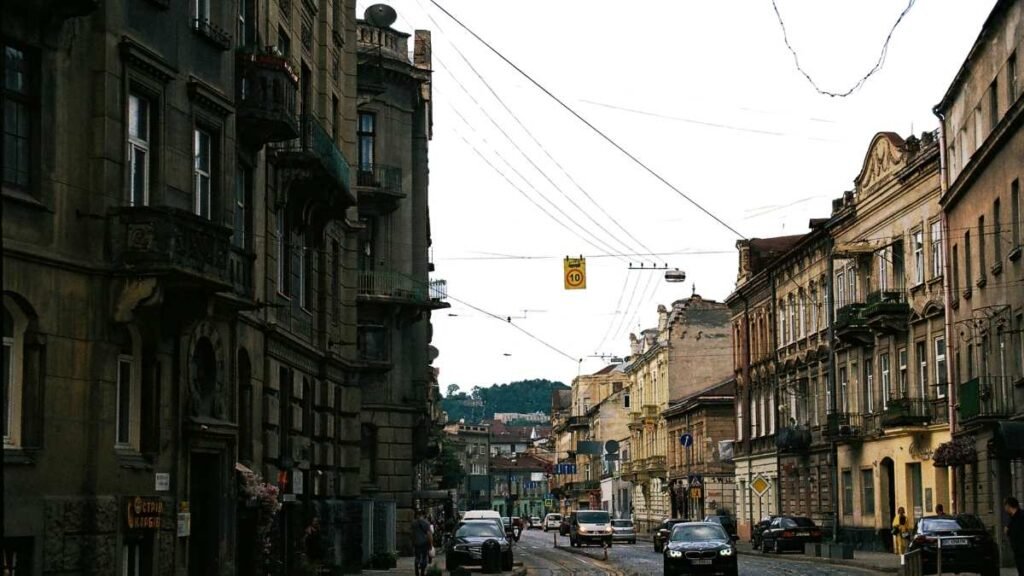
Lviv has this soft, steady charm that grows on you day by day. The city blends café culture, cobblestone streets, and a creative undercurrent that feels surprisingly modern beneath its old-world exterior. What really makes Lviv special for slow travellers is how naturally life flows here — long coffees in historic cafés, street violinists in Rynok Square, pastry stops that become part of your routine. Costs stay far below Western Europe, so a month doesn’t feel like a splurge.
There’s a resilience and warmth to Lviv that makes it emotionally richer than most European cities. You’ll see families gathering in squares, students debating outside bookshops, and artists filling old courtyards with new ideas. A month gives you the chance to feel those layers rather than just observe them.
Key Practical Info
- Weather: Spring and early autumn most pleasant.
- Getting around: Walkable centre; trams are cheap and easy.
- Living costs: Affordable rent, cafés, and day-to-day expenses.
- What to explore: Hidden courtyards, Lychakiv Cemetery, jazz bars.
- Food culture: Chocolate shops, traditional Ukrainian bakeries, themed cafés.
- Weekend trips: Carpathian Mountains, nearby castles.
7. Penang (George Town), Malaysia
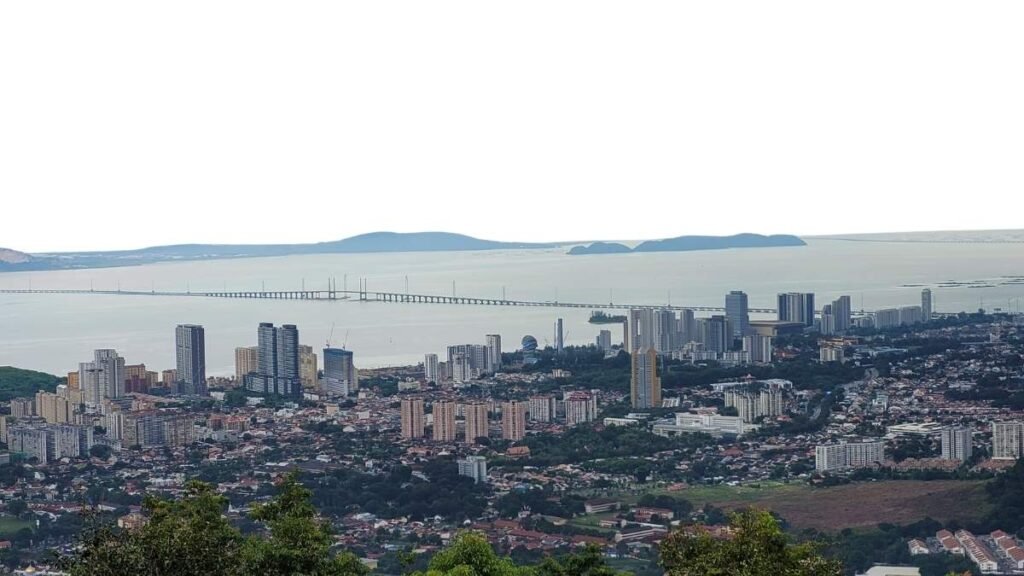
George Town is a city you end up tasting more than touring. Slow travel fits perfectly because the deeper you stay, the more you notice — the smoky char of wok-fried noodles, the fusion flavours of Nyonya cooking, the way heritage shophouses hide tiny but incredible cafés. Costs stay reasonable, especially if you lean into local hawker meals.
What people don’t expect is the growing creative scene: art studios, independent galleries, and workshops you only discover by spending time here. By week three, you aren’t mural-hunting like a visitor — you’re recognising neighbourhood rhythms, chatting with stall owners, and settling into Penang’s small-city warmth.
Key Practical Info
- Best season feel: Dry mornings for food walks; rainy afternoons for cafés.
- Getting around: Walk George Town; buses or Grab for longer routes.
- Renting: Heritage areas pricier; suburbs like Pulau Tikus offer better monthly rates.
- What to experience: Clan Jetties at sunrise, night markets, local workshops.
- Food musts: Char kway teow, Nasi Kandar, Nyonya cuisine tastings.
- Side trips: Penang Hill, Balik Pulau villages.
8. Medellín, Colombia
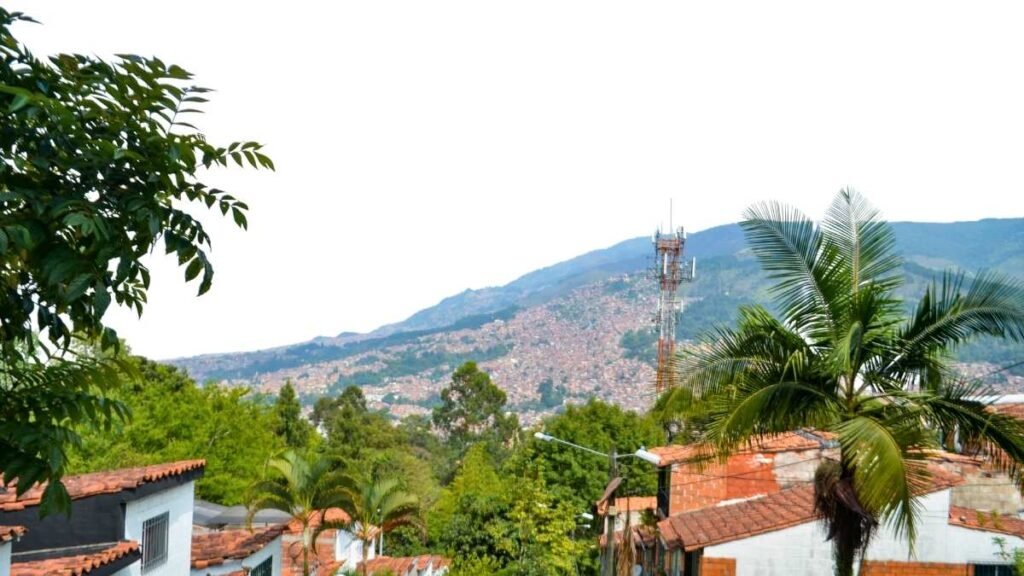
Medellín feels built for long stays with its eternal-spring climate, green hillsides, and friendly neighbourhoods. Stay here longer than a week and you’ll notice how community life shapes the city — families dancing in parks, vendors calling regulars by name, and neighbours chatting across balconies. The metro and cable-car system makes the whole valley feel accessible.
The deeper angle is Medellín’s forward-facing spirit. There’s a mix of tech, art, and community innovation that you really only feel when you stay a month. Small social circles form quickly, coworking is everywhere, and each neighbourhood — Laureles, Envigado, El Poblado — has its own personality.
Key Practical Info
- Climate: Pleasant year-round — never extreme.
- Transportation: Metro + cable cars for the valley; taxis affordable.
- Where to stay: Laureles for calm, Poblado for cafés, Envigado for local life.
- Local experiences: Fruit markets, dance nights, free walking tours.
- Weekend escapes: Guatapé, Santa Fe de Antioquia.
- Dining: Bandeja paisa, fresh juices, modern Colombian cafés.
9. Košice, Slovakia
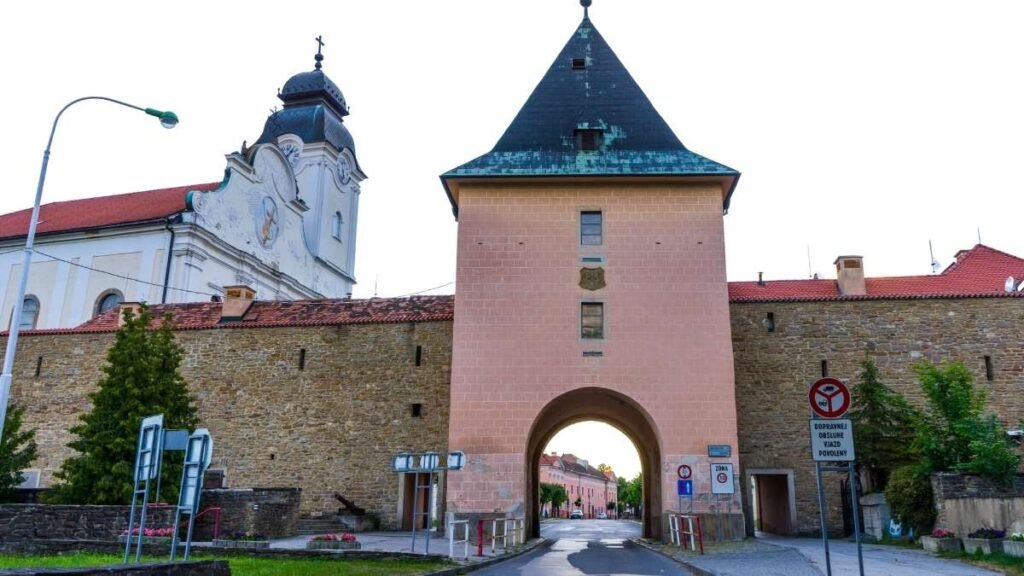
Košice is one of Eastern Europe’s most overlooked gems — quiet, elegant, and deeply livable. Its historic centre feels more like a neighbourhood than a tourist area, which is exactly why slow travellers fall for it. With costs lower than most of Europe and a peaceful vibe, staying a month feels surprisingly natural.
The best part is the everyday simplicity: reading in tree-lined squares, chatting with baristas who remember you, and walking through gothic streets that stay calm even in peak season. It’s a place where you can think, create, or just be.
Key Practical Info
- Seasonal mood: Spring blossoms; autumn golden and cinematic.
- Transportation: Walk nearly everywhere; trams fill the gaps.
- Affordability: Good rental prices; cafés suited for remote work.
- Local gems: Tabačka Kulturfabrik, craft beer, quiet parks.
- Food scene: Slovak pastries, hearty soups, wine from Tokaj region.
- Nearby adventures: Slovak Paradise National Park, Spiš Castle.
10. Cuenca, Ecuador
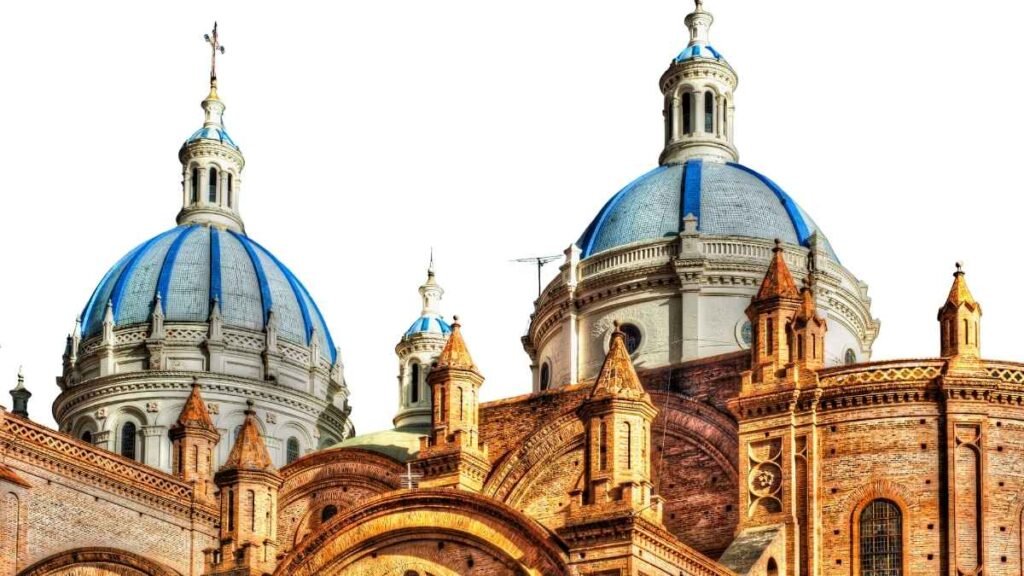
Cuenca’s river pathways, Andean breezes, and Spanish-colonial streets make slow travel feel instinctive. The city moves at an unhurried pace — long lunches, quiet plazas, and cool evenings perfect for walking. What surprises most travellers is how restorative daily life feels here once you settle in for a few weeks.
A lesser-known perk is how close Cuenca sits to gentle nature escapes. Cajas National Park has lakes, mossy trails, and misty viewpoints that make weekend trips feel calming rather than intense. It’s the kind of city where you can balance creativity, rest, and soft adventure.
Key Practical Info
- Daily rhythm: Cool, bright mornings; slow afternoons; crisp evenings.
- Transport: Easy trams and taxis; historic centre walkable.
- Cost advantage: Fresh markets keep groceries low; rent affordable.
- Things worth doing: Riverside cafés, Cajas National Park, hat artisans.
- Food culture: Hornado, trout dishes, local bakeries.
- Nearby options: Gualaceo towns, waterfall trails.
11. Brasov, Romania
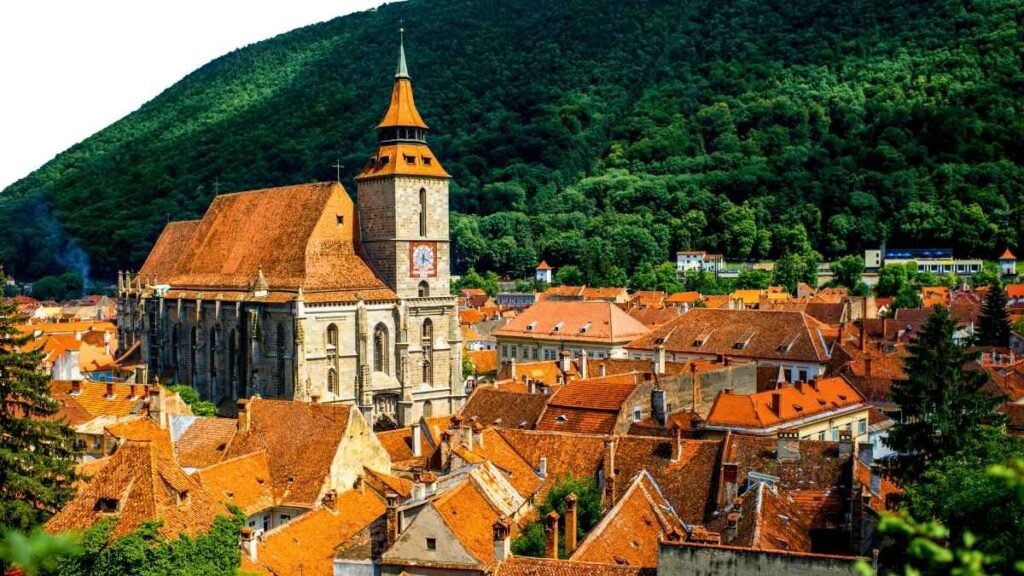
Brasov mixes medieval architecture, mountain views, and a peaceful pace that makes slow travel actually feel slow. Walkable streets, crisp air, and forests just minutes from the city give you the perfect balance between culture and nature. After a few weeks you start finding “your” favourite bakery, “your” quiet viewpoint, “your” forest trail.
What sets Brasov apart is how easily it gives you breathing room. It’s scenic without being crowded, relaxed without being sleepy. You can spend mornings in cafés, afternoons on mountain trails, and evenings in the old town — all without rushing.
Key Practical Info
- Nature access: Trails start within the city; Tampa Mountain is steps away.
- Transport: Simple bus network; trains reach nearby castles.
- Monthly comfort: Rent stays reasonable; cafés offer good Wi-Fi.
- Experiences to try: Autumn forest walks, winter snow views, Bran & Peleș castles.
- Food finds: Transylvanian soups, chimney cakes, hearty stews.
- Nearby escapes: Rasnov Fortress, Poiana Brasov ski area.
12. Antalya, Türkiye
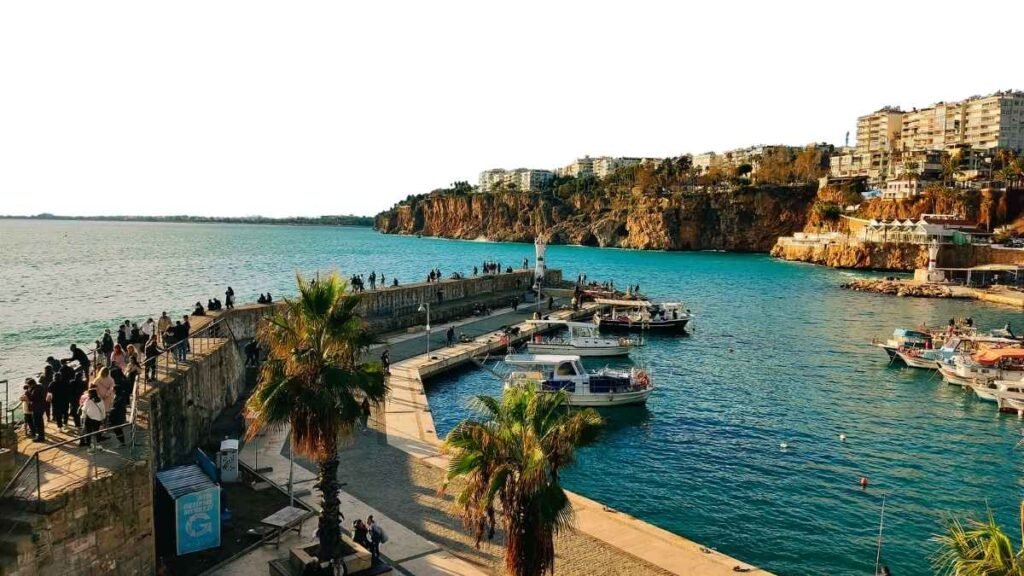
Antalya often gets boxed into its beach-resort image, but slow travellers get a totally different version of the city. Stay longer and you’ll notice quiet old harbour mornings, neighbourhood markets, blue-hour coastal walks, and ancient sites that locals casually pass every day. The Mediterranean pace slows you down in the best way.
The real magic is how varied the region is. One day you’re exploring Roman ruins, the next you’re hiking a mountain trail, and the next you’re swimming in a calm bay with almost no one around. Antalya lets you tune your month to any mood — restful, adventurous, or mixed.
Key Practical Info
- Weather flow: Spring and autumn ideal; summers hot; winters mild.
- Transport: Reliable trams and buses; long coastal walks.
- Affordability: Plenty of monthly rentals; markets keep food costs low.
- Must-do moments: Boat day, Düden Waterfalls, ancient Perge.
- Cultural touches: Tea gardens, bazaars, neighbourhood bakeries.
- Nearby escapes: Termessos, Olympos, Cirali beaches.