Inflation-Proof Vacation: 14 Destinations Where Your Dollar Still Goes Ridiculously Far in 2026.

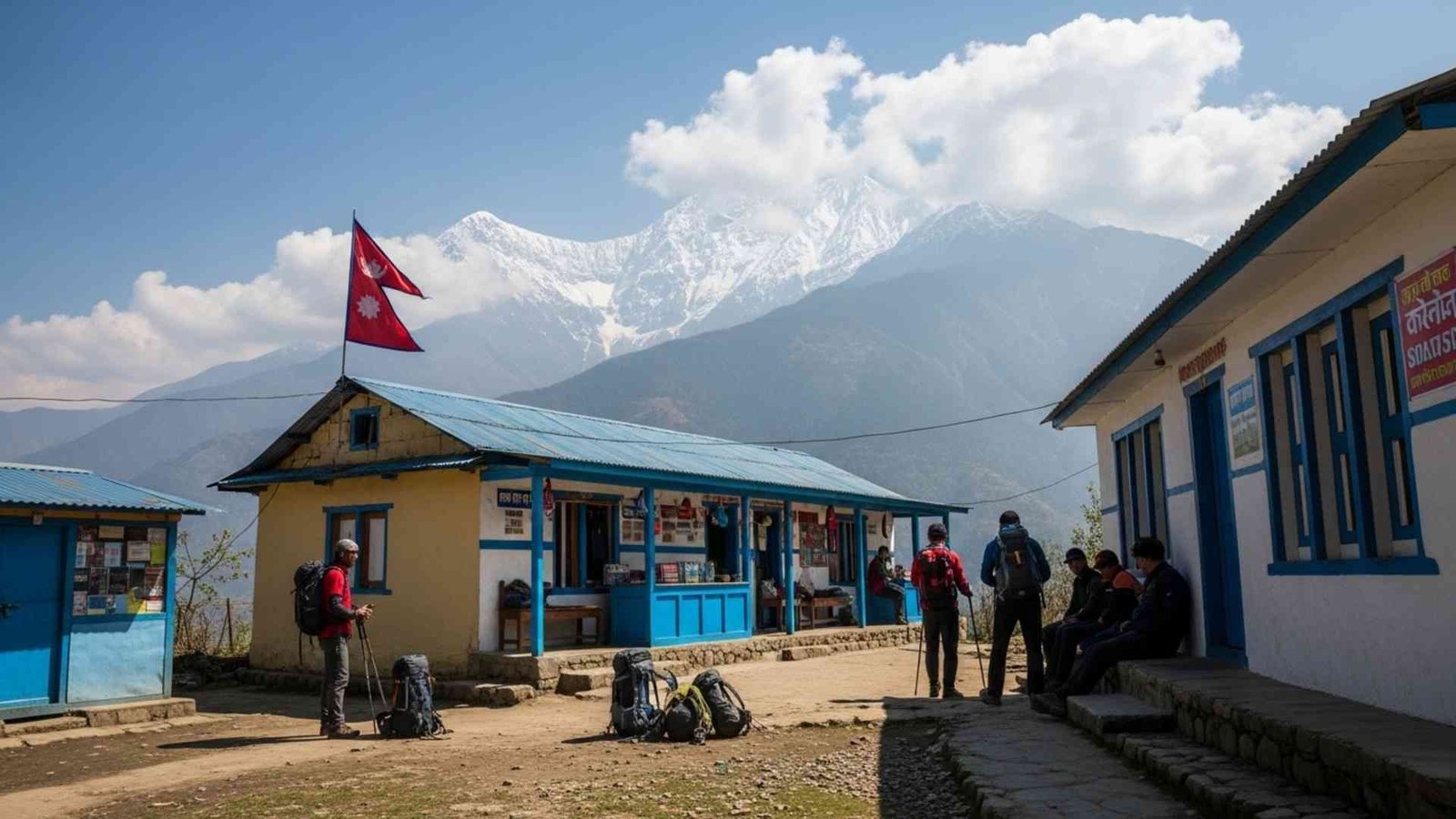
Warm air heavy with spice and possibility drifts through unseen streets, reminding you that wonder doesn’t have to come with a shocking price tag. As travel costs climb and budgets feel tighter than ever, the craving for discovery hasn’t gone anywhere—only the strategy has changed.
In 2026, some corners of the world still stretch your dollar into deeper adventures, richer flavors, and moments that feel far larger than the money behind them. Ahead lie places that transform not just how far you can go, but how fully you can experience. And just beyond this page, you’ll find exactly where that magic still thrives.
1. Laos
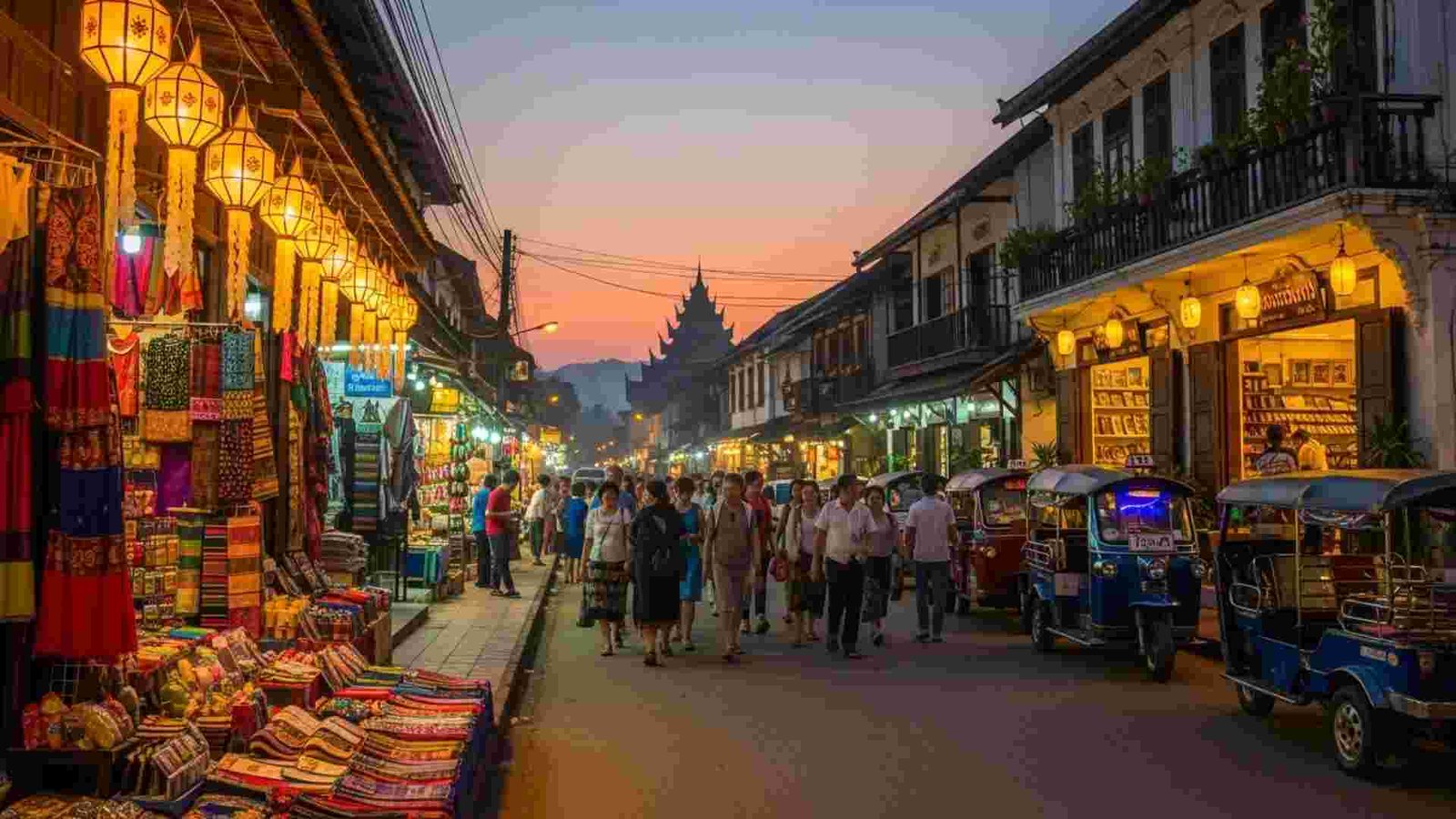
There’s a quiet, soulful magic to Laos. Think misty mountains, serene Mekong River cruises, golden Buddhist temples, and friendly small towns that feel untouched by time. Despite its growing popularity, it remains one of Southeast Asia’s most affordable and authentic destinations. In 2025, Laos welcomed more than 2.35 million international tourists in just the first half of the year, a 28% increase from the same period in 2024, thanks in part to visa exemptions and better infrastructure.
And cost-wise, it’s spectacular. According to recent data, average daily travel costs (covering accommodation, food, and transport) can be as low as US$15.97. You can find hostel beds in popular spots like Luang Prabang or Vientiane for just a few dollars, while street food is wallet-friendly and deeply local.
Getting around is part of the charm — especially with the Lao-China railway, a 414 km line that links Vientiane to the Chinese border. It’s not just about transport, though: the government is investing more into eco-tourism and elevating local hospitality, making the trip increasingly smooth and meaningful.
Key Practical Info:
- Peak season: November–February (cooler, drier) / Off-peak: rainy season around May–September.
- How to get there: Fly into Vientiane or Luang Prabang (or come by train via China).
- Ideal stay: ~7–10 days to soak in temples, nature, and slow river life.
- Budget tips: Stay in guesthouses, take local buses or boats, eat street food.
- Cultural etiquette: Dress modestly at temples, ask before photographing locals, show respect for monks.
- Photo ops: Sunrise at Mount Phousi, Kuang Si Waterfalls, Mekong sunsets, and the morning alms ritual in Luang Prabang.
2. Vitenam
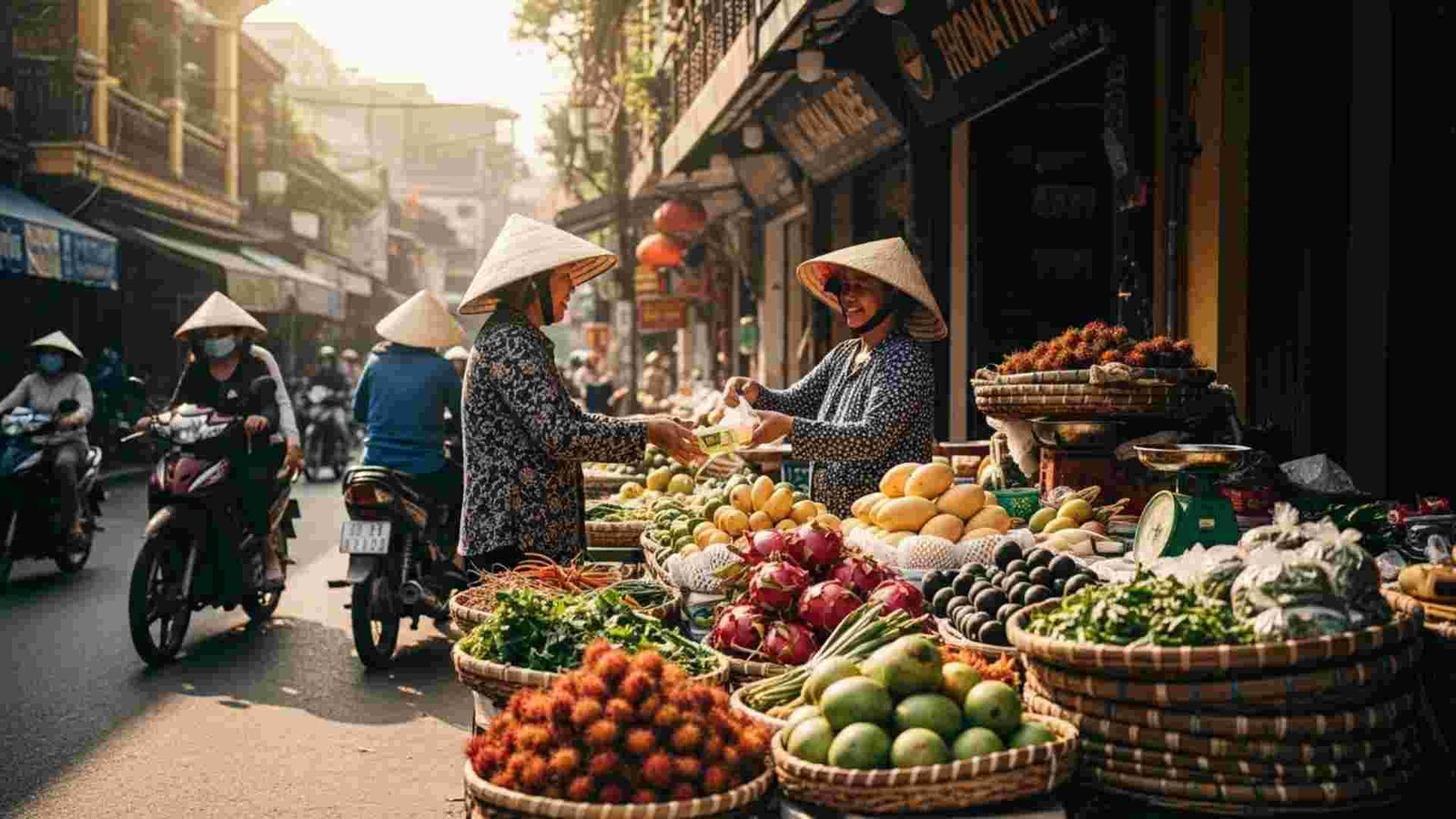
chaotic motorbike-filled streets, lush rice terraces, ancient towns, and beaches that stretch forever. Despite recent economic pressures, the dong remains relatively weak against the dollar, making daily costs very manageable — though this does vary a lot depending on where you go (Hanoi and Ho Chi Minh City cost more than rural towns).
Tourism is bouncing back strongly. While hard official 2025 national data is still emerging, anecdotal reporting suggests that Vietnam saw 7.67 million international tourist arrivals in the first four months of 2025, marking a solid year-on-year increase. Meanwhile, places like Hội An continue to earn praise for offering tremendous value to travelers, especially for dining, shopping, and immersive local experiences.
you can tuk-tuk through the lantern-lit Old Town of Hội An, ride a motorbike through the soaring peaks of Ha Giang, or lounge on the beaches of Phú Quốc — all on a budget that won’t break the bank if you choose wisely. Local buses and budget airlines make internal travel frequent and affordable. For an inflation-proof trip, aim for 7–10 days to hit both the cultural highlights and quieter out-of-the-way spots.
Key Practical Info:
- Peak season: December – April (north). May – October in central regions.
- Getting around: Budget airlines, sleeper buses, trains.
- Experiences to try: Street food tours (like bánh mì and phở), motorbike loop in Northern Vietnam, boat trip in the Mekong Delta, staying in a homestay in Sapa.
- Budget: Very flexible — you can live very well on US$25–50/day if you’re smart.
- Etiquette: Remove shoes in people’s homes, ask before photographing locals, bargain gently in markets.
- Photography: Rice terraces at dawn, Hội An’s lantern streets, Halong Bay, rooftop bars in Saigon.
3. Georgia (the country)
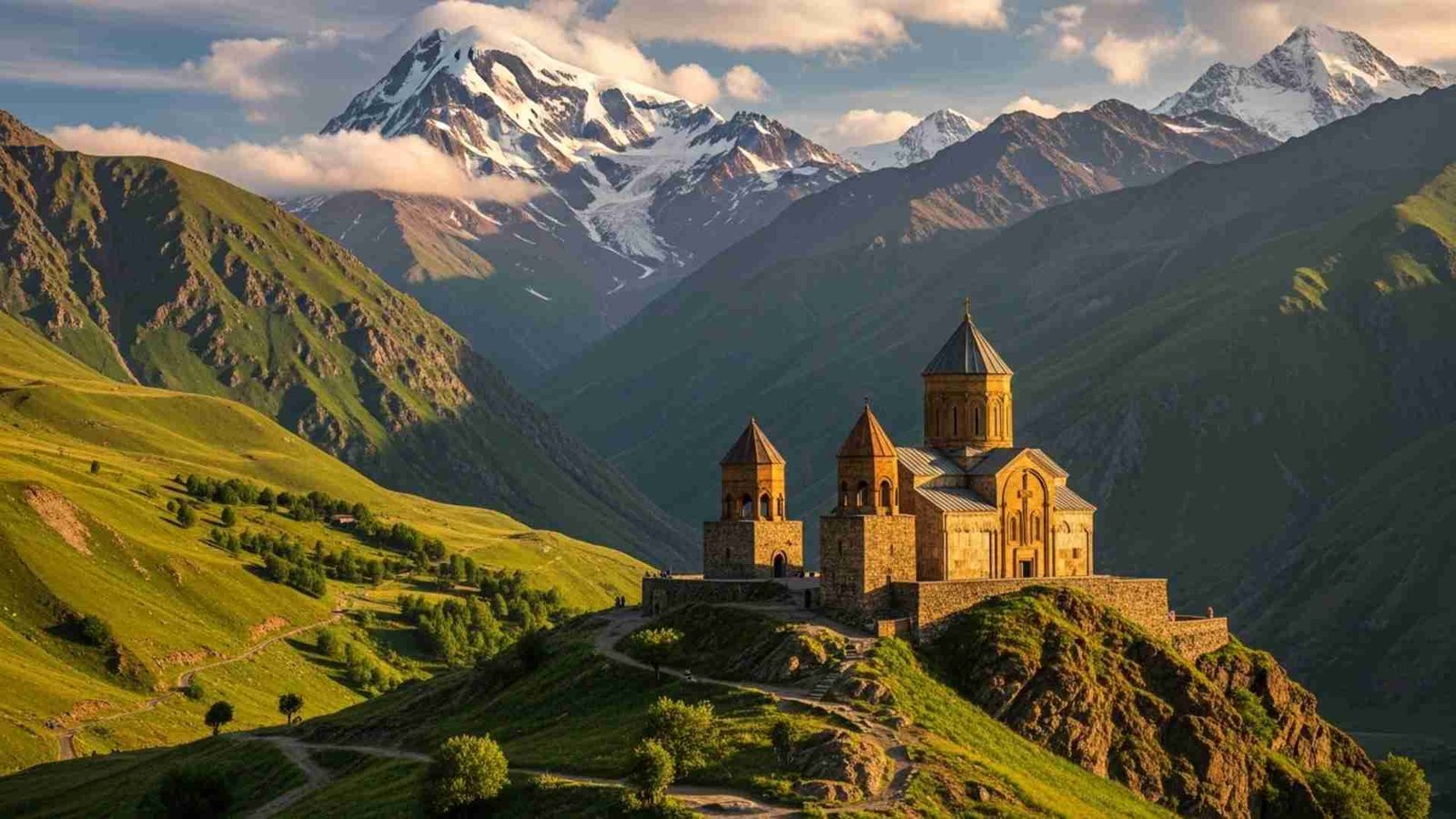
Georgia is a gem tucked between Europe and Asia — think dramatic Caucasus mountains, ancient wine traditions, medieval churches, and a hospitality culture that can feel like you’re visiting family. Over the last few years, it’s gained real recognition as an affordable, culturally rich travel destination.
According to its national statistics office, in the second quarter of 2025, Georgia saw 1.8 million international non-resident arrivals, which is nearly 7% up from a year prior. Yet, despite increasing tourist traffic, the average expenditure per visit fell by 6%, coming in at 2,116.8 GEL (Georgian lari). That means you’re more likely to find real value than strain your travel budget.
buses and minibuses (“marshrutkas”) connect Tbilisi to mountain villages and wine regions, and the cost of local food, wine, and accommodation is quite favorable. Stay in a guesthouse in Kakheti (the wine region) for a few days, hike in Svaneti if you like altitude and isolation, and sample supra (the traditional feast) — it’s a trip that feels rich without being expensive.
Key Practical Info:
- Peak season: May–October for mountains; November–March in cities is quieter.
- Travel: Fly into Tbilisi, use local minibuses for regional trips.
- Duration: 5–8 days is enough to cover Tbilisi, a wine region, and a mountain trek.
- Must-try experiences: Wine tasting in Kakheti, Svan towers in Svaneti, hiking the Gergeti Trinity Church.
- Budget: Modest — budget stays, meals, and transport make it very economical.
- Etiquette: Toasts are serious business; don’t refuse them lightly. Be respectful in churches, and dress modestly in rural areas.
- Photography: Panoramas from Kazbegi, vineyard landscapes, Tbilisi’s old town, mountain monasteries.
4. Cambodia
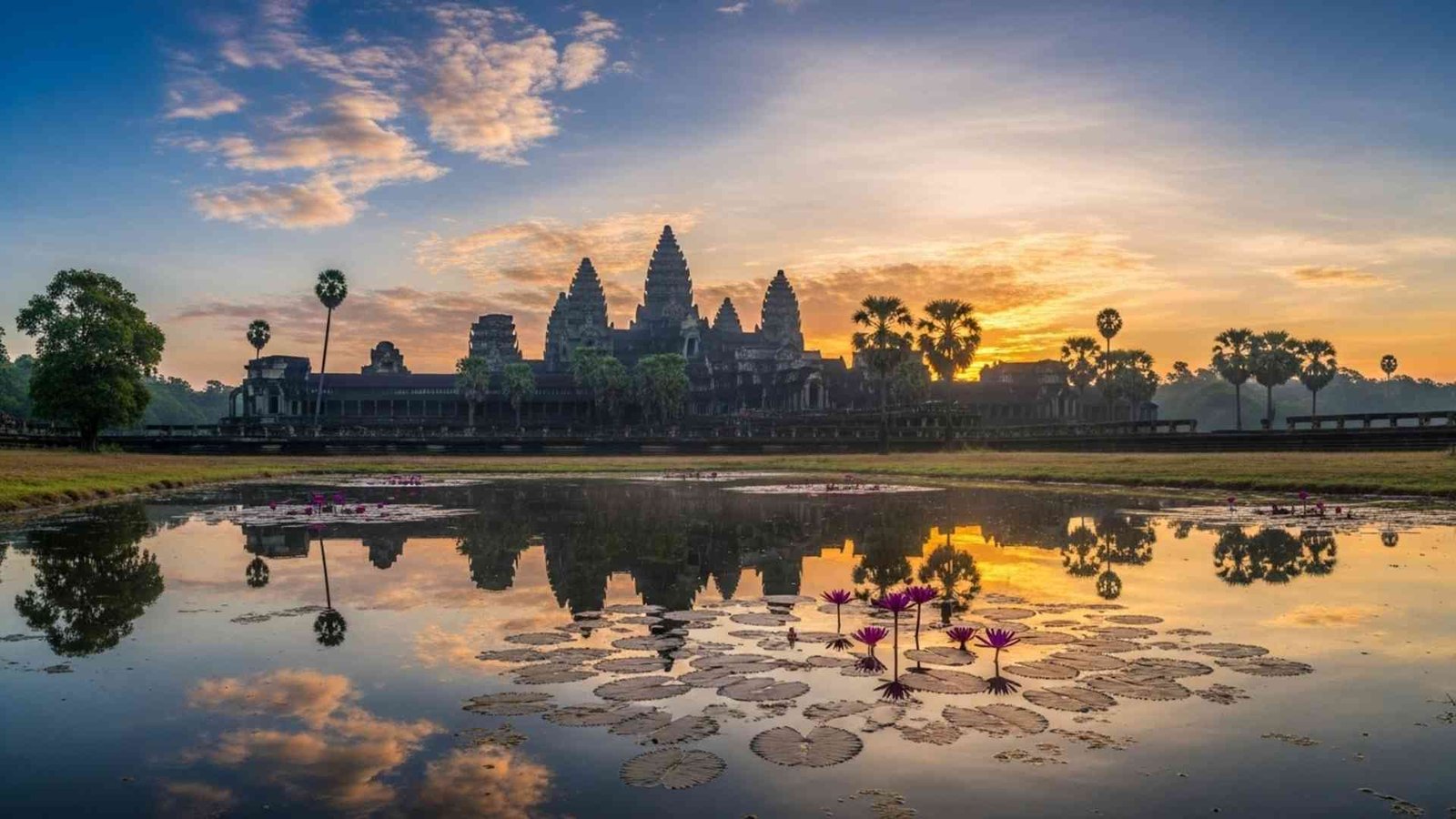
Cambodia is a place where history hums under your feet — Angkor Wat at sunrise, ancient stone faces, floating villages, and a complex modern story. And right now, as of 2024, it’s doing very well: the country welcomed 6.7 million international tourists, generating US$3.6 billion in revenue. That’s up nearly 23% from 2023.
What’s exciting is that much of this growth is backed by real infrastructure. Cambodia recently opened Techo International Airport near Phnom Penh, capable of handling millions of passengers and easing travel into the country. Also, about 57% of arrivals come over land or water, not just by air — which means overland travelers (like backpackers) still have a strong presence.
In terms of value, Cambodia still delivers. Accommodation ranges from budget guesthouses in Siem Reap or Phnom Penh to mid-range ecolodges in rural regions. For many, the biggest cost is the Angkor Pass, but if you plan smart (e.g., buy a 3-day pass), the per-day cost becomes quite reasonable. Add in street food, tuk-tuk rides, and local markets, and you’ve got a trip that feels deeply rewarding, culturally rich, and doesn’t empty your wallet.
Key Practical Info:
- Peak season: November–March (dry, cooler) / Off-peak: May–October (rainy).
- How to get there: Fly into Phnom Penh or Siem Reap; overland via Vietnam, Thailand, or Laos is common.
- Ideal duration: 5–7 days to hit Angkor, Phnom Penh, and maybe the coast or countryside.
- Top experiences: Sunrise at Angkor Wat, floating villages on Tonlé Sap, Khmer cooking class, rural ecotour in the Cardamom Mountains.
- Budget: Hostels and guesthouses are common; local eats and transport are very affordable.
- Etiquette: Dress modestly at temples, remove shoes, ask before photographing monks.
- Photography: Angkor’s towers at dawn, floating village sunsets, rural landscapes, temple carvings.
5. Turkey
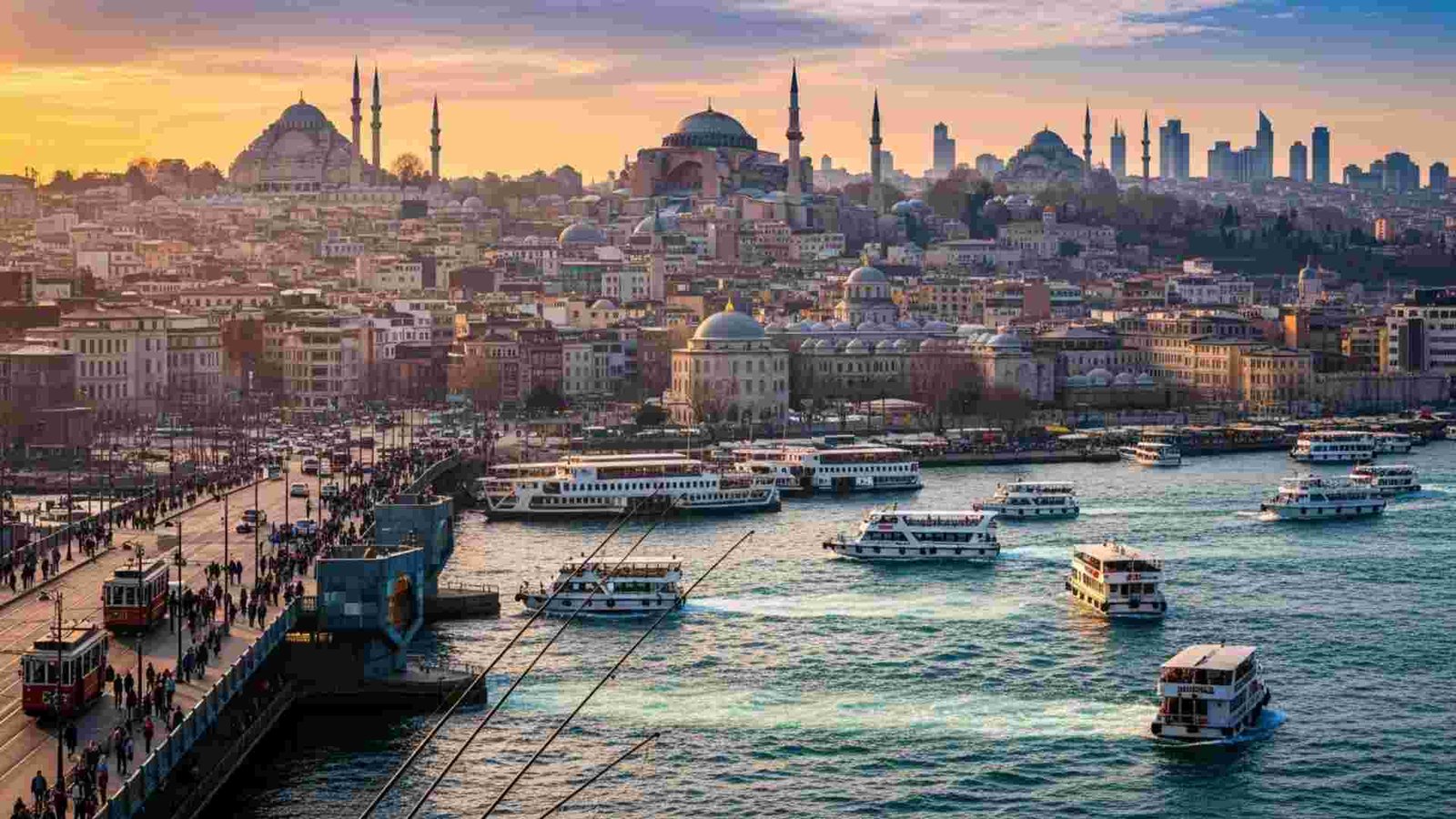
Europe and Asia meet, and cultures mingle in bazaars, ancient ruins, and coastal towns. The lira has seen instability, which paradoxically helps travelers with strong foreign currencies: your dollar, euro or pound stretches further in many places.
Istanbul’s Hagia Sophia, the fairy chimneys of Cappadocia, Ephesus’s Roman ruins, Pamukkale’s terraces. Meanwhile, Turkish hospitality is warm, and food is rich without being prohibitively expensive (especially if you eat locally). Public transport is very developed, and internal flights can be quite cheap — meaning you could do a multi-city Turkish trip on a reasonable budget.
Turkey also offers a great balance for different kinds of travelers beach lovers can head to the Aegean or Mediterranean coasts, history buffs can dig into millenenia-old sites, and adventurers can float in hot-air balloons or hike in remote mountains. With 7–10 days, you can see Istanbul, Cappadocia, and one coastal region or historical site.
Key Practical Info:
- Peak season: June–September (coastal), shoulder seasons are April–May and September–October.
- Getting around: Domestic flights (Istanbul–Cappadocia), intercity buses, ferries along coasts.
- Budget: Guesthouses and boutique hotels abound; street food (simit, kebabs) is inexpensive.
- Experiences: Hot-air balloon ride in Cappadocia, Turkish bath (hamam) in Istanbul, market shopping, seaside town exploration.
- Etiquette: Respect religious sites, remove shoes in mosques, modest dress for certain places, haggle gently in bazaars.
- Best photo spots: Sunset from the Bosphorus, fairy chimneys, Göreme panorama, coastal ruins at Ephesus.
6. Morocco
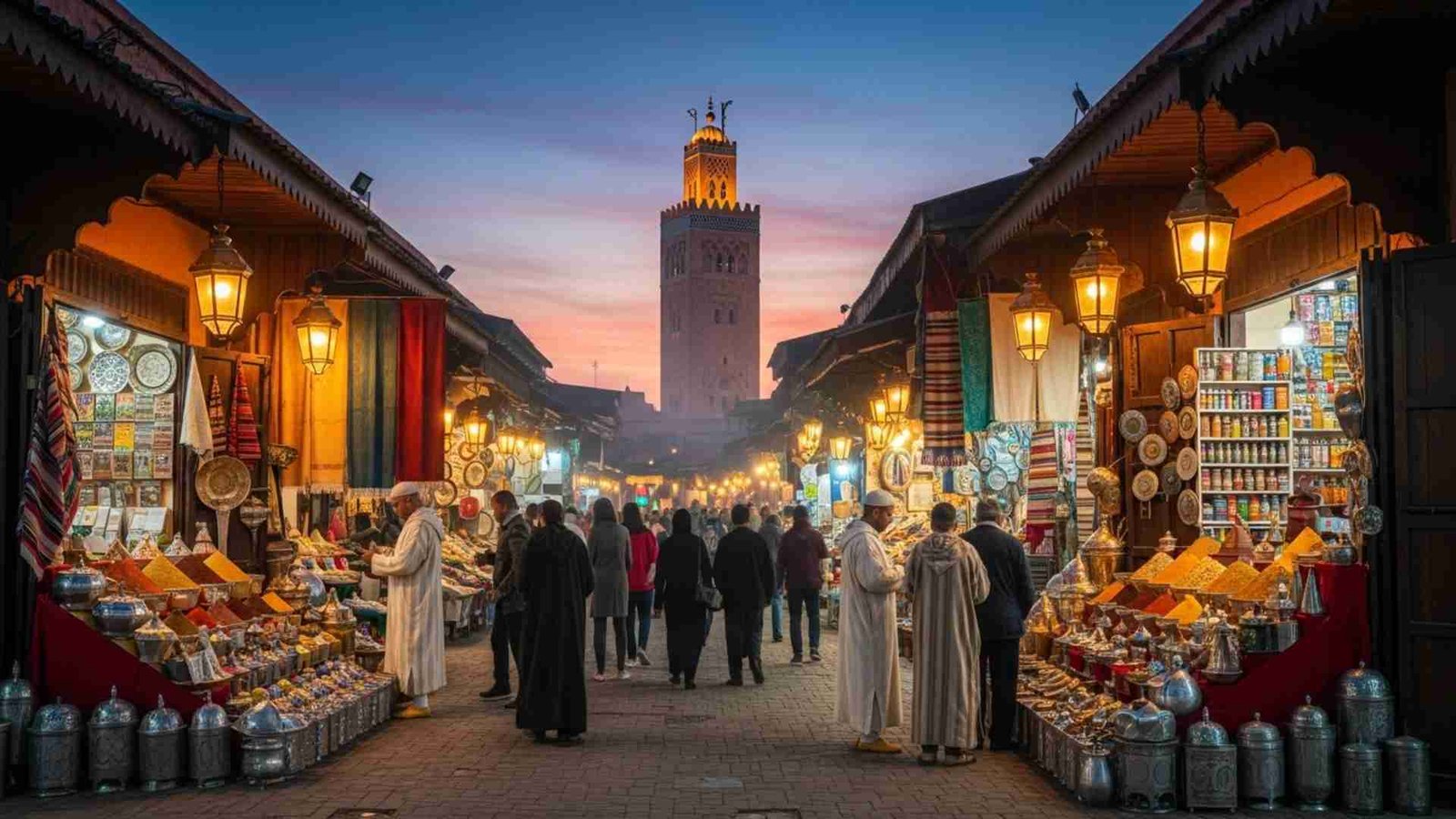
There’s something steady and grounding about Morocco that travelers often miss when they only talk about Marrakech’s chaos. What makes the country special right now is how its smaller cities and rural regions are stepping into the spotlight. Think Chefchaouen’s mountain air, Taroudant’s adobe walls, or Tétouan’s Andalusian feel — places where prices stay low, and time slows down in a way that feels refreshing when the world gets loud.
One scenario that captures Morocco’s soul sitting on a rooftop at dusk, hearing the call to prayer roll across the hills. It’s simple, but it sticks with you. And there’s this interesting thing happening — more Moroccan families are running micro-guesthouses, especially in the Rif and Atlas Mountains. You’re not just booking a room; you’re stepping directly into someone’s story.
Key Practical Information
- Good for: Slow travelers, food lovers, photographers chasing texture and color.
- Where value stands out: Local trains and buses, city-to-city taxis, meals in family kitchens, rural stays.
- What to know: Cash still rules in smaller towns, and mint tea is basically a language of hospitality — don’t rush it.
7. Argentina
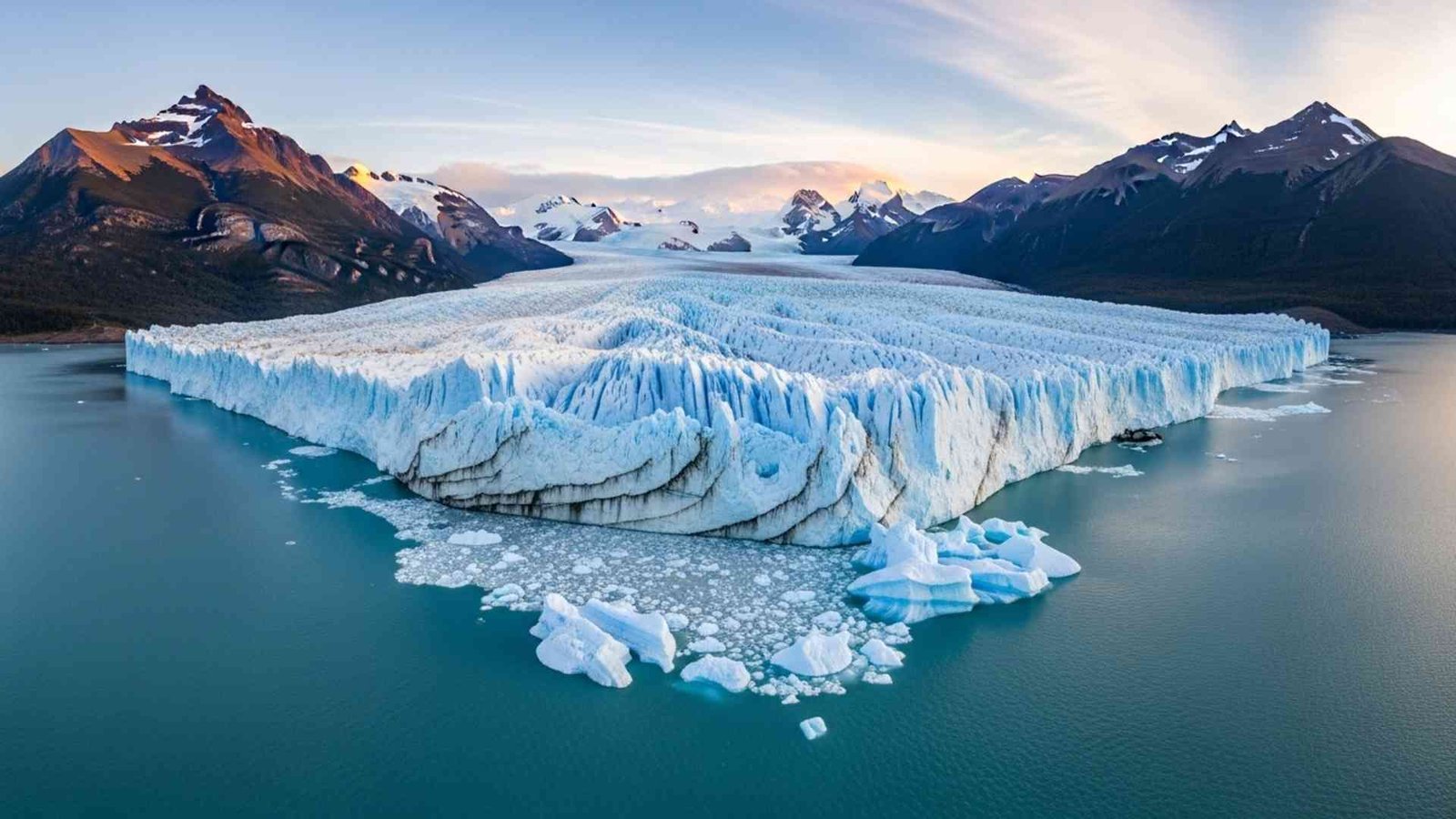
Argentina has this “go big or go home” energy — endless horizons, huge steaks, intense football culture — but the lesser-known reality is how regional Argentina gives you some of South America’s best value without the crowds of Patagonia or Buenos Aires. Provinces like Salta, Jujuy, and Córdoba are where your travel dollars stretch surprisingly far, even with inflation doing its thing locally.
a late afternoon in Cafayate, sipping a glass of torrontés with the mountains glowing orange. No rush, no pressure, just life happening at half speed. And that’s the hook — Argentina’s charm isn’t always loud; sometimes it’s a quiet bus ride through red canyons or walking into a bakery where empanadas cost less than a bottle of water back home.
Key Practical Information
- Good for: Road-trippers, wine travelers, nature lovers who don’t want the usual Patagonia itinerary.
- Where value stands out: Long-distance buses, local parrillas, regional wine tastings, family-run estancias.
- What to know: The currency can fluctuate fast, so digital payment apps and day-by-day exchange checks help.
8. South Africa
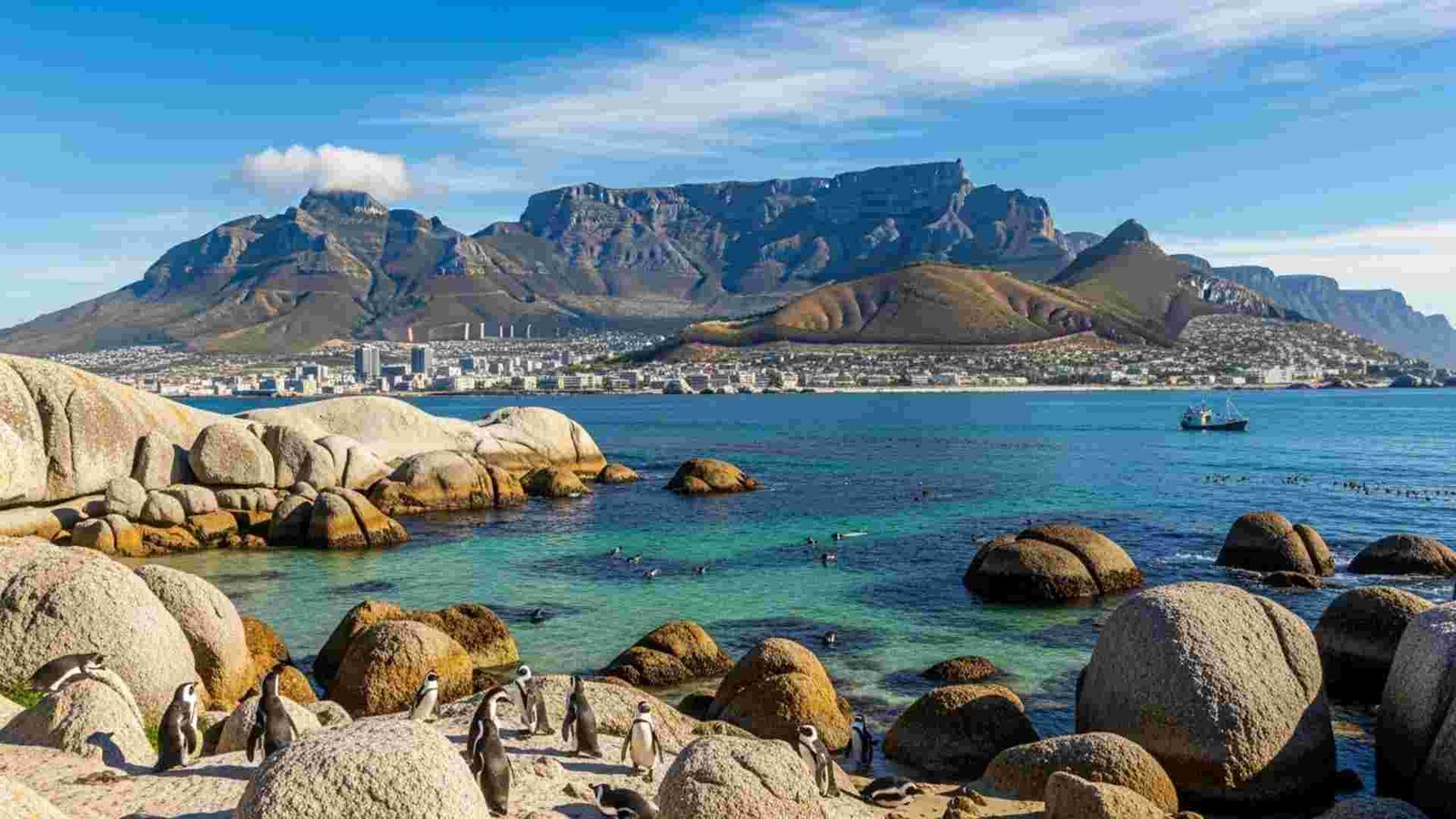
South Africa often gets introduced through safaris or Cape Town views — big glossy stuff. But the under-the-radar truth is that South Africa might be one of the best “all-in-one” budget destinations in the world. Safaris don’t have to be luxury; there are community-run reserves, public parks, and early-morning drives where the big five cost less than some European museum passes.
A moment that really captures the vibe driving along the Eastern Cape, windows down, cows wandering over the road like they own it, and a tiny café ahead selling warm vetkoek you didn’t even know you needed. And the exchange rate often keeps things firmly in the “affordable but unreal” category, especially in coastal towns that don’t see big international traffic.
Key Practical Information
- Good for: Wildlife lovers, budget adventurers, long-stayers who want modern comforts without high prices.
- Where value stands out: Car rentals, national parks, coastal accommodations, local markets.
- What to know: Distances can be long — plan region by region to avoid burnout.
9. Indonesia
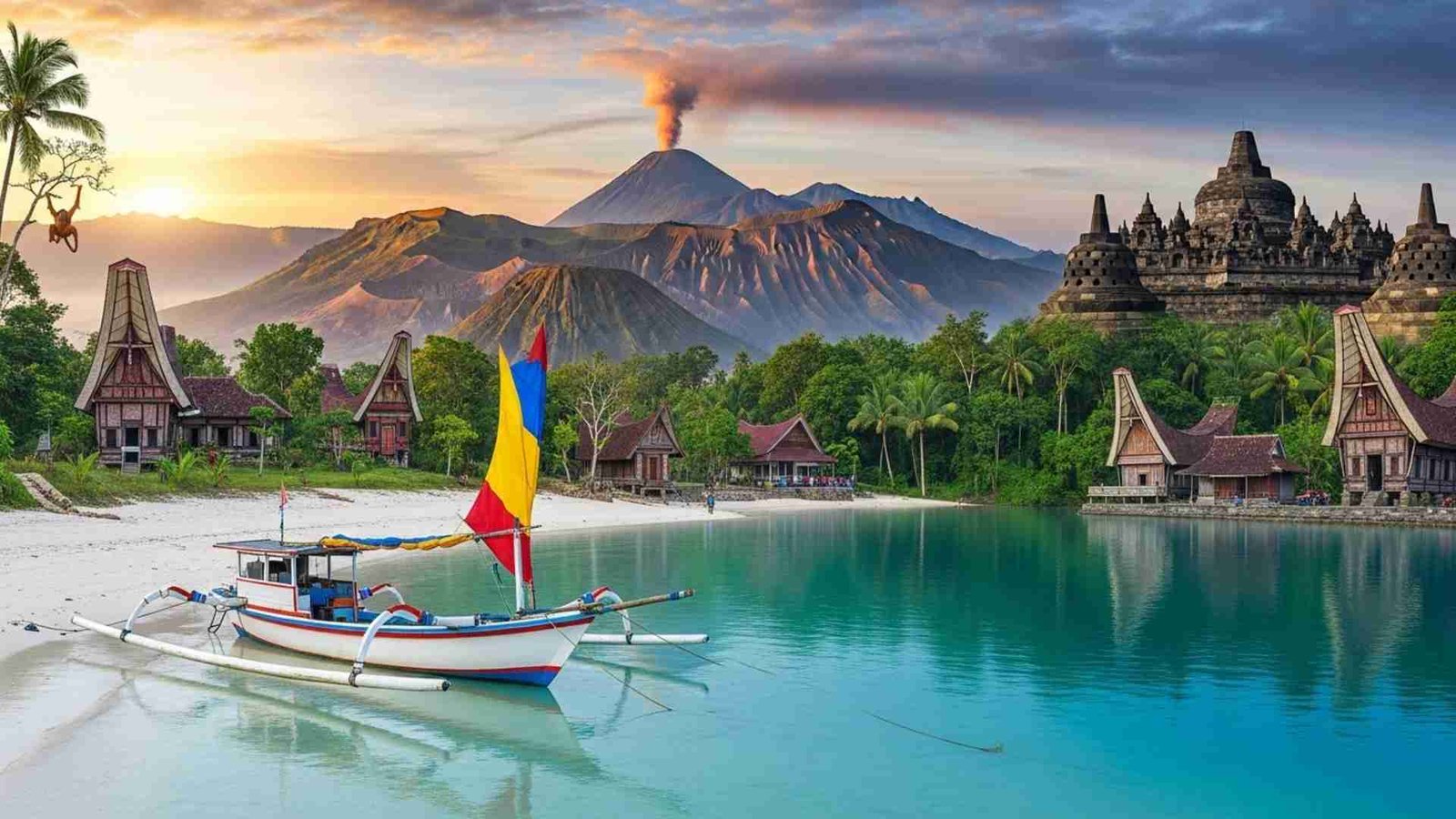
People think “Bali,” but Indonesia is basically a thousand mini-worlds, most of them wildly affordable and incredibly different from what travelers see on social media. If you want the best inflation-proof angle, look toward Flores, Sulawesi, or the Lombok–Sumbawa belt — places where daily life moves with the sun and tide, not the algorithm.
taking a small boat out from Labuan Bajo, watching komodo dragons sunbathe, then ending the day snorkeling in water so clear you’re basically inside a screensaver. And it’s all surprisingly accessible without luxury pricing. That’s Indonesia’s trick — breathtaking stuff without the “premium” label if you know where to look.
Key Practical Information
- Good for: Island-hoppers, divers, culture seekers who want depth without crowds.
- Where value stands out: Ferries, homestays, fresh food, inter-island domestic flights.
- What to know: Distances are large — build a route around specific islands, not the whole archipelago.
10. Mexico
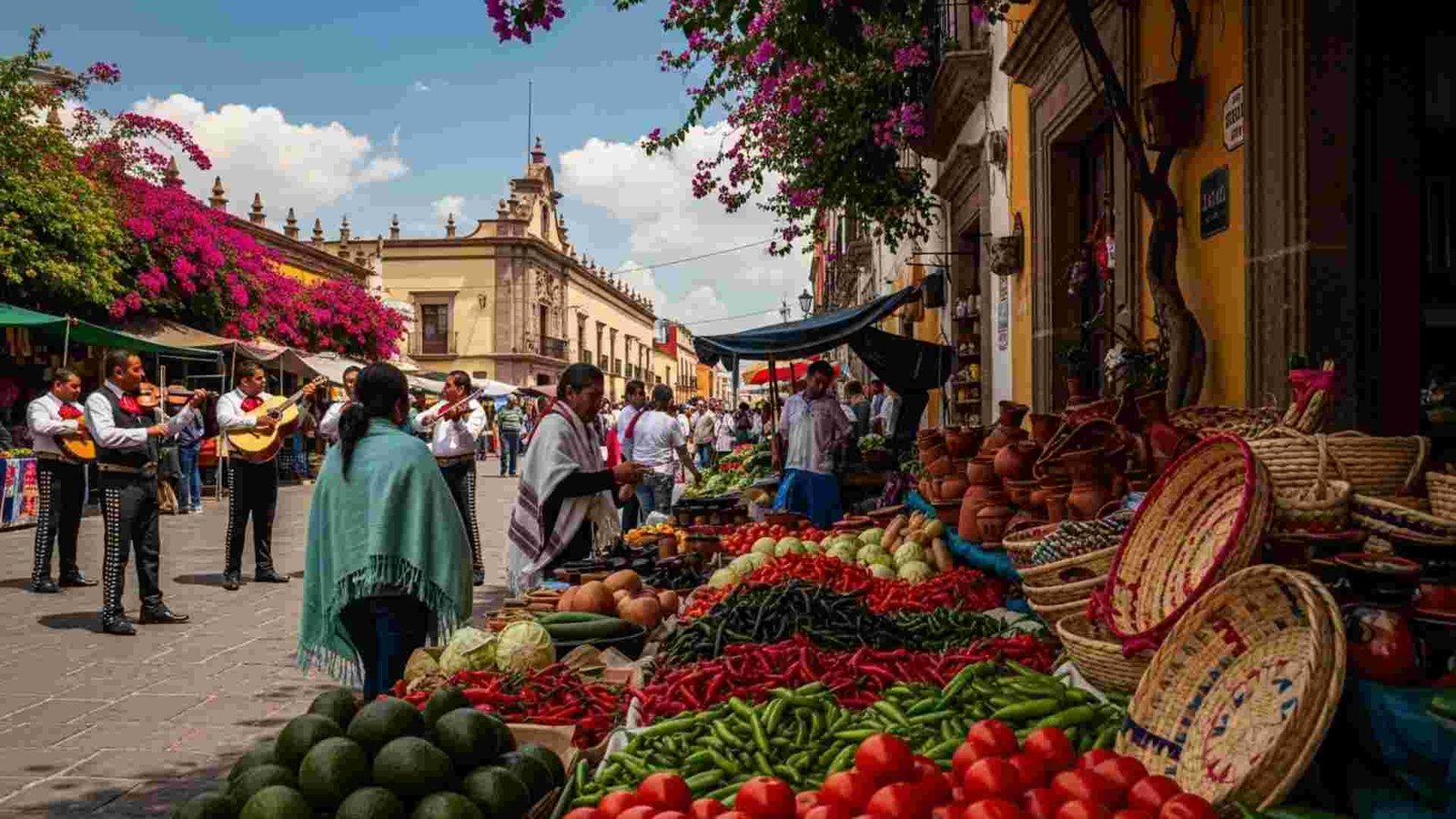
Mexico gets boxed into beach resorts way too often. What really sets it apart as a 2026 inflation-proof destination are the inland cultural hubs that are rich, vibrant, and still wonderfully affordable. Cities like Puebla, Guanajuato, Mérida, and Oaxaca offer a blend of food, history, and community that’s impossible to fake.
sitting at a street-side stool in Oaxaca, watching handmade memelas sizzle while the cook chats with regulars. It’s that mix of flavor, sound, and warmth that stays with you. And what’s cool is how accessible everything is — museums, buses, artisan workshops, festivals — almost everything is priced in a way that welcomes locals first, travelers second.
Key Practical Information
- Good for: Food-centric trips, culture lovers, travelers who want color and community.
- Where value stands out: Long-distance buses, street food, boutique guesthouses, regional markets.
- What to know: Learn a few Spanish basics; it makes small-city travel 10x smoother.
11. Egypt
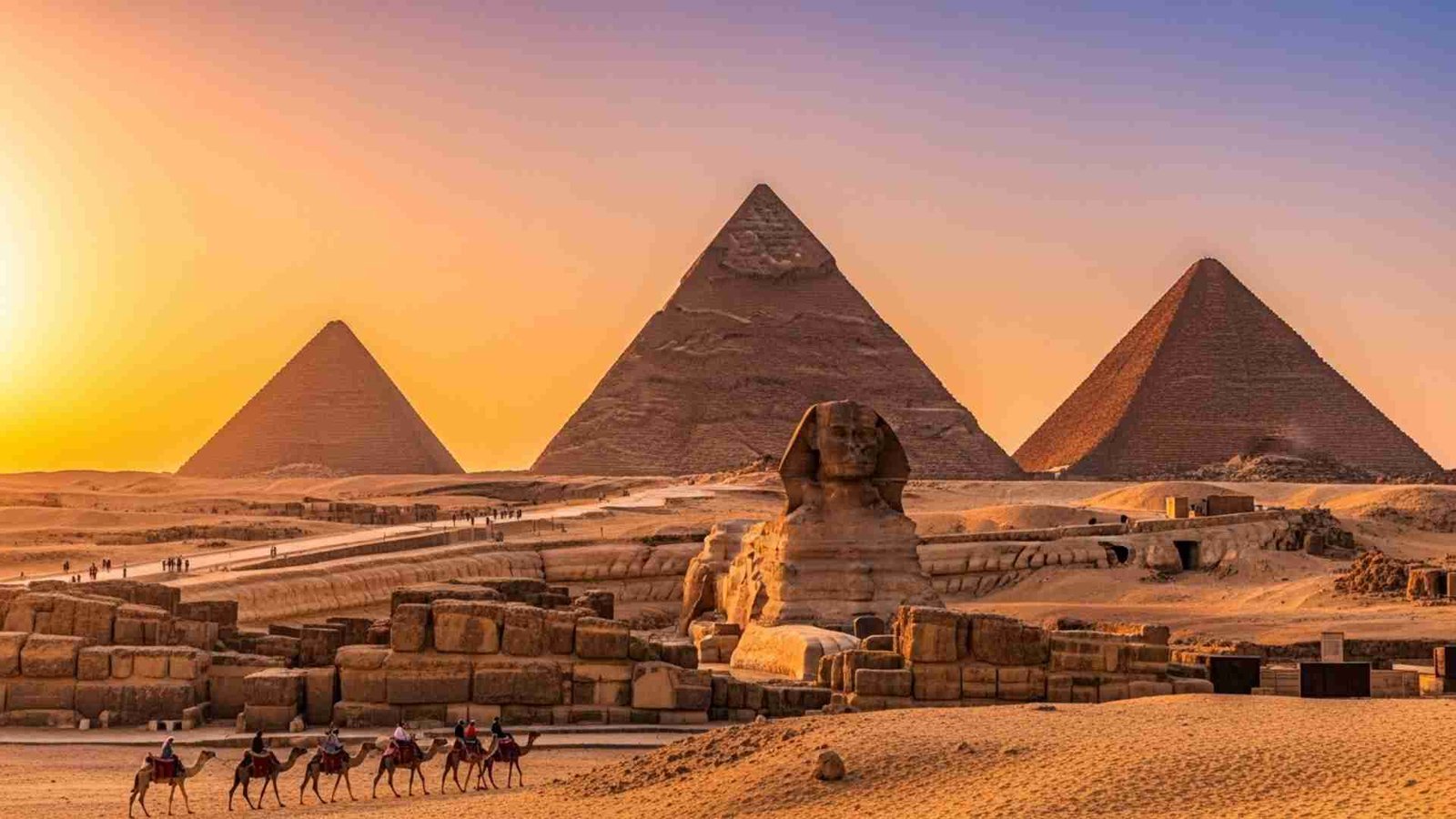
Egypt pulls you in with its big icons — pyramids, pharaohs, temples — but the magic often shows up in the places you didn’t expect. Like wandering through Old Cairo on a warm morning and ending up in a tiny Coptic bookstore run by a family who’s been there for generations. Or taking a felucca at sunset in Aswan and hearing nothing but the river brushing against the boat. Those are the moments that linger.
Egypt rewards slowness. People rush between cities because the history feels overwhelming, but if you stay still for a day or two — especially in Luxor or Aswan — the country softens. Shopkeepers tell stories, tea sellers teach jokes, and suddenly you’re not just a visitor looking at monuments… you’re part of the daily rhythm.
Key Practical Information
- Underrated spot: Siwa Oasis (natural springs + desert silence = an entirely different Egypt).
- Local wisdom: Fridays run on a different clock — expect slower mornings, family gatherings, and relaxed business hours.
- For budget travelers: Trains are gold. They’re cheap, scenic, and more relaxed than buses.
- Theme tie-in: Egypt is a reminder that ancient places aren’t frozen — they’re lived in, evolving, and full of life if you look beyond the headline attractions.
12. Japan
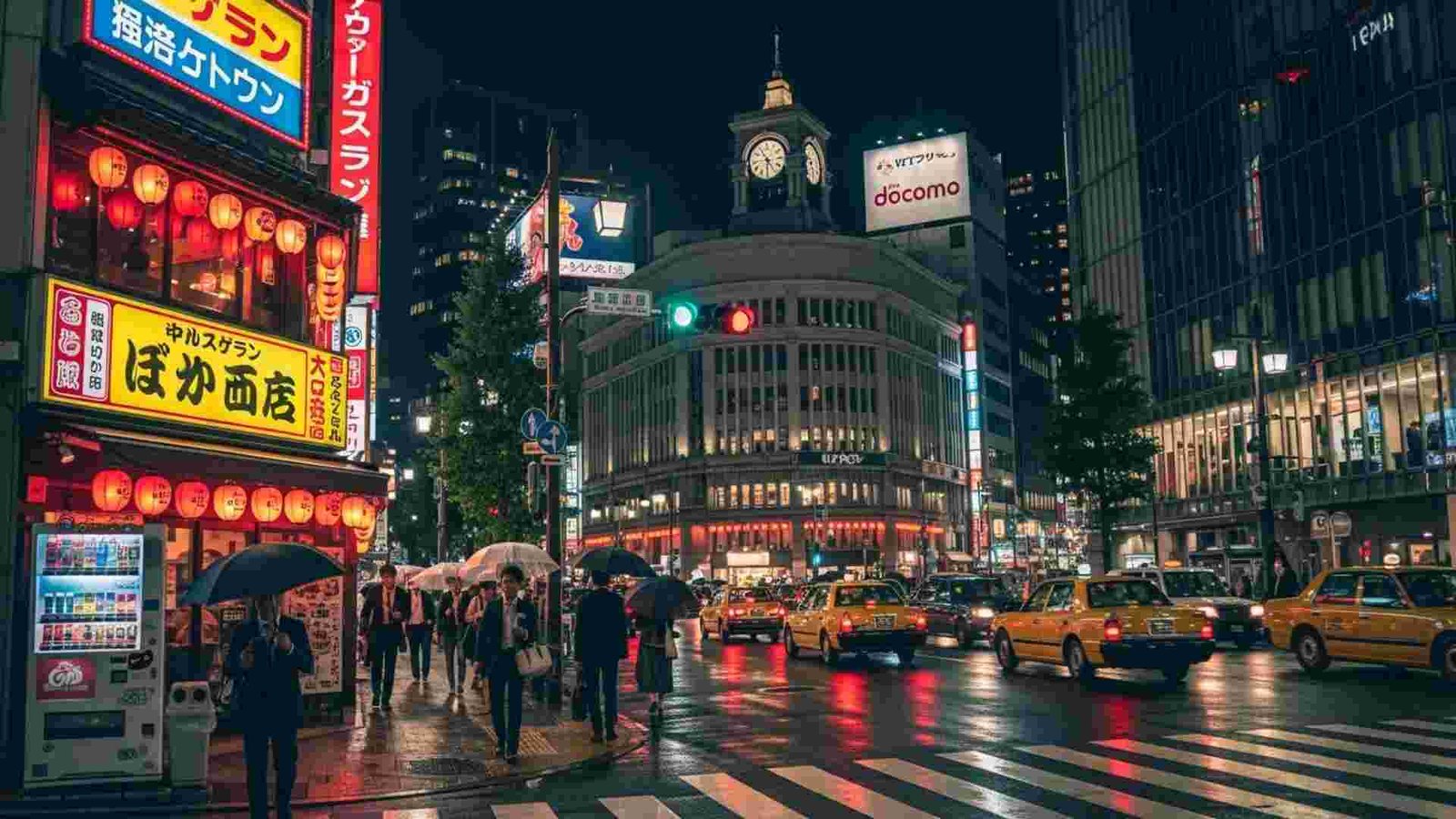
Japan’s reputation for being expensive isn’t totally fair. Once you get outside the major hubs, things shift. A bowl of noodles in Tottori costs less than a movie ticket in Tokyo. A traditional inn in Shikoku might cost less than a chain hotel near Shinjuku. And here’s the fun part: rural Japan has some of the most unexpected surprises — like a hidden Shinto shrine tucked behind a rice field, or an old couple selling hand-pounded mochi that tastes like sweetness wrapped in nostalgia.
Japan is perfect for travelers who enjoy tiny details. A hand-painted train station sign. A vending machine in the middle of nowhere with local fruit juice. A fisherman mending nets at dawn. These small scenes become your souvenirs, especially when you’re off the tourist grid.
Key Practical Informartion
- Best value region: Kyushu (hot springs, rail passes, coastal towns).
- Unexpected money-saver: Business hotels — plain, but clean and cheap.
- When to go for fewer crowds: Late May or early December.
- If you love exploring slowly: Get an IC card, pick one region, and treat each train stop like a surprise gift.
- Travel theme: Japan teaches you that wonder doesn’t have to be loud — sometimes it’s a quiet shrine path after rain.
13. Hungary
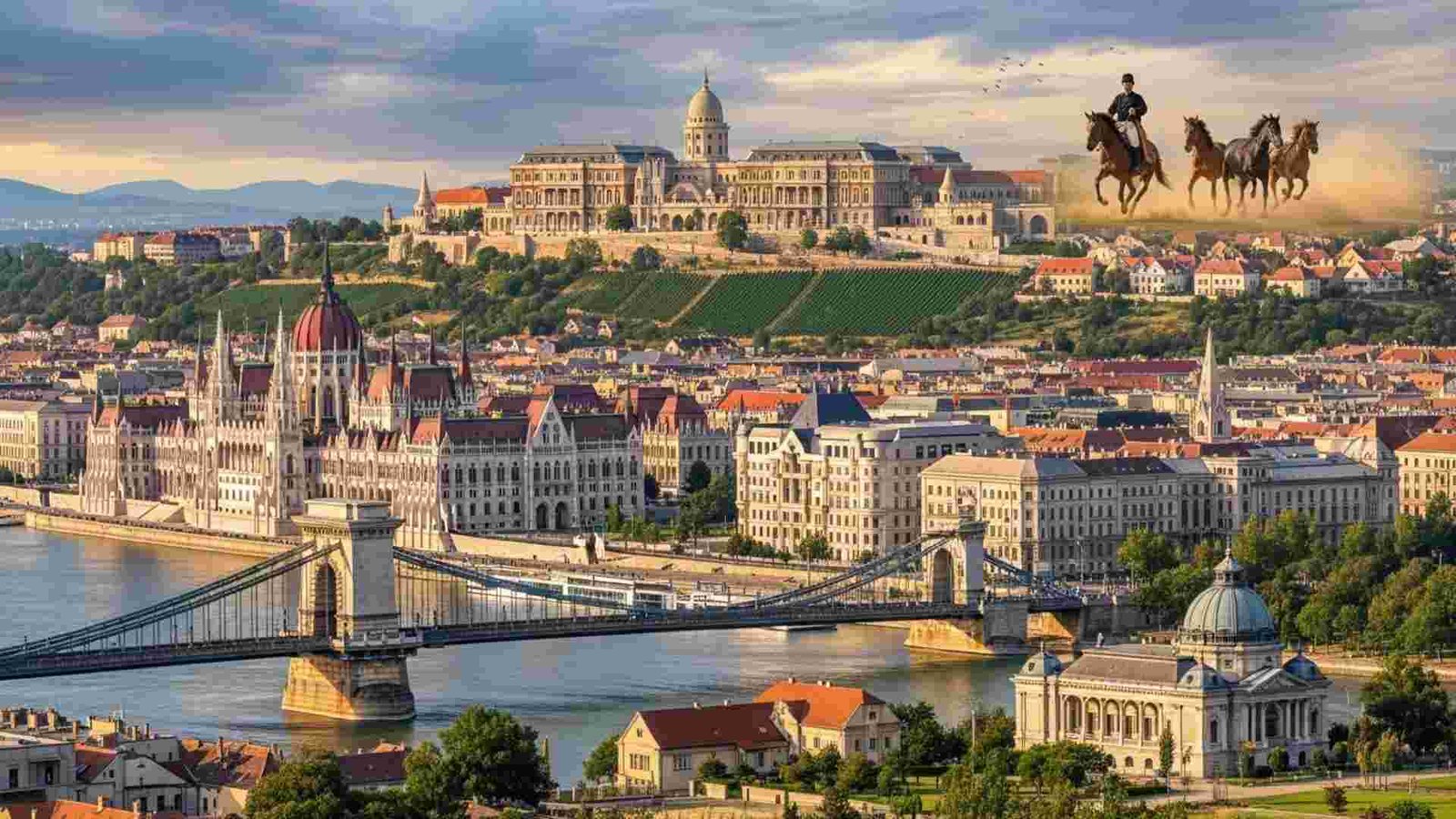
There’s Hungary the capital (Budapest, grand and glorious), and then there’s the Hungary almost nobody talks about; vineyard hills, quiet Danube villages, thermal bath towns where retirees soak and gossip as if time were infinite. This is where your dollar stretches, your pace slows, and your sense of discovery grows.
arriving in Eger late in the afternoon, dropping your bags, and wandering into the Valley of the Beautiful Women — a circle of wine cellars where producers pour glasses straight from barrels. No menus. No fuss. Just honest wine and easy conversation. And it’s shockingly affordable, like stepping into a parallel universe where high-quality wine doesn’t require high-end prices.
Key Practical Information
- Secret 1: Lake Balaton isn’t just for summer — autumn brings vineyard colors and cheaper stays.
- Secret 2: Budapest’s lesser-known baths (like Veli Bej) offer spa bliss without the tourist surge.
- Secret 3: Intercity trains are reliable and kind to your wallet.
- Theme: Hungary is proof that Europe still has pockets where tradition, affordability, and comfort overlap like old friends meeting for coffee.
14. Iceland
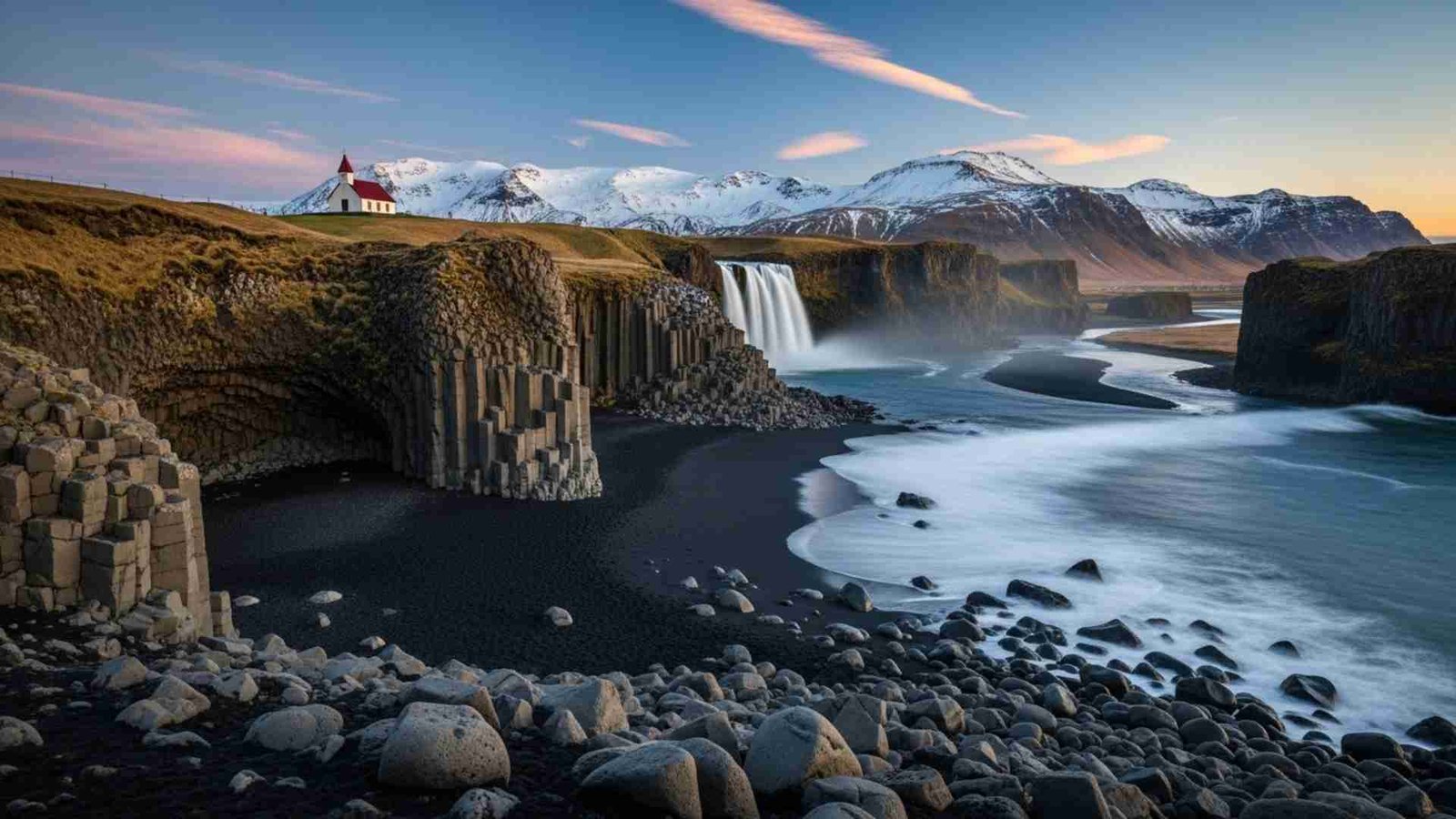
Iceland rounds out the list in an interesting way — it’s the most expensive destination here, yet it still belongs because of a simple truth; nature doesn’t charge admission. Waterfalls roar for free, cliffs stand tall without ticket booths, and midnight-sun hikes cost nothing but your energy. That’s where Iceland flips the script. You can keep costs surprisingly reasonable if you build your trip around landscapes instead of tours.
camping by a fjord in the Westfjords, waking up to sheep blocking your rental car, and watching a fisherman wave as he passes by on a tiny boat. It’s intimate, almost rural, nothing like the dramatic postcards. And that contrast is what makes Iceland stick with you.
Key Practical Information
- Cook your own meals — groceries save serious money.
- Use hot pots (public geothermal pools) — cheap, beloved, wonderfully local.
- Rent a small car, share costs — public transport is limited.
- Camp or choose farm stays — affordable and scenic.
- Explore beyond the ring road — fewer people, more magic.
- Travel theme: Iceland reminds us that adventure doesn’t have to be purchased — sometimes it’s just you, a trail, and a horizon you can’t quite understand yet.
Conclusion:
In a world where prices keep rising, the chance to travel richly without overspending feels more valuable than ever. These 14 destinations prove that unforgettable experiences don’t require a lavish budget—just smart choices and a willingness to explore. As you plan your 2026 getaway, let these places guide you toward journeys that feel abundant, inspiring, and truly within reach.