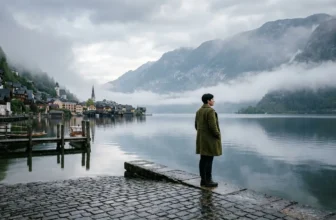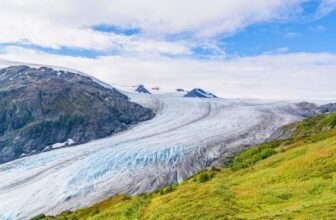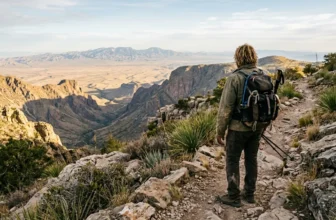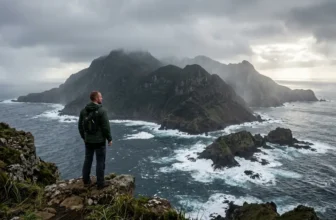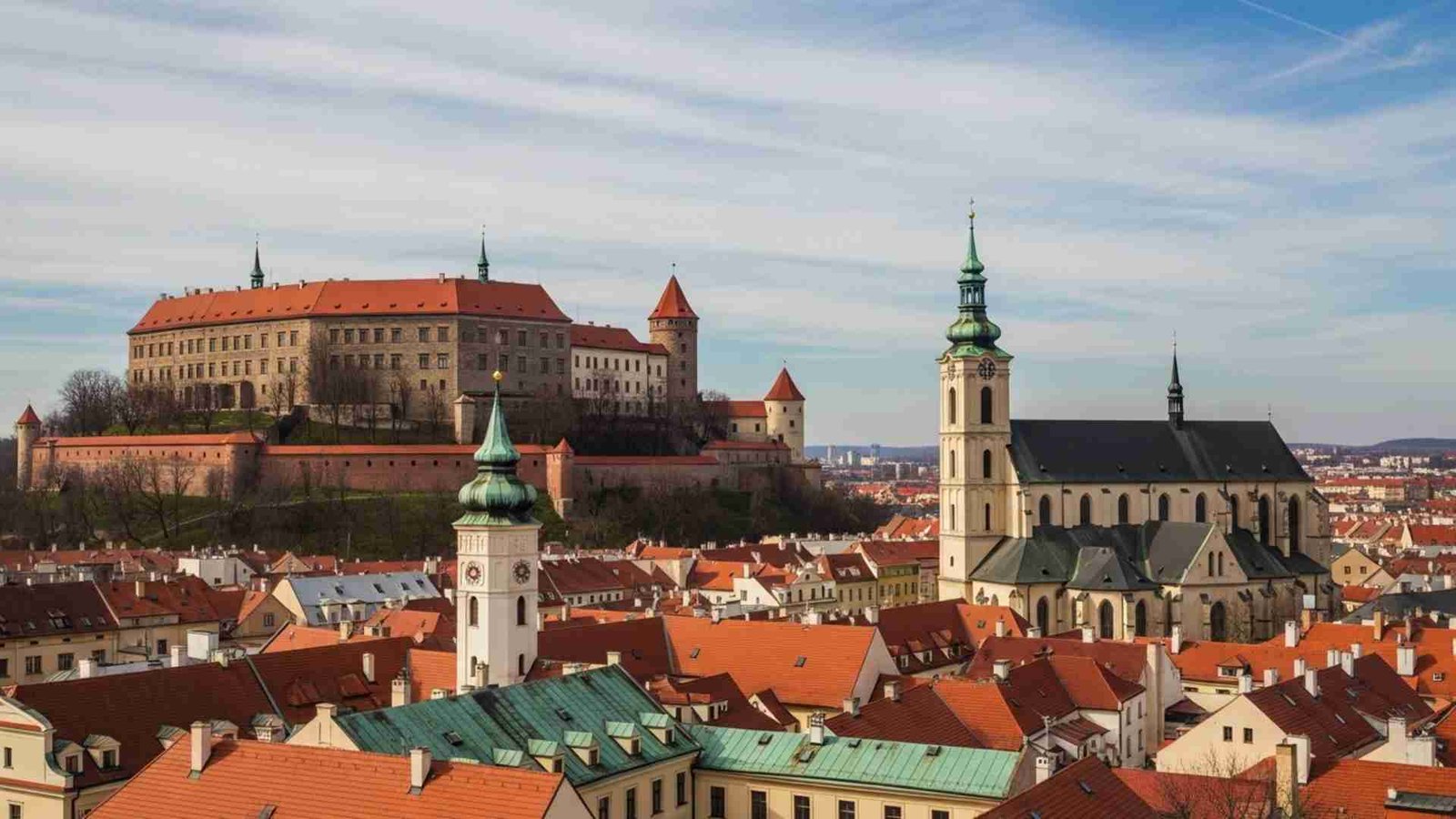
Imagine strolling through cobblestone streets where every turn uncovers a new layer of history, or savoring a local dish in a quiet café tucked away from the tourist crowds. Europe’s lesser-known cities and regions are filled with hidden treasures waiting to be explored.
These destinations offer more than just a place to visit—they provide a chance to immerse yourself in authentic culture, discover untouched beauty, and experience a slower pace of life. As travel evolves, the allure of these affordable gems grows stronger. In this guide, we’ll reveal the transformative experiences that await in these hidden corners of Europe.
1. Tirana, Albania
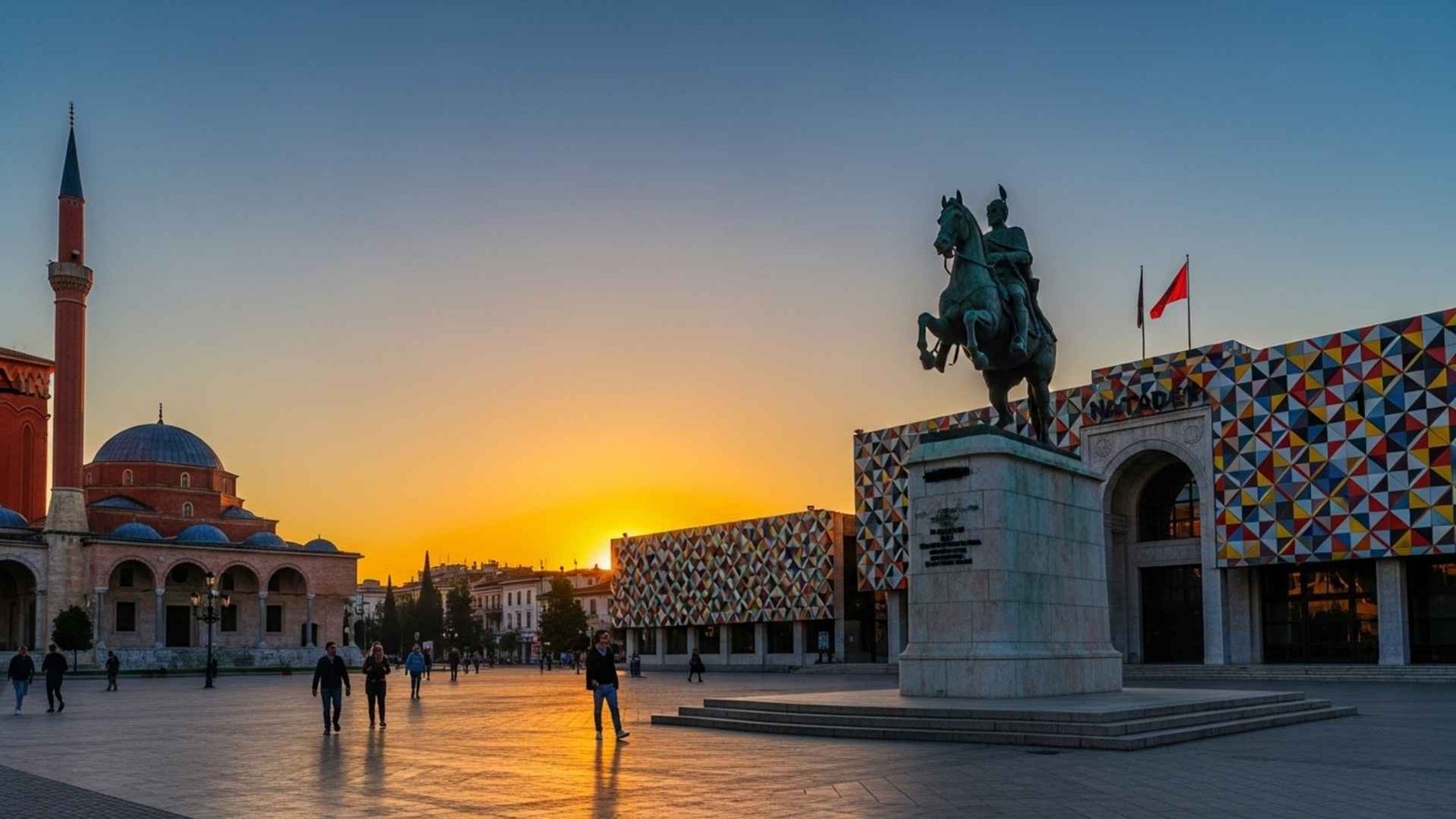
Tirana is rapidly reinventing itself — you’ll notice it the moment you ride its colorful tram‑lines and see new murals side‑by‑side with Soviet‑era architecture. From January to June 2025 Albania recorded about 4.76 million foreign visitors, up 5% year‑on‑year. In Tirana itself you’ll find a mix of Ottoman‑era mosques, Italian rationalist buildings, and modern interventions — it gives the feel of a city in motion. And it’s still relatively budget‑friendly compared with Western Europe.
the city sits amid hills and is compact — you can wander from the modern “Grand Park” lakeside area up to the older bazaar quarter in under half a day. You’ll discover cafés tucked into old houses, street art on former bunkers, and a real local energy as Albanian millennials and creatives make the city their own place. According to INSTAT, in June 2025 the number of foreign arrivals was up 7.1% from the previous year.
Practical Information:
- Peak/off‑peak seasons: The busiest months are July–August (warm, coastal spillover) while spring (April–May) and early autumn are milder and less crowded.
- Best ways to reach and explore: Fly into Tirana International Airport (TIA) from major European hubs. Within the city, taxis and rideshare are cheap; public buses run from the airport. Exploring on foot in the central area is very feasible.
- Ideal duration of visit: 2‑3 full days gives you a solid taste—enough for the bazaar, Blloku district, Day trip to Dajti Mountain if you like.
- Must‑try local experiences: Enjoy a late‑afternoon coffee in the pedestrianised area around Skanderbeg Square, take one of the colorful “Red Bus” tours, wander into the former Bunk’Art museum (on a real Cold‑War bunker) for local history.
- Budget considerations: Accommodation and eating out are much cheaper than Western European capitals—good value stays and meals. A solid mid‑range hotel is likely to cost much less.
- Cultural etiquette tips: Albanians are warm and hospitable. A few words of Albanian (such as “faleminderit” for thank you) go a long way. Do dress a little more respectfully when visiting mosques.
- Photography opportunities: The colorful buildings in the “painted rooftops” area, sunset from Mount Dajti (reachable by cable car), street‑art on former bunkers.
2. Svaneti (Region), Georgia
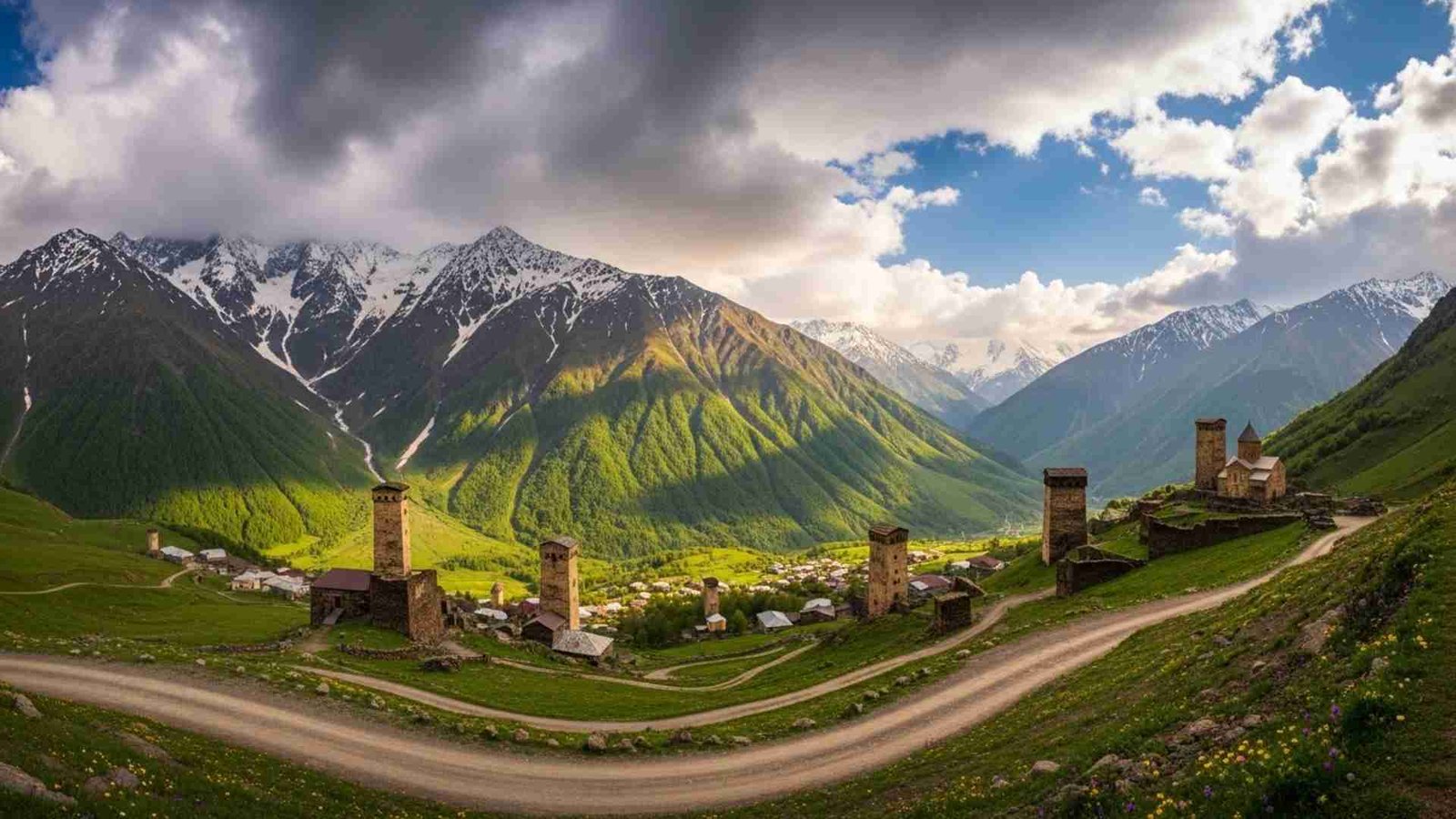
Svaneti is something of a wild card — remote, mountainous, profoundly different from typical European city holidays. It’s in north‑western Georgia, nestled along the Greater Caucasus range. Here you’ll find medieval tower‑houses in villages like Ushguli (one of Europe’s highest inhabited villages) and rugged alpine scenery that feels more “expedition” than “tourist stroll.”
Because Svaneti is less developed in terms of massive tourism infrastructure, the visitor experience feels more authentic. That means you’ll need a little more flexibility (roads can be slow, weather unpredictable) but the reward is huge: ancient culture, mountain air, golden‑lit towers at dusk. Local food and hospitality are also part of the draw — you might stay in a guesthouse in Mestia, chat with Svans (the local ethnic group) about their history
Practical Information:
- Peak/off‑peak seasons: Summer (June‑September) is best for hiking, clear skies; winter brings heavy snow and is for experienced trekkers/skiers. Shoulder seasons (May, October) can be quieter, with fewer crowds but more unpredictable roads.
- Best ways to reach and explore: Fly into Tbilisi or Kutaisi, then take a domestic connection or drive north toward Mestia. In‑region travel often means 4×4 or mountain roads. Hiring a local guide is wise.
- Ideal duration of visit: 3‑5 days minimum if you want to get into the hills and enjoy village life. For serious trekking, a week is better.
- Must‑try local experiences: Hike to the Koruldi Lakes, ride cable car above Mestia, explore the tower houses of Ushguli, savour local Svan cheese and freshwater trout.
- Budget considerations: Still very affordable compared to western Europe. Guesthouses and food in rural areas are low‑cost, though mountain access/transport can add up.
- Cultural etiquette tips: The Svans value hospitality but also tradition. Be respectful in villages: ask before photographing locals, remove shoes in homes if asked.
- Photography opportunities: Early‑morning mist in mountain valleys, stone tower houses backlit by snow‑capped peaks, sunset views over Enguri glacier.
3. Porto, Portugal
Porto often flies under the radar compared with Lisbon or the Algarve — but that’s changing quickly. In 2024, Portugal welcomed around 30 million visitors and generated about €27 billion in tourism revenue.In Porto specifically, the city is also shortlisted for the 2025 European Capital of Smart Tourism competition — it’s blending heritage and smart growth.
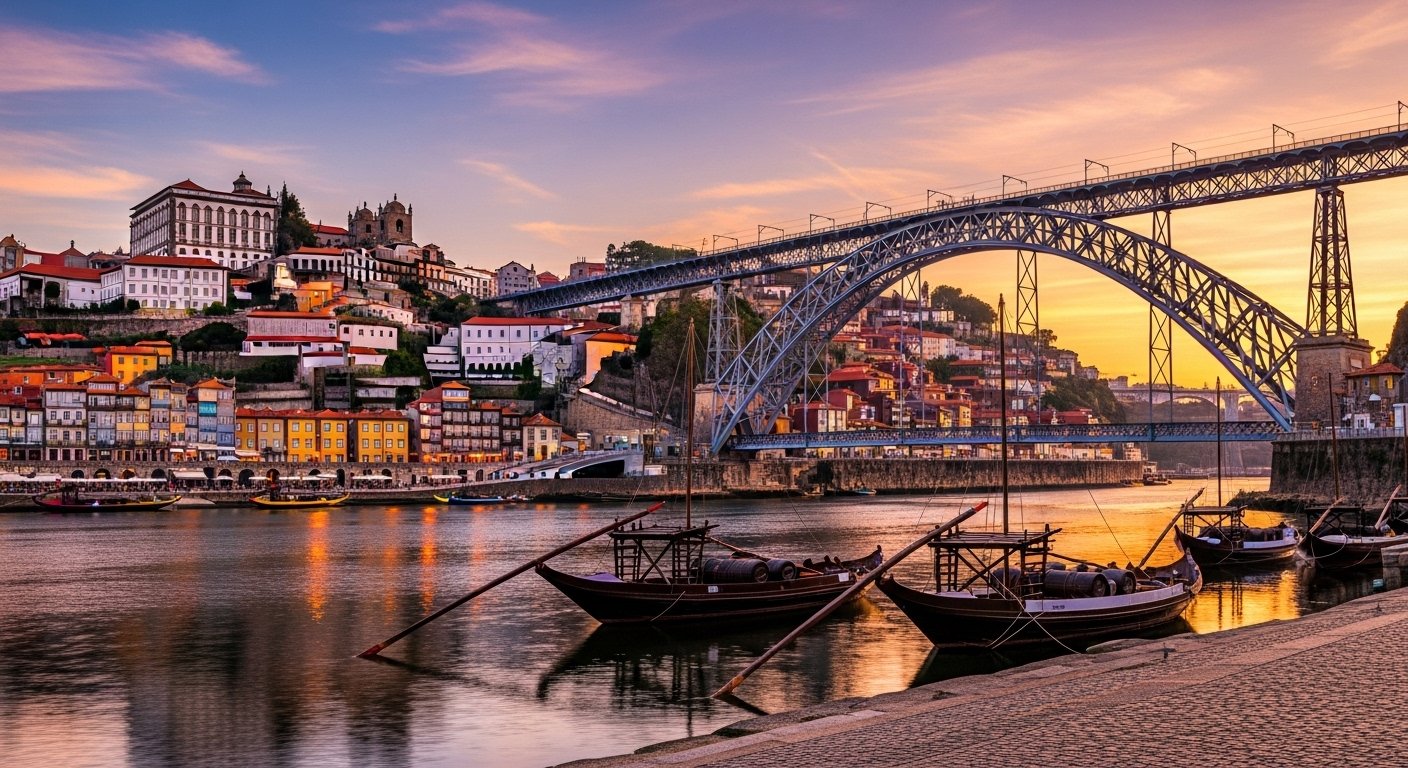
Walk through Porto’s historic Ribeira district and you’ll be reminded of why the city is charming: tiled facades, narrow alleys, views over the Douro River, and port‑wine cellars just across the bridge in Vila Nova de Gaia. But beyond the sights there’s a sense of value. You’ll find excellent food, boutique hotels, and a more relaxed vibe than the biggest tourist hubs. The influx of US tourists is growing — in May 2025, US guest numbers were up 6% year‑on‑year.
Practical Information:
- Peak/off‑peak seasons: Summer (June–August) is busy and warm; late spring (April–May) or early fall (September) offer milder weather and fewer crowds. Note: in 2025 new restrictions on alcohol sales after 9 p.m. in certain downtown zones aim to reduce disruptive drinking.
- Best ways to reach and explore: Fly into Francisco de Sa Carneiro Airport (OPO). Use Metro/trams in the city; walking is excellent in the historic centre. For Douro Valley day‑trip, take the train or a river boat.
- Ideal duration of visit: 2‑3 full days for the city; add a 1‑day trip if you want wineries or Douro landscapes.
- Cultural etiquette tips: Portuguese are friendly and polite; basic greetings in Portuguese (“bom dia”, “obrigado”) appreciated. Dress smart casual for evenings in nicer restaurants.
- Photography opportunities: Sunset over Dom Luís I Bridge, the colourful Ribeira façades from across the river, aerial view from Clerigos Tower, tile‑details (azulejos) on buildings.
4. Ljubljana, Slovenia
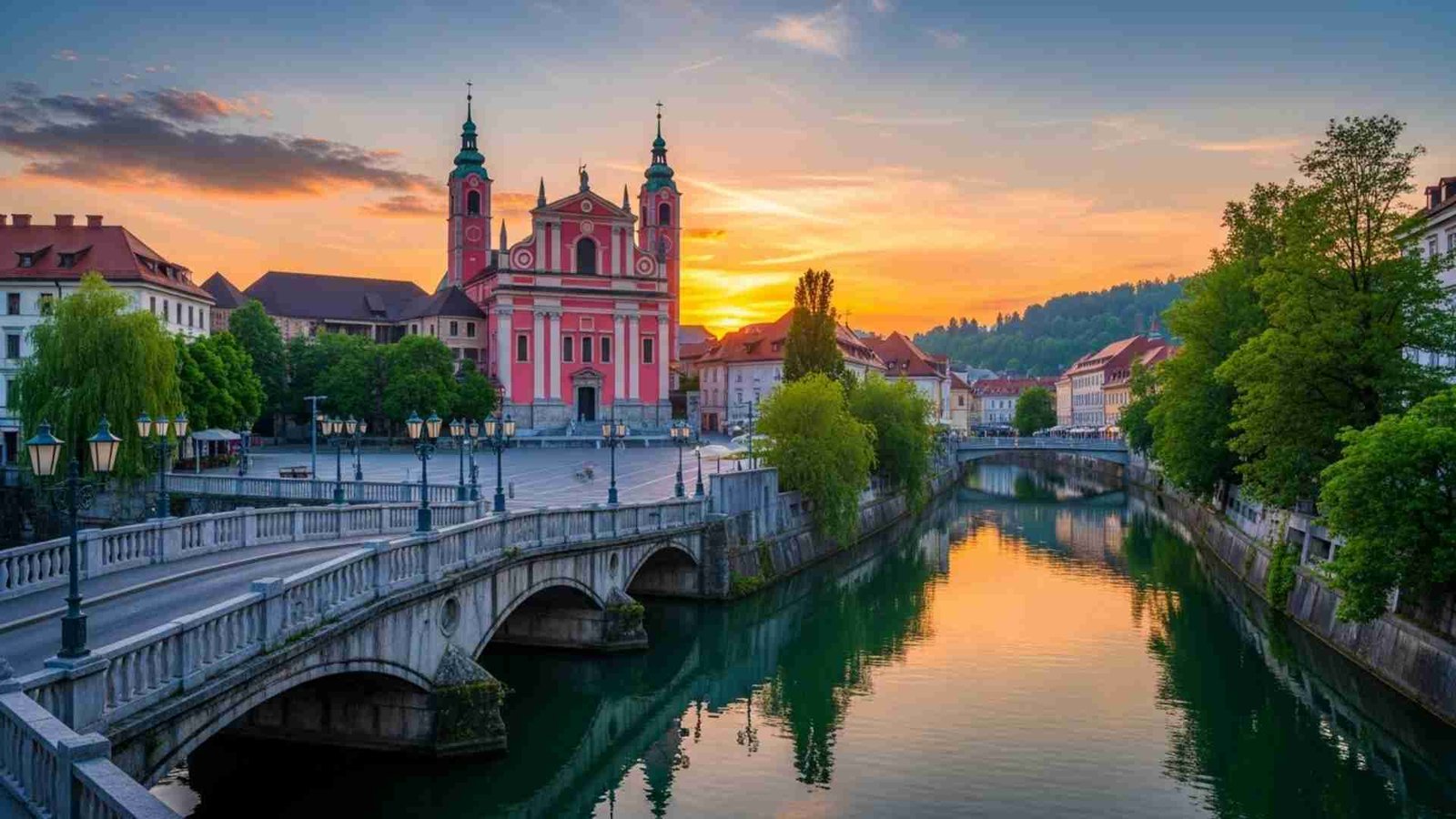
Ljubljana may be small, but it’s full of character and charm. In 2024, the city recorded about 2,590,898 overnight stays, a 12.7% increase over the prior year. Slovenia overall had around 6.58 million arrivals and 16.85 million overnight stays in 2024. What catches your eye: the Ljubljanica river winding through the old town, the triple‑bridge design by Plečnik, the castle hill rising in the background. The city feels compact, walkable, and relaxed.
Ljubljana feels like a “grown‑up” city without the stress of a mega‑city. You can ride a bike, sip coffee riverside, pop into art galleries, wander the outdoor market, and still have time to rest without feeling rushed. Also it’s been recognised as one of Europe’s greenest countries, and the capital reflects that — clean, accessible, plenty of green space.
Practical Information:
- Peak/off‑peak seasons: Summer is lively but not overwhelming; spring and early fall are ideal for weather, avoiding peaks. Winter can be cold but charming with fewer tourists.
- Best ways to reach and explore: Fly into Ljubljana Jože Pučnik Airport, then taxi/bus 20‑30 mins to city. Within the city, walking is easy; bikes and e‑scooters also common. Public transport is good.
- Ideal duration of visit: 2 days in town covers most of the highlights; extend to 3 if you want to add day‑trips (e.g., Lake Bled).
- Must‑try local experiences: Evening stroll along the river when lanterns reflect on water, visit Ljubljana Castle for views, join an open‑air market (especially at Vodnik Square), enjoy a riverside café in the old town.
- Budget considerations: Slightly higher than rural Slovenia, but still significantly lower than many major European capitals. Good value for comfortable hotels and dining.
- Cultural etiquette tips: Slovenians tend to be polite and reserved — a friendly nod and greeting go far. Most people speak good English in tourist areas.
- Photography opportunities: Early‑morning light on the triple‑bridge, castle views across red‑roofed old town, reflections in Ljubljanica river, hidden side‑streets and pastel façades.
5. Gdańsk, Poland
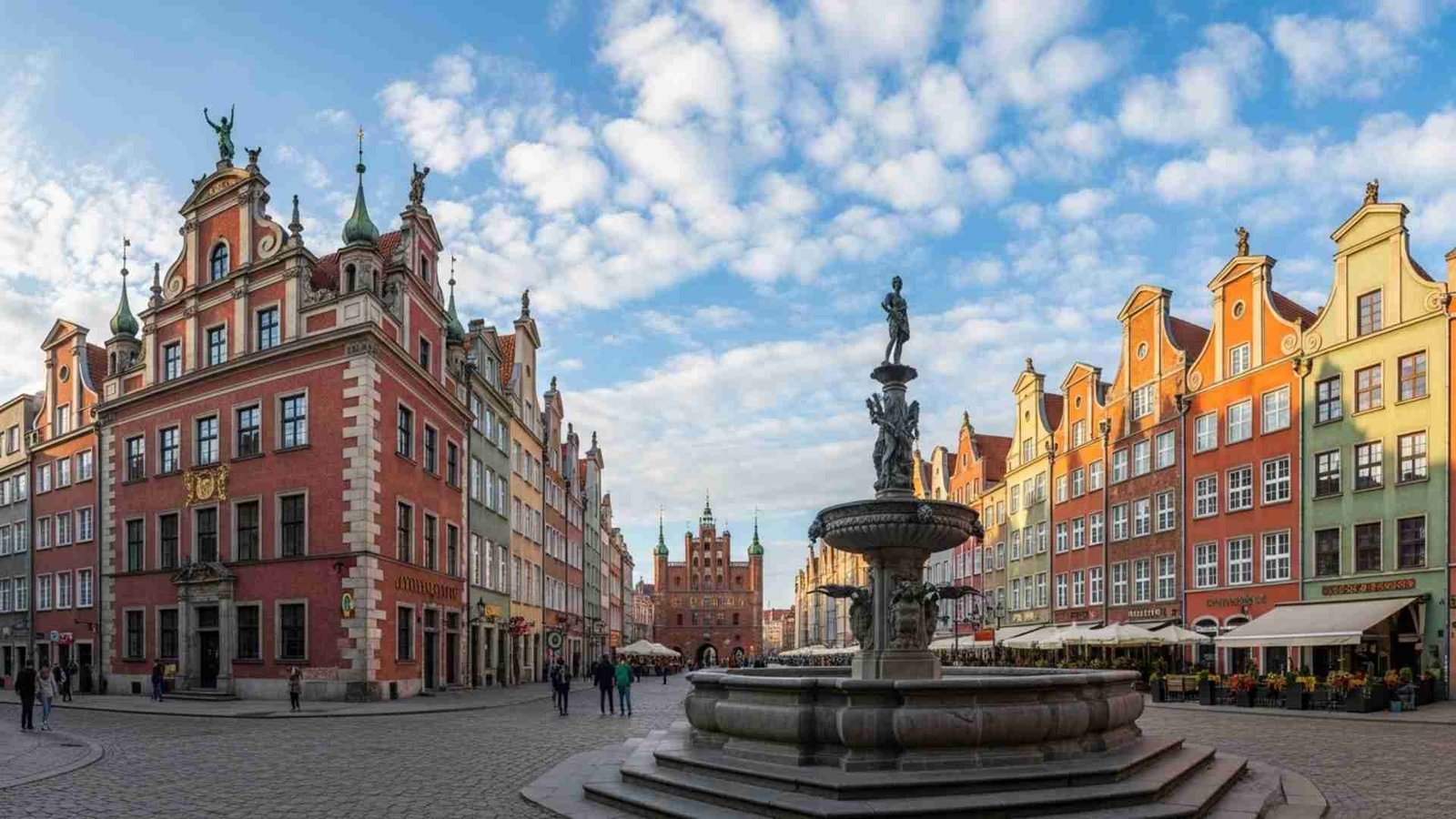
Gdańsk sits on the Baltic coast and blends rich history with surprising modern vibrancy. It was highlighted by CNN Travel in their “worth visiting in 2025” list, thanks to its architectural beauty, historic significance and growing tourism appeal. The city has nearly 500,000 residents, strong transport links (air, road, rail) and it’s both a cultural hub and a port city — so you get sea air and urban energy.
walk the old‑town streets of Gdańsk with their intricate façades, then wander to the waterfront of the Motława river for café views. History is everywhere — the city was central to the genesis of the Solidarity movement and to WWII events, so layers of meaning accompany its beauty. It’s also tapping into the future of tourism: in 2025 it hosts major conferences on “new trends in tourism”, signalling it’s moving beyond just sightseeing.
Practical Information:
- Peak/off‑peak seasons: Late spring (May) is a smart time — warmer, fewer crowds. Summer months bring higher volumes and seaside options. Autumn still decent; winter will be cold and short daylight but fewer tourists.
- Best ways to reach and explore: Gdańsk Lech Wałęsa Airport connects to many European cities. Within city use trams/buses or walk in the old town. Consider a trolley/tram to the coast or Sopot for beach time.
- Ideal duration of visit: 2‑3 full days covers the core city; 4 if you include seaside or nearby historic sites.
- Must‑try local experiences: Visit the Museum of the Second World War, glass‑blowing or amber‑shopping in old‑town, stroll the Granary Island (Wyspa Spichrzów) redevelopment, enjoy pier & beach at Brzeźno or Sopot nearby.
- Budget considerations: Poland tends to be more affordable than Western European countries; Gdańsk offers good value for comfortable lodging, meals, and transport.
- Cultural etiquette tips: Poles generally appreciate polite greetings; learning a few phrases in Polish “Dzień dobry” (good day) helps. Be mindful at memorial sites (many war‑related).
- Photography opportunities: Sunset from the tower of St Mary’s Church, Motława river reflections, the colourful Facades of Ulica Długa and Długi Targ, seaside views from the pier at Sopot.
6. Zagreb, Croatia
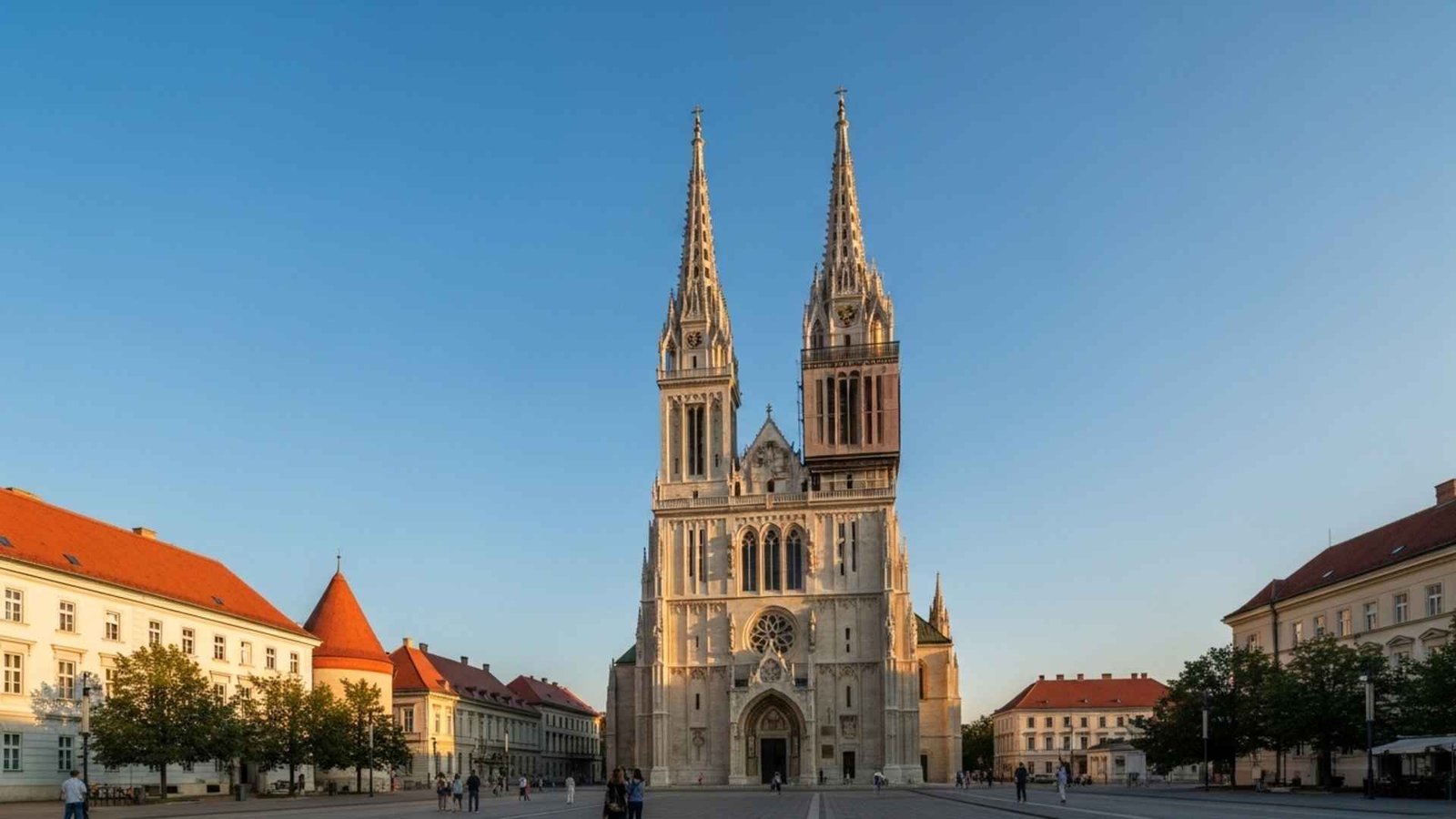
Zagreb might not have the coastal allure of Split or Dubrovnik, but it’s in the heart of the continent and boasts an appeal all its own. Croatia’s capital is a blend of medieval charm and modern urbanism, with an energetic café culture and some of the best street art in Central Europe. Visitors often overlook Zagreb for its flashier neighbors, but those who venture here are rewarded with a vibrant arts scene, local folklore, and incredible food. Zagreb’s Gornji Grad (Upper Town) might be narrow and cobbled, but it’s where Croatia’s heart beats — home to street vendors selling everything from folk crafts to artisanal honey, alongside historic churches and museums.
Picture yourself walking through the Dolac Market in the early morning. It’s bustling but not overwhelming. Farmers from the surrounding countryside gather, laying out fresh produce and traditional Croatian delicacies. You can sip coffee at an outdoor café with the local buzz around you, and the atmosphere is lively but authentic — this is Zagreb. It’s a place to discover traditional bakeries and hidden courtyard bars.
Practical Information:
- Peak/off‑peak seasons: Spring and fall are the best times — temperatures are mild, and the tourist crowds are thinner. Summer gets a little crowded due to Zagreb’s festival season, but it’s also when the city comes alive.
- Best ways to reach and explore: Zagreb is well-connected by bus and train to the rest of Europe. The city is very walkable, but you can also hop on trams to zip around, making the exploration easy and fun.
- Ideal duration of visit: A solid 2–3 days to fully appreciate the city, with an afternoon spent in Maksimir Park or along the Sava River.
- Must-try local experiences: Visit Zagreb’s Cathedral, explore the quirky Museum of Broken Relationships, and take a stroll around Tkalčićeva Street, lined with lively bars and restaurants.
- Budget considerations: Zagreb is fairly affordable. Enjoy local food in the form of hearty meals for a fraction of the price you would pay in Western Europe.
- Photography opportunities: Zagreb’s old town, the stunning architecture of Zagreb Cathedral, and scenic views from Medvedgrad Fortress provide plenty of photo ops.
7. Vilnius, Lithuania
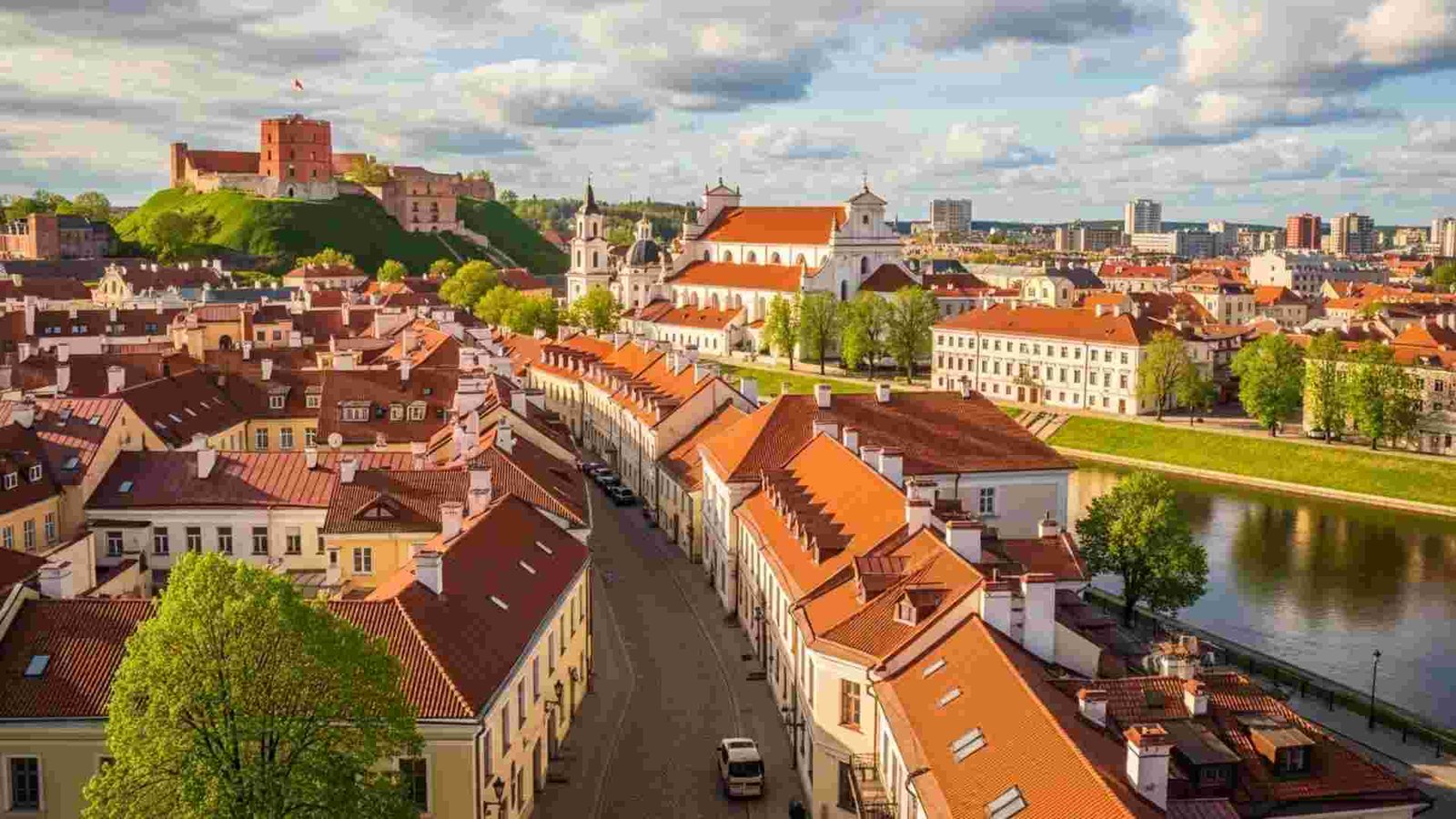
Vilnius has a certain magic to it — it’s a place that feels like a mix of a medieval town and an up-and-coming European capital. It’s often overshadowed by its Baltic neighbors, but once you step into the Old Town, a UNESCO World Heritage site, you’ll realize how unique this city is. The Old Town is a labyrinth of winding streets and baroque architecture, where churches and cobblestones seem to tell stories of centuries gone by. But there’s a modern side to Vilnius, too, with street art popping up on previously overlooked walls, and creative hubs nestled among its ancient buildings.
wandering along the Uzupis District, a bohemian enclave that has declared itself an independent republic (don’t worry, it’s all for fun). With quirky cafés, art galleries, and funky sculptures, it feels like you’ve stepped into a creative space where anything is possible. The residents here even wrote their own constitution, one that includes such whimsical articles as “Everyone has the right to be unique” and “A dog has the right to be a cat.” It’s strange, quirky, and utterly charming.
Key Practical Information
- Peak/off‑peak seasons: Visit in spring or autumn for mild weather and fewer crowds. Summer months can be more touristy, but the Vilnius Old Town offers a lovely backdrop for those warm-weather strolls.
- Best ways to reach and explore: Vilnius is a compact city, perfect for exploring by foot. If you’re arriving by air, Vilnius International Airport is just a short bus ride or taxi ride away from the city center.
- Ideal duration of visit: 2–3 days is enough to explore Vilnius’ historical spots and modern scenes.
- Must-try local experiences: Walk along the cobbled streets of Pilies Street, visit Vilnius Cathedral, and relax in Vingis Park. A trip to Uzupis for an afternoon is a must.
- Budget considerations: Vilnius offers great value, with many affordable cafes, restaurants, and hotels, especially compared to other European capitals.
- Photography opportunities: The charming streets of Old Town, the panoramic view of the city from Gedimino Castle, and the colorful murals in Uzupis are great photo spots.
8. Brasov, Romania
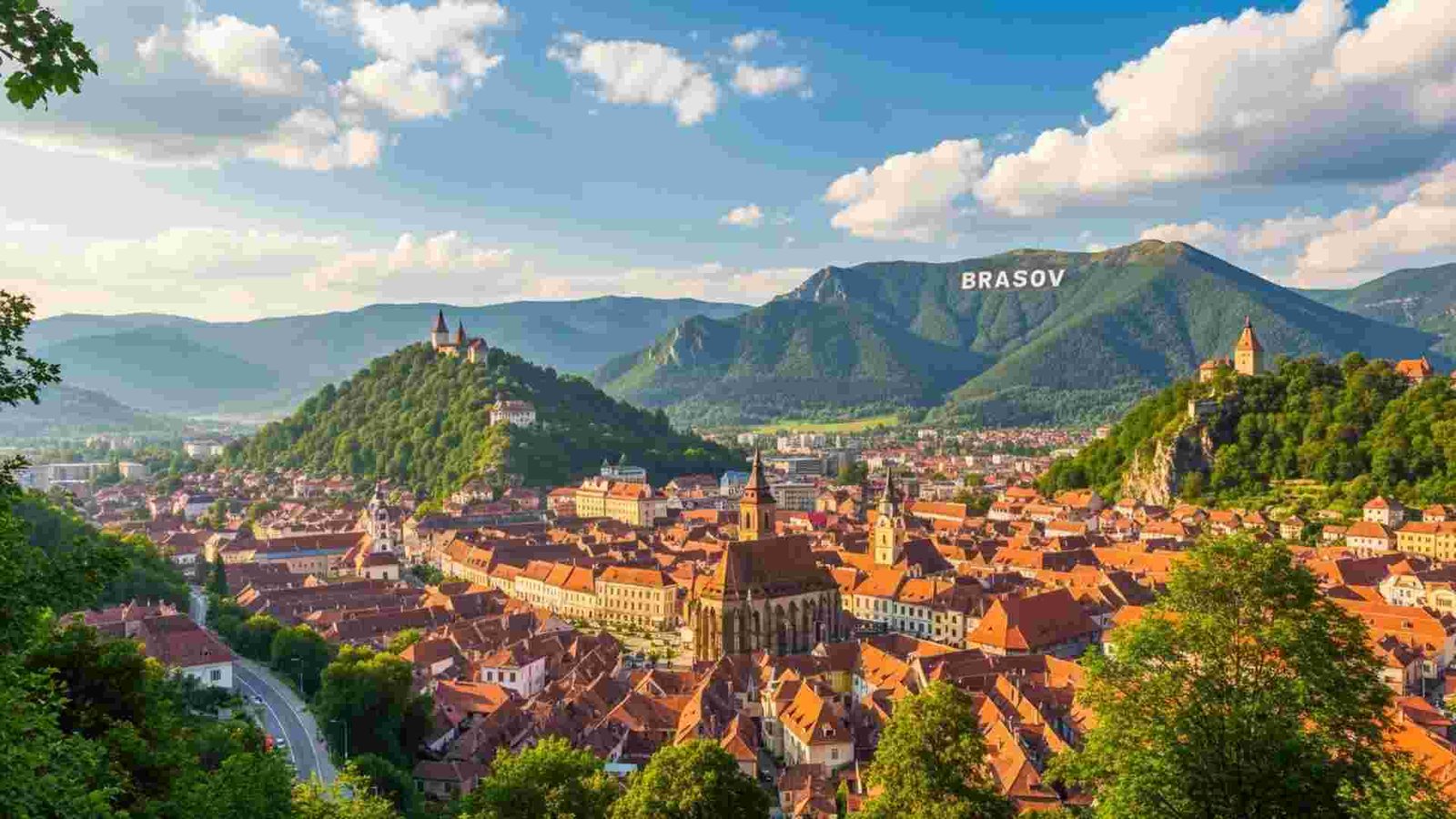
Brasov is Romania’s best-kept secret. It’s the gateway to the famous Transylvanian countryside but offers an appealing mix of medieval architecture, charming squares, and the grandeur of the surrounding mountains. This city, nestled in the Carpathian Mountains, serves as the setting for Dracula’s legend, but it’s much more than just a gothic tale. The blend of Austro-Hungarian and medieval influences gives Brasov a distinct vibe. From its iconic Black Church to its vibrant squares, Brasov offers a refreshing slice of Romania with a small-town feel and big-city attractions.
You’re wandering through the Council Square in Brasov’s Old Town, where street performers entertain passersby, and the air smells faintly of roasted chestnuts. The lively atmosphere feels like a perfect mix of old and new, with locals sipping coffee alongside tourists exploring the narrow streets. You can take a short hike up to Tampa Mountain for panoramic views of the city, or you can visit Bran Castle — the rumored home of Dracula.
Key Practical Information
- Peak/off‑peak seasons: Visit in spring or fall to enjoy fewer crowds and milder temperatures. Winter brings skiing opportunities, but it’s cold and snowy.
- Best ways to reach and explore: Take a train from Bucharest or Cluj-Napoca to Brasov — it’s a comfortable and scenic ride. Brasov is easily walkable, but taxis and buses are also available.
- Ideal duration of visit: 2 days to explore Brasov and a day for nearby attractions like Bran Castle or Peles Castle.
- Must-try local experiences: Explore Council Square, take the cable car to Tampa Mountain, and enjoy hearty Romanian meals at traditional local restaurants.
- Budget considerations: Brasov is still quite affordable. You can find cozy accommodations and excellent meals at a fraction of the cost of Western Europe.
- Photography opportunities: Snap the Black Church and the medieval streets from the mountain tops, and get the perfect shot of Brasov’s Old Town at sunset.
9. Sofia, Bulgaria
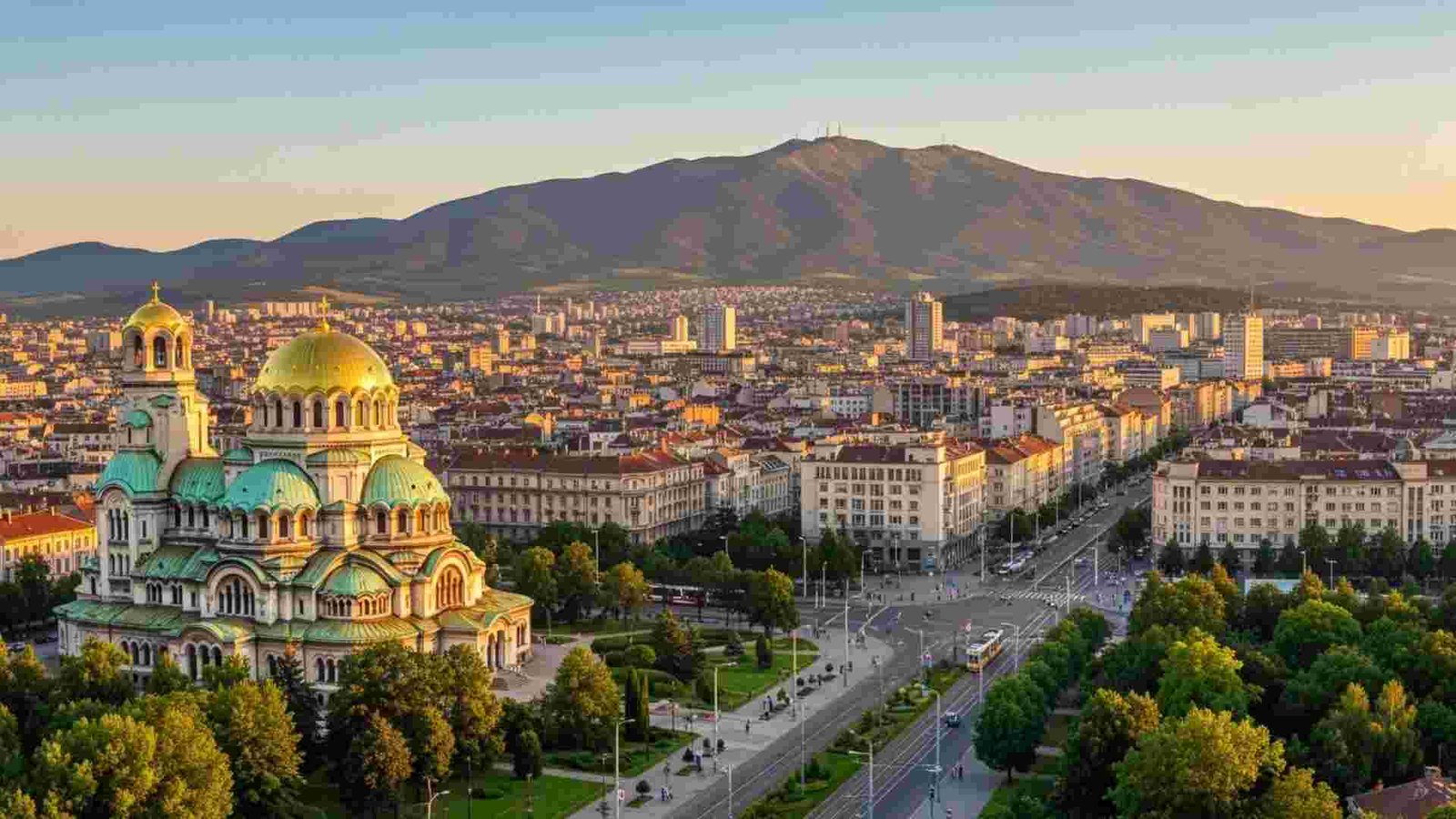
Sofia often flies under the radar, yet it’s a city that brings together a remarkable mix of ancient ruins, Soviet-era architecture, and contemporary flair. Bulgaria’s capital is surrounded by natural beauty — the Vitosha Mountain stands proudly in the background, offering a spectacular view of the city. The city itself has a fascinating history, from Roman ruins beneath bustling streets to grand communist monuments and modern developments pushing the city forward. It’s becoming a hub for young entrepreneurs, artists, and digital nomads, giving Sofia a fresh, vibrant energy.
You’re walking through Vitosha Boulevard, the city’s main shopping street, lined with cafes and small boutiques. The mountains loom in the distance, and you can easily catch a bus to go hiking for a day. But in the heart of the city, you’ll stumble upon Roman ruins at the Saint George Rotunda or take in the Alexander Nevsky Cathedral, one of Europe’s largest Orthodox cathedrals. The city seamlessly mixes old and new, and you feel it everywhere — Sofia offers a journey through time.
Key Practical Information
- Peak/off‑peak seasons: Spring and early autumn are the best times for weather. Winters can be cold but magical if you enjoy snow, while summers can be quite hot.
- Best ways to reach and explore: Sofia is well-connected by air and road. Once in the city, explore on foot or by metro (the most cost-effective and quickest way to get around).
- Ideal duration of visit: 2–3 days gives you enough time to take in the history, culture, and surrounding nature.
- Must-try local experiences: Visit Alexander Nevsky Cathedral, soak in the Roman ruins at Serdica, and relax in one of the many city parks.
- Budget considerations: Sofia is very affordable, making it a great destination for those looking for a European city experience without breaking the bank.
- Photography opportunities: The majestic Alexander Nevsky Cathedral, the ruins of Serdica, and panoramic views from Vitosha Mountain are perfect for photography.
10. Mostar, Bosnia & Herzegovina
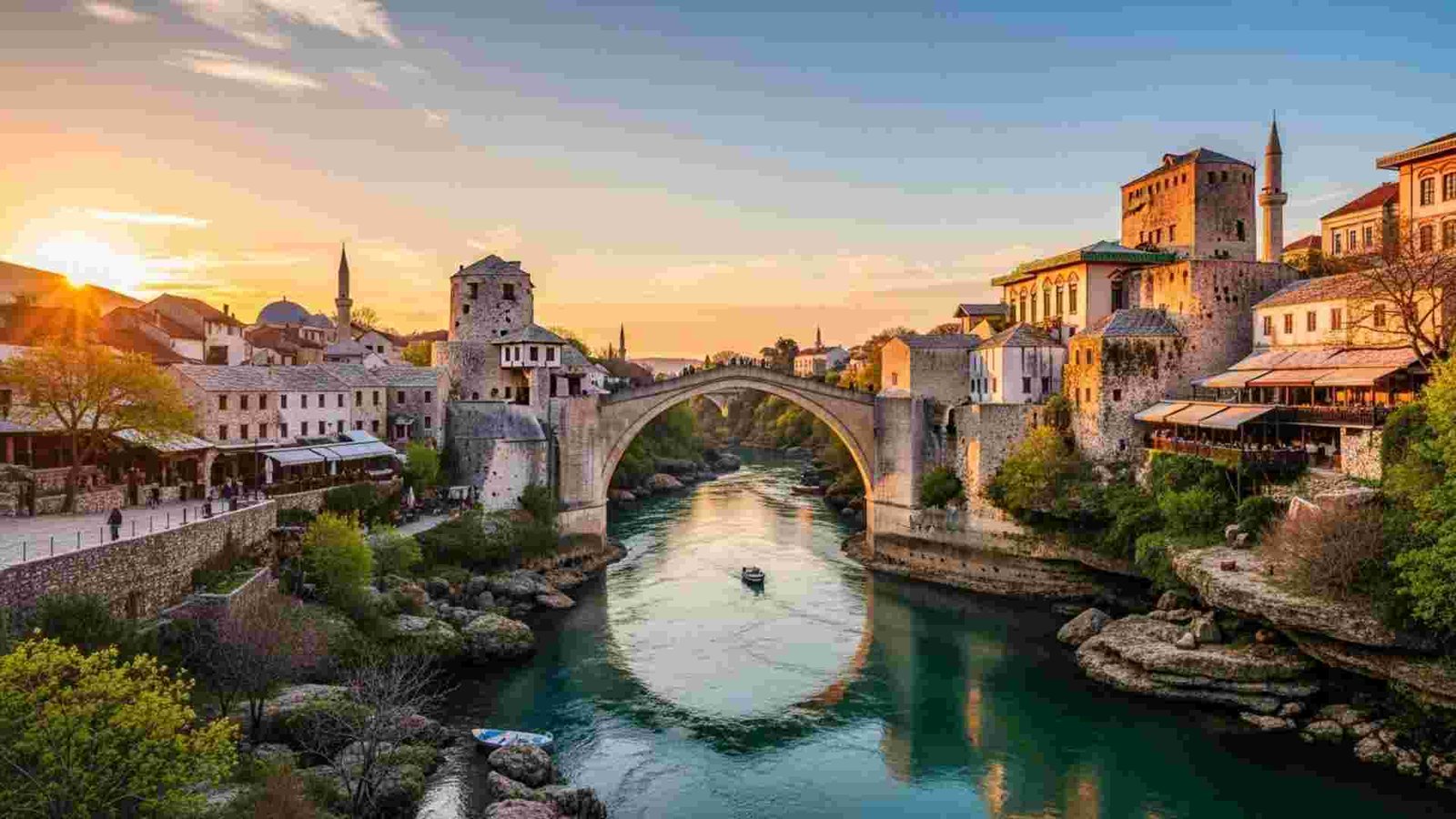
Mostar’s iconic Stari Most (Old Bridge) has become one of the most photographed landmarks in Europe, but there’s much more to this small, charming city than its bridge. Located in southern Bosnia, Mostar is a beautiful mix of Ottoman influences and Mediterranean flair. Walking through the Old Bazaar feels like stepping back in time, with narrow streets lined with traditional shops and restaurants. Beyond the bridge, you’ll find a warm and welcoming community, a blend of Eastern and Western traditions. It’s a place where you’ll hear stories of conflict and reconciliation, but also stories of hope and rebuilding.
Walking through Mostar’s Old Town, you’ll pass quaint cafés where you can enjoy Bosnian coffee and traditional sweets like baklava while watching the river flow below. From the bridge, the view of the city and the river is unforgettable, especially when you see the brave souls leaping off the bridge — a tradition carried on since the 16th century.
Key Practical Information
- Peak/off‑peak seasons: Spring (April–May) and autumn (September–October) are perfect for visiting Mostar — the weather is pleasant, and the crowds are thinner.
- Best ways to reach and explore: Fly into Sarajevo or Dubrovnik and take a bus to Mostar. The city is small and walkable, but buses are available for longer trips.
- Ideal duration of visit: 1–2 days to take in the city’s sights, including Stari Most, Koski Mehmed Pasha Mosque, and the Old Bazaar.
- Must-try local experiences: Visit the Old Bridge, explore the Old Bazaar, and taste local dishes like Ćevapi or sogan-dolma.
- Budget considerations: Mostar is inexpensive compared to Western Europe, making it a great budget destination.
- Photography opportunities: The Stari Most from various angles, the river below, and the colorful streets of the old town are perfect photo spots.
11. Wrocław, Poland
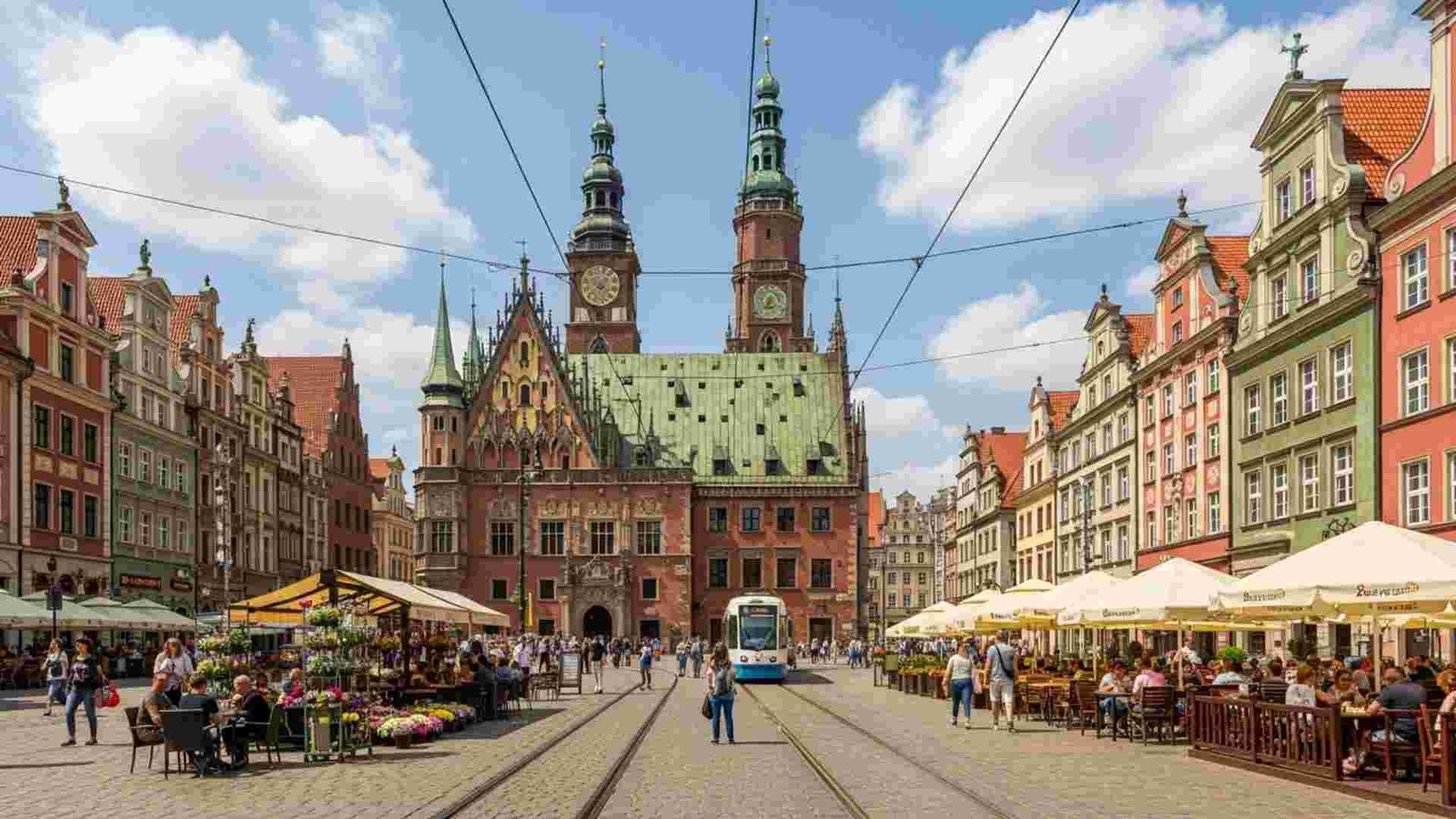
Wrocław, Poland’s fourth-largest city, is often overshadowed by the usual suspects like Kraków or Warsaw. Yet this city, known for its picturesque Market Square, is a hidden gem for those who venture beyond the main tourist trail. Wrocław is home to Ostrów Tumski, an island where you’ll find the oldest cathedral in the city, and Centennial Hall, an architectural marvel. But what really makes Wrocław unique are the dwarf statues scattered around the city — quirky little figures that add character to the urban landscape and are the city’s quirky treasure hunt.
Head to the Odra Riverbanks at dusk, when the reflections of the city’s beautifully illuminated buildings dance across the water. It’s a photographer’s paradise, and far fewer tourists make it out to this peaceful stretch compared to the busy Market Square. Grab a beer at one of the riverside cafés and watch the city settle into evening, all while soaking up its unique blend of Gothic and Art Nouveau architecture.
Key Practical Information
- Peak/off‑peak seasons: The best times to visit are late spring (May–June) and early fall (September–October). Summer can be lively but packed.
- Best ways to reach and explore: Wrocław is well-served by its airport, with connections from major European cities. Once in the city, trams, buses, and walking will get you everywhere you need to go.
- Ideal duration of visit: 2-3 days is enough to see the highlights of Wrocław and still have time to explore its tranquil nooks.
- Must-try local experiences: Explore Ostrów Tumski, get lost in the colorful Market Square, and search for the dwarfs that have become an emblem of the city.
- Budget considerations: Wrocław is very affordable, especially when it comes to food and drink. You can enjoy local delicacies and hearty meals without breaking the bank.
- Photography opportunities: Market Square at night, the dwarf statues, and the Centennial Hall from afar, especially when it’s illuminated in the evening.
12. Kraków, Poland
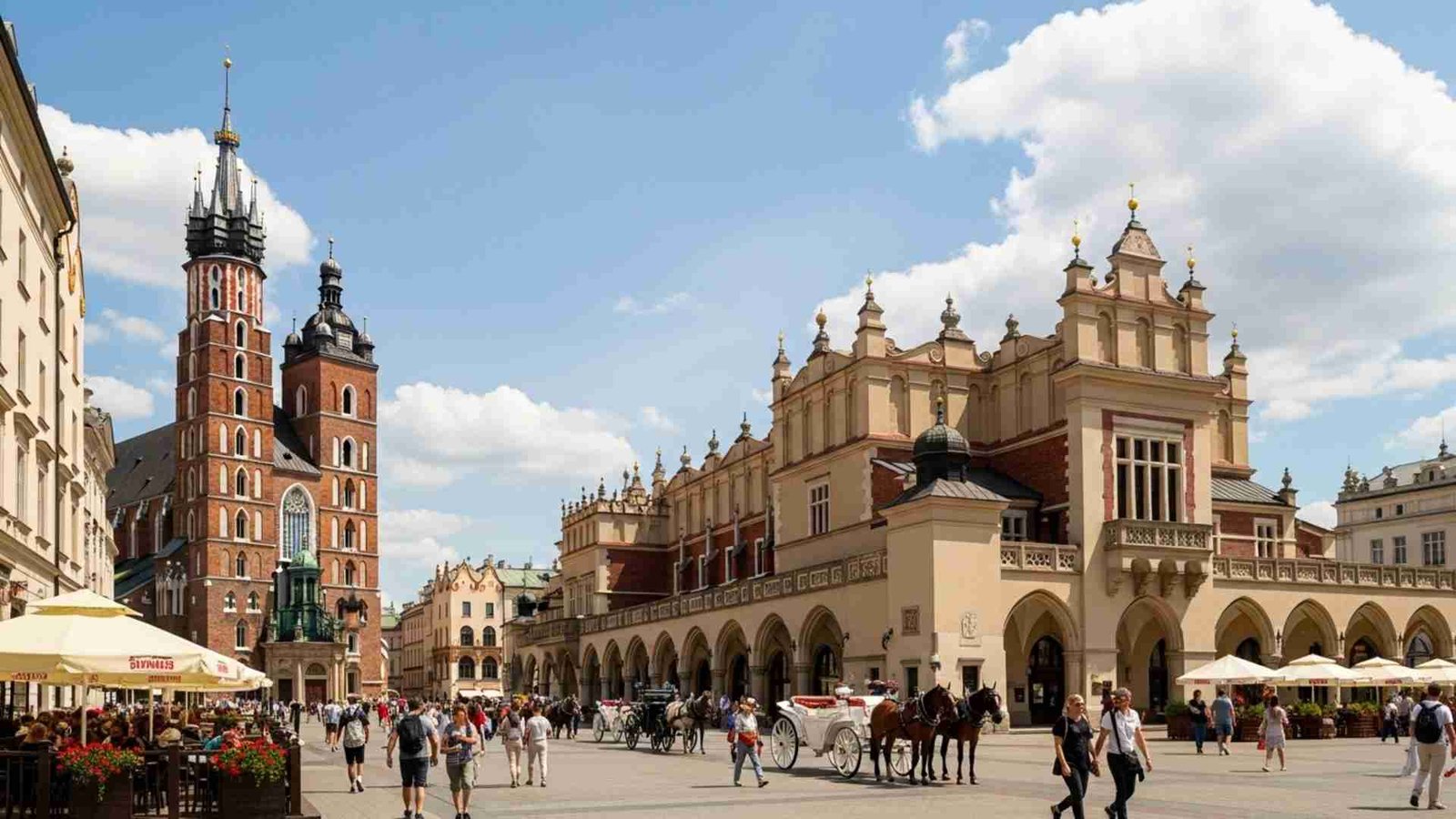
While Kraków may not be a true secret, it still offers so many layers beyond its well-trodden paths. The city’s Kazimierz district, once the Jewish quarter, is often overlooked by tourists in favor of the famous Main Square. Here, you’ll find hidden synagogues, bustling outdoor markets, and atmospheric cafes tucked into former merchant houses. Plac Nowy, a local market square, is where you’ll stumble upon the delicious “zapiekanka”—a Polish-style baguette topped with mushrooms, cheese, and other delights.
When in Kraków, avoid the crowds at Wawel Castle and instead head up to Kościuszko Mound. This hilltop provides an incredible view of the city and a quiet respite from the tourist bustle below. It’s an easy climb, and the view of Kraków’s Old Town, with its gothic spires and red rooftops, is well worth the effort.
Key Practical Information
- Peak/off‑peak seasons: Kraków is busiest in summer, so spring and fall are ideal for a quieter, more relaxed experience.
- Best ways to reach and explore: Fly into John Paul II Kraków–Balice International Airport or take a train from Warsaw. The city is small, and walking or biking around is the best way to get to know it.
- Ideal duration of visit: 3-4 days allows you to see the Old Town, Kazimierz, and the famous Auschwitz-Birkenau Memorial.
- Must-try local experiences: Visit the Wawel Castle, explore Kazimierz, and don’t miss out on the hearty pierogi and traditional Polish vodka.
- Budget considerations: Kraków is relatively inexpensive, but prices can creep up near the main attractions. Still, it offers great value for a major city.
- Photography opportunities: Main Square, Wawel Castle, and Kazimierz’s narrow streets provide plenty of picturesque moments.
13. Timișoara, Romania
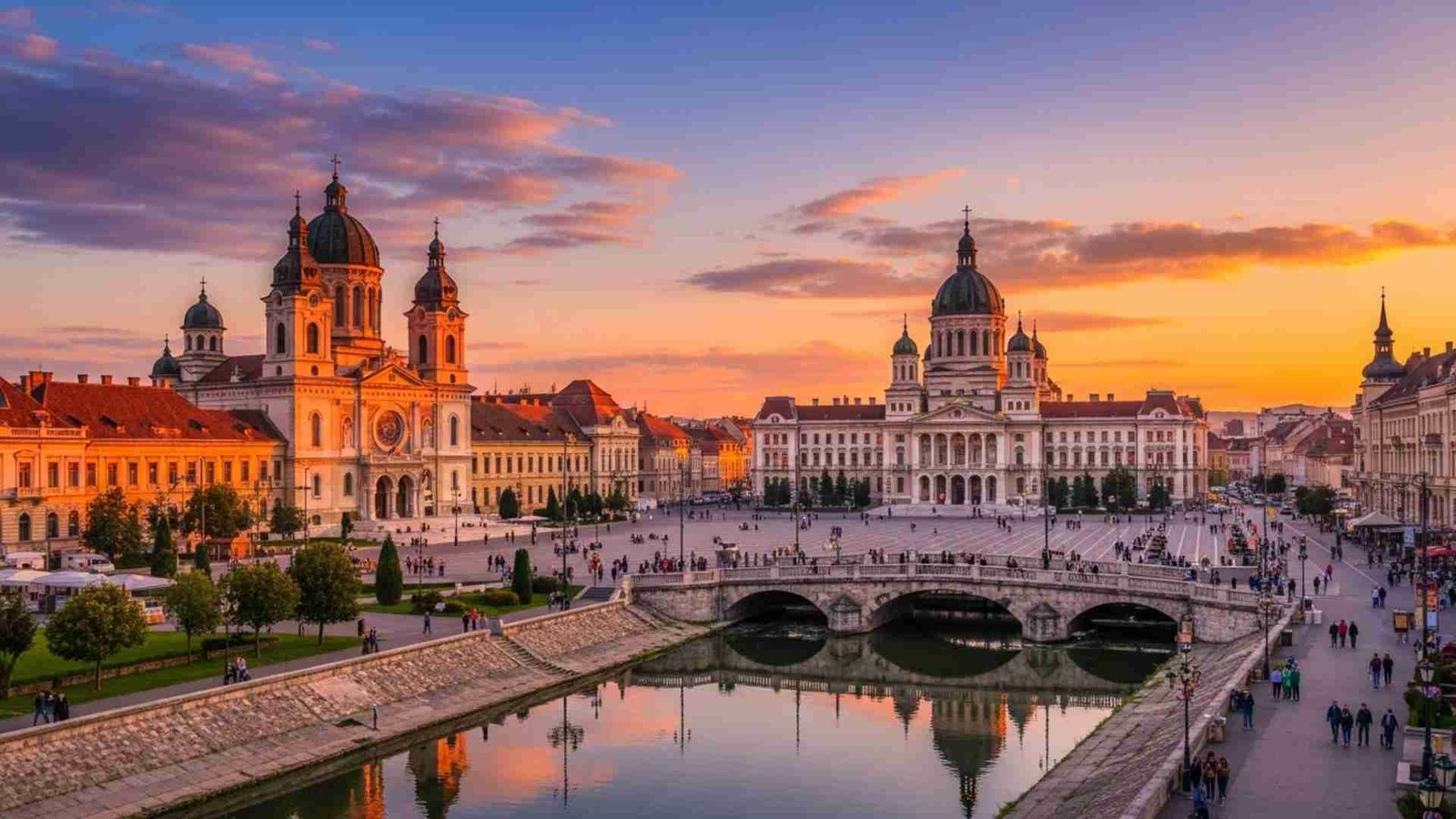
Timișoara is a city that doesn’t boast the same recognition as Bucharest, but it’s a cultural powerhouse with a lot to offer. Often referred to as the “Little Vienna” for its Baroque-style buildings and Austrian heritage, Timișoara is also home to vibrant art galleries, theatres, and green spaces. The Union Square and Victory Square are surrounded by charming cafes, but the real discovery lies in the Fabric District, where former industrial areas have transformed into creative spaces.
If you’re here in spring or summer, be sure to check out the Timișoara Opera House for an evening performance — it’s less crowded and incredibly affordable compared to Western European cultural venues. Also, don’t forget to walk through Botanic Park for a peaceful retreat away from the busy streets.
Key Practical Information
- Peak/off‑peak seasons: Late spring to early autumn is the best time to visit for pleasant weather. Winters are cold, but you can still enjoy a peaceful, less touristy experience.
- Best ways to reach and explore: Fly into Timișoara Traian Vuia International Airport or take a train from Bucharest. Once in Timișoara, walking is the best way to explore, but you can also rent bikes.
- Ideal duration of visit: 2-3 days gives you enough time to see the main sites and explore the local culture.
- Must-try local experiences: Visit Victory Square, explore the Bega Canal, and taste sarmale (stuffed cabbage rolls).
- Budget considerations: Timișoara is affordable, especially compared to larger cities in Romania. Meals and accommodation are very reasonably priced.
- Photography opportunities: Victory Square and its surrounding architecture, the colorful streets of the Fabric District, and peaceful moments in Botanic Park.
14. Trieste, Italy
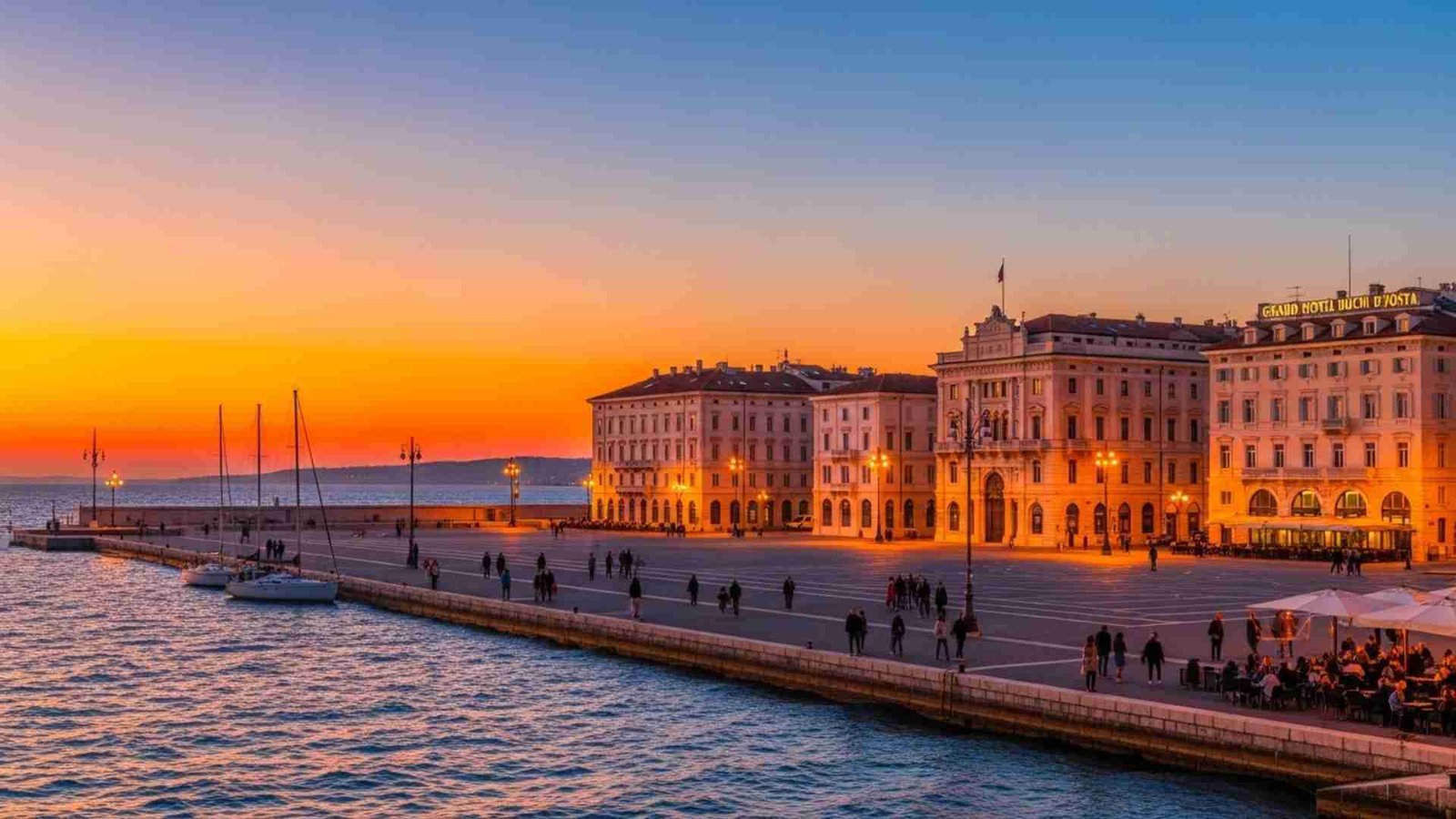
Tucked away in Italy’s northeastern corner, Trieste is a city often overlooked by tourists who flock to Venice or Rome. But Trieste, with its Austro-Hungarian legacy, offers a unique mix of Italian warmth and central European charm. Walk along the Grand Canal, then head up to the Castello di Miramare — a stunning castle perched on a cliff, offering panoramic views of the Adriatic. Trieste’s blend of coffee culture (it’s the birthplace of Illy Coffee) and literary history (home to writers like James Joyce) makes it a unique destination.
Take a moment to sip a coffee at one of the historic cafes in Piazza Unità d’Italia, the largest sea-facing square in Europe. The café culture here is deep-rooted, and you’ll find the locals engaged in animated discussions over their morning espresso. For a more adventurous experience, hike up San Giusto Hill for breathtaking views of the city and the sea beyond.
Key Practical Information
- Peak/off‑peak seasons: Summer (June–August) brings warm weather but can be crowded; spring and fall are perfect for fewer crowds and ideal weather.
- Best ways to reach and explore: Trieste is easily accessible by train from Venice or Milan. The city is walkable, but buses are available for longer distances.
- Ideal duration of visit: 2–3 days to explore the city and its surroundings.
- Must-try local experiences: Visit Castello di Miramare, enjoy a coffee in Piazza Unità d’Italia, and explore the local seafood restaurants.
- Budget considerations: Trieste is more affordable than other major Italian cities, though prices can be a bit higher along the coast.
- Photography opportunities: Castello di Miramare at sunset, the vibrant Piazza Unità d’Italia, and the dramatic views from San Giusto Hill.
15. Innsbruck, Austria
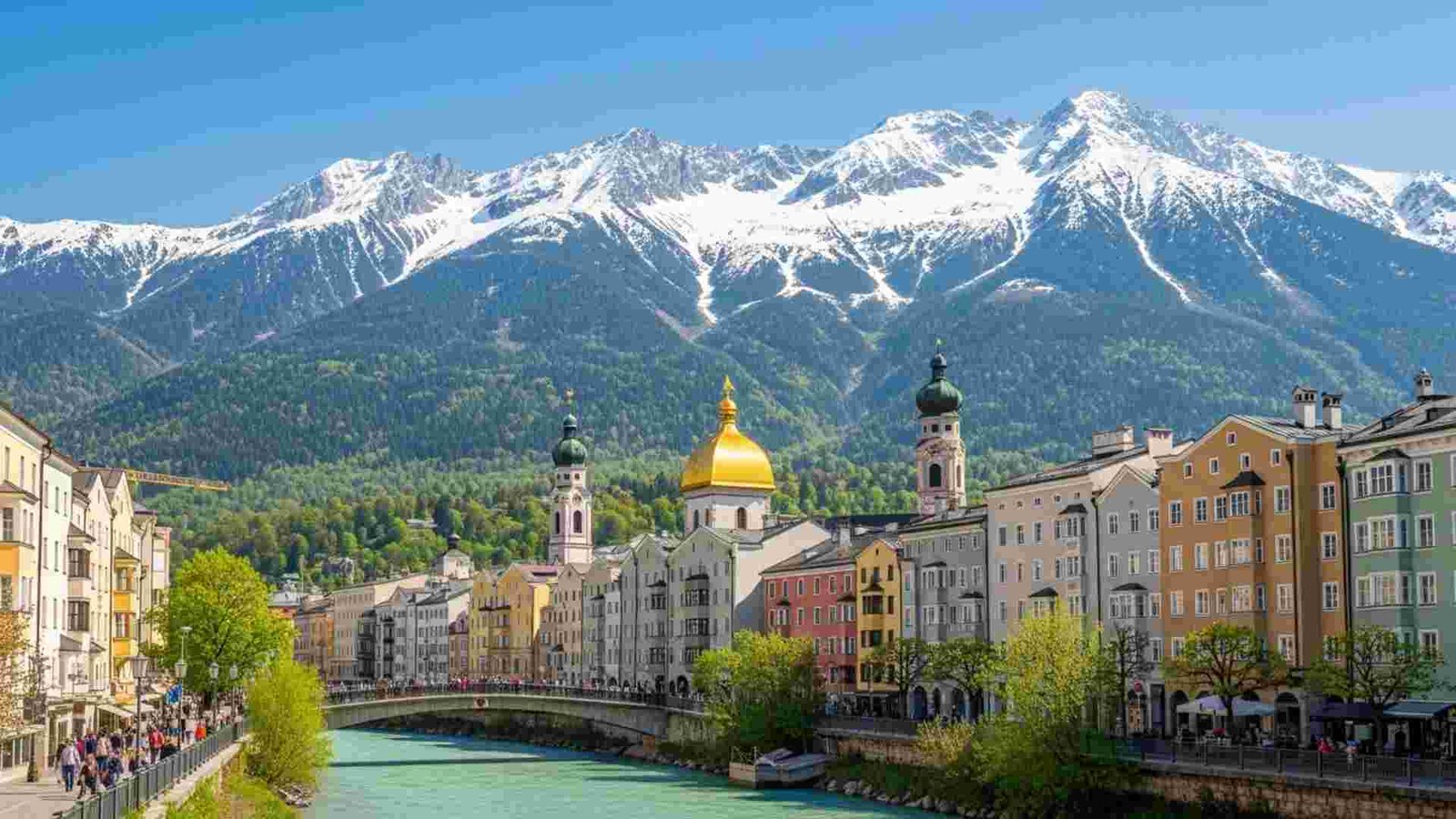
While Innsbruck is well-known for its winter sports and Alpine beauty, it’s also home to some less-explored spots that make it a standout destination. Take a stroll through the Old Town, with its Golden Roof and medieval buildings, and you’ll soon find that Innsbruck is much more than just a skiing hub. For an unexpected twist, explore Ambras Castle, a Renaissance castle with an extensive art collection and beautiful gardens. The Nordkette mountain range is a short cable car ride away, offering stunning vistas year-round.
After you’ve conquered the usual sights, take a cable car up to Seegrube and try the Alpine gourmet food at one of the restaurants with sweeping views of the city below. Alternatively, head to Zaha Hadid’s Bergisel Ski Jump for a more futuristic perspective on the city.
Key Practical Information
- Peak/off‑peak seasons: Skiing is the draw in winter, but for warmer weather and fewer tourists, visit between May and September.
- Best ways to reach and explore: Fly into Innsbruck Airport, or take a scenic train ride from Salzburg. Within the city, trams and buses are great for getting around.
- Ideal duration of visit: 2–3 days if you plan to ski, or 2 days if you’re focusing on the cultural side of the city.
- Must-try local experiences: Ride the cable car up Nordkette, visit Ambras Castle, and taste Tiroler Gröstl (a hearty potato-based dish).
- Budget considerations: Innsbruck is more expensive than cities in Eastern Europe but offers good value when compared to other Western European ski destinations.
- Photography opportunities: The Golden Roof, views from Nordkette, and the Bergisel Ski Jump are perfect shots.
16. Český Krumlov, Czech Republic
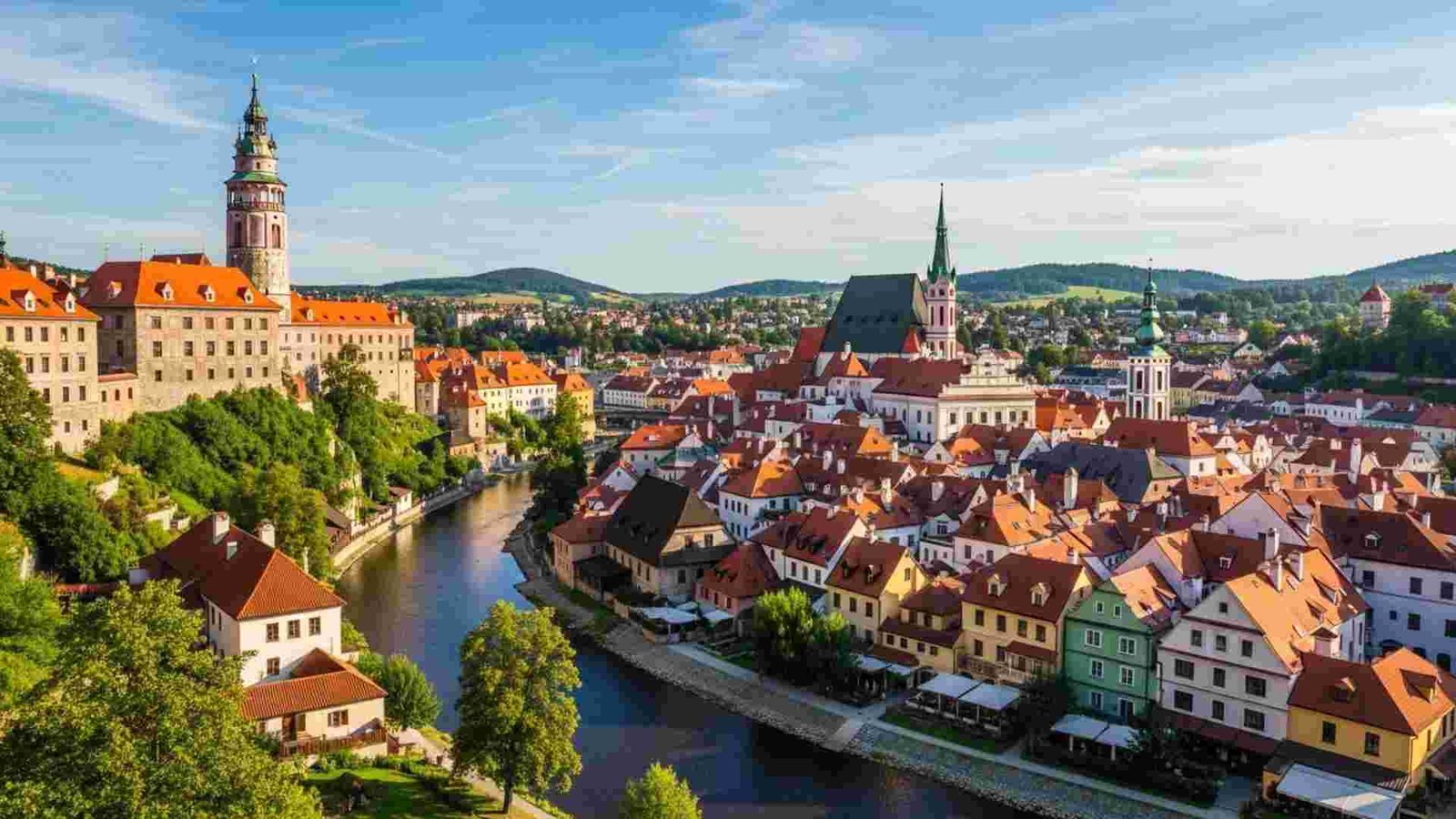
Český Krumlov is often a name that pops up in the “underrated destinations” list — but it’s actually one of the most photogenic towns in Europe. With its winding medieval streets and stunning castle perched above the Vltava River, it feels like stepping into a fairytale. The town’s Czech baroque architecture is charming, but beyond that, the art scene here is vibrant and growing. Egon Schiele Art Centre showcases the town’s modern artistic pulse, blending the past with the present.
Take a leisurely raft ride on the Vltava River around Český Krumlov. It’s an unexpected way to experience the town’s beauty from a different angle. Also, don’t miss the Krumlov Castle Gardens for a peaceful walk in the quieter parts of the town.
Key Practical Information
- Peak/off‑peak seasons: Summer is busy, but spring and fall provide a quieter, more romantic experience. Winter brings its own charm, especially with fewer tourists.
- Best ways to reach and explore: Český Krumlov is easily accessible by train or bus from Prague. The town is small and easily explored on foot.
- Ideal duration of visit: 1–2 days to explore the Old Town, visit the castle, and enjoy the river views.
- Must-try local experiences: Visit Český Krumlov Castle, wander through the Old Town, and enjoy a boat ride on the Vltava River.
- Budget considerations: Affordable compared to Prague, with plenty of budget-friendly cafes and accommodations.
- Photography opportunities: The medieval streets, Český Krumlov Castle at sunset, and the views from the river.
Conclusion:
Europe’s best-kept secrets are more than just hidden gems—they represent the perfect blend of affordability, rich culture, and unforgettable experiences. From the vibrant streets of Vilnius to the stunning landscapes of Svaneti, these cities and regions offer a unique and authentic European experience without the overwhelming crowds. For travelers seeking a fresh adventure, these lesser-known destinations are the perfect escape, offering both history and modern charm at a fraction of the cost of more tourist-heavy locales. It’s time to explore Europe’s treasures before they’re discovered by everyone else.