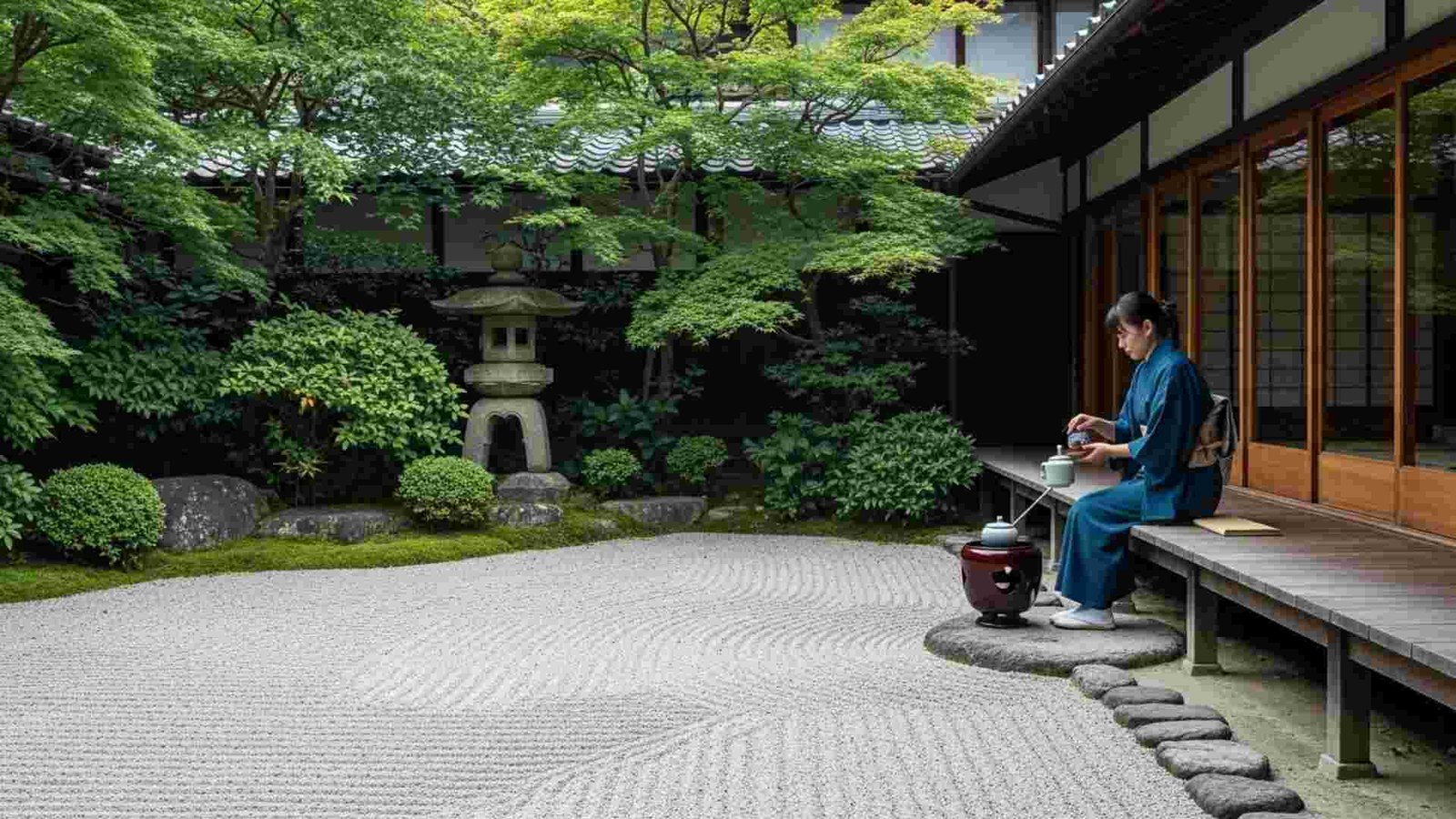
Imagine waking up to the soft rustle of leaves, the scent of fresh earth, and the sound of distant waves—far from the noise of everyday life. In a world that constantly demands more of us, finding a space to truly unplug and recharge has never been more vital.
These retreats offer more than just relaxation—they provide a transformative journey into wellness, adventure, and personal discovery. Whether you’re seeking clarity, healing, or a new perspective, the experiences ahead promise to reset your body and mind in unexpected ways. Get ready to embark on a path to true rejuvenation.
1. Canyon Ranch Tucson (Tucson, Arizona, USA)
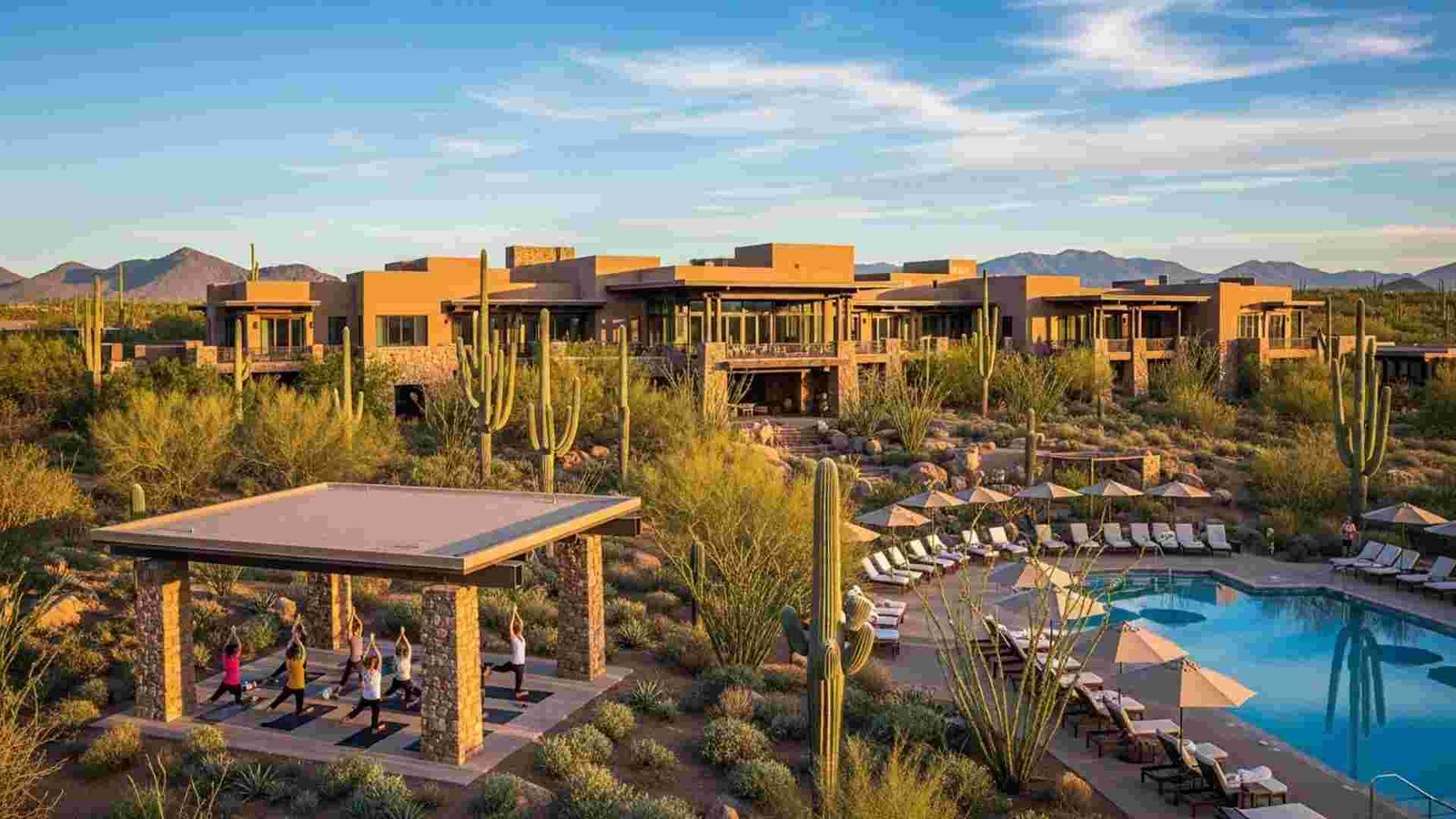
Walking onto the grounds of Canyon Ranch Tucson you feel the wide‑open embrace of the Sonoran Desert. The foothills of the Santa Catalina Mountains rise behind you, the light is crisp, and suddenly you’re part tourist‑vacationer, part wellness‑lab participant. Here, it’s not just spa time — it’s well‑being: think tastings of beet and carrot salads, demo‑kitchen classes, outdoor high‑ropes courses, and labyrinth walks
In one moment you’re sipping green juice post‑morning hike, and in the next you’re in a meditation garden, a subtle Zen space nestled in the desert, listening to wind among the cacti. It strikes me that the magic lies in the juxtaposition—desert rawness meets conscious luxury. The facility boasts nine exercise studios, high‑ropes, indoor/outdoor pools, meditation gardens.
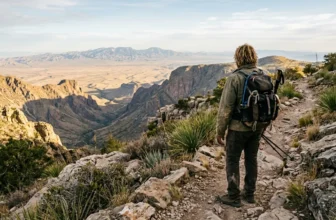
we started slow, the air cooling rapidly, the colours turning pink over saguaros. By the time we got to the top, our group was quiet—maybe it was the altitude, maybe it was the desert hush—but you felt changed. If you go, allow yourself the silence.
Key Practical Information
- Peak season / Off‑peak: Best in winter and early spring (daytime temps around 15‑25 °C/60‑75 °F) in Tucson; summer can be very hot (often 35 °C+).
- How to reach & explore: Fly into Tucson International Airport (TUS). The resort is ~30 minutes’ drive from the airport. Once there, you’ll walk or shuttle between classes, fitness zones, spa, hikes.
- Ideal duration: 4‑5 nights minimum to unpack, explore orientation, engage programs; 7 nights ideal for deeper change.
- Must‑try local experiences: Early‑morning desert hike (sunrise over the foothills), visit the meditation garden with a guided session, demo‑kitchen class learning about nutrition and healthful cooking.
- Budget considerations: Higher end resort pricing; many programs (fitness, wellness coaching, lab tests) may add extra cost beyond room + board.
- Cultural etiquette tips: Dress for both activity and resort‑casual—hiking boots + sun‑hat for outdoor, comfortable but not rugged for indoor. Be respectful of quiet zones.
- Photography opportunities: Sunrise over Catalina foothills; the Zen meditation garden; night‑hike silhouettes against the desert sky.
2. Omega Institute for Holistic Studies (Rhinebeck, New York, USA)
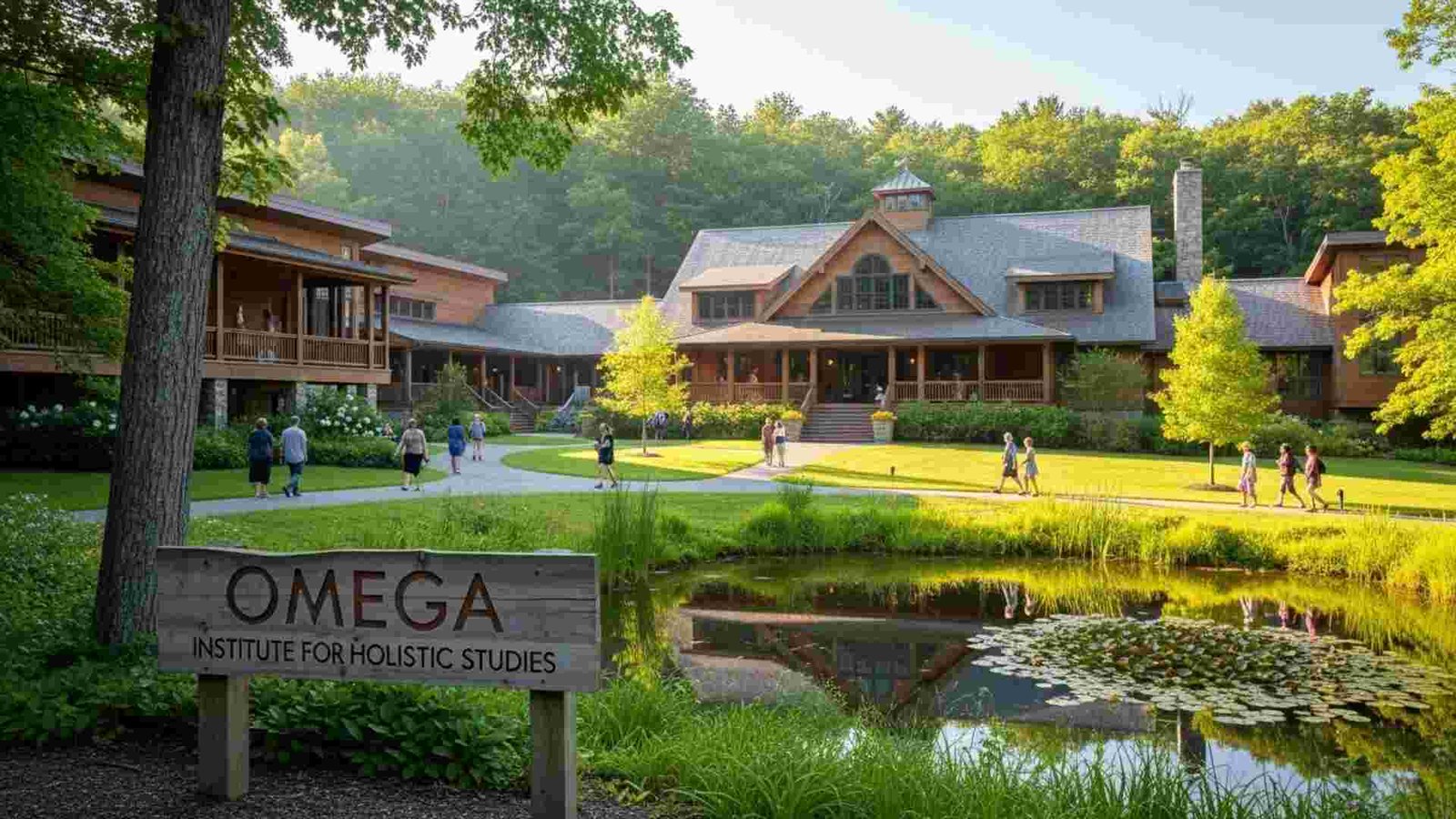
Picture a 190‑acre campus of woodlands, lakes and gardens just 90 miles north of New York City where tender curiosity is the operating mode. At Omega, you’ll wander through leafy trails in the morning, attend a workshop midday, and perhaps join a bonfire or outdoor talk in the evening.
What stands out is how this isn’t just “spa + yoga” but learning, community, art, ecology, and purpose all mixed together. With more than 23,000 people on campus annually, it’s large but still with pockets of quiet.
I recall sitting by a small pond on campus one evening—the breeze rustled, a teacher spoke softly about ecological awareness, and it felt like being in a living classroom of well‑being. If you attend, bring a notebook.
Key Practical Information
- Peak season / Off‑peak: Spring through early fall (May‑Oct) offers full program range; winter is quieter and fewer programs.
- How to reach & explore: Nearest major airports: NYC area (JFK/ Newark). Drive ~1.5‑2 hours north to Rhinebeck. On‑campus you’ll walk trails, attend indoor/outdoor workshops, explore gardens.
- Ideal duration: 3‑7 days. For deeper immersion maybe 5‑7 days so you can join 2‑3 workshops and still recover/rest.
- Must‑try local experiences: Attend a workshop on ecology or arts at Omega; walk the trails at dusk; join an open‑community event or bonfire.
- Budget considerations: Workshop fees vary; lodging may be shared or private; meals often included or offered on‑campus.
- Cultural etiquette tips: Gardening quiet respect zones; use phone quietly; ask before photographing workshops or sessions.
- Photography opportunities: Lake drive reflections; workshops under trees; sunset behind woodlands
3. Drala Mountain Center (Red Feather Lakes, Colorado, USA)
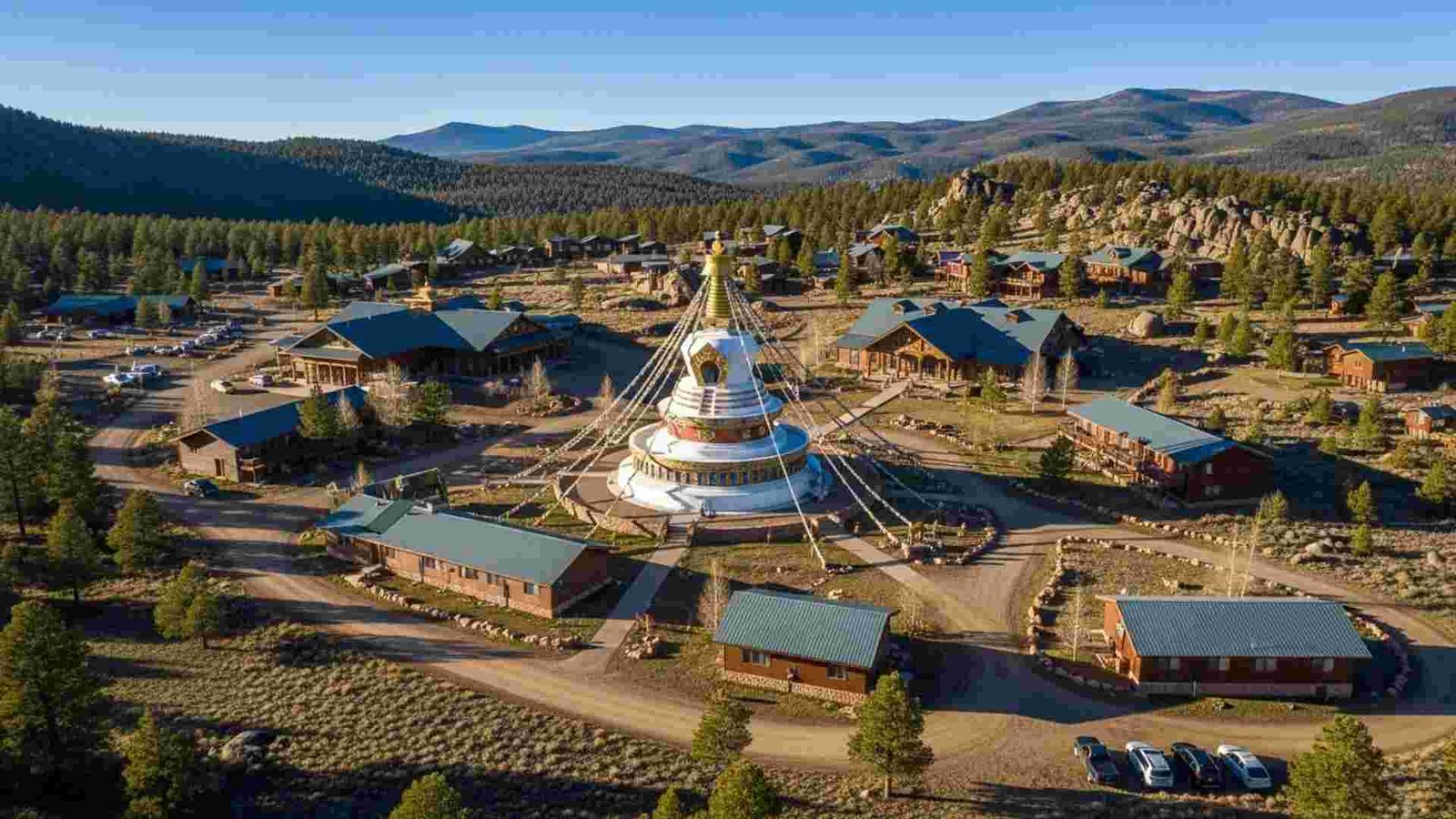
Up in the Colorado Rockies you’ll find this valley retreat where nature is not an accessory—it is the backdrop. Drala Mountain Center sits on around 600+ acres and invites you to walk wilderness trails, reflect by a stupa, and join deep meditation or contemplative‑arts programs.
Crisp mountain air, silence in late afternoon, pine‑needle scent underfoot. You may be on a “silent” portion of a retreat, or simply hiking between meditation halls. One visitor described the teaching as “superior and ranges from totally non‑secular to Tibetan Buddhist.”
I once visited a viewpoint above their meadow at golden hour—the sun melted across the peaks, the Great Stupa of Dharmakaya loomed, and all I could think was: “I can pause.” If you go, prepare for altitude, slower pace, and a willingness to drop into stillness.
Key Practical Information
- Peak season / Off‑peak: Summer (June‑Sept) for hiking and mild weather; spring/fall crisp; winter snow (if you like cold and fewer crowds).
- How to reach & explore: Fly into Denver, then drive ~2 hours to the retreat in Red Feather Lakes; on‑campus you’ll hike wilderness trails (some 8+ miles) and attend structured programs.
- Ideal duration: 5 days minimum to acclimate and engage; 7‑10 days better for deeper retreat.
- Must‑try local experiences: Morning meditation in the stupa hall, afternoon silent trail walk, evening contemplative talk.
- Budget considerations: Accommodations range from private lodge rooms to shared dorms or seasonal tents; pick what fits your comfort
- Cultural etiquette tips: Be prepared for quiet zones, respect meditation timings, use your phone sparingly. Also: altitude means drink water and move gently.
- Photography opportunities: View of the Great Stupa among pines, mountain meadow at sunrise, trail silhouettes with aspen trees
4. Kalani Oceanside Retreat (Big Island of Hawai‘i, USA)
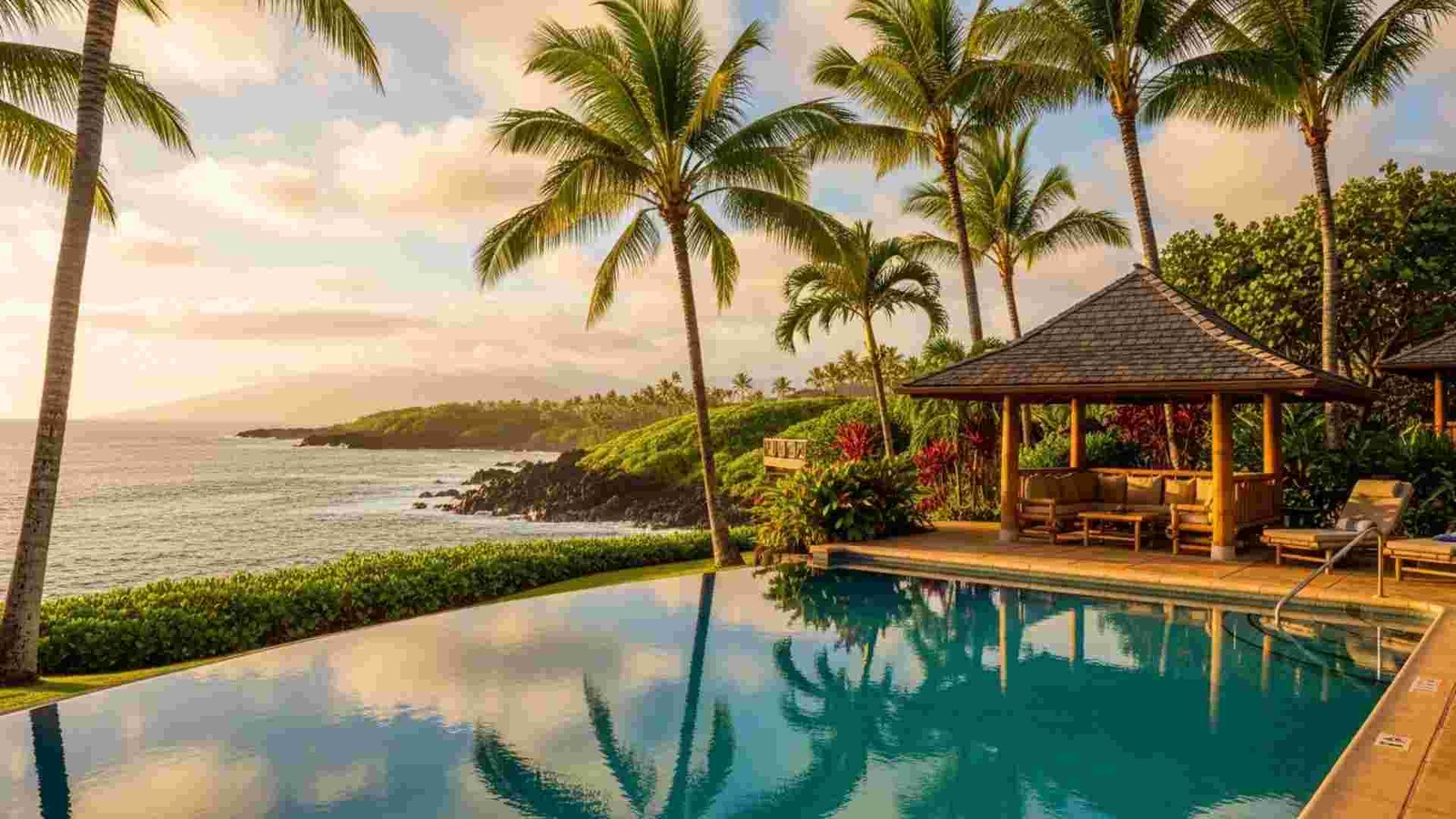
Imagine stepping into a lush, low‑land forest on Hawai‘i’s Big Island where rainforest meets ocean, lava fields edge the shoreline, and community life pulses quietly. That’s Kalani. It was founded in 1975 and has grown into a retreat centre where wellness, culture, nature and art converge.
At Kalani you might start with a gentle yoga class overlooking the ocean, pause for a lomilomi massage in a garden, spend the afternoon in a permaculture workshop or surfing at a nearby beach. The rhythm is relaxed—but rich. One moment you’re striking a craft in a studio, the next you’re barefoot in a tropical trail.
I sat on the lanai at sunset watching waves crash under lava rock, listening to the chirp of birds I didn’t recognise, and thought: “This is wellness that doesn’t feel forced.” It’s part retreat, part village, part wild.
Key Practical Information
- Peak season / Off‑peak: Hawai‘i tends to draw year‑round, but consider shoulder seasons if you want fewer crowds; check for volcanic vog (air‑quality) alerts.
- How to reach & explore: Fly into Hilo (approx 1 h away) or Kona (~2.5 h via scenic ‘Red Road’). Rent a car. On‑site you’ll walk trails, attend workshops or just lounge in beach‑adjacent space.
- Ideal duration: 5‑7 nights to absorb the pace and explore nature + workshops; longer if you want slow living.
- Must‑try local experiences: Surf or shoreline walk at dawn, lomilomi (traditional Hawaiian massage), join a community dance or art evening.
- Budget considerations: Options range from rustic to comfortable lodging; meals and some workshops included, others add cost.
- Cultural etiquette tips: Respect the land—stay off fragile lava flows, abide by local trail rules; loosen strict schedules, lean into island rhythm.
- Photography opportunities: Lava fields meeting ocean, rainforest cabins, sunset from coastal lanai, surf break shots.
5. Karmê Chöling (Barnet, Vermont, USA)
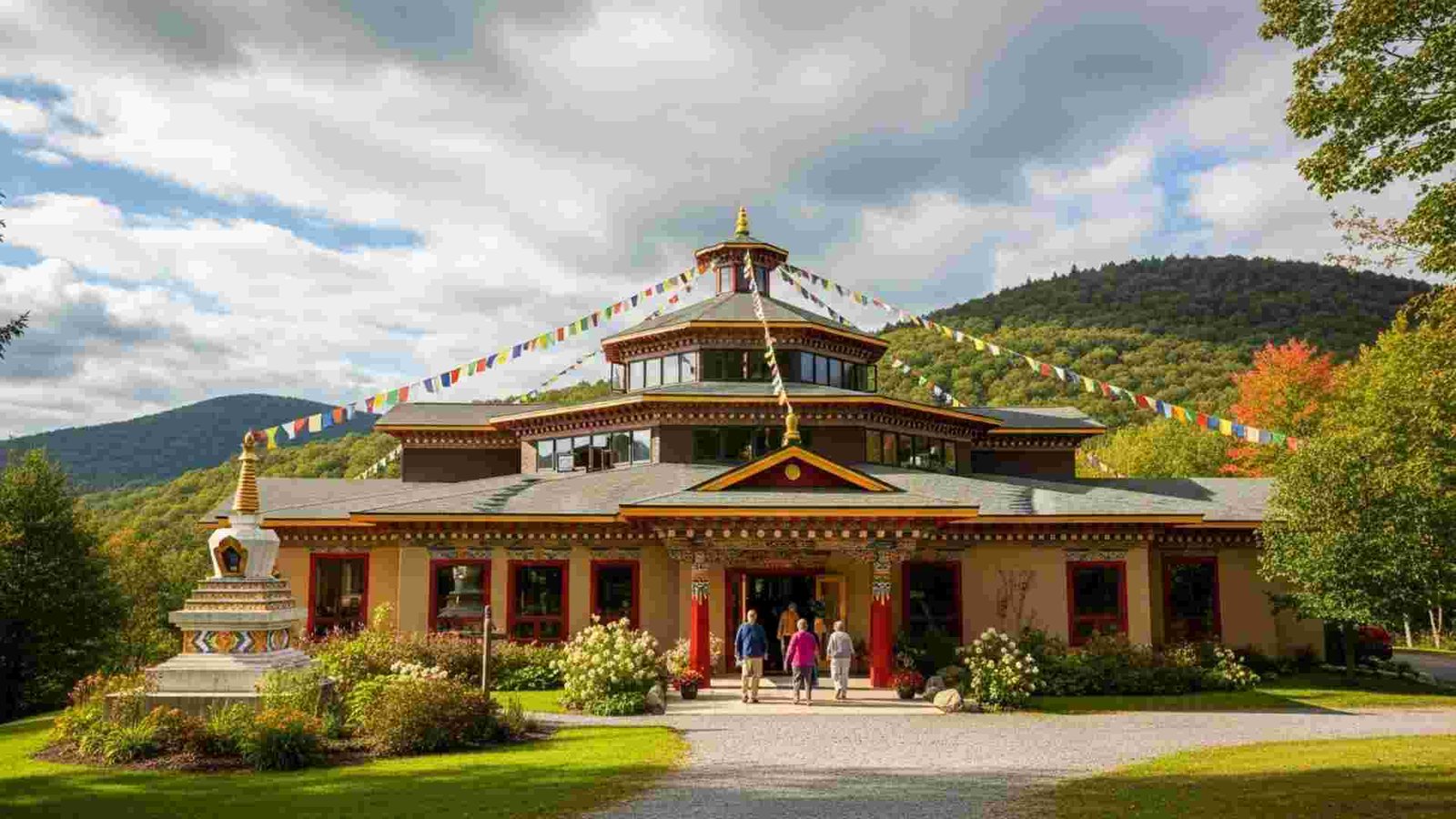
In northeastern Vermont, tucked into wood‑and‑field country you’ll find this meditation retreat centre spanning hundreds of acres of quiet hills, woods and streams. Karmê Chöling invites you into stillness, introspection, and mindful community rather than flashy amenities.
Here the daily rhythm might mean early silent meditation, tea in the garden, a walk through the organic garden, maybe archery Zen‑style, then dinner. There’s a pistol‑quiet to the place which is restful in a deep way. One retreat guest wrote about their cabin floorboards reflecting fire‑light and raptors circling the meadow—those details stick.
For me the magic was sitting alone in a shrine room looking out at snow‑flecked trees, hearing only my breath and wind in branches. It felt like being gently invited into the deep pause you often postpone.
Key Practical Information
- Peak season / Off‑peak: Summer and early fall (when the woods are lush and colours turn) are ideal; winter stays may be offered but require winter gear.
- How to reach & explore: Fly into Burlington (VT) or Manchester (NH), then drive ~2‑3 hours into rural Vermont to the site. On‑site you’ll walk trails, sit in shrine rooms, engage meditation schedule.
- Ideal duration: 5‑10 days ideal for settling in; weekend retreats okay but you’ll unpack more deeply with a week or more.
- Must‑try local experiences: Participate in a deep‑meditation retreat, walk through the organic garden in dawn light, try Zen archery at the archery range.
- Budget considerations: Many programs are tiered (shared housing vs private cabin); sliding scale/scholarships may be available
- Cultural etiquette tips: Silence is part of the retreat. Use phones sparingly. Note the community lives by meditation practices—be respectful.
- Photography opportunities: Morning light through trees at the shrine cabin, meadow with raptors overhead, organic garden in golden hour.
6. Breitenbush Hot Springs Retreat & Conference Center (Oregon, USA)
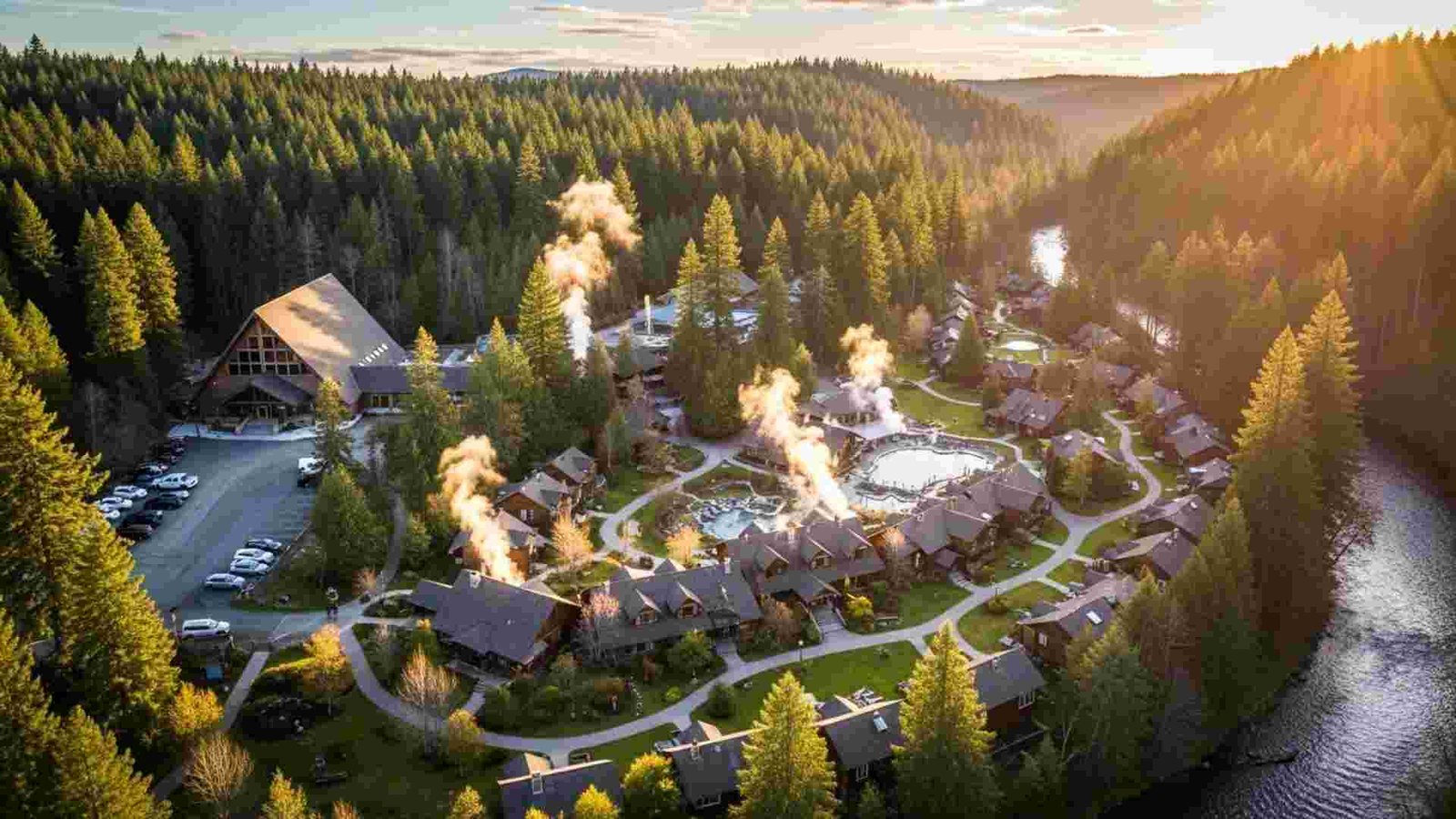
Picture yourself tucked away in the forest of the Willamette National Forest, at Breitenbush: no big luxury hotel lobby, no glitzy spa façade—just off‑grid simplicity, natural hot springs, and a worker‑owned community atmosphere. What’s lesser‐known is that the retreat generates its own power via hydroelectric from the river and values a slower, intentional pace.
After a full day of light hiking through mossy trees, you step into a hot pool fed by geothermal springs, steam swirling in the cold mountain air, the river murmur just beyond. You realise this is wellness stripped down: earth, water, quiet. The vibe is less “spa showroom” and more “forest sanctuary where you finally breathe.”
The cabins are rustic, vegetarian meals are the norm, mobile signal is minimal (digital detox is real).It’s ideal for someone wanting a clearing in the woods rather than a resort parade.
Key Practical Information
- Peak/Off‑peak: Summer‑early fall (June–Sept) gives easier access and warm trails; winter can bring snow and limited access.
- How to reach: Closest main city: Salem/Portland → drive ~2 hours along scenic byway to Detroit, OR.
- Ideal duration: 3‑5 nights minimum to unwind; 7+ nights if you’re diving into workshops.
- Must‑try experience: an evening soak under stars in the natural hot springs; join a “quiet weekend” or breath‑work workshop.
- Budget considerations: Modest housing, simple food; because of the community model, expect fewer luxury frills.
- Cultural etiquette: Respect silence zones; communal meals follow vegetarian norms; minimal devices encouraged.
- Photography opportunities: Hot springs pool at dusk with steam; forest trail light after rain; riverside reflections in early morning.
7. Hacienda AltaGracia, Auberge Resorts Collection (Costa Rica)

Here’s a retreat that blends luxury and adventure in a way you don’t often see: set in the foothills of the Talamanca Mountains, Hacienda AltaGracia offers tailored wellness programs but also wild excursions. What many miss is the “adventure‑plus‐wellness” edge: tree‑climbing, horseback riding, high‑altitude garden tours, local cultural immersion.
You spend the morning in a guided breath‑work session by a river bath; at midday you’re on a gentle hike to discover medicinal herbs; by evening you’re sipping local Costa Rican coffee on your casita veranda listening to rainforest sounds. It’s not just about spa treatments—it’s about living wellness in wild nature.
Rooms are high end (50 casitas designed by Nina Gotlieb) over 180 acres.The wellness consultation ahead of arrival means you get a bespoke schedule. Getting there may include a charter flight or drive, so plan for some logistics.
Key Practical Information
- Peak/Off‑peak: Dry season (December–April) best for outdoor adventure; rainy season (May–Nov) still lush but some trails may be slippery.
- How to reach: Fly into San José (SJO) then resort offers transport (even shared charter flights) to airstrip near resort.
- Ideal duration: 4–6 nights gives you hiking + wellness + rest; longer if you want deep detox.
- Must‑try: river bath spa session; herb‑garden walk; horseback ride at sunrise in the mountains.
- Budget: Premium tier resort; nightly rate can run > $1,500 as reported.
- Etiquette: Respect local wildlife and rainforest trails; sustainable practices are part of the ethos (no single‑use plastics etc.)
- Photo ops: Casita veranda at dawn; waterfall and river bath setting; herb garden in golden light.
8.NIHI Sumba (Indonesia)

Wild, remote, and full of stories. NIHI Sumba sits on 567 acres of largely untouched jungle on Sumba Island.What’s unique: it’s less “resort” and more “luxury wilderness lab” where culture, raw nature and wellness collide. For instance, their “Spa Safari” takes you by 4×4 or horse ride across the island for an open‑air treatment.
You ride a horse through rolling hills to reach a cliff‑top bale (traditional structure) overlooking the Indian Ocean; your massage begins as the breeze hits, you hear waves in the distance. Then you wrap up and walk into the jungle for a cool plunge. That moment stays.
Because you’re remote, expect higher costs and planning; flights from Bali to Sumba, villas with private pools; but the trade‑off is one of the most singular wellness stays you’ll find.
Key Practical Information
- Peak/Off‑peak: Dry season is April–October; shoulder seasons may have fewer crowds and better rates but weather can be more variable.
- How to reach: Fly from Bali (approx 1 h) to Sumba; then resort transfer. Access is part of ritual.
- Ideal duration: 5–7 nights minimum to feel remote detachment; 10+ nights if you want slow assimilation.
- Must‑try: Spa Safari (trek, horse ride, open‑air treatment); surfing at Occy’s Left (elite surf break) for advanced surfers.
- Budget: High‑end luxury. Villas, private pools, remote location—expect premium pricing.
- Etiquette: Respect local Sumbanese culture; many staff are local/community‑based; take time to engage thoughtfully.
- Photo moments: Cliff‑top breakfast at dawn; jungle‑to‑sea trails; horse on beach silhouette.
9. Escape Haven (Bali, Indonesia)
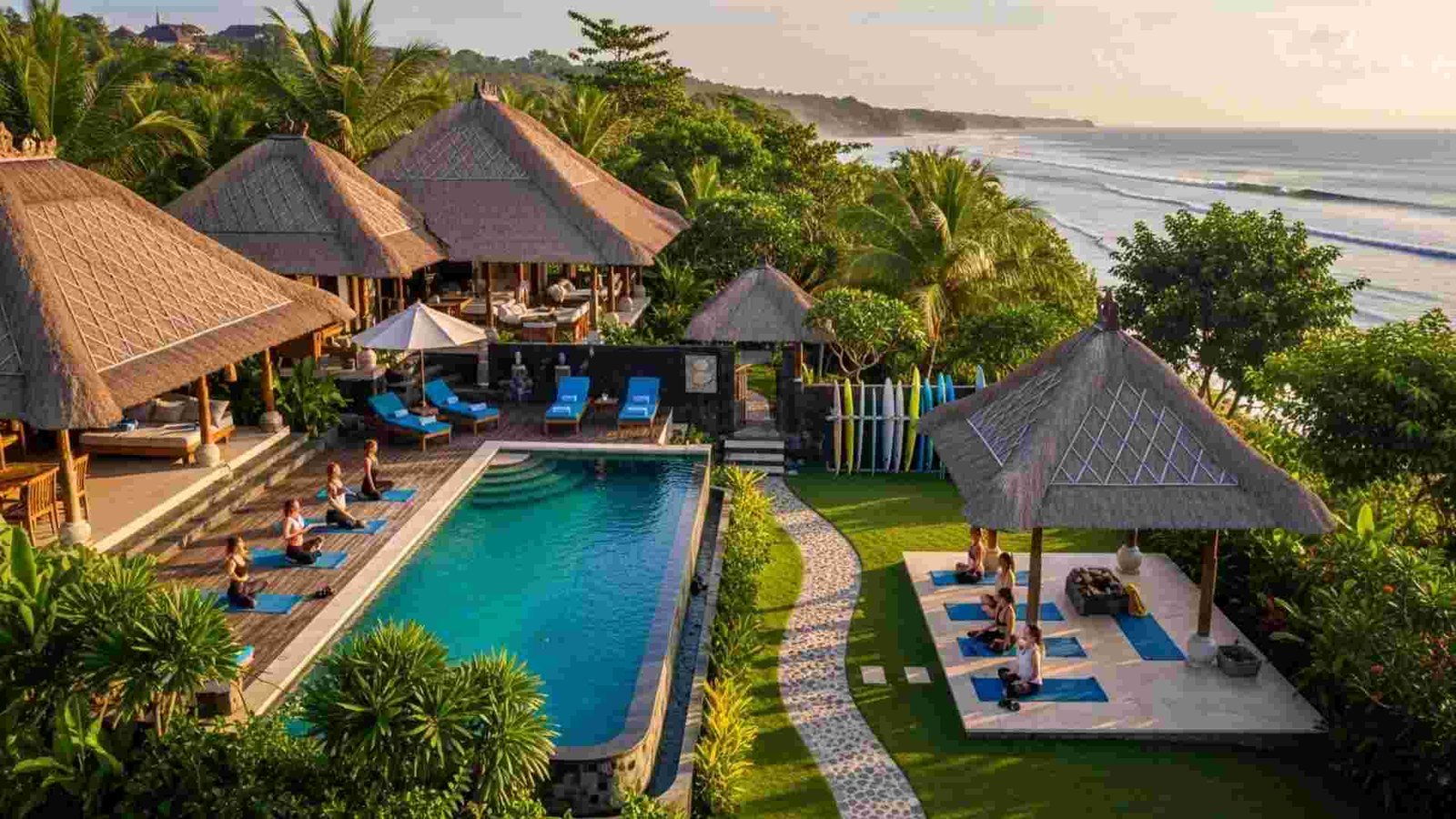
A women‑focused retreat, combining spa’n’wellness with active adventure (surfing, fitness) and cultural immersion in Bali. What’s the twist: it isn’t just about lounge‑by‑pool—it’s movement, empowerment, community.
Imagine joining a morning surf lesson in Canggu, then a holistic nutrition class, then mellowing in spa treatment, followed by a Balinese temple visit at sunset. The personal insight: you’re re‑energised because you’re doing, not just relaxing. It reminded me of the feeling you get when you return from vacation but you’re stronger.
The resort offers weekly rotating packages, built for women. Rooms vary; emphasis on service, design and healing.
Key Practical Information
- Seasons: Bali high season July–August; shoulder periods April–May & Sept–Oct may offer better value.
- Access/transport: Fly into Denpasar (DPS); resort in Canggu is ~45‑60 mins from airport; local transport available.
- Duration: 6 nights is standard package; you can extend.
- Unique experiences: Surf lesson + healthy foodie cohort; evening cacao healing ceremony; Balinese cultural tour included.
- Costing: Women‑only, all‑inclusive style; early‑bird specials are available when booking far ahead.
- Etiquette: While casual, respect local temple/tour rules when visiting; dress modestly for cultural tours.
- Visuals: Infinity pool by villa terrace; surf board against Bali sunset; herbal spa treatment room.
10. Clinique La Prairie (Switzerland)
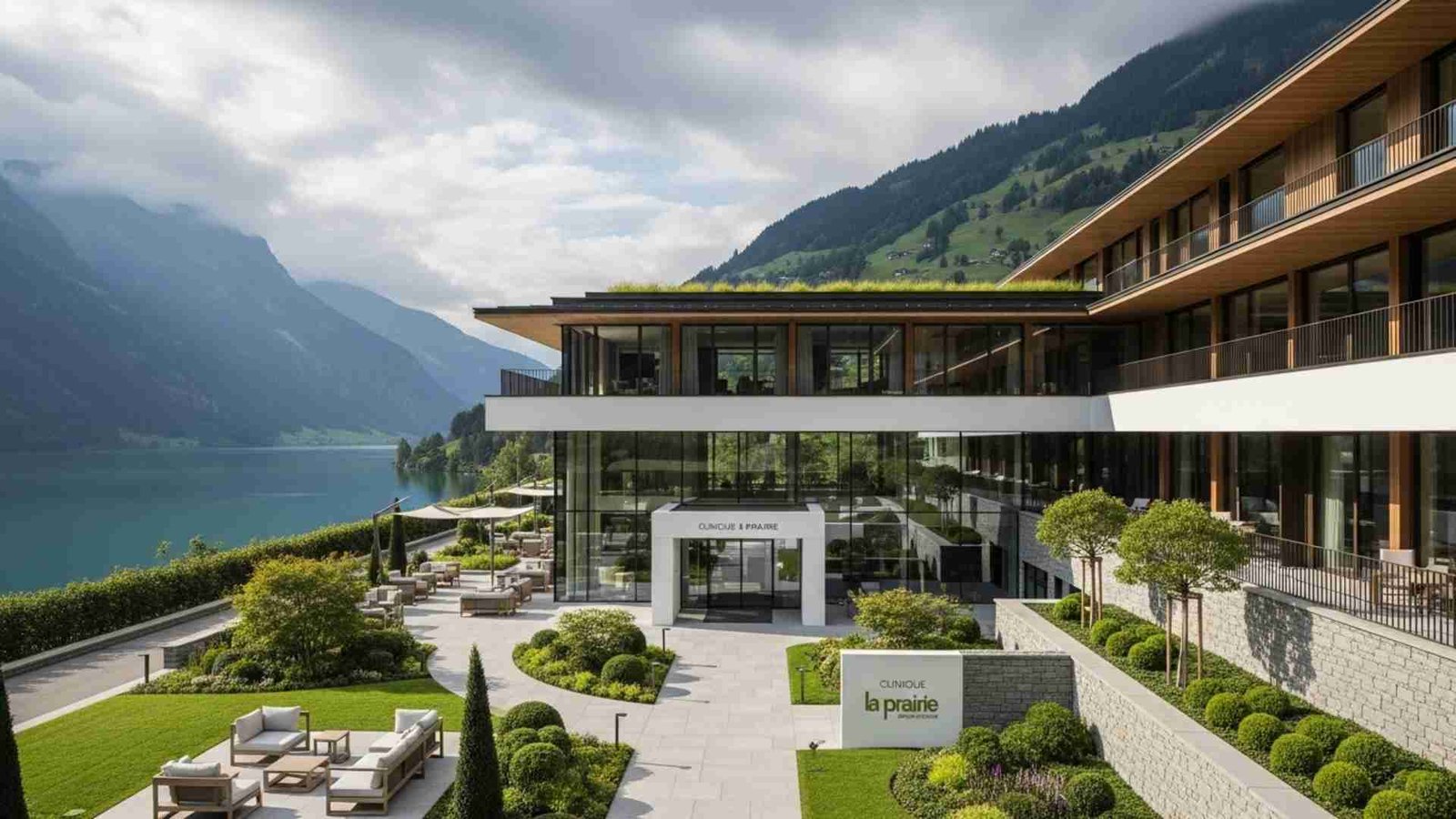
This is less “retreat spa by the lake” and more “wellness meets advanced science meets luxury resort.” This place treats wellness like performance‑art: genetic screening, cell‑regeneration programmes, longevity labs.
You arrive at the Swiss Riviera setting, check‑in for a 7‑day “Revitalisation” programme; you undergo full diagnostics (DNA tests, ultrasound, ECG), get tailored nutrition + movement + spa + high‑tech therapies. That kind of precision makes it feel like you’re part stay‑vacation, part wellness research cohort.
Expect premium pricing and a deliberate pace. It’s designed for people who want to invest in their health, not just take a break.
Key Practical Information
- Best time: Spring through autumn (April–Oct) for lake views and alpine mildness; winters are beautiful but focused on skiing not wellness workshops.
- How to get there: Fly into Geneva or Zurich, train to Montreux/Clarens, then short transfer to resort on lake.
- Suggested stay: 7 days minimum to complete diagnostic and core programme; longer if you combine with Swiss leisure.
- Must‑try: The “Master Detox” or “Revitalisation” week‑long programme; combine spa sessions with movement, nutrition and diagnostics.
- Budget: Elite tier—programmes often cost tens of thousands of USD; this is investment‑level wellness.
- Etiquette: Business‑casual chic; punctuality matters; you’ll be part of a cohort with scheduled sessions.
- Photo‑spots: Lake Léman view from spa, high‑tech treatment suite interiors, golden‑hour alpine walk.
11. Clinique La Prairie (Clarens/ Montreux, Switzerland)
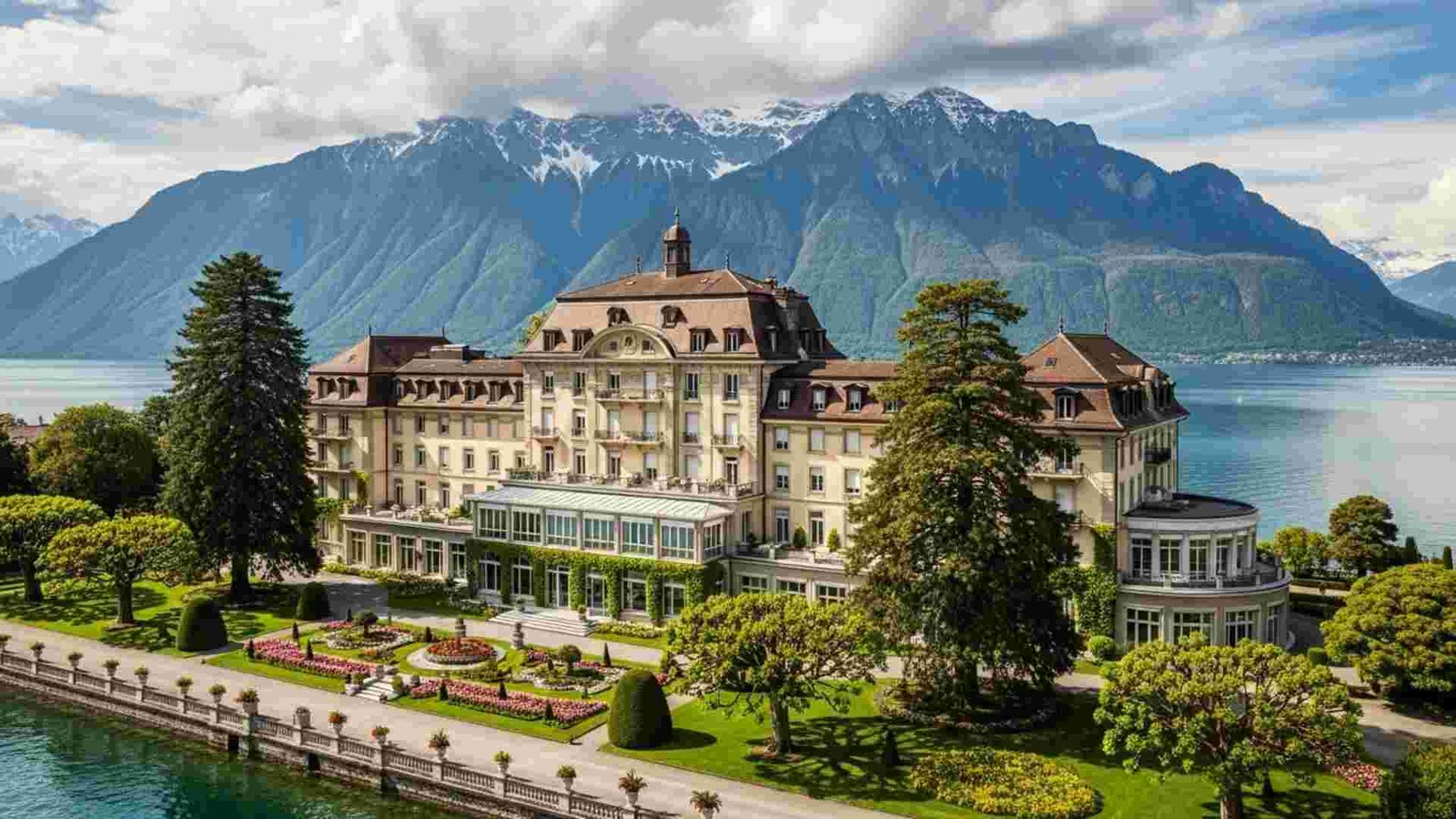
Think of this not as a spa getaway so much as a wellness upgrade lab — a place where time slows and gets recalibrated. At Clinique La Prairie you’ll discover lesser‑known details like its roots in regenerative medicine (founded 1931) and the fact that many programmes are built around actual genetic profiling, advanced diagnostics and cellular repair.
you arrive at the shore of Lake Geneva, check‑in involves a battery of tests (blood‑work, DNA, ultrasound) more akin to a tech campus or boutique clinic than a typical resort. From there, you follow a custom plan: nutrition, science‑backed treatments, spa sessions, all designed to extend vitality. It’s wellness with a serious toolkit.
A guest describes lying in a cryotherapy chamber at dusk, Alpine light streaming through the window beside the healing lab, then stepping out to the garden with Lake Geneva shimmering golden, and thinking: “I’ve entered the altitude of my own health.” The setting elevates the feeling of doing something deliberate for your body and mind.
Key Practical Information
- Best season to visit: Late spring through early autumn (Apr–Oct) gives you milder weather and lake‑views; winter stays may be more clinical than leisurely.
- How to arrive: Fly into Geneva or Zurich, take train to Montreux/Clarens, then short transfer to the clinic.
- Recommended stay length: 7 days is common for major programmes (e.g., “Revitalisation”). Shorter stays exist but you’ll benefit from the full week.
- Must‑try experience: The “Revitalisation” programme – full diagnostics + personalised regimen.
- Budget signal: This is premium tier: weeks may cost tens of thousands USD/CHF.
- Unique etiquette tip: Think “executive wellness” not backpack retreat — be ready for scheduled doctor consults, diagnostics, and a structured pace.
- Photography moment: Dawn‑light over Lake Geneva plus Alpine peaks, followed by crisp interior scenes of treatment labs and serene gardens.
12. Six Senses Vana (Dehradun, India)
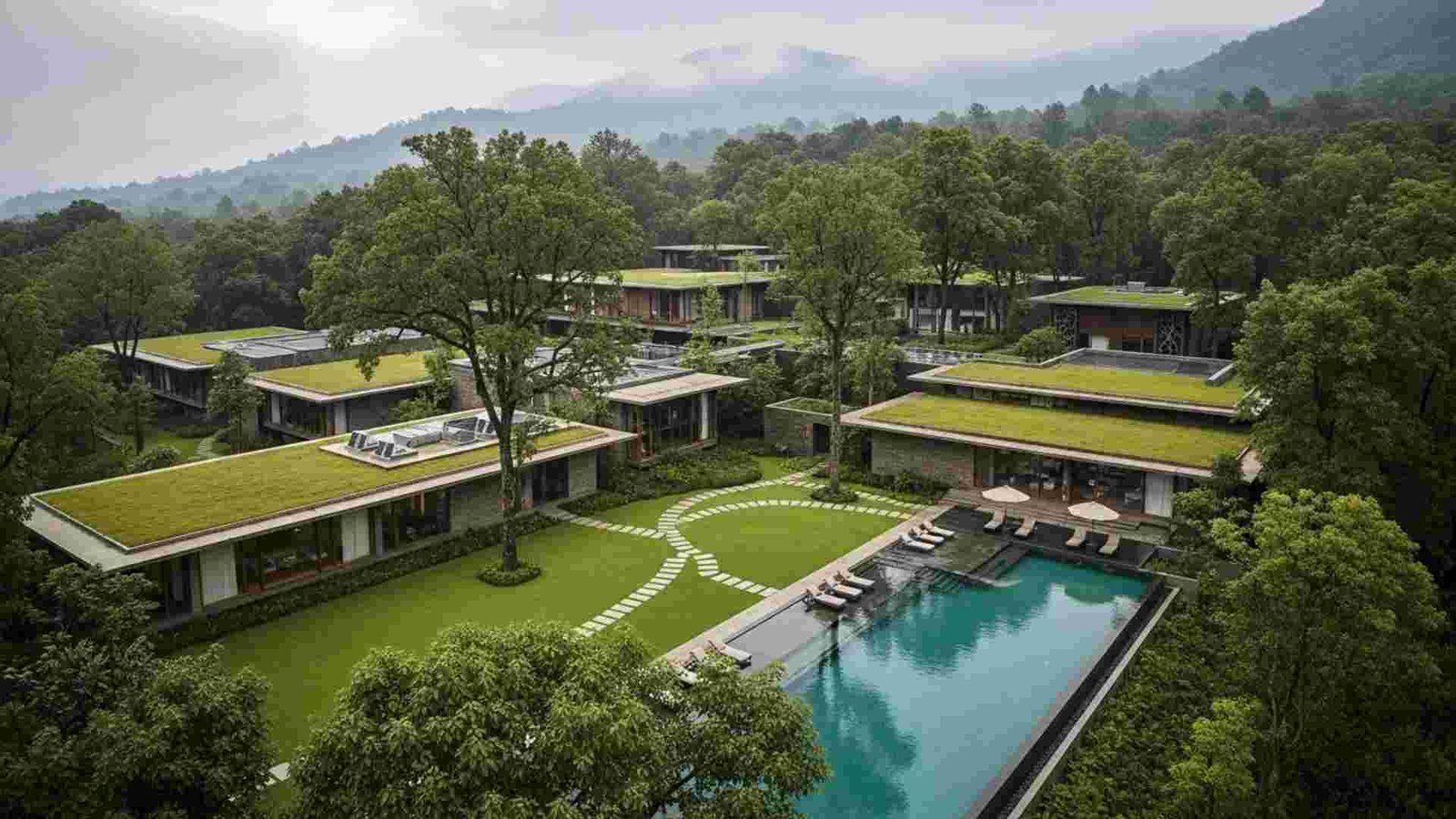
Located in the forested foothills of the Himalayas, this retreat isn’t “just yoga by the beach” — it blends Ayurveda, Tibetan medicine, modern diagnostics, and wild nature. It’s a lesser‑told story of deep immersion in traditional healing inside luxury’s envelope.
you’re at dawn in a Sal‑forest grove, shaded by towering trees, sipping herbal tea. The resort’s intake doctor checks your pulse, asks subtle questions, then hands you a wellness plan inclusive of acupuncture, oil massages, gentle treks, Ayurvedic meals. After your treatment, you wander to the rooftop infinity pool looking out toward the forest and Himalayas. The contrast—ancient healing in fresh mountain air—makes it feel like you stepped into a film of transformation.
One guest wrote that by day three they found themselves walking slower, noticing the monkeys overhead, the rustle of leaves, the absence of city‑buzz—they hadn’t left it behind, they had entered a different rhythm. That shift matters.
Key Practical Information
- When to go: Dry season (April–October) is best for outdoor activities and herbal programmes; monsoon can deepen the forest vibe but expect rain.
- Getting there: Fly into Delhi or Dehradun (closest airport Jolly Grant), then drive up to resort in the wooded hills via winding roads.
- Ideal stay: Minimum 5 nights to allow your body to adjust and your schedule to land; 7–10 nights gives you enough slack to explore forest, healing, rest.
- Don’t‑miss: Ayurvedic screening + bespoke diet, Tibetan oil massage, forest walk in the Sal trees on a “silent trail” (less spoken about but magical).
- Cost note: High‑end luxury wellness; expect premium pricing, though perhaps slightly less elite than top‑tier Swiss longevity clinics.
- Cultural insider tip: Embrace the slower pace. Wear the kurta‑style house clothes provided (many do), use your phone less, lean into spa + nature rather than parties. Respect forest environment and trail rules.
- Photography highlight: Rooftop pool with Himalayan backdrop at golden hour; treatment room with forest‑view; boardwalk through Sal‑tree canopy early morning.
Conclusion
these 12 wellness retreats offer more than just the typical yoga and spa experience—they invite you into a deeper journey of self-discovery, healing, and rejuvenation. Whether you’re seeking the tranquility of nature in the Swiss Alps or the transformative power of Ayurveda in the Himalayas, each destination presents unique opportunities for holistic well-being. From adventure-filled days to introspective meditations, these retreats provide the perfect balance of relaxation and personal growth, making them ideal for anyone looking to elevate both mind and body.