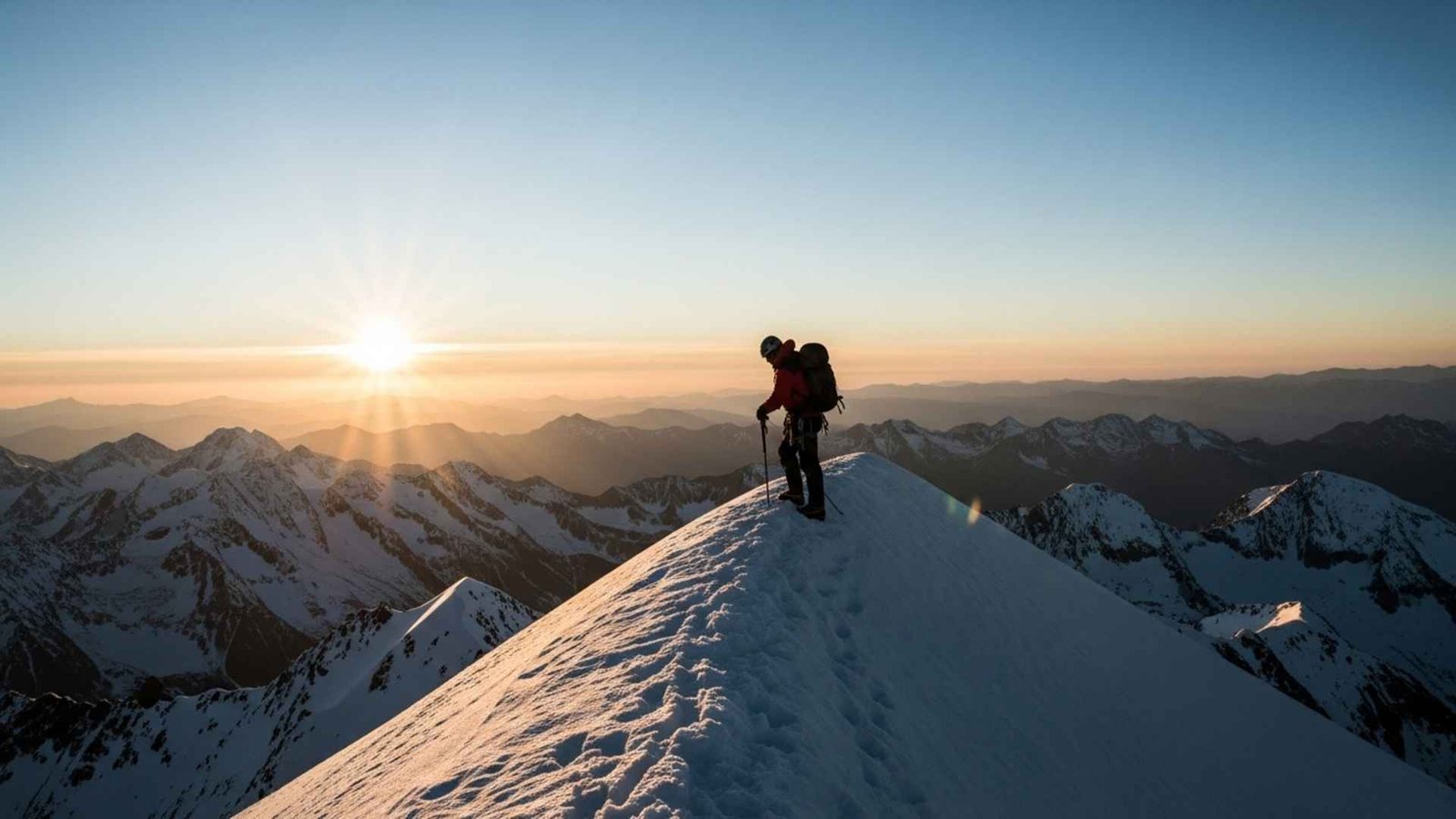
Imagine the rush of wind against your face as you soar above a vast, untouched wilderness, the earth below seeming impossibly far away. Adventure isn’t just about ticking off a list—it’s about diving into the unknown and discovering the extraordinary hidden in the world’s most breathtaking corners.
Whether it’s navigating through remote canyons, exploring the depths of ice caves, or embracing nature’s wildest extremes, these moments transform us in ways we never expect. Now is the time to seek out these life-changing thrills. Get ready for an exploration that promises to leave you with unforgettable stories and newfound perspectives.
1. Summit the Grand Canyon Rim and Hike into the Canyon
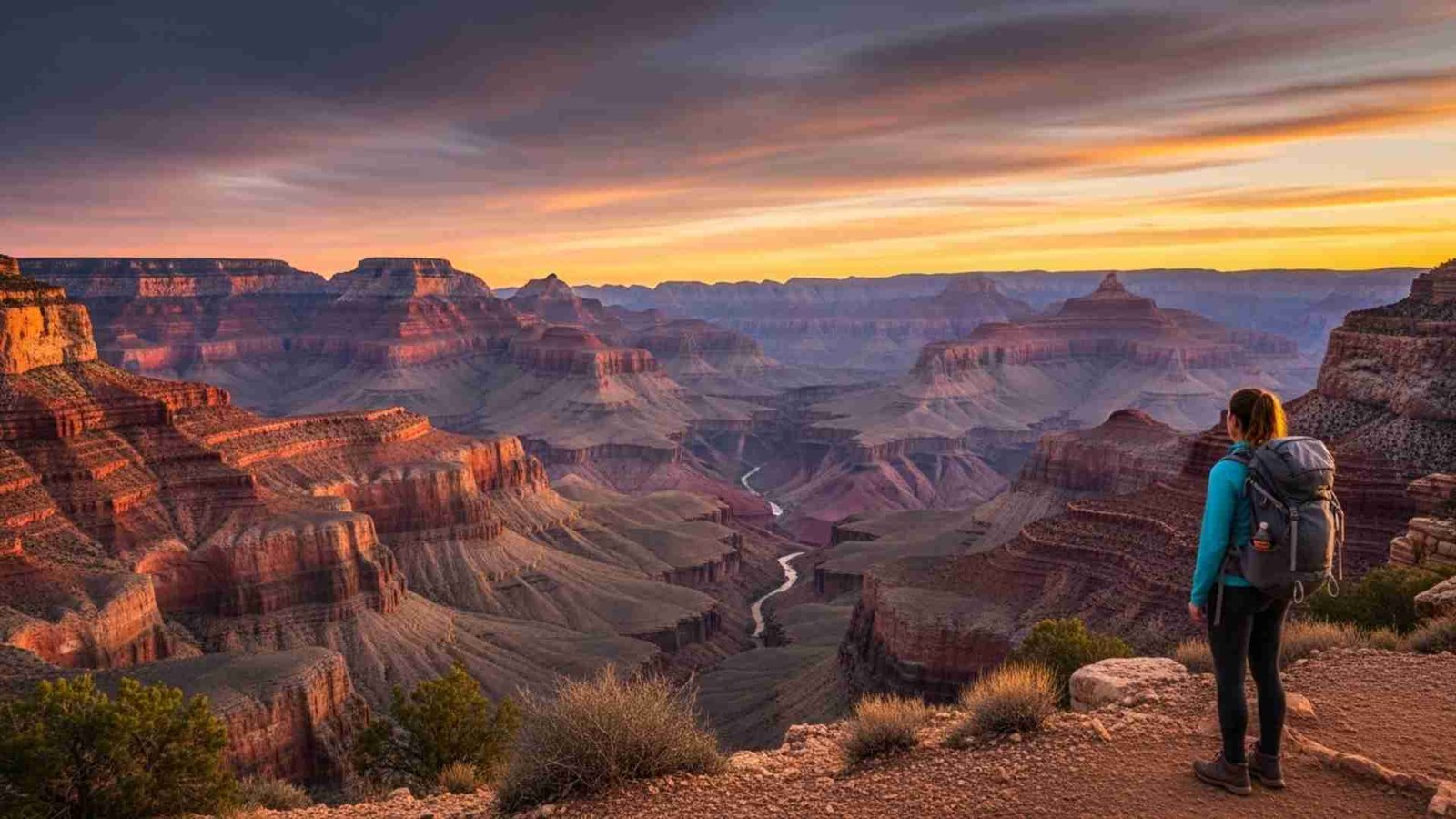
The Grand Canyon is not just a geographical marvel—it’s a deep dive into the very essence of the American Southwest. The sight of its vast, layered rock formations stretching for miles is a humbling experience. As you stand on the rim, you can feel the pulse of time itself—the canyon, carved over millions of years by the Colorado River, seems to whisper the stories of ancient civilizations. Hiking into the canyon offers a raw, almost spiritual journey. Each step reveals different perspectives, and as you descend into the reddish layers, you begin to understand the immensity and beauty of this wonder. The descent into the canyon feels both exhilarating and challenging, as the heat and elevation test your resolve.
I’ll never forget my first trek down to Phantom Ranch. The air grows warmer as you descend, and the echoing silence of the canyon feels like a world apart from the hustle of everyday life. Reaching the bottom, surrounded by towering cliffs, you feel an overwhelming sense of accomplishment. The Colorado River, shimmering in the late afternoon sun, is a welcome sight after the journey.
Key Practical Information:
- Peak/Off-peak Seasons: Peak season is during the spring (March-May) and fall (September-November). The summer months can be scorching, with temperatures reaching over 100°F (38°C) at the bottom, making spring and fall ideal for hiking.
- Best Ways to Reach and Explore: The South Rim is the most accessible, with direct flights to Phoenix or Flagstaff. From there, take a shuttle or drive to the park. A popular way to explore is by foot or by mule for a different experience. For the most adventurous, a river rafting trip on the Colorado River is a must.
- Ideal Duration of Visit: A visit can be as short as a few hours to a week-long adventure, depending on your plans. For hiking into the canyon, 2-3 days is ideal.
- Must-try Local Experiences: Mule rides down the canyon and a visit to Phantom Ranch for an overnight stay are bucket-list items. Don’t miss the sunset at Lipan Point or Yaki Point.
- Budget Considerations: Entrance fees are $35 per vehicle (valid for 7 days). Mule rides and rafting trips can cost upwards of $200 per person.
- Cultural Etiquette Tips: Respect the sacredness of the land for the Native American tribes who consider the Grand Canyon a spiritual place. Be mindful of the environment by following Leave No Trace principles.
- Photography Opportunities: Golden hour is magic here. Sunrise and sunset light up the canyon in vivid reds and oranges, perfect for panoramic shots. Hiking down into the canyon offers unique angles of the rock formations.
2. Explore the Ice Caves Beneath the Vatnajökull Glacier, Iceland
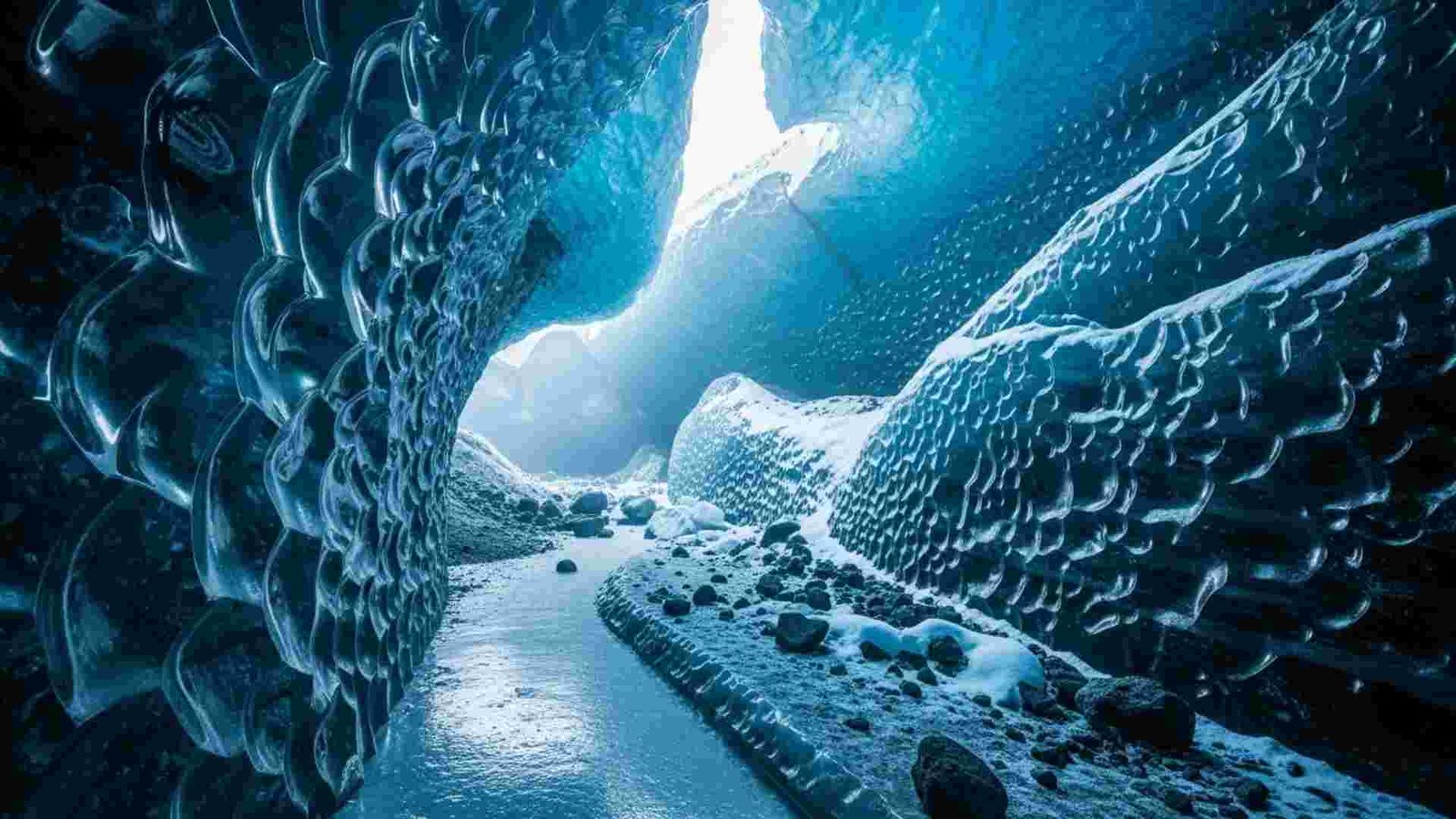
Descending into the ice caves beneath Vatnajökull Glacier feels like stepping into another world. The ice, an intricate mosaic of blue and white, refracts the light in ways that seem almost magical. These caves, which are constantly changing due to the glacier’s movements, offer an ever-shifting landscape of natural sculptures. Walking through the icy tunnels, you can hear the faint creaking of the glacier, adding to the eerie yet tranquil atmosphere. The walls shimmer with natural blue hues, and the air feels crisp and pure. Each cave is unique, offering a glimpse into nature’s raw beauty and power. It’s a destination for thrill-seekers who want a truly otherworldly experience.
I remember the awe I felt when stepping into the ice cave for the first time. The silence was profound, broken only by the sound of our footsteps crunching in the frozen chambers. Standing under a massive ice arch with the light filtering through the translucent walls felt like standing in a dream. The coolness of the glacier contrasted sharply with the warmth of the outside world, creating a surreal sense of disconnect.
Key Practical Information:
- Peak/Off-peak Seasons: The best time to visit is during the winter months (November to March), when the caves are most stable. Summer visits are less ideal as the ice caves often melt and become inaccessible.
- Best Ways to Reach and Explore: You can reach Vatnajökull via Reykjavik, about a 4-5 hour drive. Join a guided tour for safety and the best experience. Guides provide equipment such as crampons and helmets.
- Ideal Duration of Visit: A day trip from Reykjavik is enough to explore the caves, but an overnight stay in a nearby guesthouse will give you a chance to soak in the area’s natural beauty.
- Must-try Local Experiences: Consider adding a glacier hike or an ice climbing adventure to your trip. Nearby Jökulsárlón Glacier Lagoon is also worth visiting for its breathtaking views of floating icebergs.
- Budget Considerations: Guided tours to the ice caves typically cost between $100-$150 per person. Entry to Vatnajökull National Park is free, but tours and activities are an added cost.
- Cultural Etiquette Tips: Respect the glacier’s fragility. Only explore caves with a licensed guide to ensure both safety and preservation.
- Photography Opportunities: The vivid blues and intricate ice formations provide incredible photo opportunities. Capture the contrast between the ice and the surrounding volcanic terrain for dramatic shots.
3. Trek the Icy Trails of Everest Base Camp, Nepal
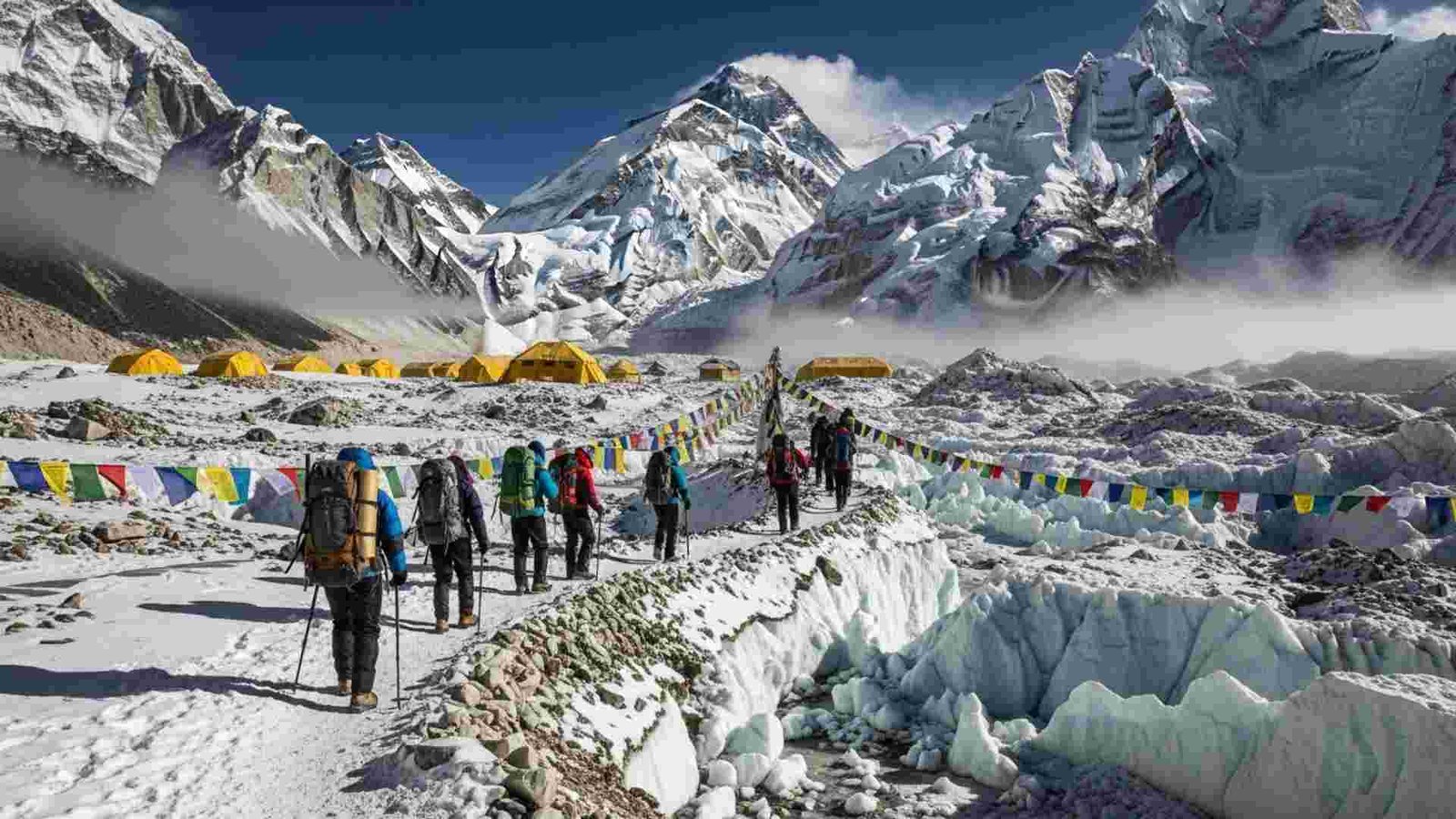
The trek to Everest Base Camp is one of the world’s most iconic adventures. As you ascend through the Sherpa villages, the landscape unfolds in majestic views of snow-capped peaks, cascading waterfalls, and valleys carved by glaciers. The ever-present sight of Mount Everest in the distance is a constant reminder of your goal, and as you climb higher, the air thins, adding an element of challenge. The trek isn’t just about reaching the base camp; it’s about the journey—the rich culture of the Sherpa people, the serenity of Buddhist monasteries, and the rugged beauty of the Himalayan range. Each day brings a new feeling of accomplishment, with every step offering another breathtaking view.
There’s a moment, high on the trek, when you round a corner and Everest finally comes into full view—its towering peak piercing the sky. The sense of awe is palpable, and it’s a humbling feeling, knowing you’re nearing the world’s highest point. When I reached the Base Camp, it wasn’t just the view—it was the journey, the camaraderie of fellow trekkers, and the shared sense of triumph.
Key Practical Information:
- Peak/Off-peak Seasons: Spring (March-May) and autumn (September-November) are the ideal times. The monsoon (June-August) makes the trails slippery and dangerous.
- Best Ways to Reach and Explore: Fly from Kathmandu to Lukla (the world’s most dangerous airport), then trek from there. The trek usually takes about 12-14 days round trip.
- Ideal Duration of Visit: 12-14 days is needed for the full trek. It’s important to spend a couple of days acclimatizing to the high altitude along the way.
- Must-try Local Experiences: Stay in tea houses along the trail and try traditional Sherpa food like ‘dal bhat’ (lentil soup and rice). Visit the Tengboche Monastery for stunning views of the Everest range.
- Budget Considerations: Budget about $1,200 to $1,500 for a full trek, including flights, guides, permits, and accommodation.
- Cultural Etiquette Tips: Respect the local culture, especially in Buddhist monasteries. Always ask before taking photos of people or religious sites.
- Photography Opportunities: Capture the changing landscapes from lush forests to snow-covered paths. The views of Everest from various vantage points make for iconic photos.
4. Dive Among Icebergs in the Arctic via Nunavut, Canada
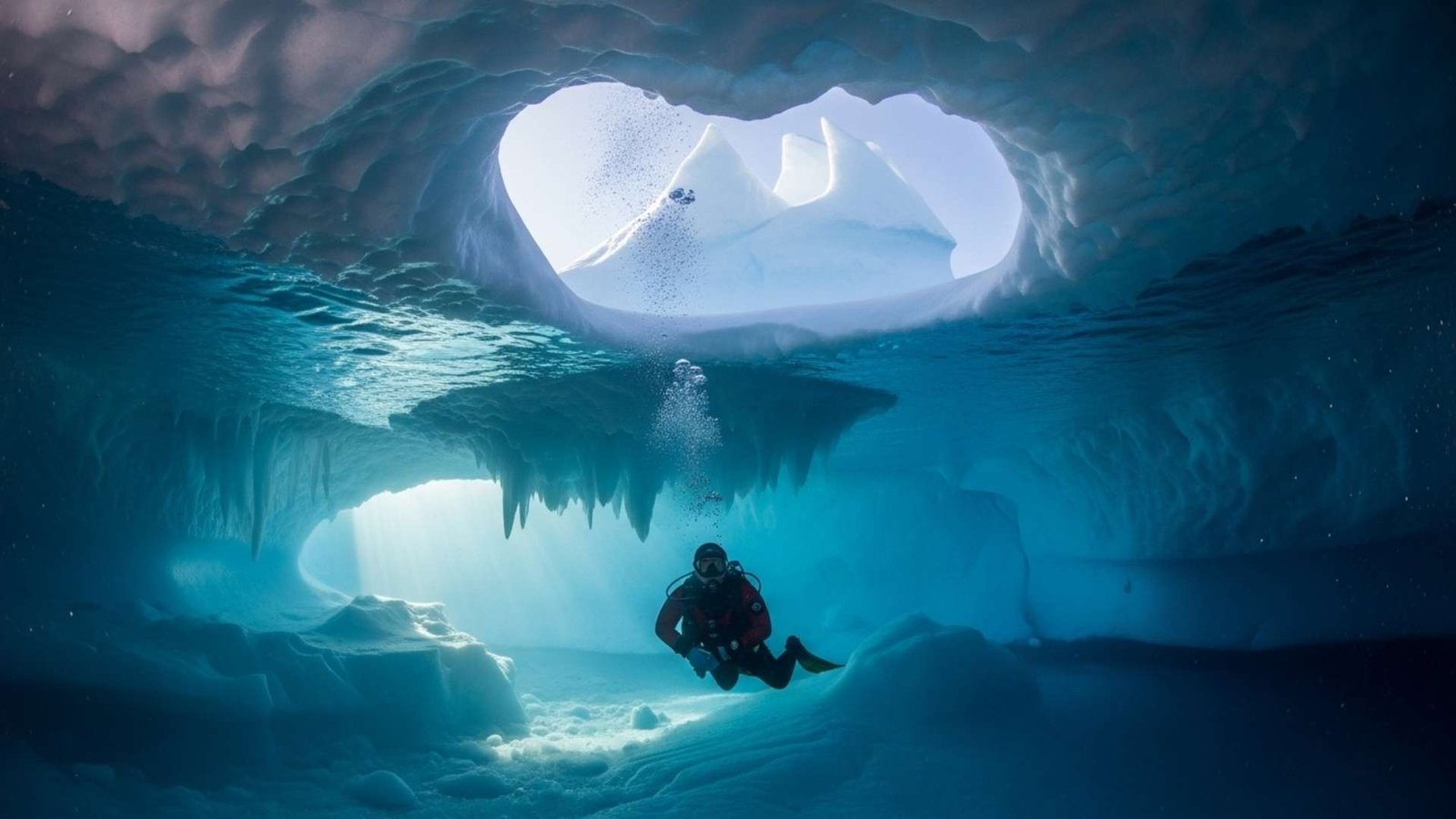
The Arctic is one of the last frontiers of true adventure travel. Diving among icebergs in the crystal-clear waters of Nunavut is an experience that few will ever forget. The icy expanse seems endless, with towering icebergs drifting by as you dive deep into the cold, clear waters. The surrounding silence is only broken by the sound of ice cracking as massive bergs shift in the current. Here, you’ll feel a sense of profound solitude and connection to nature. The sea life, from seals to various species of fish, is an unexpected treat in these polar waters, and the contrast of the white ice against the deep blues of the ocean is simply mesmerizing.
The feeling of plunging into those Arctic waters is both exhilarating and humbling. At first, the cold is a shock, but once you’re beneath the surface, everything falls into place. The sight of icebergs looming overhead as sunlight filters through the water is like something out of a dream.
Key Practical Information:
- Peak/Off-peak Seasons: Summer (June-August) is the best time to visit, when the icebergs are at their most dramatic and sea conditions are calmer.
- Best Ways to Reach and Explore: Fly into Iqaluit, Nunavut’s capital, and take a chartered boat or dive expeditions from there. Guided tours and expeditions are highly recommended for safety.
- Ideal Duration of Visit: 3-5 days for a full experience, including time for diving and exploring the surrounding landscape.
- Must-try Local Experiences: Try traditional Inuit foods such as seal and whale blubber, or visit an Inuit art gallery to see local craftsmanship.
- Budget Considerations: Expect to pay upwards of $2,500 for a diving tour, not including flights.
- Cultural Etiquette Tips: The Inuit culture is a deep part of this area’s identity—be respectful and seek permission before taking photos or entering community spaces.
- Photography Opportunities: The stark contrast of ice against the dark waters makes for dramatic photos, and icebergs viewed from above or below are especially photogenic.
5. Kayak Through the Fjords of Milford Sound, New Zealand
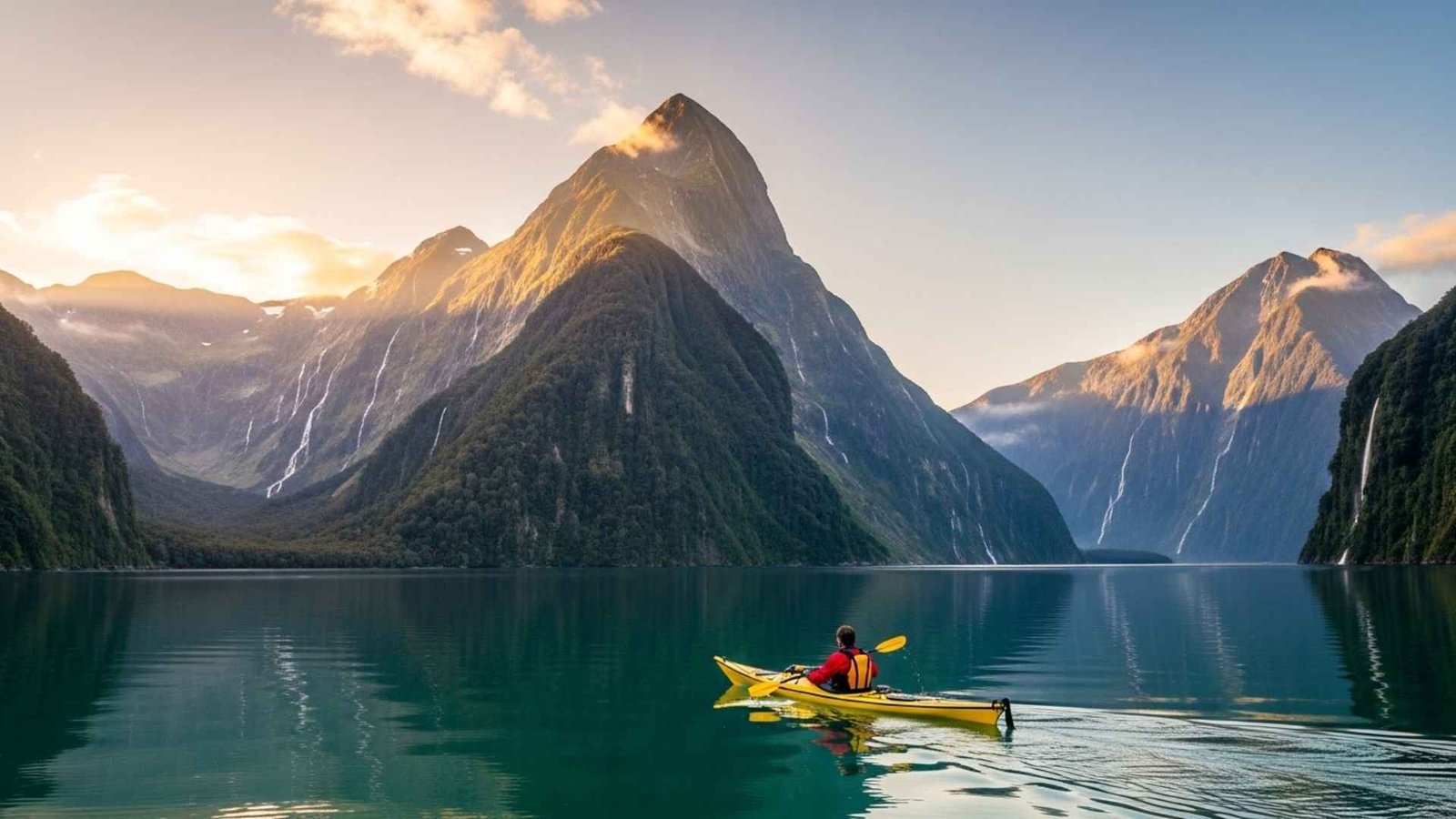
Milford Sound, often hailed as the jewel of New Zealand’s Fiordland National Park, is a place where mountains meet the sea in the most dramatic way. Kayaking here feels like gliding through a world untouched by time. The towering cliffs, thick with moss and waterfalls, create a cathedral-like atmosphere, while the deep, clear waters mirror the dramatic landscape. The sense of scale is humbling—the fjord is over 200 meters deep in places, and the surrounding peaks rise sharply from the water’s edge. As you paddle along, seals lounge lazily on the rocks, and you’ll likely see dolphins darting through the water. It’s an awe-inspiring adventure that feels intimate and wild.
I’ll never forget my early morning kayak trip, the only sounds being the ripples of my paddle and the occasional call of a bird. The mist was still clinging to the cliffs, and the whole fjord was eerily quiet. As the sun started to break through, the fjord came to life with colors I’ll never forget.
Key Practical Information:
- Peak/Off-peak Seasons: Summer (December-February) offers the best weather for kayaking, with mild temperatures and long days. The shoulder seasons (March-May) are less crowded and still quite beautiful.
- Best Ways to Reach and Explore: Drive or take a coach tour from Queenstown (2 hours). For kayaking, book a guided trip with one of the operators based in Milford Sound.
- Ideal Duration of Visit: A half-day or full-day kayak trip is enough to explore Milford Sound, but spending a night in the area allows you to soak in the beauty without the day-tripper crowds.
- Must-try Local Experiences: Explore the nearby rainforest or take a scenic boat cruise if kayaking isn’t your thing. The Milford Track is one of New Zealand’s Great Walks and offers another way to explore.
- Budget Considerations: Kayaking tours range from $100 to $200, and accommodations can be pricey, particularly in peak season.
- Cultural Etiquette Tips: Milford Sound is sacred to the Māori, so be respectful of the natural environment and follow the guidance of local tour operators.
- Photography Opportunities: The fjord is a photographer’s paradise, especially at sunrise when the morning light hits the cliffs and creates striking reflections on the water.
6. Zip-line Over the Rainforest Canopy in Costa Rica
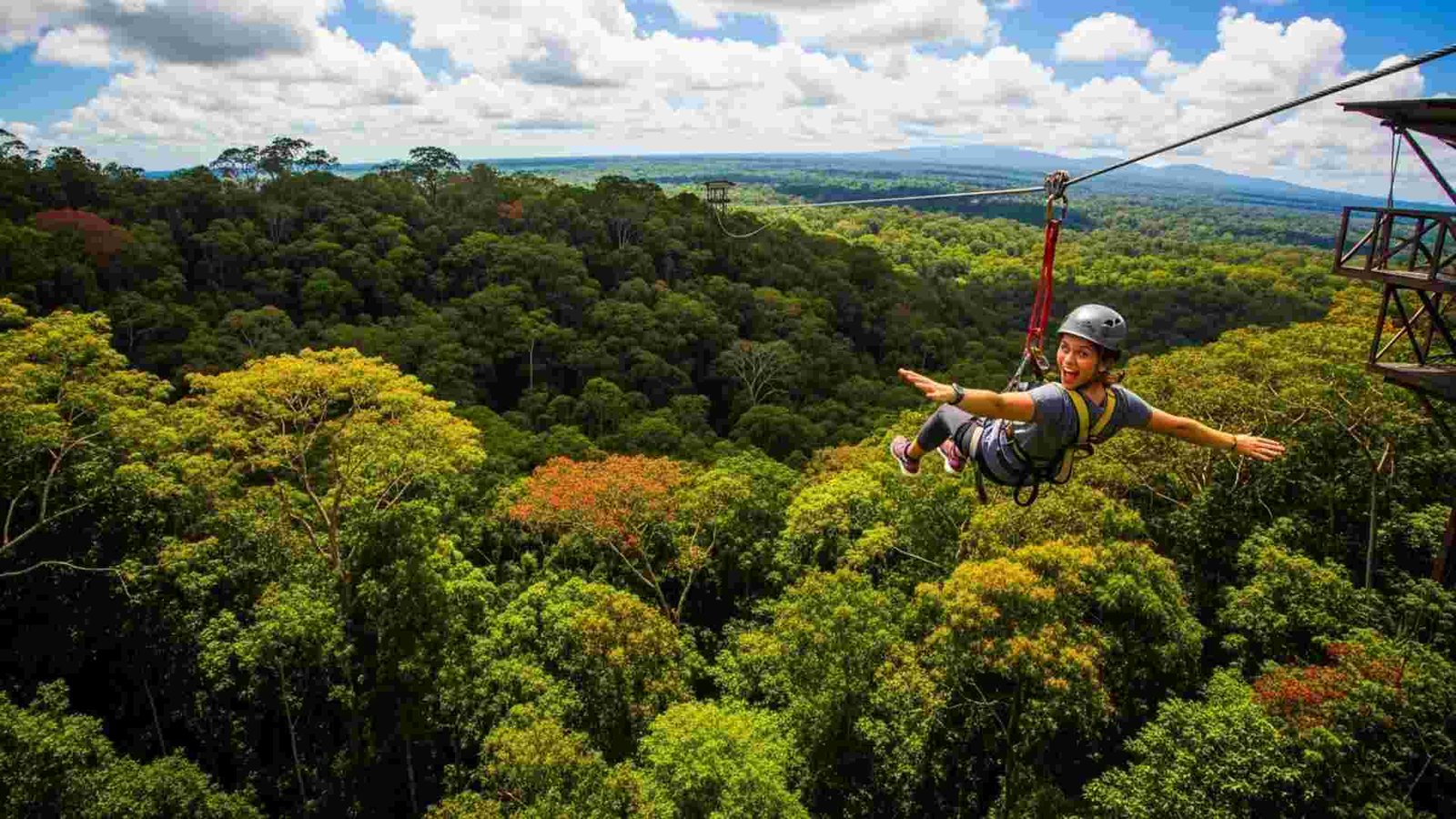
Imagine soaring through the air above a lush, verdant jungle, the sounds of the rainforest rising beneath you like a living symphony. Costa Rica’s zip-lining experience isn’t just about the thrill of the ride—it’s an immersion into one of the world’s most biologically diverse ecosystems. Far above the forest floor, you’ll zip past towering trees, spotting howler monkeys swinging in the branches, and colorful toucans darting through the air. The experience is uniquely thrilling because you’re not just an observer—you’re part of the ecosystem. The rush of adrenaline mixes with awe as you glide through an ancient tropical landscape.
When I took to the sky, it wasn’t just the wind whipping past that made the ride unforgettable—it was the surreal view of the canopy, so close yet so alien. For a moment, you feel like you’re the creature flying through the trees rather than just a visitor. And when you land, you feel a deep appreciation for the rainforest, not just as a tourist, but as someone who’s briefly merged with it.
Practical Information:
- When to Visit: The dry season (December-April) is the best time to zip-line in Costa Rica when the weather is ideal for outdoor activities.
- How to Get There: Costa Rica has multiple zip-lining locations, but the Monteverde Cloud Forest is a popular destination. You can easily reach it by driving from San José, which takes about 3-4 hours.
- Duration of Visit: Most zip-lining experiences last between 2-3 hours, with multiple lines and optional hiking through the forest afterward.
- What to Try Locally: Try Costa Rican coffee, which is world-renowned, or experience local cuisine like “gallo pinto” (rice and beans) after your adventure.
- Budget: Expect to pay around $50-$100 for a zip-lining tour. While not the cheapest, the experience is worth every penny for the view and thrill.
- Etiquette Tips: Respect the natural environment by following the instructions given by guides. Ensure that you leave the wildlife undisturbed, and be mindful of your behavior in the forest.
- Photographic Tips: The zip-line offers jaw-dropping views of the canopy, so make sure to bring a GoPro or a similar action camera to capture the moment. A wider lens can help capture the vastness of the forest from above.
7. Climb Up the Sandstone Walls in Wadi Rum, Jordan
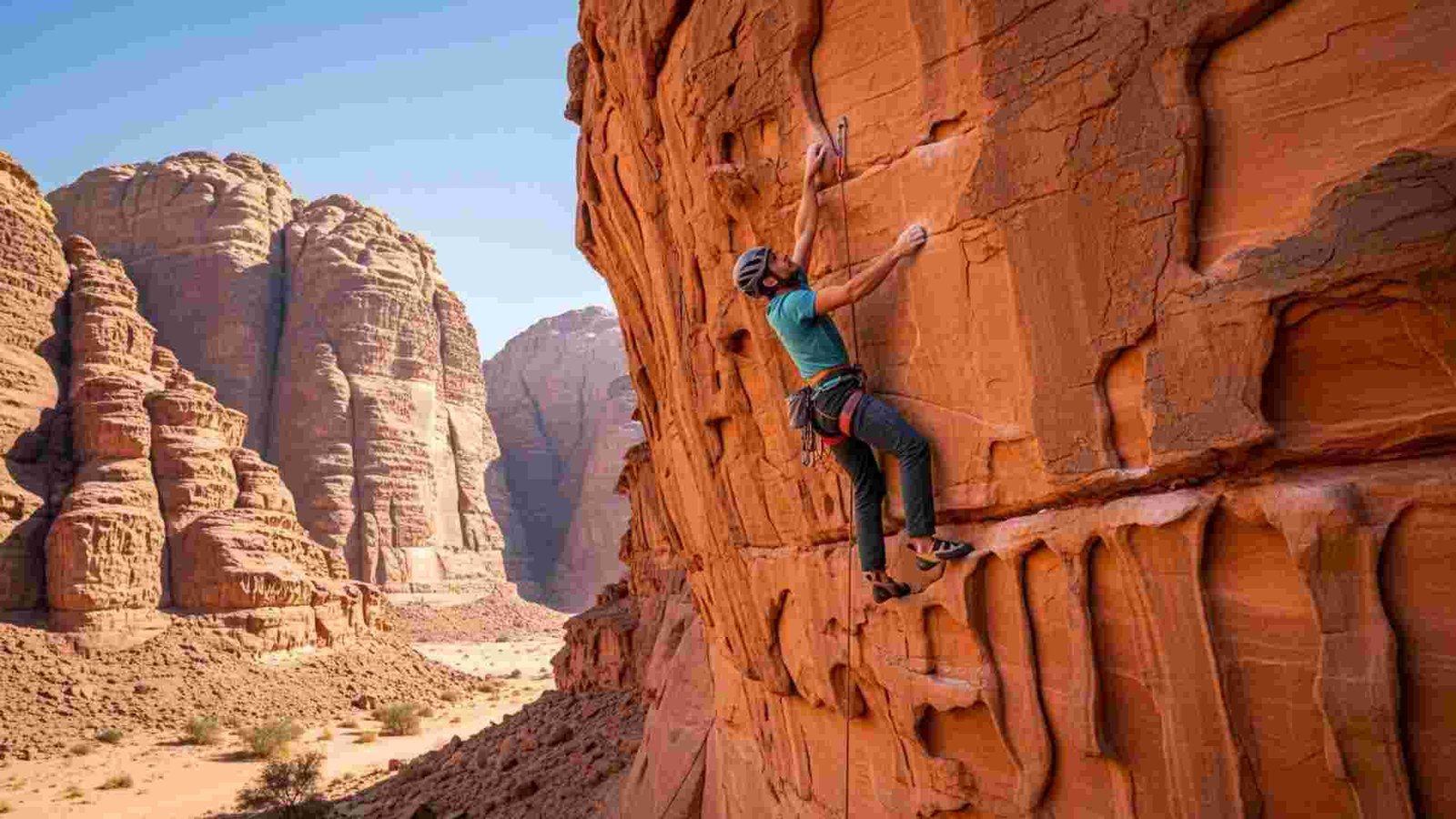
Wadi Rum is often known for its wide, sweeping desert vistas, but there’s a hidden dimension to this desert that many overlook—the vertical. Beyond the iconic red dunes and rock formations, there are some truly spectacular climbing routes waiting for the adventurous. Scaling the sheer, rust-colored sandstone cliffs offers an entirely different perspective of the desert. You’re not just traversing the land—you’re embracing it from a height, where the wind howls across the expanse and the view is unlike anything you’ll find on the ground. As the sun sets, the rocks glow in a fiery orange, making every climb a thrilling and beautiful challenge.
The first time I scaled one of the towering cliffs, the rush of adrenaline was matched by the quietude that enveloped me once I reached the top. It felt like being on top of the world, but with a profound sense of solitude and serenity. The endless desert stretched before me, and for a moment, I could understand the silence that has drawn explorers and wanderers here for centuries.
Practical Information:
- Best Time to Visit: The cooler months (October-March) offer the most comfortable temperatures for climbing. Summer can be intensely hot and is not ideal for outdoor activities.
- How to Reach: Wadi Rum is a 1.5-hour drive from Aqaba, which is accessible by plane or bus from Amman.
- Climbing Duration: Depending on the route, climbing expeditions can last anywhere from half a day to several days for multi-pitch climbs.
- Local Experiences: Camp overnight in one of the traditional Bedouin-style tents, enjoy a freshly prepared meal under the stars, and listen to stories about the desert’s rich history.
- Budget: Day climbing trips typically cost between $80-$150 depending on your guide and the length of the climb.
- Etiquette Tips: Wadi Rum is a protected UNESCO World Heritage site. Be respectful of the environment and local customs. Never disturb the wildlife and avoid littering.
- Photography Tips: Sunset and sunrise provide dramatic light over the desert landscape, making these moments perfect for wide-angle shots of the rocky terrain.
8. Raft the White Waters of the Zambezi River Near Victoria Falls
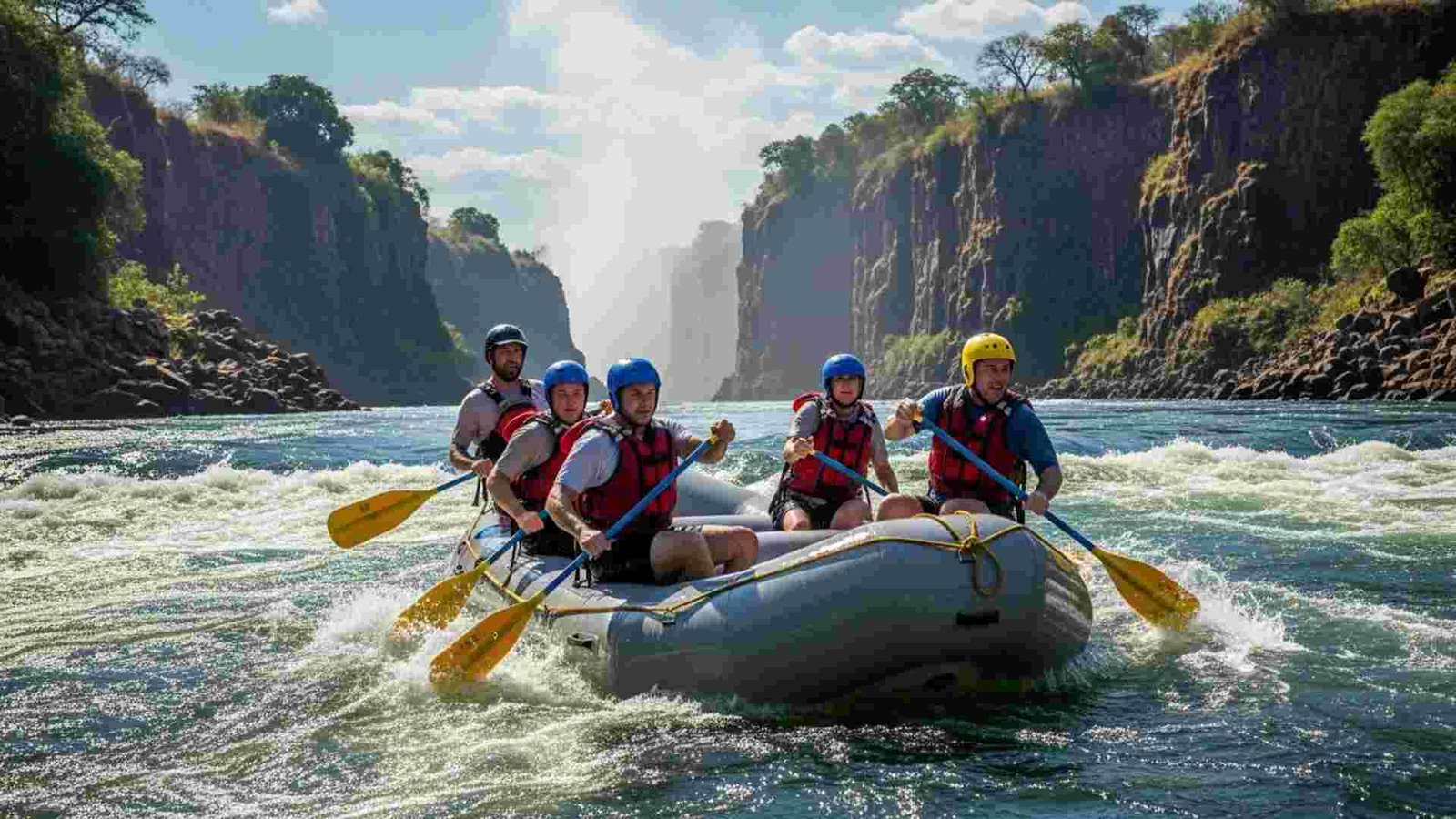
The Zambezi River’s rapids offer one of the most exhilarating white-water rafting experiences on the planet. What makes this place extraordinary is not just the intensity of the rapids, but the setting—nestled between Zimbabwe and Zambia, with the colossal Victoria Falls in the backdrop, there’s an element of surreal grandeur. As you fight through Class V rapids, the spray from the falls adds a refreshing mist to the adrenaline-pumping action. The roar of the waterfall is ever-present, but it’s the tranquility of the river that sets the stage for the next dramatic wave. It’s a thrilling juxtaposition of power and beauty.
Rafting the Zambezi is a visceral experience. The moment you crash through a rapid and emerge gasping for air, the sheer force of the water feels like nature’s purest expression of power. What truly stuck with me was the feeling of being so small yet so alive in the face of this immense natural force. That mix of fear and exhilaration is unlike anything else.
Practical Information:
- Best Time to Visit: The best time to raft is during the low-water season (June-December), when the rapids are most intense. During the rainy season, the water levels rise, making rafting dangerous.
- How to Reach: Victoria Falls can be accessed from either Zimbabwe or Zambia. Flights from major African hubs like Johannesburg and Nairobi connect to either side.
- Duration of Visit: A full-day rafting trip is ideal, though many tours also offer multi-day packages with additional activities.
- What to Try Locally: Try the local cuisine, including “sadza” (a maize-based dish) and fresh game meat, served at local eateries in Victoria Falls.
- Budget: White-water rafting typically costs $120-$180 per person for a full-day tour. Additional activities like bungee jumping or helicopter rides are extra.
- Etiquette Tips: Victoria Falls is sacred to local tribes, so ensure that you are respectful of the surrounding areas and follow the guidance of your tour guides.
- Photography Tips: Capture the moments of excitement during the rapids—action shots are perfect here, but be mindful of the spray from the falls!
9. Hot-Air-Balloon Over the Volcanic Terrain of Cappadocia, Turkey
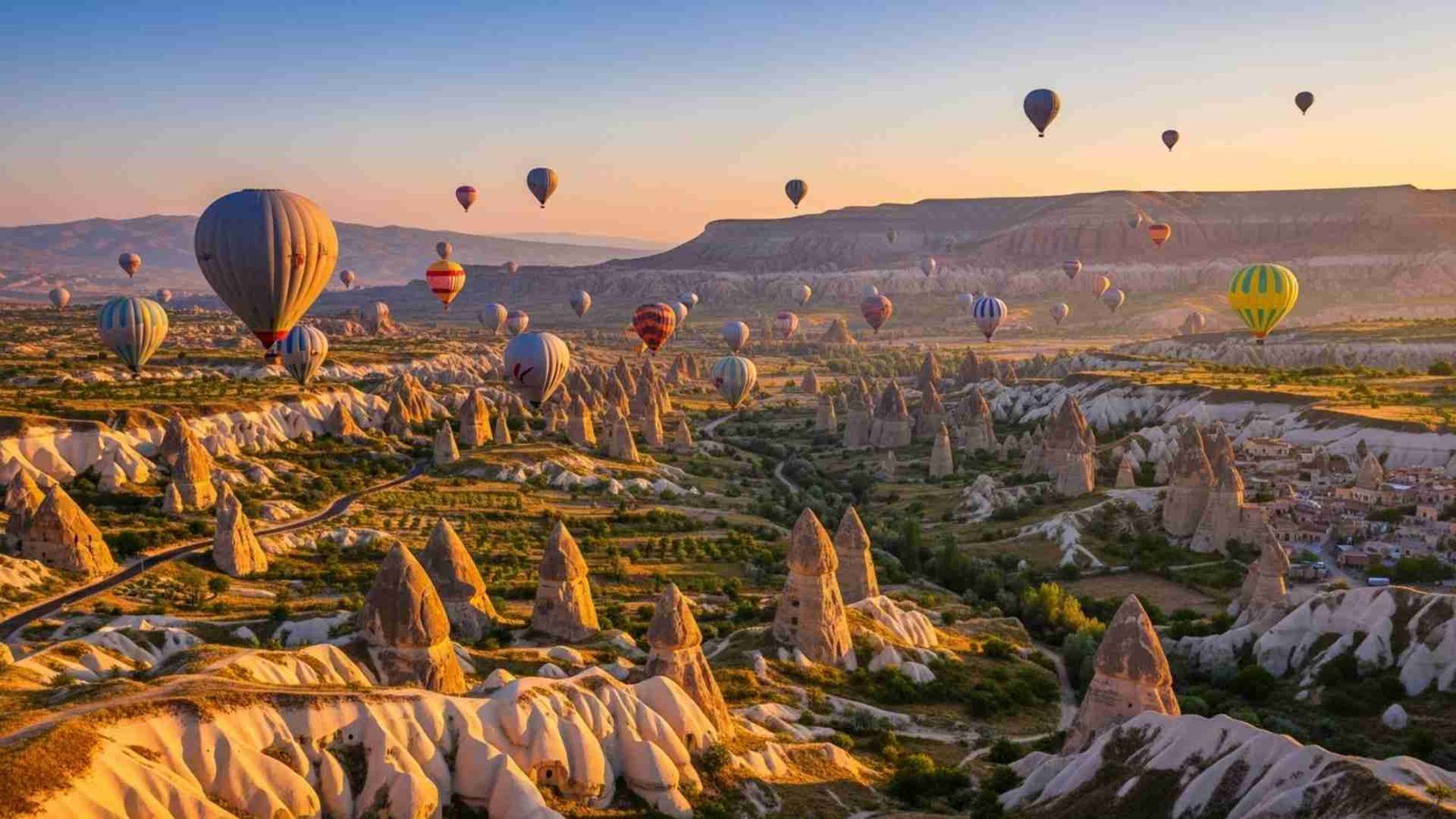
Cappadocia’s surreal, otherworldly landscape of fairy chimneys and cave dwellings takes on an ethereal quality when seen from above. The hot-air balloon ride isn’t just about the view—it’s about feeling as though you’ve slipped into a dreamscape. As the sun rises, the landscape below transforms from soft shades of grey to fiery hues of red and orange. The contrast between the volcanic rocks, ancient dwellings, and vibrant balloon-filled sky creates an unforgettable visual tapestry. Floating silently over this terrain, you feel a mix of exhilaration and serenity, as if time has slowed down and you’re floating in another dimension.
The quiet of the morning is broken only by the gentle hiss of the balloon burner, and as you glide over the fairy chimneys, the landscape unfurls in every direction. It felt like I had discovered a hidden world, tucked away in time and untouched by the modern world. The feeling of weightlessness and freedom was almost meditative, making it an experience I won’t forget.
Practical Information:
- Best Time to Visit: Cappadocia is best visited in spring (April-June) or autumn (September-November) for moderate temperatures and clearer skies.
- How to Get There: Fly into Nevşehir or Kayseri airports, both of which are about an hour’s drive from the region. Many hotels offer shuttle services to the balloon ride sites.
- Duration of Visit: Hot-air balloon rides last about 1-2 hours, and most visitors stay in the region for 2-3 days to explore the area.
- What to Try Locally: Sample the local “testi kebab,” a meat dish cooked in a clay pot, or enjoy a cup of Turkish coffee.
- Budget: Balloon rides typically range from $150-$250 per person, depending on the season and the tour operator.
- Etiquette Tips: Respect the quiet of the morning and the process of inflating the balloons. Avoid making excessive noise or disturbances during the ride.
- Photography Tips: Capture the early morning light as it illuminates the volcanic landscape. The bird’s-eye view of the rock formations, caves, and other balloons is perfect for wide-angle shots.
10. Walk Amid Giant Sand Dunes in Sossusvlei, Namibia
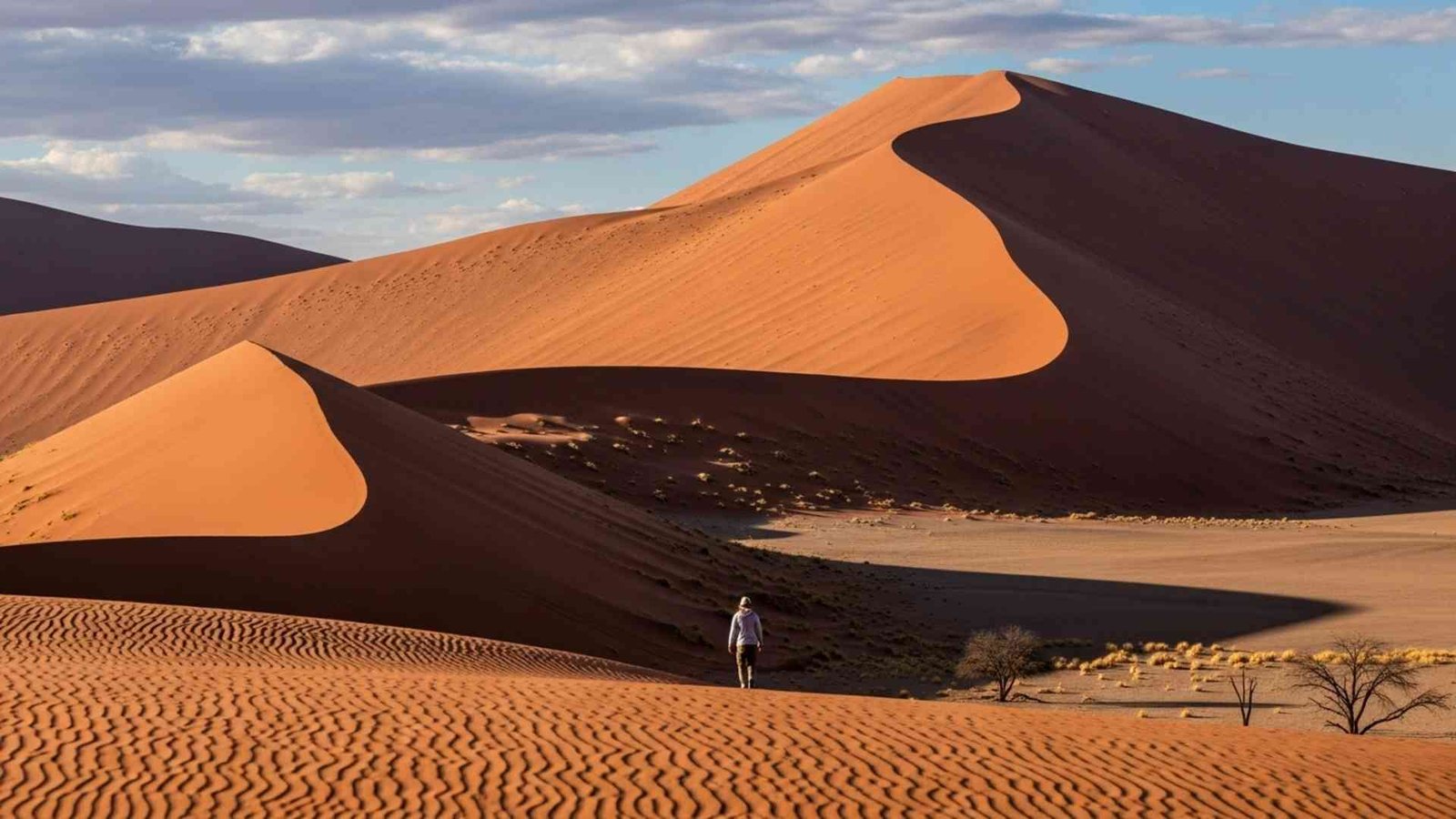
Sossusvlei isn’t just a desert; it’s a living canvas, where the wind sculpts the towering dunes into ever-changing shapes. Standing at the foot of the world’s tallest dunes, you realize how small you are in this vast expanse. What makes this place particularly special is the play of light and shadow—at sunrise and sunset, the dunes glow with a warm, golden hue, creating an almost surreal scene. The dead trees in Deadvlei, white and skeletal against the red sand, are haunting yet beautiful remnants of the past. It’s a place of stark beauty, where nature’s forces collide in a breathtaking dance.
The first time I climbed one of Sossusvlei’s towering dunes, I was struck by the silence—no wind, no sound. It felt as if time had stopped. Reaching the top, the vastness of the landscape below stretched for miles. The dunes’ ridges formed shadows that moved like waves in the ocean, a reminder of the eternal motion of nature.
Practical Information:
- Best Time to Visit: Visit in the cooler months (April-October) to avoid the extreme heat of the summer. Early mornings or late afternoons offer the best light and temperatures.
- How to Get There: Fly into Windhoek, then drive (about 5 hours) to the park. Alternatively, there are smaller flights that land at Sesriem, close to the dunes.
- Duration of Visit: A day or two in the area is sufficient to explore the dunes and Deadvlei, but if you want to experience the full desert ambiance, plan for 3-4 days.
- What to Try Locally: Don’t miss the opportunity to sample traditional Namibian biltong (dried cured meat) or enjoy a meal at one of the local campsites.
- Budget: Entrance fees to the park are about $5, and guided tours can cost around $60-$100 for a half-day excursion.
- Etiquette Tips: Sossusvlei is a delicate environment—avoid climbing on the vegetation and follow all park guidelines to minimize your impact.
- Photography Tips: Capture the dunes at sunrise or sunset, when the light is soft and creates deep contrasts between the sand and shadows. Deadvlei’s dead trees make for striking, eerie shots against the vibrant dunes.
11. Surf a Giant Wave on the North Shore of Oʻahu, Hawaii
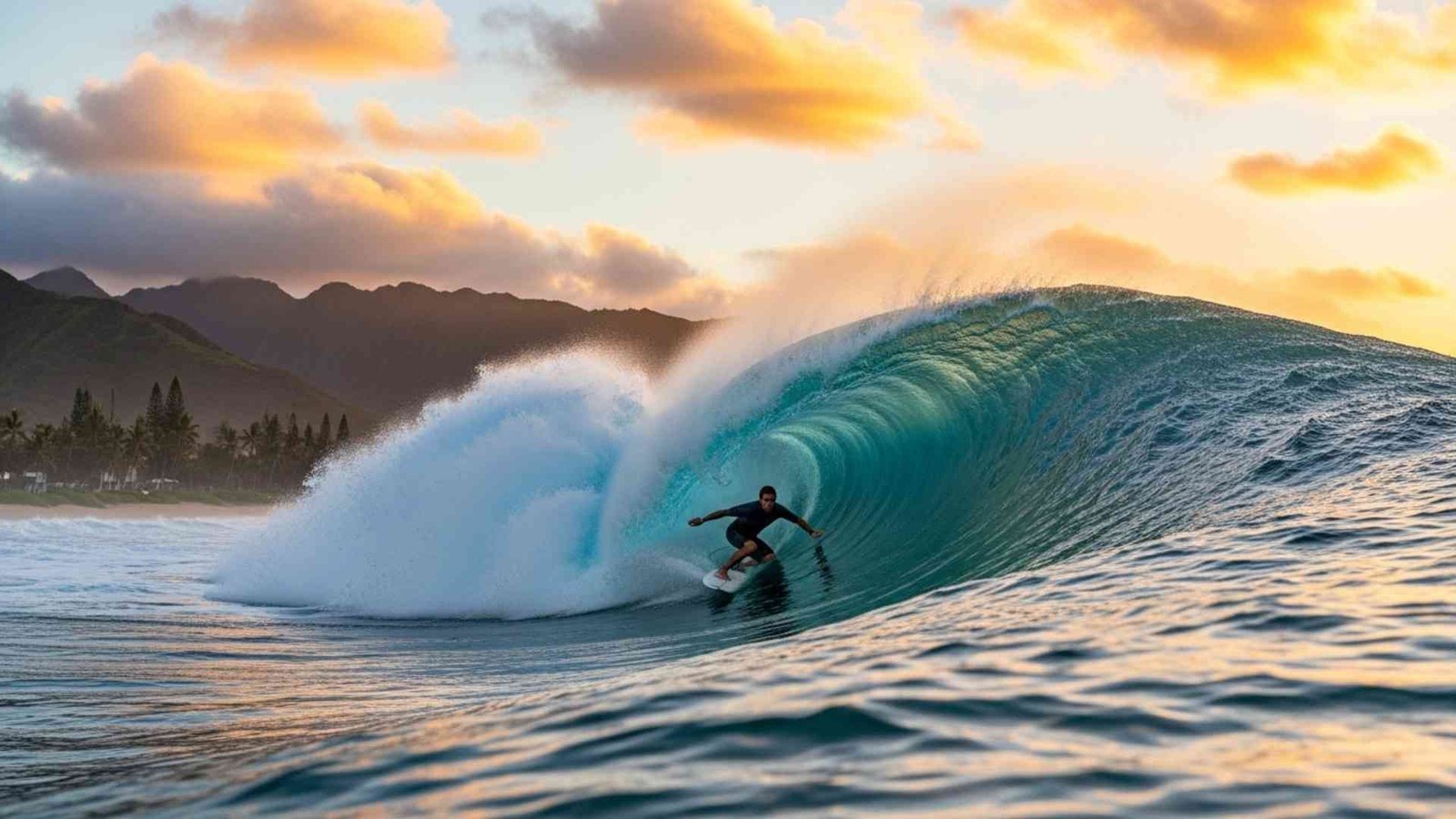
While Oʻahu’s North Shore is famous for its massive waves and surf culture, there’s a quieter side of this coastal paradise that often gets overlooked—the vibrant local communities and the rich history embedded in the shoreline. It’s not all about chasing the perfect wave; it’s about understanding the ocean’s deep connection to Hawaiian culture. The legends of the sea, shared over generations, will enrich your experience in ways a surfboard never could. The powerful waves are simply the beginning of your adventure here. At its heart, the North Shore invites you to become part of its rhythm.
The waves at Waimea Bay, Pipeline, and Sunset Beach are the stuff of legends, but they can be intimidating. A local tip? Visit during the “off-season” (May to September) when the waves are gentler. This gives you a chance to dip your toes into the surfing culture without the intense competition. Plus, you can explore the charming town of Haleʻiwa, which offers everything from local art galleries to legendary shrimp trucks.
Practical Information:
- When to Visit: The best time for surfing on Oʻahu’s North Shore is winter (November-February), when the big swells roll in. However, for more relaxed surfing or a general visit, the spring and summer months offer a calmer ocean and beautiful weather.
- How to Get There: You can drive from Waikīkī in about 45 minutes. Public transport is available, but renting a car gives you flexibility to explore the beaches and hidden spots along the coast.
- Duration of Visit: 1-2 days is sufficient for surfing and enjoying the North Shore’s highlights. However, if you want to fully immerse yourself, 3-4 days will allow for ample exploration.
- Local Experiences: Be sure to grab a plate of garlic shrimp from one of the food trucks along the coastline and visit the nearby Byodo-In Temple for a peaceful respite.
- Budget: Surfboard rentals typically cost around $30-$50 per day. For surf lessons, expect to pay $100-$150 per lesson.
- Cultural Tips: Respect local surfers—”locals only” rules often apply to certain beaches. Always ask before entering surf spots and be mindful of Hawaiian customs.
- Photography: Early morning or late afternoon light creates stunning reflections in the water and can help capture the raw energy of the waves.
12. Cave Trek into the Sinkhole-Chasms of Cenote Ik’ Kil, Mexico
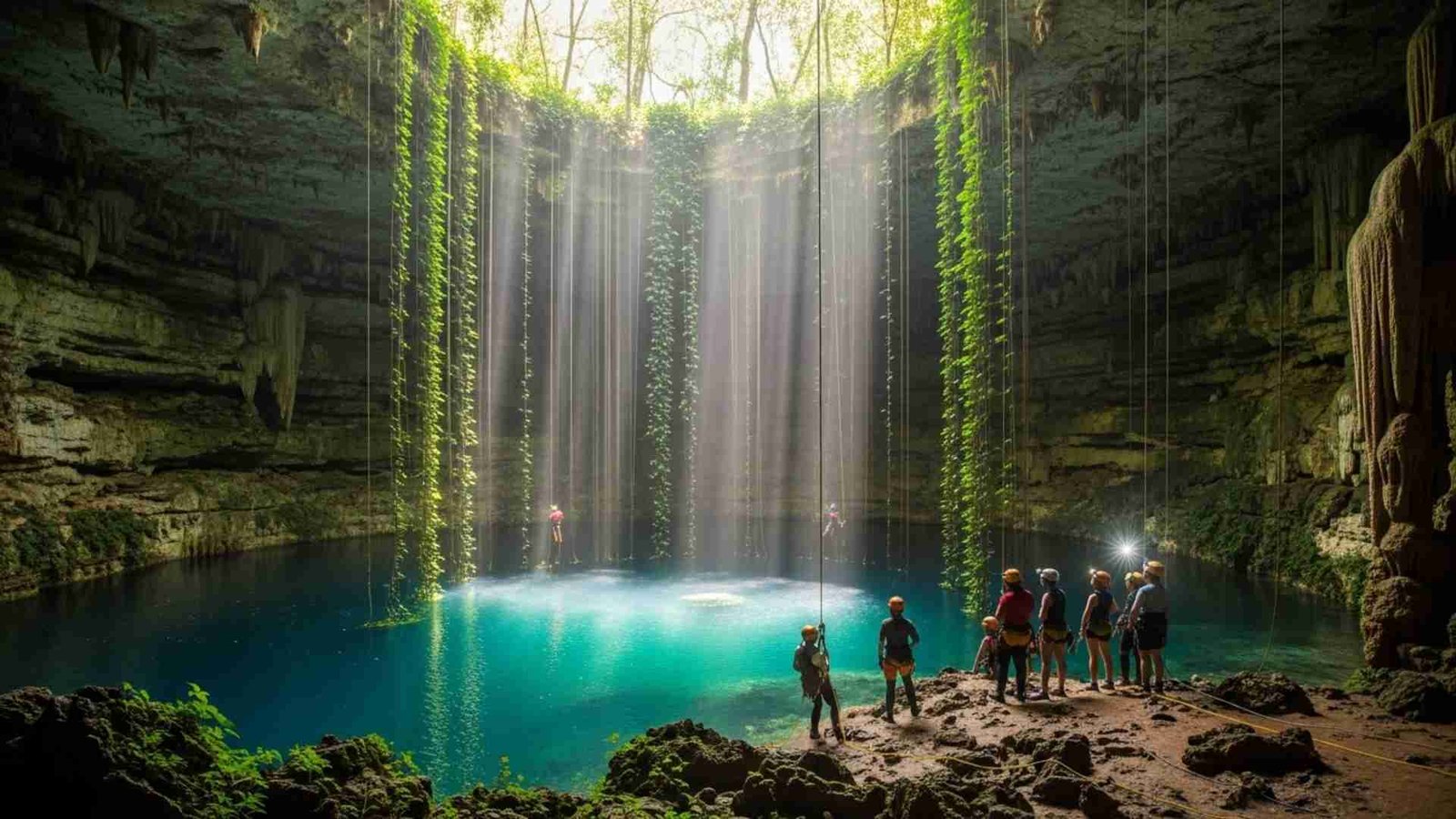
The Cenote Ik’ Kil, located just outside Chichen Itza, is often overshadowed by the grandeur of the ancient ruins. But step into this deep, turquoise sinkhole, and you’ll find yourself in one of the most surreal swimming experiences on Earth. Surrounded by lush jungle and dangling vines, the cenote’s clear waters hold an almost sacred aura. The deep blue water contrasts sharply with the green foliage and the sun’s rays filtering through the opening above. It’s a stunning, quiet place to reconnect with nature—a world within a world.
While Ik’ Kil is the most famous cenote in the region, the nearby Cenote Sagrado at Chichen Itza (usually closed to the public) is worth visiting if you’re keen on venturing off the beaten path. For a more serene experience, visit Ik’ Kil early in the morning when the crowds are still light, giving you time to swim and soak in the tranquility before the tour buses arrive.
Practical Information:
- When to Visit: Mornings (7:00 AM – 9:00 AM) are ideal to avoid crowds. The dry season (November-April) is perfect for visiting as it offers clear waters and warmer weather.
- How to Get There: Ik’ Kil is located about 3km from Chichen Itza and can be reached by car or via an organized tour. If you’re based in Mérida, it’s a 2-hour drive.
- Duration of Visit: A visit typically lasts 1-2 hours, but spending a day in the region allows for visiting nearby cenotes and the archaeological site of Chichen Itza.
- Local Experiences: After your swim, explore the nearby town of Piste for traditional Yucatan food and a taste of local life.
- Budget: Entrance to the cenote costs around $5-$10. Tours often include both the cenote and Chichen Itza, with prices ranging from $30-$60.
- Etiquette Tips: Keep noise to a minimum in the cenote area and follow all guidelines to preserve the natural beauty of this sacred site.
- Photography: The cenote’s water is crystal-clear, offering unique underwater photo opportunities. Don’t forget to capture the dramatic contrast of vines and sunlight streaming into the water.
13. Paraglide off the Ridge of Fitz Roy in Patagonia, Argentina
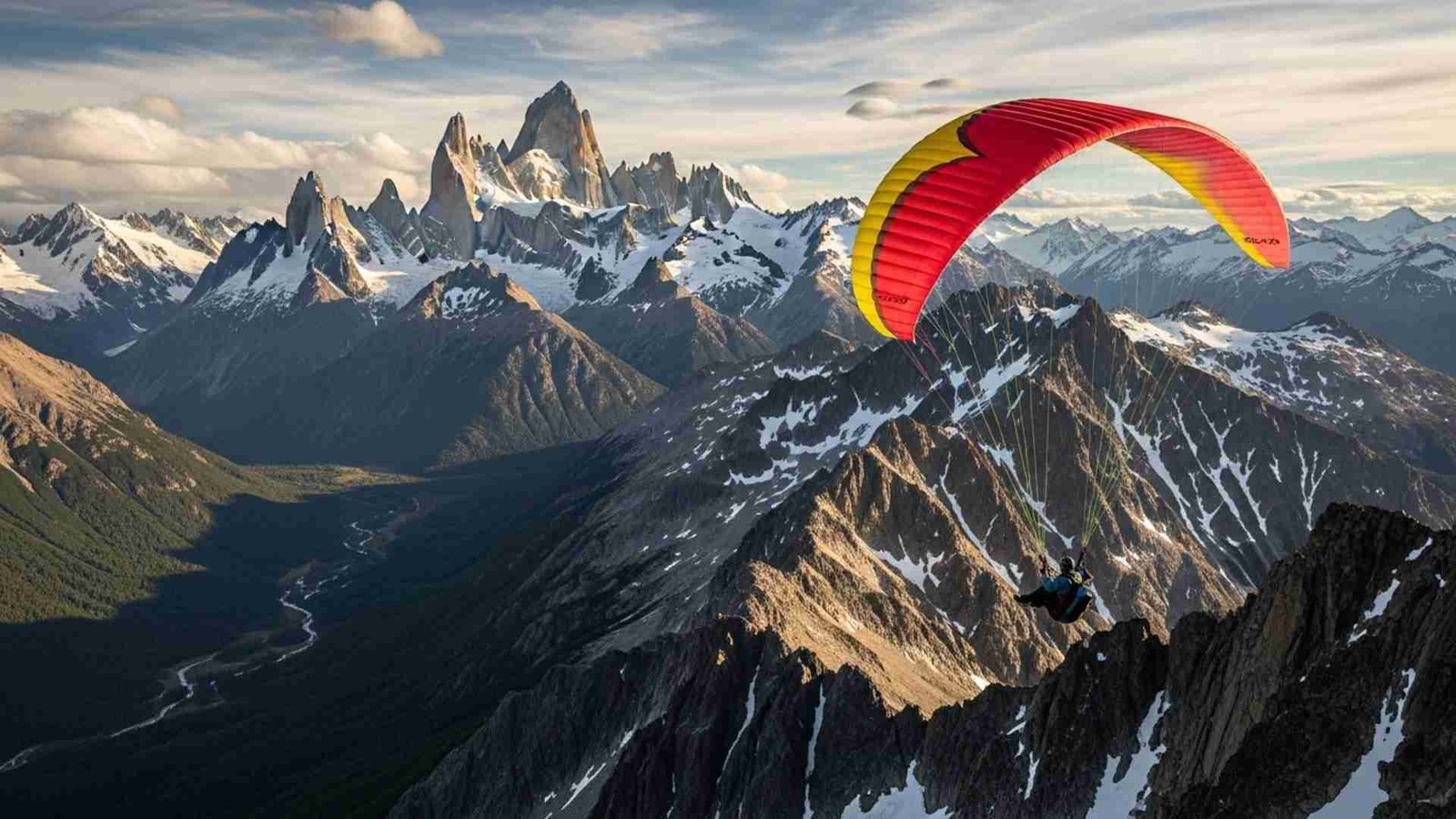
While Patagonia is known for its rugged landscapes and dramatic hikes, few visitors realize that the best way to experience the jaw-dropping views of Fitz Roy is from above. Paragliding over the jagged peaks of the Southern Andes offers a bird’s-eye view of one of the most pristine wildernesses on the planet. The feeling of gliding above glaciers, waterfalls, and verdant valleys is both liberating and humbling. The vastness of Patagonia, often lost in the folds of a trekking trail, becomes crystal clear from the air.
Paragliding from the Fitz Roy region can be an unforgettable experience, but ensure you book your flight with a certified operator for safety. If you’re not experienced, tandem flights are an excellent way to experience this thrill with a professional pilot. Be sure to check weather conditions, as wind can be unpredictable, especially in the shoulder months of Patagonia.
Practical Information:
- When to Visit: December-March (summer in the Southern Hemisphere) offers the most favorable weather for paragliding. The winter months (May-August) are too cold and windy for safe flights.
- How to Get There: The nearest airport is in El Calafate. From there, take a bus or drive 3 hours to El Chaltén, the closest town to Fitz Roy.
- Duration of Visit: Most paragliding flights last 20-30 minutes, but with travel, plan for a full day.
- Local Experiences: Trekking through Los Glaciares National Park and visiting Laguna de los Tres are must-do activities in the region.
- Budget: Tandem paragliding flights cost around $200-$300 USD. Accommodation in El Chaltén can be budget-friendly, but during peak season, prices rise.
- Etiquette Tips: Patagonia is a delicate environment. Always follow environmental guidelines to minimize your footprint, especially near glaciers and protected areas.
- Photography: A GoPro or action camera is essential for capturing the stunning aerial views of glaciers, lakes, and the jagged peaks below.
14. Hike the Volcanic Terrain of Mount Kilimanjaro in Tanzania
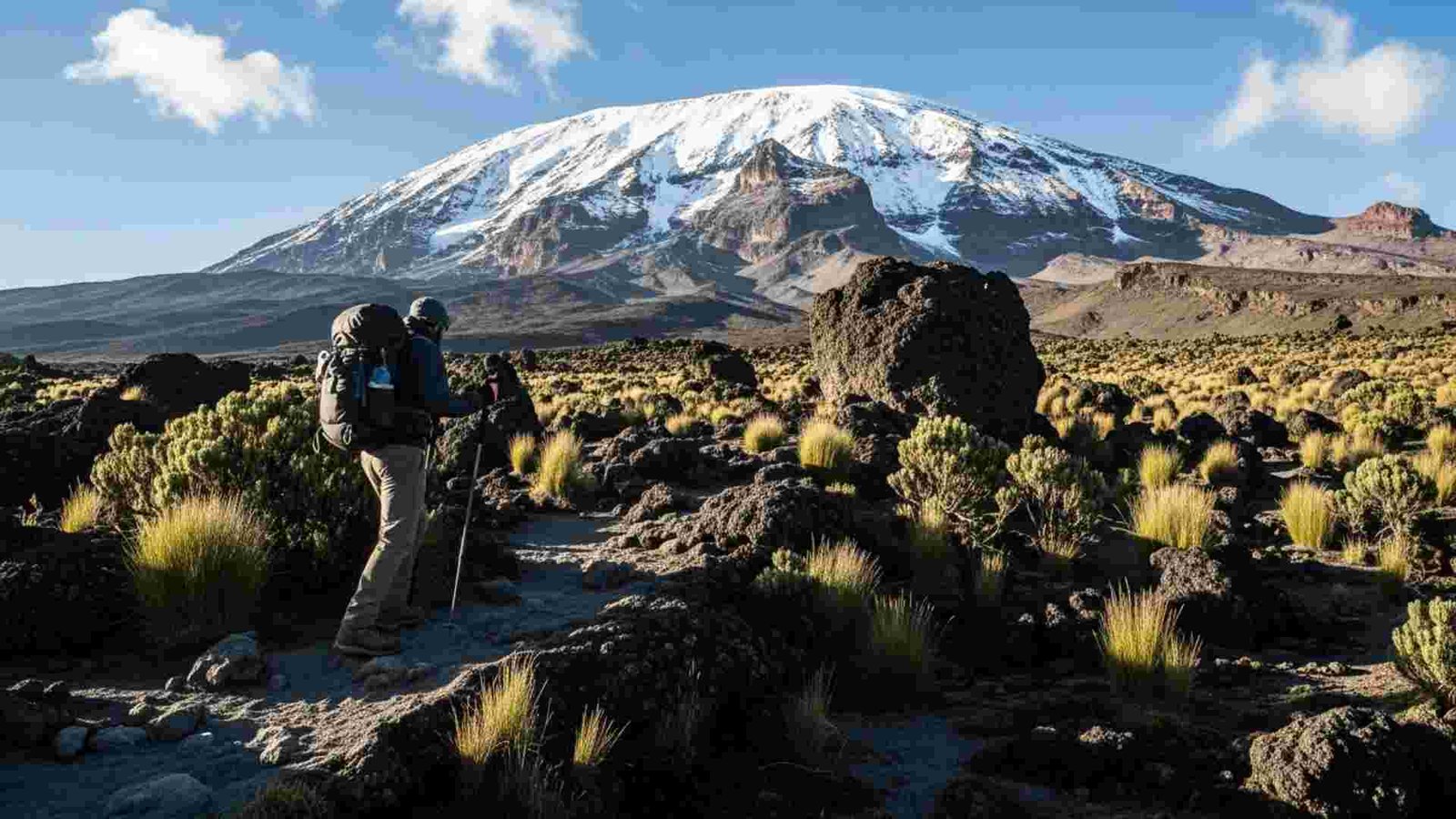
Kilimanjaro is known for its incredible summit trek, but what often surprises travelers is the diverse landscapes you pass through as you ascend. From the rainforests at the base to the barren, snow-capped summit, the terrain changes drastically, making each stage of the hike feel like a new adventure. Along the way, you encounter wildlife like monkeys and colorful birds, while the porters and guides provide insights into the local Chaga culture, making the climb not just a physical challenge, but a cultural immersion as well.
Acclimatization is key on this journey. Many trekkers underestimate the impact of altitude. Taking the longer, slower routes like Machame or Lemosho can significantly increase your chances of reaching the summit because they allow more time to adjust to the higher altitudes.
Practical Information:
- When to Visit: The best time to hike Kilimanjaro is during the dry seasons, from January to March and June to October. Avoid the rainy season (March-May) when trails are muddy and dangerous.
- How to Get There: Fly into Kilimanjaro International Airport near Arusha. From there, many tour companies offer guided treks, which are mandatory for safety and logistics.
- Duration of Visit: The trek itself takes 5-9 days, depending on the route you choose. Expect to spend a few extra days in Arusha or Moshi for preparation and recovery.
- Local Experiences: Spend time with the Chaga people, the indigenous group of the Kilimanjaro region, to learn about their culture, history, and traditions.
- Budget: The average trek costs between $1,500-$3,000, depending on the route, guides, and the length of the trek.
- Etiquette Tips: Respect the local culture and traditions. Tipping porters and guides is customary and much appreciated.
- Photography: The vistas from Kilimanjaro’s lower slopes are breathtaking, with sweeping views of the savannah and surrounding hills. Capture the transition from tropical forest to alpine desert as you ascend.
15. Zip Across the Canopy of the Amazon Rainforest at Dawn
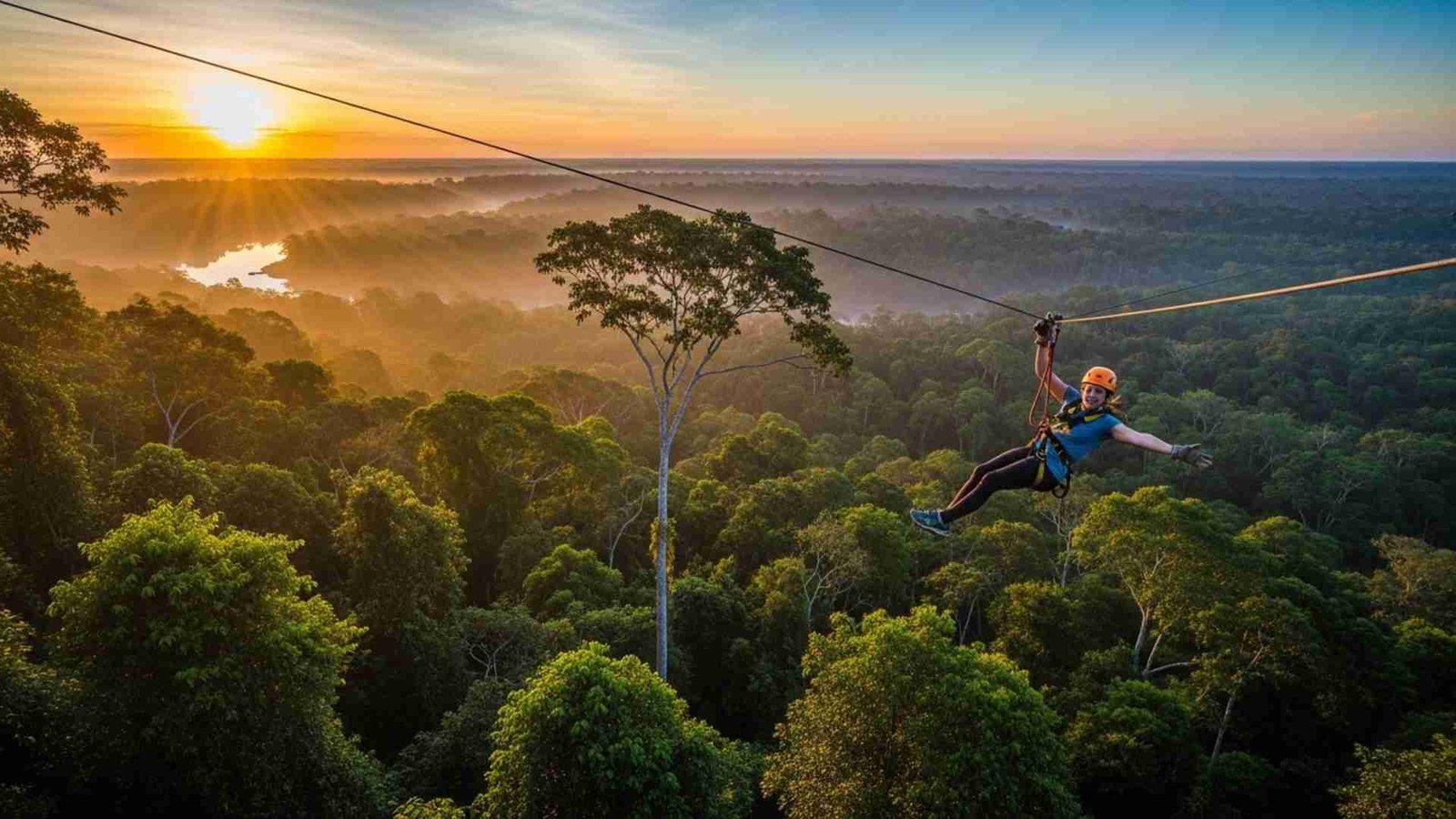
Most people associate the Amazon with river cruises and wildlife safaris, but zip-lining through the canopy offers an entirely new perspective. As the morning mist rises and the sun breaks through, you’ll find yourself gliding over a vibrant sea of green, where you might spot howler monkeys or scarlet macaws in flight. The Amazon’s birdsong is your soundtrack as you float through one of the most biodiverse ecosystems on Earth. The sensation of flying across the treetops gives you a real sense of scale—it’s not just a rainforest, it’s a living organism.
For a truly magical experience, book a zip-line tour that starts at dawn. The early morning light filters through the leaves, creating a dreamlike atmosphere, and the wildlife is most active at this time. Plus, the heat of midday won’t yet have set in, making the experience far more comfortable.
Practical Information:
- When to Visit: The dry season (June-September) is ideal for zip-lining in the Amazon, as it avoids the rain that makes the jungle difficult to navigate.
- How to Get There: Access the Amazon from Manaus, Brazil, by taking a boat or plane to a nearby jungle lodge. Many eco-tourism companies operate zip-lining tours in the region.
- Duration of Visit: Zip-lining typically lasts 1-2 hours. You’ll want to spend at least 2-3 days in the Amazon to fully experience the jungle.
- Local Experiences: Visit local indigenous communities or take a riverboat tour through the flooded forests of the Amazon.
- Budget: Zip-lining tours range from $50-$100, while multi-day Amazon lodges can cost $150-$300 per night, depending on luxury.
- Etiquette Tips: Be mindful of the fragile environment. Leave no trace, and avoid disturbing the local wildlife. Respect the indigenous communities’ privacy and customs.
- Photography: The early morning light is perfect for capturing the mist rising from the jungle and the birds soaring above. A wide-angle lens will help capture the grandeur of the canopy.
16. Snowmobile Over the Frozen Tundra in Lapland Beneath the Aurora Borealis
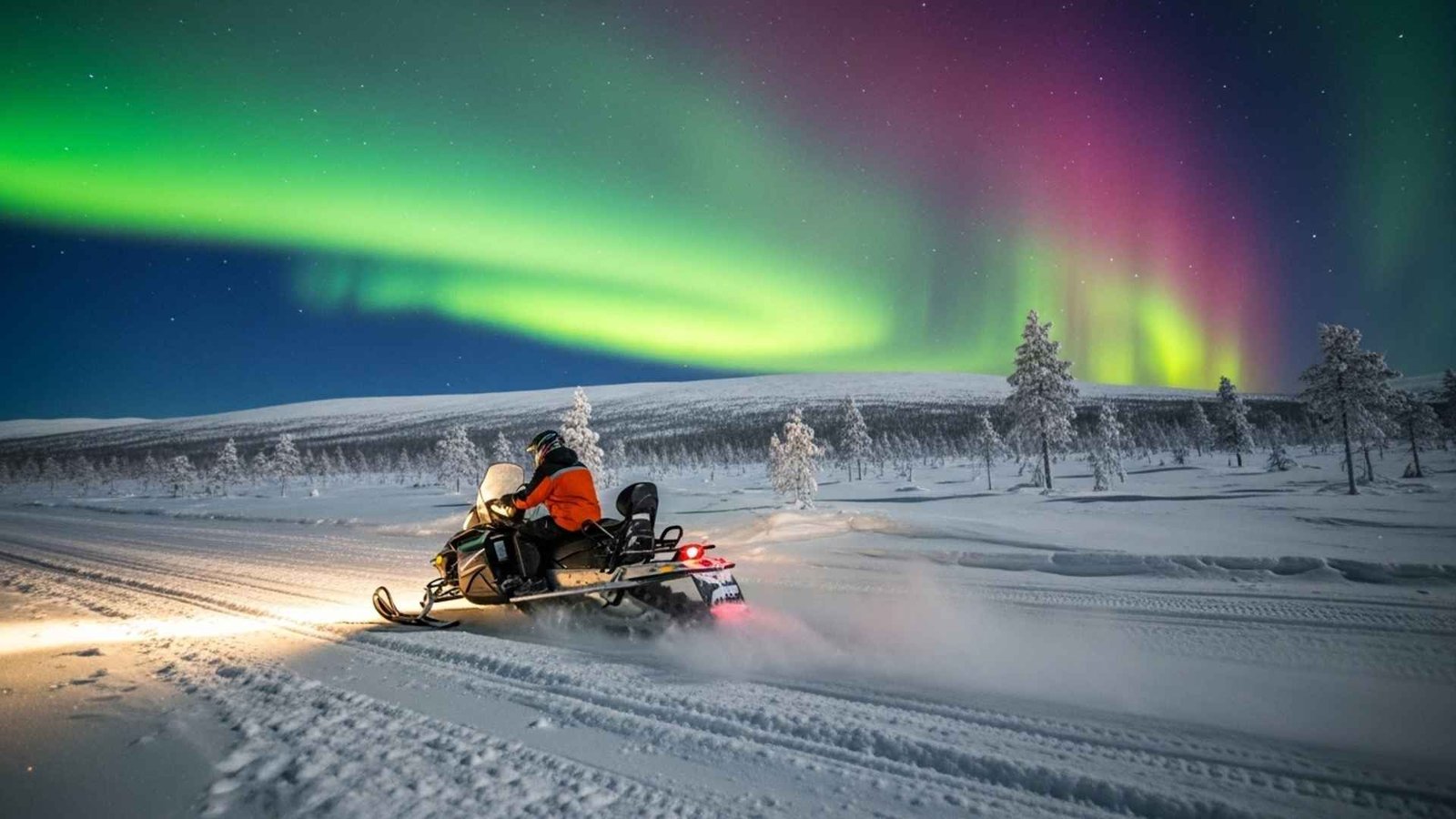
Lapland’s frozen tundra feels like another planet. The stark white landscape stretches endlessly, broken only by the occasional snowy pine tree or reindeer. But what sets this place apart isn’t just the serene isolation—it’s the magic of the Northern Lights. Snowmobiling across the snow-covered expanse at night, beneath the glowing aurora, offers an unforgettable combination of speed, solitude, and spectacle. The lights dance above you as the snowmobile hums along, weaving through the pristine landscape.
The best time to see the Northern Lights is between December and March. Be sure to dress warmly—temperatures can plummet to -30°C (-22°F). Also, check out the local Sámi culture; many tours offer a chance to stay in traditional Sámi tents and experience their way of life.
Practical Information:
- When to Visit: The ideal time to visit Lapland for snowmobiling and the Northern Lights is from late December to February, when the weather is coldest and the nights are long.
- How to Get There: Fly into Rovaniemi or Kittilä in Finland, then join a snowmobile tour that departs from one of the many local resorts.
- Duration of Visit: A half-day snowmobile tour is perfect for seeing the auroras, but a 3-5 day stay will allow you to fully embrace the Lapland experience.
- Local Experiences: After snowmobiling, unwind with a visit to a traditional Finnish sauna or go dog-sledding.
- Budget: Snowmobile tours range from $150-$300 for a half-day tour. Accommodation in Lapland can vary, with prices starting at $100 per night for a basic lodge.
- Etiquette Tips: Respect the Sámi people’s traditional lands and culture. Keep noise to a minimum, especially in remote areas, to preserve the silence and peace of the landscape.
- Photography: Capture the surreal, glowing sky with a tripod for long-exposure shots that bring the Northern Lights to life. Snowmobiles in the foreground add a sense of motion to your photos.
Conclusion:
Embarking on these 16 “Adventure” Bucket List items offers not just a thrill, but a deeper connection with the world’s most awe-inspiring landscapes. From soaring above rainforests in Costa Rica to conquering the icy depths of Iceland’s caves, each destination challenges you to step out of your comfort zone and embrace the extraordinary. Whether you’re trekking through rugged terrains, gliding over volcanic valleys, or rafting through powerful rapids, these adventures promise memories that will last a lifetime. Ultimately, they serve as a reminder that the world is full of exhilarating experiences waiting to be discovered.