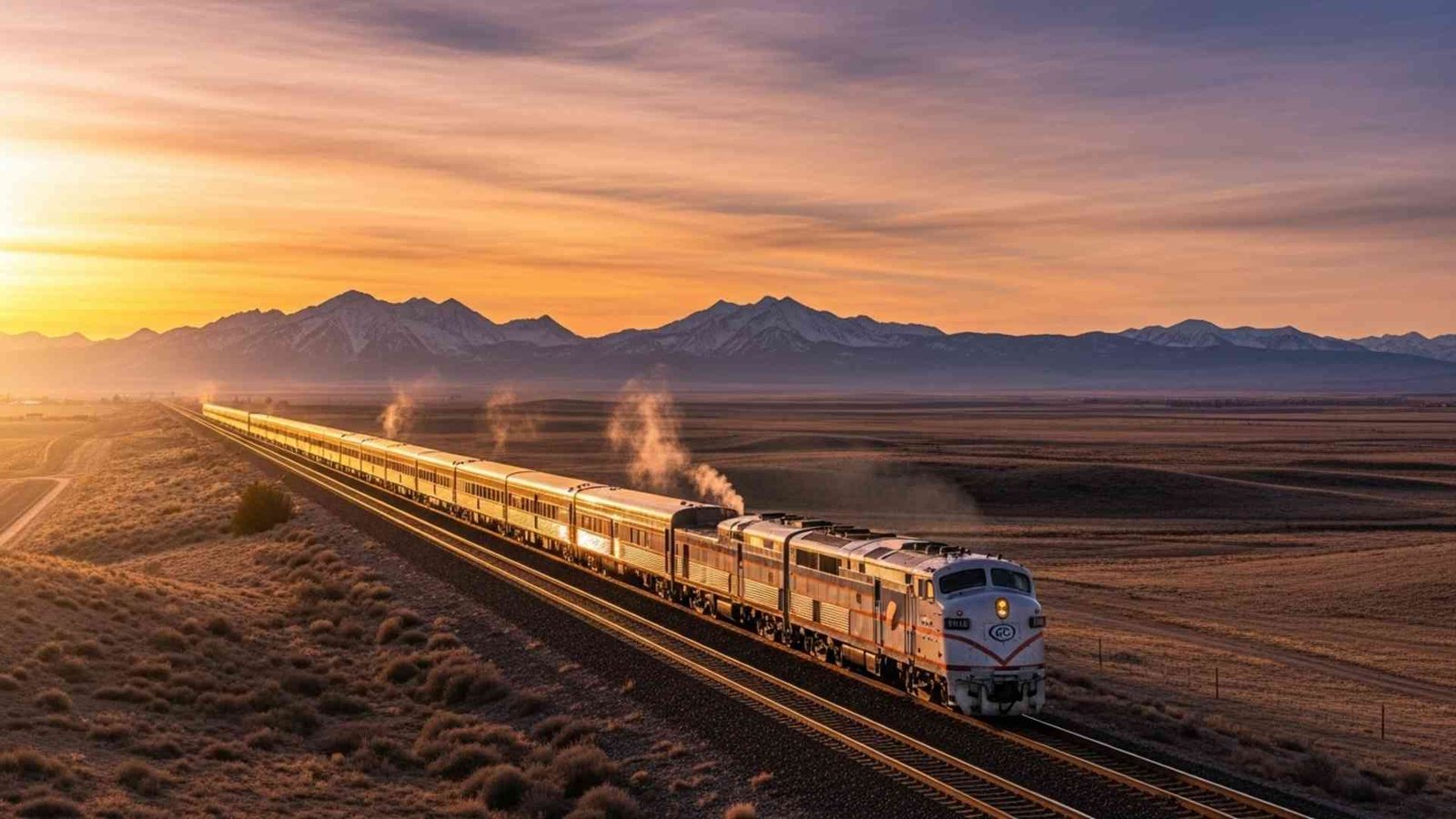
Steel wheels hum against endless rails, echoing through heartlands where stories unfold between horizons. The rhythm of the train pulls you beyond postcards and into the pulse of the real America—where every window frames a new revelation, every whistle signals adventure. In an age of rushing flights and fleeting moments, this slower journey invites rediscovery: of landscapes that shift like memory and connections that feel timeless.
Each stop whispers of hidden beauty and unexpected humanity waiting to be found. Ahead lies a voyage that doesn’t just cross a country—it crosses into something deeper. The tracks are calling.
1. Chicago, Illinois
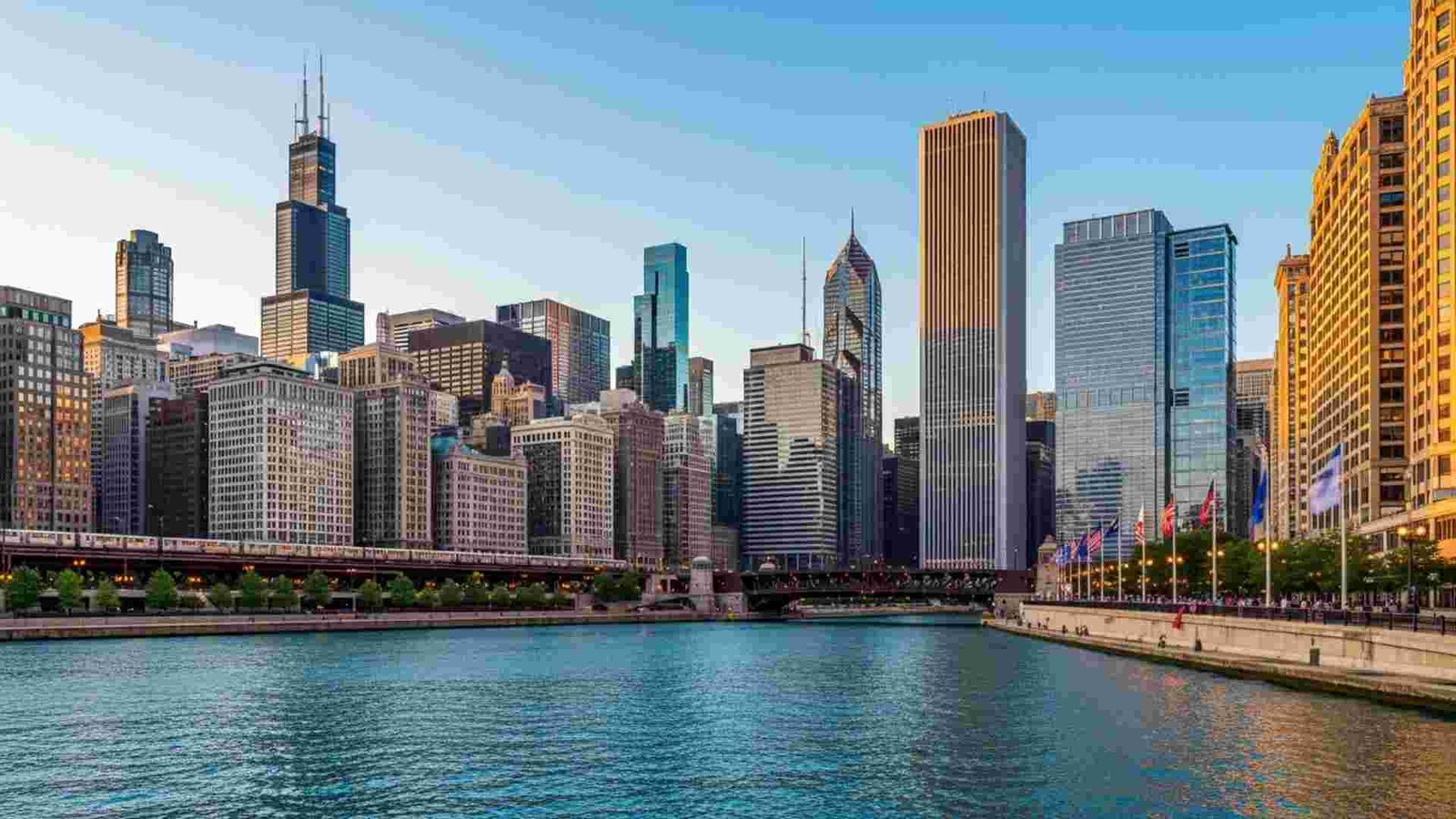
Arriving in Chicago is like stepping into a vibrant tapestry of art, culture, and history. The city’s iconic skyline is a sharp contrast against its rich historical layers. As the Windy City greets visitors, the shimmering glass towers—like the Willis Tower—are a nod to modern ambition, while the architectural wonders of the Chicago School, like the Wrigley Building, echo an older, but equally powerful narrative. Strolling down Michigan Avenue, you’ll feel the pulse of the city—diverse, energetic, and welcoming, with a blend of locals and travelers alike. From the Chicago Riverwalk to the majestic Millennium Park, this city is one of those places that feels alive, whether you’re admiring the cloud-gate sculpture, The Bean, or sipping a deep-dish pizza in a hidden gem restaurant.
A personal moment that always stands out? Catching a sunset at the Navy Pier. The sun dips just beyond Lake Michigan, casting hues of gold and purple across the sky, making it impossible to not feel a sense of awe. Chicago doesn’t just showcase art; it lives and breathes it. The museums here are some of the best in the world, with the Art Institute standing as a pinnacle of creative excellence. You’re not just visiting a city; you’re becoming part of its ongoing story.
Key Practical Information:
- Peak Season: Late spring to early fall (June-August), when the weather is warm, perfect for walking along the lakefront or exploring outdoor festivals.
- Off-Peak Season: Winter (December-February) can be harsh but offers fewer tourists and lower prices for hotels.
- Getting Around: The “L” (Chicago’s elevated train system) is the most efficient way to explore. Rent bikes to bike along the lake or use public transport for ease.
- Ideal Duration: 3-4 days; visit iconic spots like the Willis Tower, Millennium Park, and the Chicago Museum Campus.
- Must-try Local Experience: Deep-dish pizza and Chicago-style hot dogs at a local dive bar.
- Budget Tips: Chicago can be pricey, but many museums offer free days, and exploring neighborhoods like Pilsen or Logan Square offers a more budget-friendly vibe.
- Photography Opportunities: The skyline from the Adler Planetarium, The Bean at Millennium Park, and the Chicago Riverwalk’s view at sunset are unforgettable.
- Cultural Etiquette: Chicagoans are friendly and down-to-earth, but they appreciate polite greetings. Be prepared for a bustling environment with a fast pace.
2. Denver, Colorado
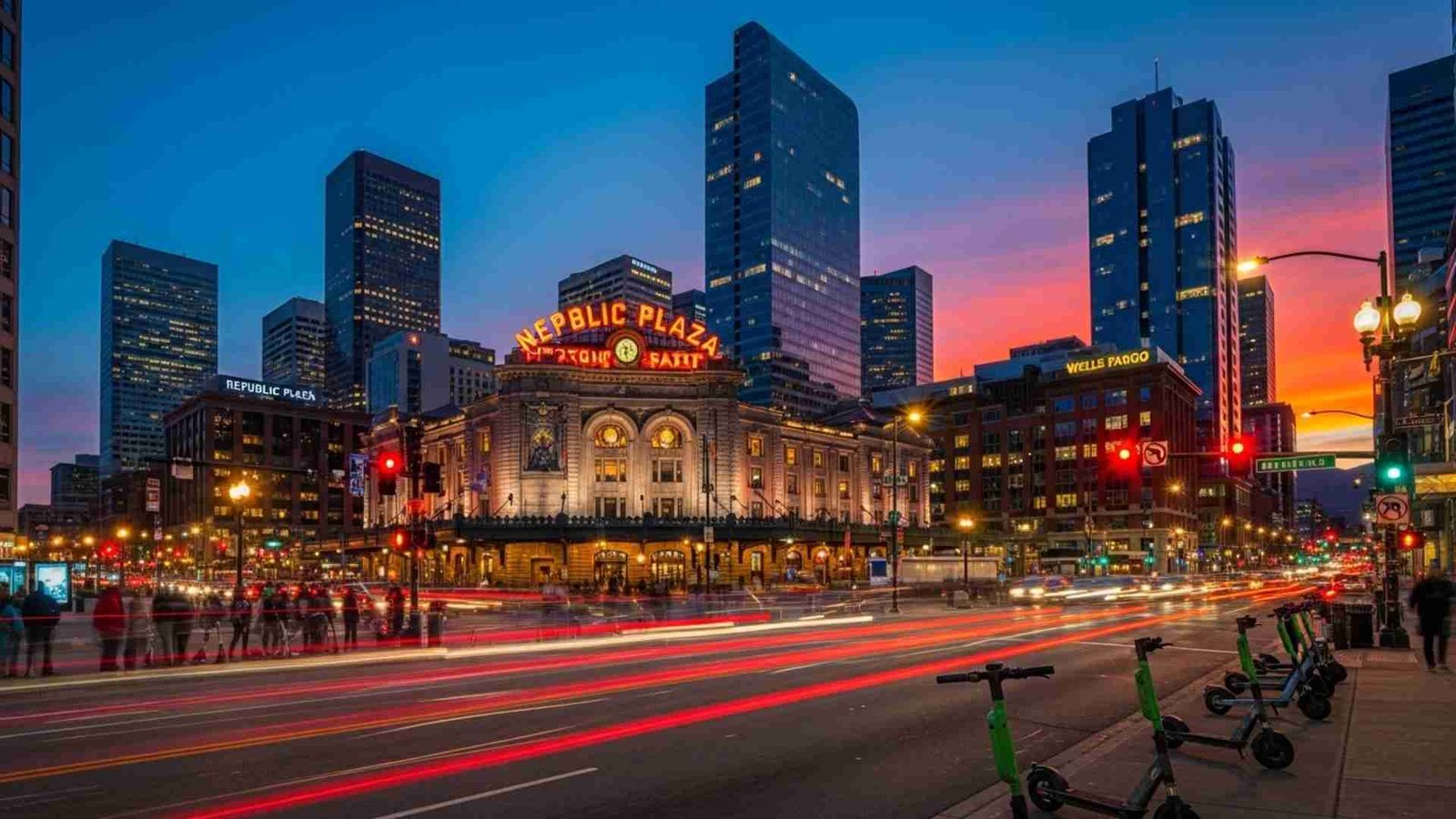
Nestled at the foot of the Rocky Mountains, Denver is the gateway to the great outdoors, yet it has a heartbeat of its own, a mix of urban cool and rugged adventure. The city is a patchwork of art galleries, craft breweries, and historic districts, all anchored by the soaring Rockies that can be seen in the distance, reminding you that adventure is never far away. Denver’s streets are lined with vibrant murals, and as you explore, you’ll find yourself caught between the sleek urban energy of LoDo (Lower Downtown) and the serenity of nearby parks like Washington Park and City Park. The crisp mountain air adds an electric feeling to every visit.
One of the city’s most memorable aspects is its warmth—it’s not just the altitude; it’s the people, too. Whether you’re chatting with a local barista about the latest indie music scene or hiking one of the nearby trails, there’s a sense that everyone is connected to this beautiful landscape. The Colorado Rockies seem to call to you, promising adventure whether you’re a seasoned mountaineer or simply a nature lover looking for a weekend escape.
Key Practical Information:
- Peak Season: Summer months (June-August) when hiking, festivals, and outdoor activities are at their best.
- Off-Peak Season: Winter (December-February) offers skiing and fewer tourists, but weather can be harsh.
- Getting Around: Renting a car is ideal if you plan to explore the nearby mountains. Public transport is decent within the city, but biking or walking through downtown is a great way to see the local flavor.
- Ideal Duration: 2-3 days to explore the city, and an additional day for a day trip to Rocky Mountain National Park.
- Must-try Local Experience: Visit one of Denver’s craft breweries for a pint of locally brewed IPA or enjoy a meal at Union Station’s restaurants.
- Budget Tips: Denver is known for affordable public transit and free parks, but dining in trendy neighborhoods can add up. Street food is an affordable yet delicious option.
- Photography Opportunities: Capture the Rockies from City Park or downtown’s skyscrapers at sunset. Don’t miss the vibrant murals throughout the RiNo district.
- Cultural Etiquette: Locals are outdoorsy and environmentally conscious. Respect for nature and the environment is essential, especially in the surrounding parks.
3. San Francisco (Bay Area), California
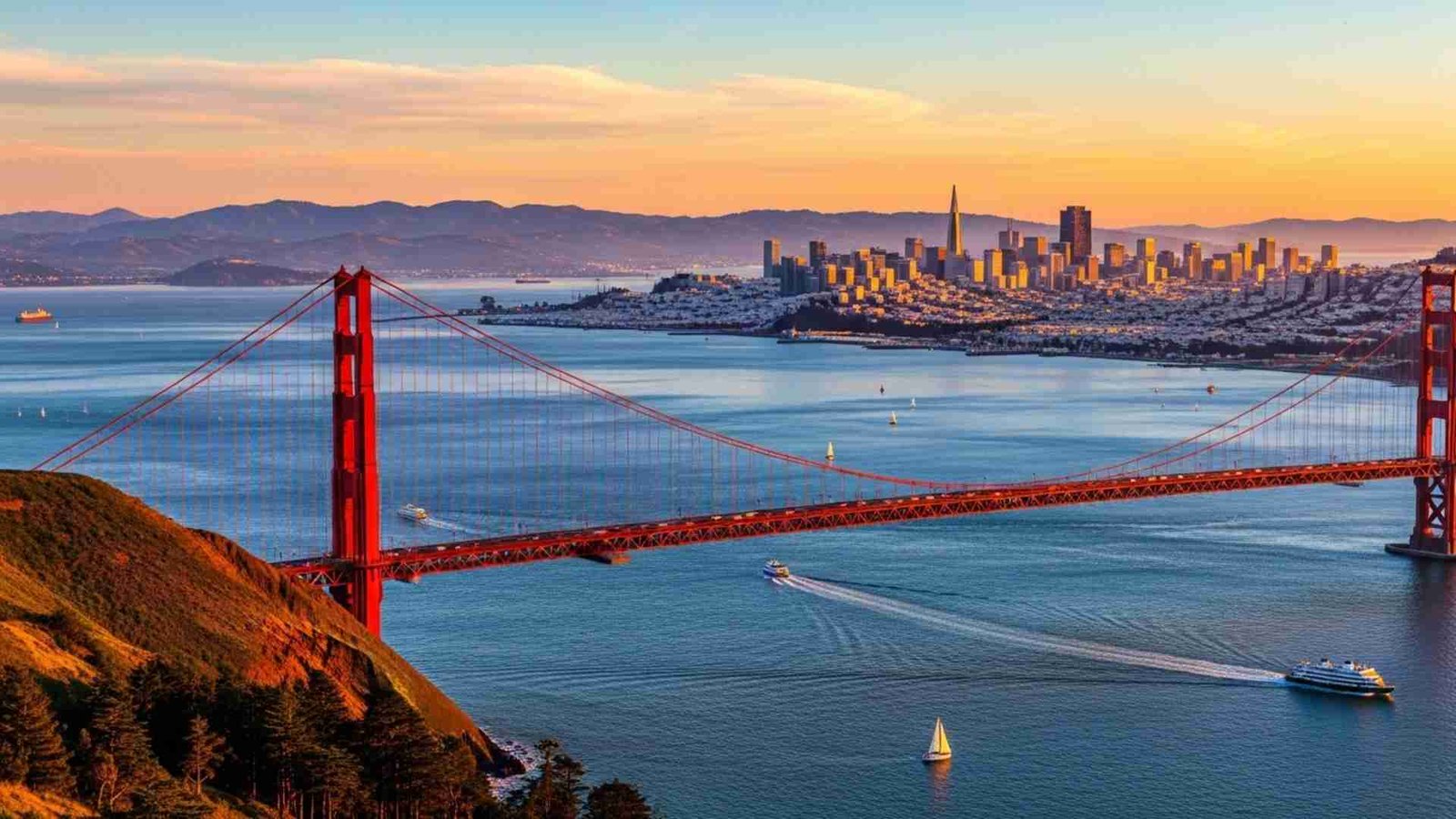
San Francisco is as iconic as they come—where the mist of the Pacific Ocean rolls over the Golden Gate Bridge and the city’s hills form an ever-changing landscape of eclectic neighborhoods and views that steal your breath away. Each corner of this city tells a different story, from the bohemian vibes of Haight-Ashbury to the sleek, tech-forward mood of Silicon Valley just down the road. And yet, despite its modern-day hustle and tech-driven economy, San Francisco is steeped in history, from the remnants of the Gold Rush era to the counterculture of the 1960s.
A true personal highlight is riding the iconic cable cars. As you clink and clang up and down the steep hills, you’re afforded views of both the water and the sprawling city beneath you. From the lively energy of Fisherman’s Wharf to the tranquil beauty of Golden Gate Park, every inch of San Francisco is filled with contrasts, yet there’s a seamless flow to the way it all comes together. The true magic of San Francisco lies in its ability to balance its past with the present, its creativity with its practicality, and its beauty with its energy.
Key Practical Information:
- Peak Season: Summer (June-August) for pleasant temperatures and clear views.
- Off-Peak Season: Fall (September-November) offers fewer crowds and crisp, beautiful weather.
- Getting Around: Use the Muni system or hop on a cable car for a quintessential San Francisco experience. Walking is a must as the city is best explored on foot.
- Ideal Duration: 3-4 days to see the major landmarks and neighborhoods.
- Must-try Local Experience: Ride the ferry to Alcatraz Island or spend time at Pier 39, sampling fresh seafood.
- Budget Tips: San Francisco is known for being pricey. Explore Chinatown or Golden Gate Park for free attractions and affordable meals.
- Photography Opportunities: Capture the Golden Gate Bridge at sunrise or sunset for stunning contrasts, and visit the colorful Painted Ladies across from Alamo Square.
- Cultural Etiquette: San Francisco is diverse, and residents take pride in inclusivity and open-mindedness. Be respectful of all communities.
4. Seattle, Washington
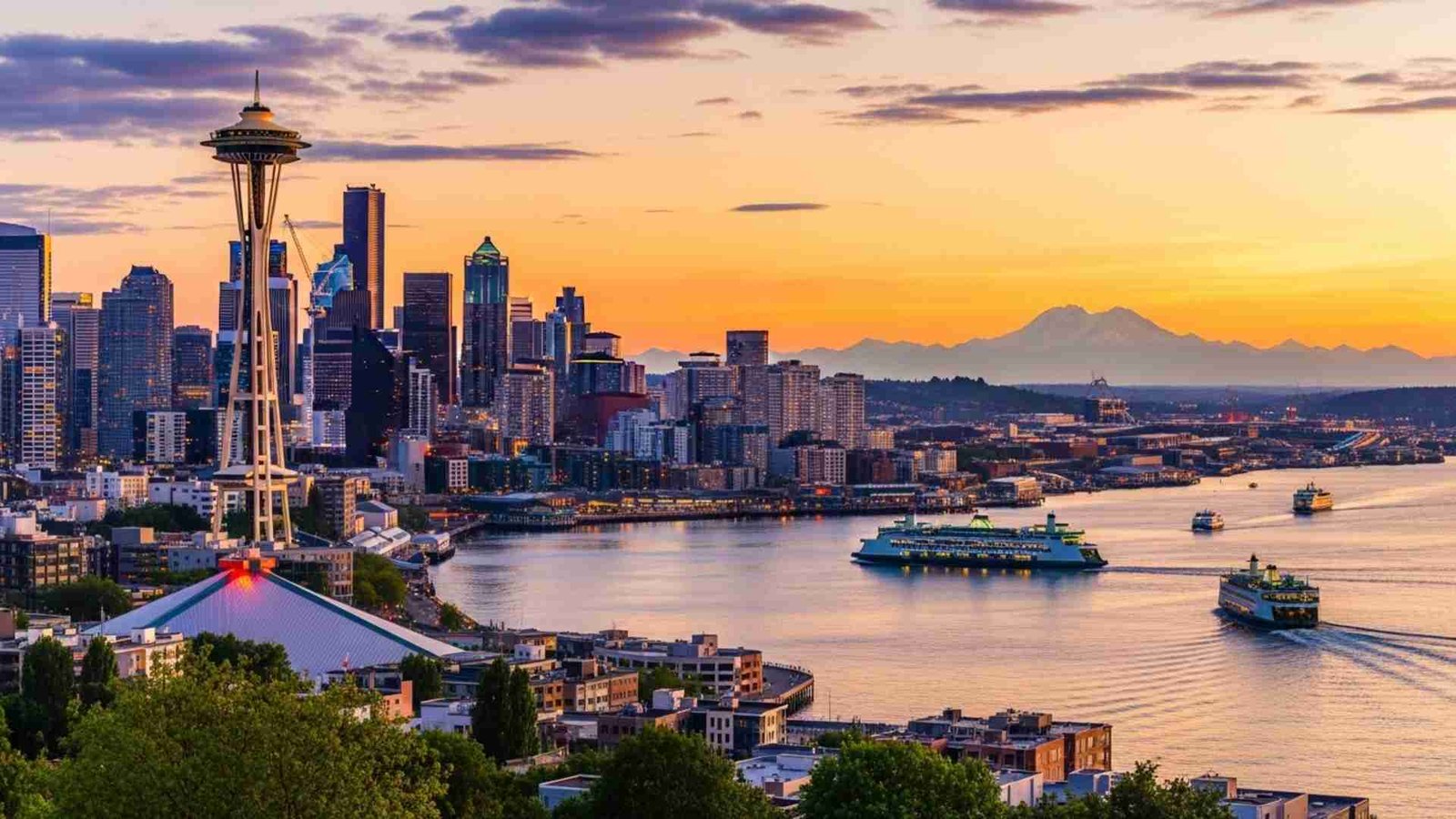
Seattle, surrounded by water, mountains, and evergreen forests, is a city that feels more connected to nature than most. The skyline is immediately recognizable by the Space Needle, but it’s the setting that really steals the show—the Puget Sound, cradled between misty mountains and lush forests, creates a backdrop of tranquility that balances the city’s bustling, tech-driven energy. From the vibrant Pike Place Market, where fishmongers toss fresh catches, to the serenity of the Olympic Sculpture Park, Seattle offers something for everyone.
The city has a laid-back charm that’s uniquely Pacific Northwest. Whether it’s sitting in a local coffee shop, sipping one of the country’s best brews (a nod to Starbucks’ origins), or walking along the waterfront, Seattle invites you to slow down. The combination of outdoor activities, a thriving arts scene, and world-class dining make it a perfect place to unwind and explore.
Key Practical Information:
- Peak Season: Summer months (June-August) offer pleasant temperatures and perfect weather for outdoor activities.
- Off-Peak Season: Winter (December-February) is rainy but offers fewer tourists.
- Getting Around: The city’s bus system is reliable, and many people walk or bike. Rent a car if you’re planning to explore nearby destinations like Mount Rainier.
- Ideal Duration: 3 days to explore the main attractions, with an extra day for hiking or exploring nearby natural parks.
- Must-try Local Experience: Try fresh seafood at Pike Place Market and sample local coffee.
- Budget Tips: Seattle is known for being expensive, but public transport is affordable, and many attractions like parks and markets are free.
- Photography Opportunities: The Space Needle at sunset or looking out over Puget Sound from Kerry Park are iconic shots.
- Cultural Etiquette: Seattleites value environmental consciousness. Be sure to recycle and respect the city’s commitment to sustainability.
5. Salt Lake City, Utah
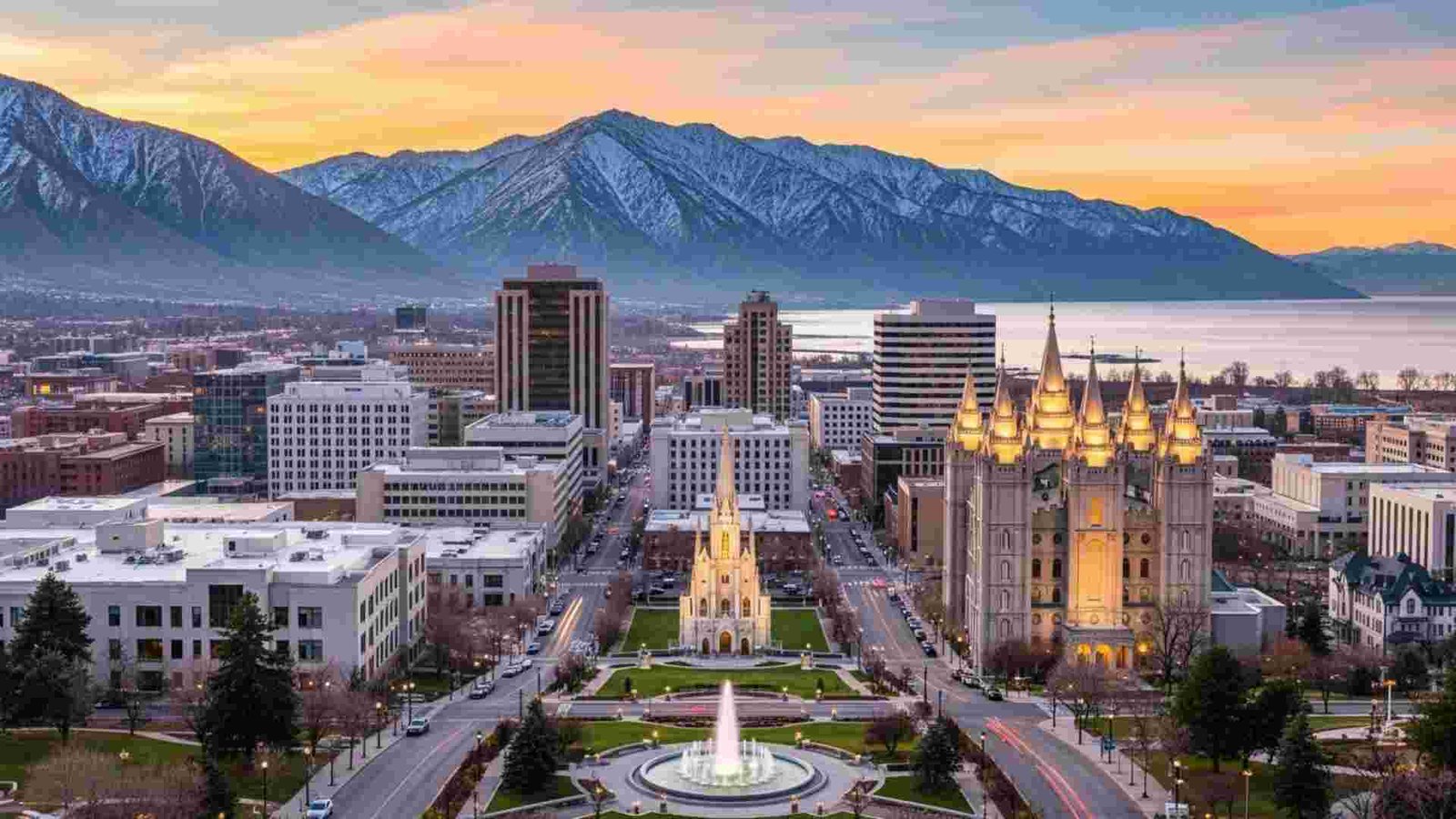
Salt Lake City, nestled between the Wasatch and Oquirrh Mountains, feels almost unreal in its beauty. The air is crisp and dry, and the city’s layout—wide streets with stunning views—invites exploration. Its reputation as a Mormon stronghold adds a layer of cultural significance that’s visible everywhere, from the historic Temple Square to the surrounding architecture. Despite its religious ties, Salt Lake City is progressive and welcoming, with an artistic streak that’s as evident in its burgeoning art scene as it is in the local food scene.
A memorable experience in Salt Lake City is visiting the Great Salt Lake, which feels more like a landscape from another planet. The sun rises and sets over the expansive horizon, casting hues of pink and orange across the saline waters. Whether you’re hiking through the nearby canyons or touring the Utah Museum of Fine Arts, Salt Lake City offers the perfect balance of natural beauty and city comforts.
Key Practical Information:
- Peak Season: Summer (June-August) for outdoor festivals and hiking.
- Off-Peak Season: Winter (December-February), known for skiing but can be cold and snowy.
- Getting Around: Renting a car is recommended, though public transport is also available.
- Ideal Duration: 2-3 days for a city tour with a day trip to the Great Salt Lake or nearby canyons.
- Must-try Local Experience: Explore Temple Square and enjoy a Mormon choir performance, or hike to the top of Mount Timpanogos for a scenic view.
- Budget Tips: Salt Lake City is generally affordable, with many free outdoor activities and budget-friendly restaurants.
- Photography Opportunities: Capture sunset at the Great Salt Lake or cityscape shots with the mountains as a backdrop.
- Cultural Etiquette: Respect for the local Mormon community is important. Be aware of religious sensitivities, especially when visiting sacred sites.
6. Omaha, Nebraska
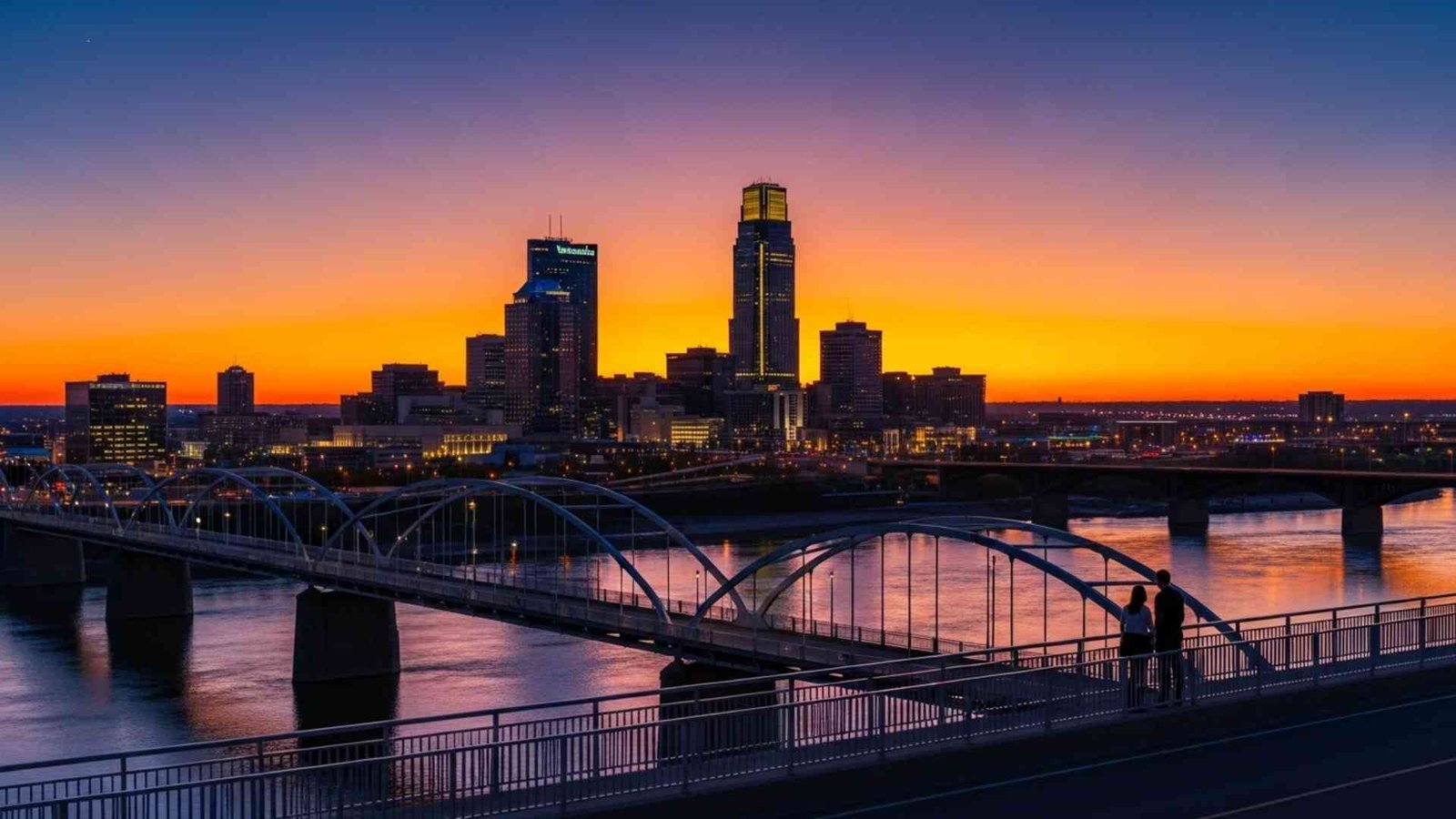
Omaha isn’t the first place you might think of when considering a cross-country train adventure, but that’s exactly what makes it intriguing. The city exudes a laid-back charm, like a hidden gem you stumble upon by accident. When you think of Omaha, think of an unassuming city with a rich tapestry of art, history, and culture woven into its every corner. Venture into the Old Market District, where cobblestone streets meet quirky boutiques and world-class restaurants, and where the warmth of the people matches the welcoming vibe of this under-the-radar city.
The most unexpected highlight in Omaha? The Henry Doorly Zoo and Aquarium. It’s a place where you can find the world’s largest indoor desert, a rainforest under a glass dome, and, of course, a wide array of wildlife. It’s not a simple zoo, but rather an immersive experience that transports you to different ecosystems. For a more personal touch, visiting the Omaha Community Playhouse—one of the largest community theaters in the country—gives you a taste of the local performing arts scene.
Key Practical Information:
- Best Time to Visit: Spring (April-May) offers pleasant temperatures perfect for walking through the Old Market, while fall brings color to the parks.
- Travel Tip: Omaha’s layout is easy to navigate by bike, and the city is very walkable. Rental cars are more necessary if you want to explore beyond the city.
- Ideal Duration: A 1-2 day stopover is ideal for soaking in the local charm and enjoying a few attractions.
- Local Flavors: Don’t miss out on Omaha’s classic steakhouse experience at a local favorite like Gorat’s, where you’ll enjoy a tender, delicious steak in a historic setting.
- Budget-Friendly Tips: Omaha’s low cost of living translates into affordable accommodations, and the Old Market area offers plenty of budget-friendly eateries.
- Photography Opportunities: The zoo’s Desert Dome at sunset, the old-world charm of the Old Market District, or the quiet beauty of the Bob Kerrey Pedestrian Bridge across the Missouri River.
- Cultural Tip: Nebraska has a proud agricultural heritage. Respect for the farming community and local businesses is appreciated.
7. Glenwood Springs, Colorado
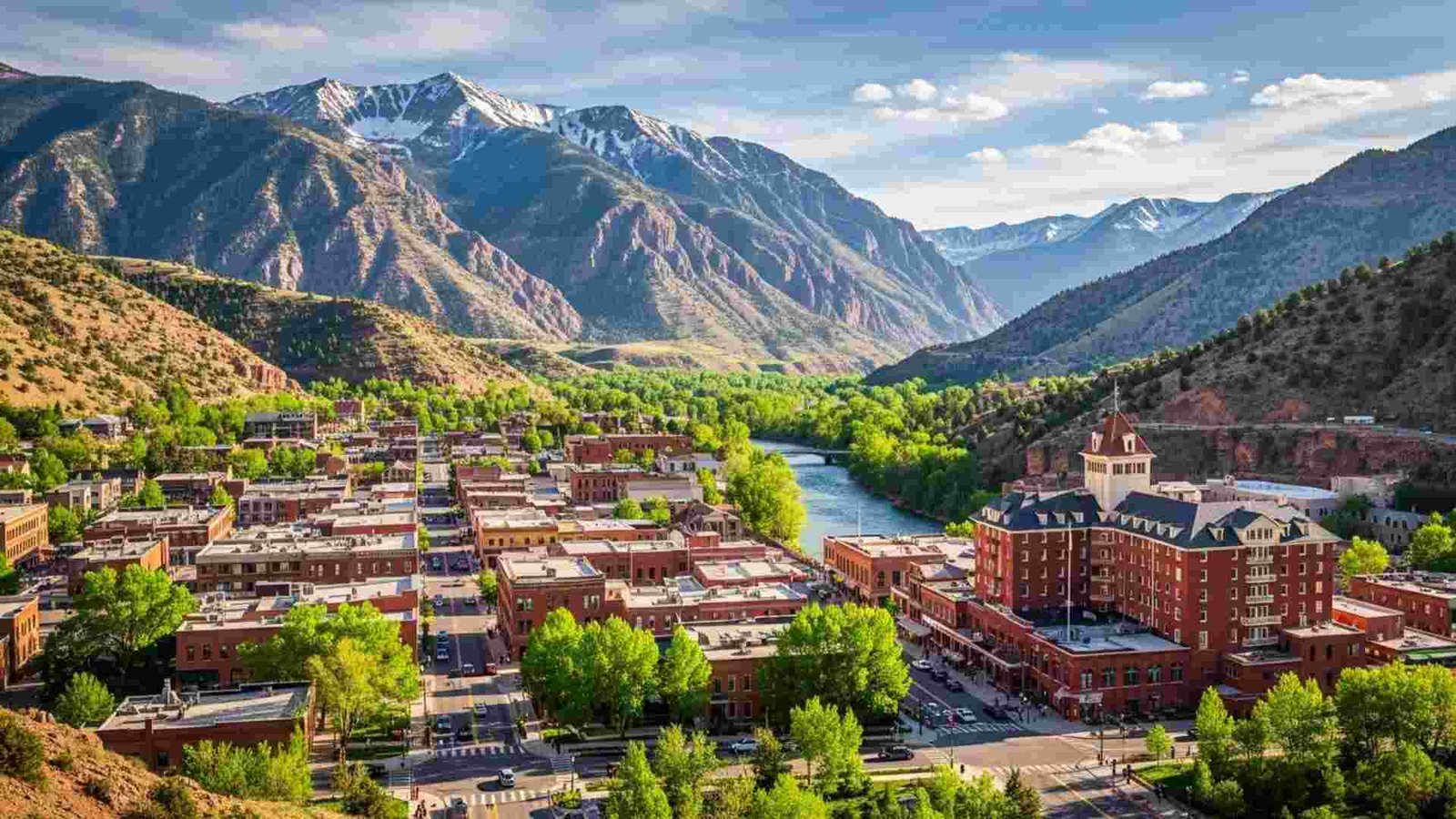
Nestled in the heart of the Rockies, Glenwood Springs might just be the most relaxing stop on this cross-country journey. The town is best known for its natural hot springs, but it’s also a base for those seeking a mix of outdoor adventure and rejuvenation. Imagine soaking in warm, mineral-rich waters while looking out at the snow-capped peaks or taking a rafting trip down the Colorado River, surrounded by the rugged beauty of the landscape. It’s a perfect place for those wanting to unwind, recharge, and get a taste of the Colorado wilderness without straying too far from town.
For a little more adventure, head up to Glenwood Canyon on the Glenwood Springs Tramway. The cable car ride to the top offers breathtaking views of the canyon and the surrounding mountains. Once at the top, you can enjoy a range of hiking trails, or simply savor the panoramic vistas. This stunning spot is ideal for a picnic or to just sit back and breathe in the fresh mountain air, taking in the beauty of this tranquil slice of the Rockies.
Key Practical Information:
- Best Time to Visit: Summer (June-August) offers ideal weather for outdoor activities like rafting and hiking. However, fall (September-November) brings fewer crowds and cooler temps for hot springs soaking.
- Getting Around: Glenwood Springs is small and walkable, but renting a car is helpful if you plan to explore the surrounding mountains and natural parks.
- Ideal Duration: 2 days. One day to relax and visit the hot springs, and the second for exploring the outdoor trails and rafting.
- Local Flavors: Stop by a local brewery for a craft beer and enjoy a meal at one of the small, intimate restaurants offering local fare.
- Budget Tips: Staying at a smaller hotel or local Airbnb can be much more affordable than the larger resorts in the area.
- Photography Opportunities: The view of the Colorado River winding through Glenwood Canyon from the tram, or the hot springs area lit up at night with steam rising into the cool air.
- Cultural Tip: Glenwood Springs attracts a variety of visitors, from nature enthusiasts to families, so be mindful of maintaining a relaxed pace.
8. Reno, Nevada
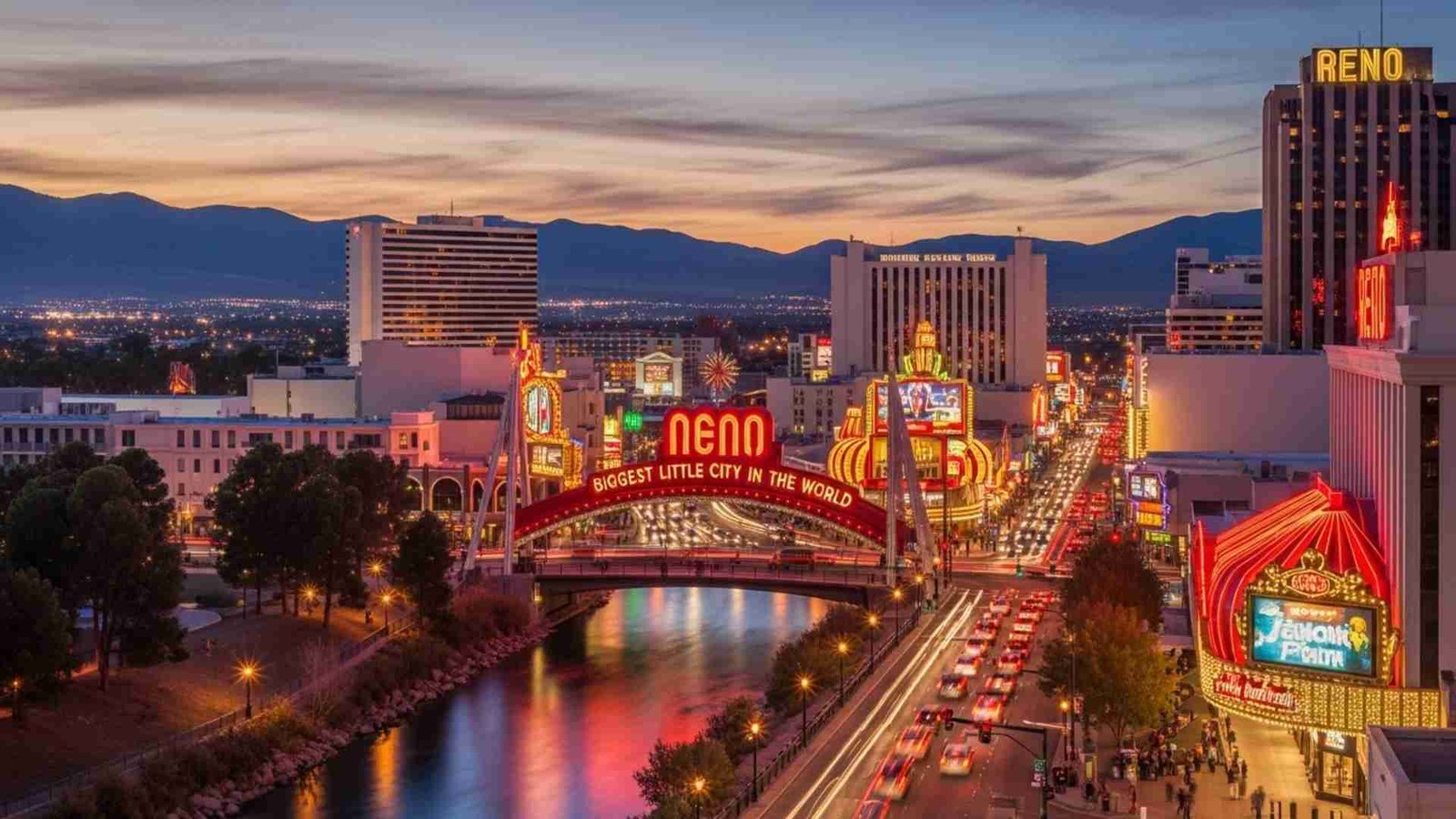
Often overlooked in favor of its flashier neighbor, Las Vegas, Reno offers a quieter and more laid-back alternative for those craving adventure without the crowds. Known as “The Biggest Little City in the World,” Reno has a quirky, offbeat charm that draws you in. Beyond the casinos and neon lights, Reno offers a rich cultural scene, with art galleries and street murals giving the city an urban vibrancy. The Truckee River flows through downtown, providing a serene setting for a walk or kayak trip—far removed from the hustle and bustle of the Vegas Strip.
A visit to the Nevada Museum of Art gives you a taste of Reno’s creative side. The museum is a true local treasure, with exhibits that highlight the culture and history of the surrounding areas, as well as contemporary art installations that are always a bit unconventional. Afterward, take a stroll along the Riverwalk District, where you can enjoy unique shops, cafes, and the ever-present backdrop of the Sierra Nevada mountains.
Key Practical Information:
- Best Time to Visit: Spring (April-May) for mild temperatures and beautiful outdoor festivals, or fall (September-November) for cooler weather and fewer tourists.
- Getting Around: Reno’s compact city center is walkable, and public transport is available, but renting a car is helpful for exploring nearby outdoor attractions like Lake Tahoe.
- Ideal Duration: 1-2 days to explore the local art scene, the downtown area, and take in the city’s atmosphere.
- Local Flavors: Reno is known for its innovative food scene, with a range of eateries serving up everything from gourmet meals to local comfort foods. Don’t miss trying the famous Basque food, a local favorite.
- Budget Tips: Reno is much more affordable than Las Vegas. Many restaurants and hotels offer deals, especially mid-week.
- Photography Opportunities: The bright neon lights of downtown Reno, the tranquil flow of the Truckee River, and the sweeping views of the Sierra Nevada mountains.
- Cultural Tip: Reno’s laid-back vibe encourages a relaxed approach, but locals appreciate travelers who engage with the arts and outdoor culture.
9. New Orleans, Louisiana

New Orleans is a city that dances to its own rhythm, and that rhythm is infectious. It’s not just a destination—it’s an experience. The streets are alive with jazz, the air thick with the aroma of Cajun and Creole cuisine, and the energy is a mix of old-world charm and modern-day revelry. From the vibrant French Quarter to the ghostly stories told in the Garden District, every street, alley, and café tells its own tale. Here, culture isn’t just celebrated; it’s lived, breathed, and felt deep in the bones of every local and visitor alike.
For an alternative New Orleans experience, take a swamp tour just outside the city to explore the wild bayous of Louisiana. It’s a completely different side of the city—peaceful, haunting, and utterly mesmerizing. Gliding through the murky waters, you’ll see ancient cypress trees draped in moss, and you might even encounter alligators in their natural habitat. This tranquil experience contrasts sharply with the vibrant energy of Bourbon Street but adds a deeper layer to your New Orleans adventure.
Key Practical Information:
- Best Time to Visit: Spring (February-April) during Mardi Gras is the peak, but late fall (October-November) offers pleasant weather and fewer crowds.
- Getting Around: New Orleans is highly walkable, but taking a streetcar ride is a classic way to see the city. Taxis and ride-shares are also available.
- Ideal Duration: 2-3 days to take in the French Quarter, the music scene, and the local food culture.
- Local Flavors: Savor beignets at Café du Monde, gumbo at a local restaurant, or fresh crawfish during a seasonal festival.
- Budget Tips: New Orleans can be expensive around Mardi Gras, but off-peak visits offer more affordable options for dining and accommodation.
- Photography Opportunities: The colorful facades of the French Quarter, the lively street performers, and the eerie beauty of the bayou at dusk.
- Cultural Tip: The city thrives on music, food, and celebration. Engage with locals through the festivals and live music, but also respect the city’s history and unique customs.
10. Washington, D.C.
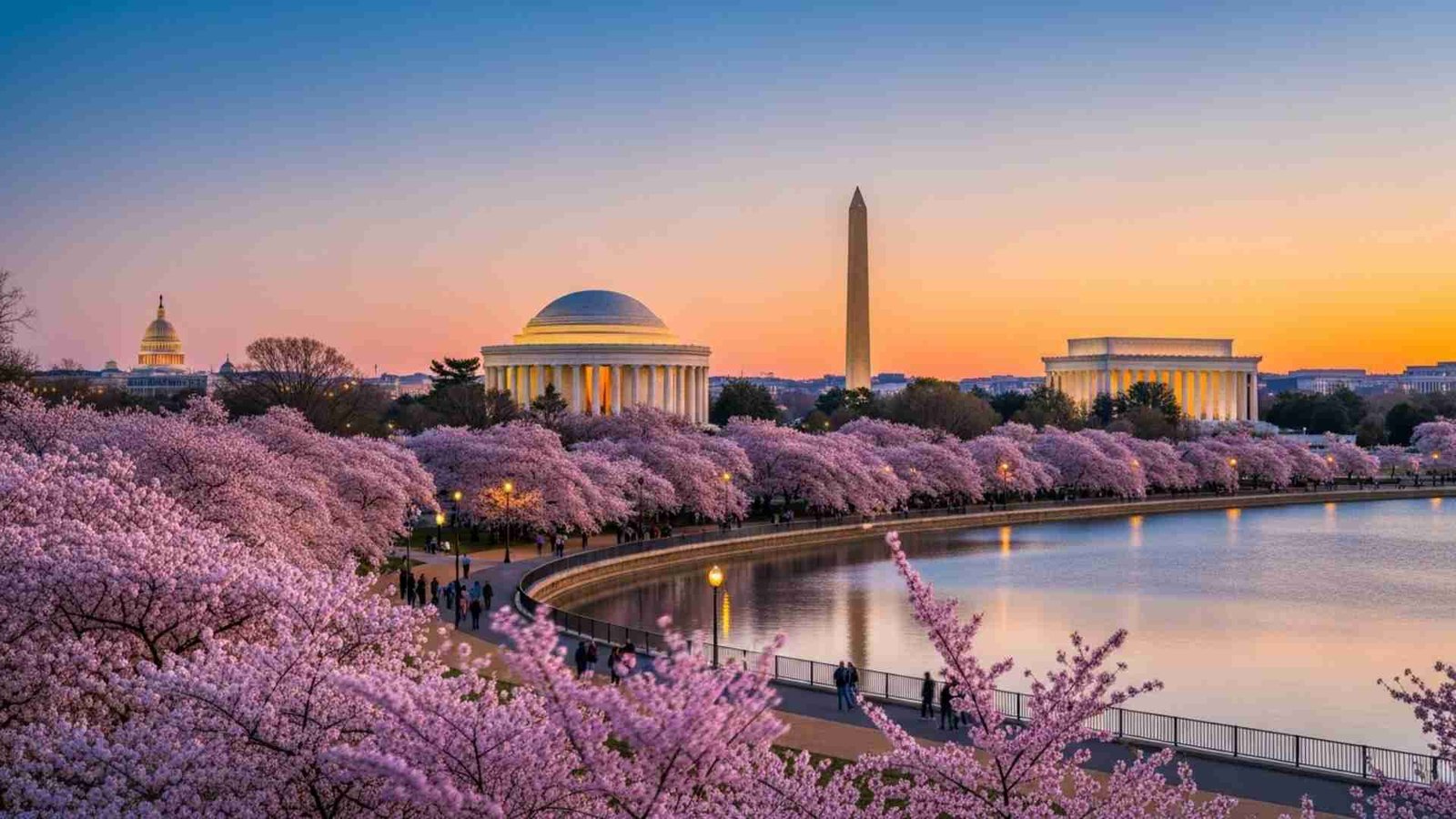
Washington, D.C. is a city that needs little introduction, but its layers go much deeper than political power. It’s a city where history is palpable in every street, monument, and museum. While many tourists flock to the National Mall, there’s something quietly enchanting about wandering the residential streets of neighborhoods like Georgetown or Capitol Hill. The elegant, tree-lined avenues and colonial architecture are a far cry from the political drama on the Hill. In D.C., you can sense that the city isn’t just a political hub—it’s the beating heart of American history.
For a deeper perspective, venture to the U.S. National Arboretum. It’s a peaceful escape from the typical tourist spots, offering lush gardens and impressive bonsai collections. Afterward, enjoy a bike ride along the C&O Canal or the Anacostia Riverwalk Trail for a blend of nature and history that’s less frequented by the usual crowds.
Key Practical Information:
- Best Time to Visit: Spring (March-May), especially during the cherry blossom season, when the city transforms into a pastel wonderland.
- Getting Around: Washington, D.C. has an excellent metro system and bike-share options, making it easy to get around the city and nearby attractions.
- Ideal Duration: 3-4 days to explore the National Mall, museums, and discover off-the-beaten-path neighborhoods.
- Local Flavors: Don’t leave without trying a half-smoke sausage at Ben’s Chili Bowl, or crab cakes if you’re visiting from out of state.
- Budget Tips: Many museums, including those on the National Mall, are free to visit, making D.C. a surprisingly affordable destination.
- Photography Opportunities: The Lincoln Memorial at sunrise, the National Gallery of Art sculptures, or the cherry blossoms along the Tidal Basin.
- Cultural Tip: Washingtonians are proud of their city and its historical significance. Be respectful of monuments, and take time to understand the deeper meanings behind the sites.
11. Atlanta, Georgia
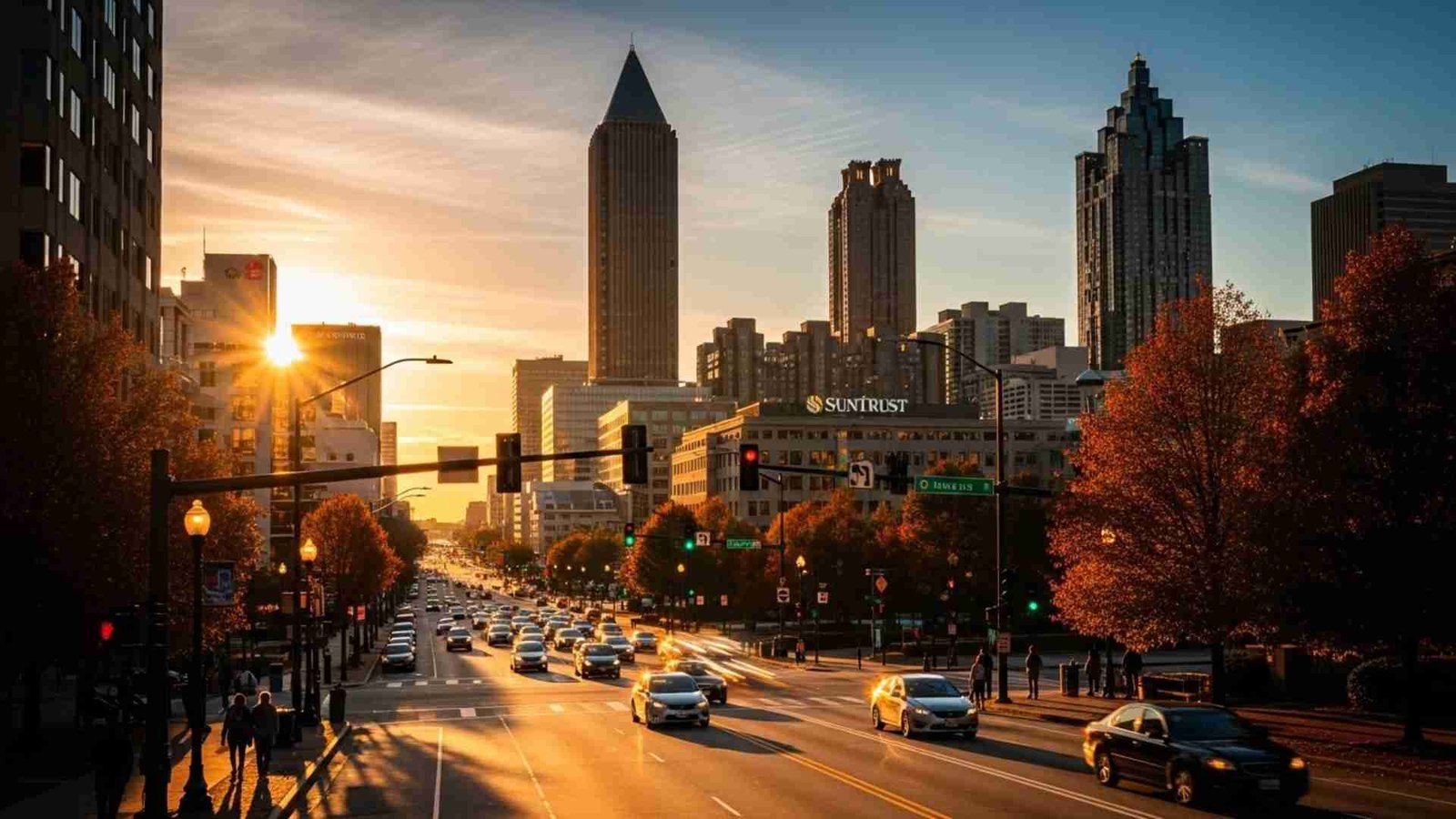
Atlanta may be known for its rich Civil Rights history and Southern hospitality, but a hidden treasure lies within its sprawling network of parks and gardens. The Atlanta Botanical Garden, tucked behind the Georgia Tech campus, offers a peaceful escape with its stunning plant collections and whimsical tree canopy walk. It’s the perfect antidote to the hustle and bustle of downtown. Meanwhile, just outside the city, the Chattahoochee River National Recreation Area offers a quiet, natural retreat, where locals and visitors alike can kayak, hike, or just take in the beauty of the river.
Skip the traditional tourist traps and take time to explore Atlanta’s neighborhoods, particularly the vibrant and artsy neighborhoods of Little Five Points and Inman Park. These areas are full of quirky shops, local breweries, and vintage record stores that truly showcase Atlanta’s eclectic spirit.
Key Practical Information:
- Best Time to Visit: Fall (September-November) for mild temperatures and beautiful fall foliage in Piedmont Park.
- Getting Around: Rent a bike and explore Atlanta’s BeltLine—a multi-use trail that connects diverse neighborhoods.
- Ideal Duration: 2-3 days to experience both the urban and natural sides of the city.
- Must-try Local Experience: Visit the Martin Luther King Jr. National Historical Park, or grab a bite at a classic Southern eatery like Mary Mac’s Tea Room.
- Budget Tips: Atlanta’s public transit (MARTA) is an affordable way to get around, and many museums offer free entry on select days.
- Photography Opportunities: The contrast between the modern skyline and green spaces, or the vibrant street art in neighborhoods like Old Fourth Ward.
- Cultural Tip: The Southern hospitality here is genuine—be prepared for warm greetings and lively conversations with locals.
12. Philadelphia, Pennsylvania
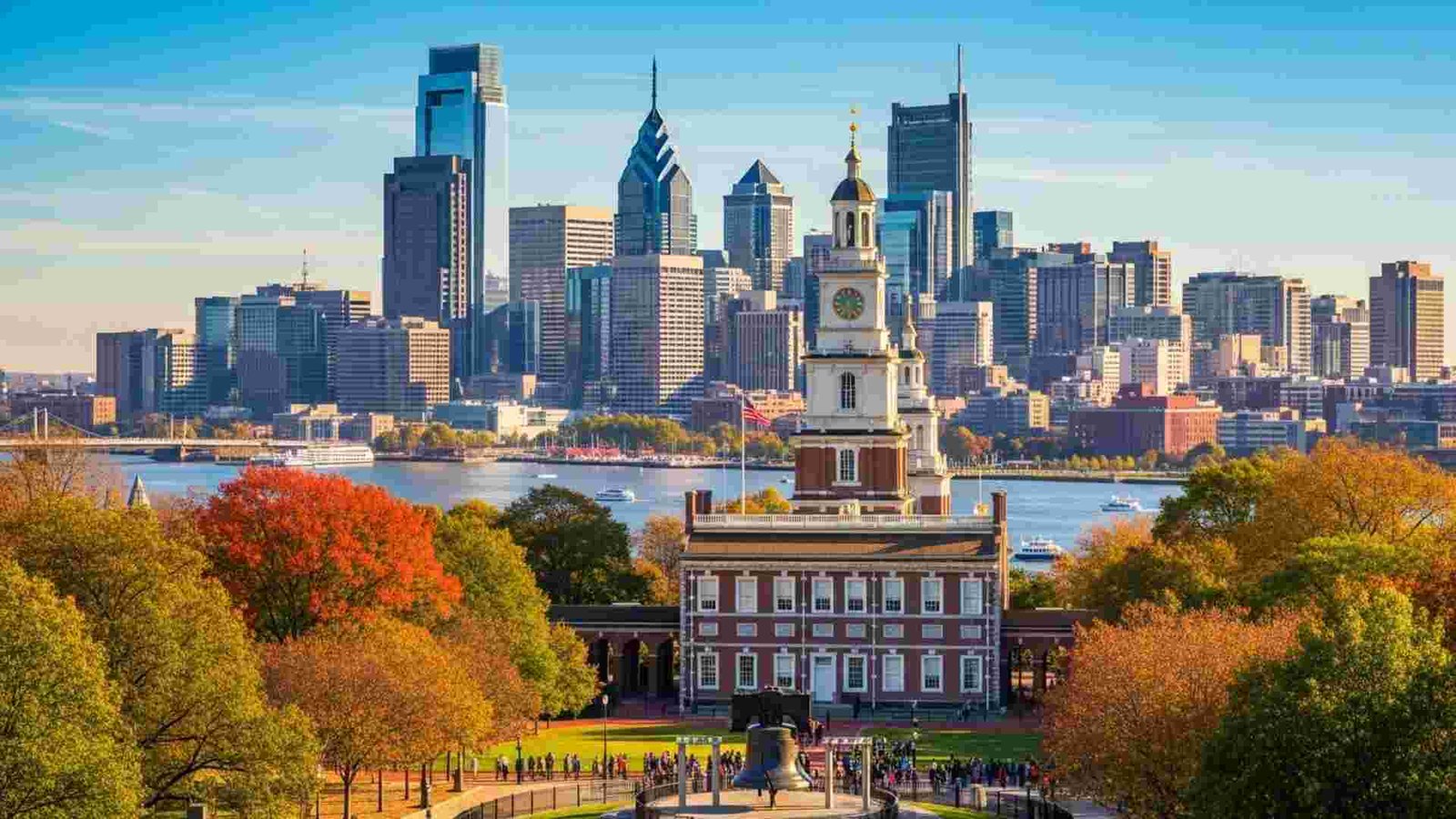
Philadelphia might be synonymous with the Liberty Bell and Independence Hall, but don’t miss out on the lesser-known treasures in the city, like the Magic Gardens, a psychedelic mosaic wonderland created by artist Isaiah Zagar. Tucked away in South Street, this one-of-a-kind public art space is a labyrinth of mosaics that covers both indoor and outdoor spaces. It’s one of those hidden gems that’s well worth the detour from the usual tourist route.
To experience the soul of Philly, skip the big-name eateries and head to Reading Terminal Market, one of the nation’s oldest and most beloved public markets. Here, you can sample the famous Philly cheesesteak (Pro Tip: Geno’s vs. Pat’s—try both and decide for yourself) or grab a fresh Amish pretzel.
Key Practical Information:
- Best Time to Visit: Spring (April-May) when the city’s historic parks are in full bloom and outdoor activities thrive.
- Getting Around: Walk or rent a bike to explore the historic streets of Old City, then hop on the SEPTA system to venture farther out.
- Ideal Duration: 2 days is perfect to experience the highlights of the historical district and sample Philly’s food scene.
- Must-try Local Experience: Make sure to grab a Philly cheesesteak at one of the many local stands—Pat’s or Geno’s are the famous options.
- Budget Tips: Many historical sites, like Independence Hall and the Liberty Bell, are free to visit. Public transport is also affordable.
- Photography Opportunities: The mosaic at the Magic Gardens, or the iconic Liberty Bell with its crisp, dramatic lighting.
- Cultural Tip: Locals take their cheesesteaks seriously. Don’t be surprised if you’re asked whether you want your sandwich “wit or witout” (onions).
13. Albuquerque, New Mexico
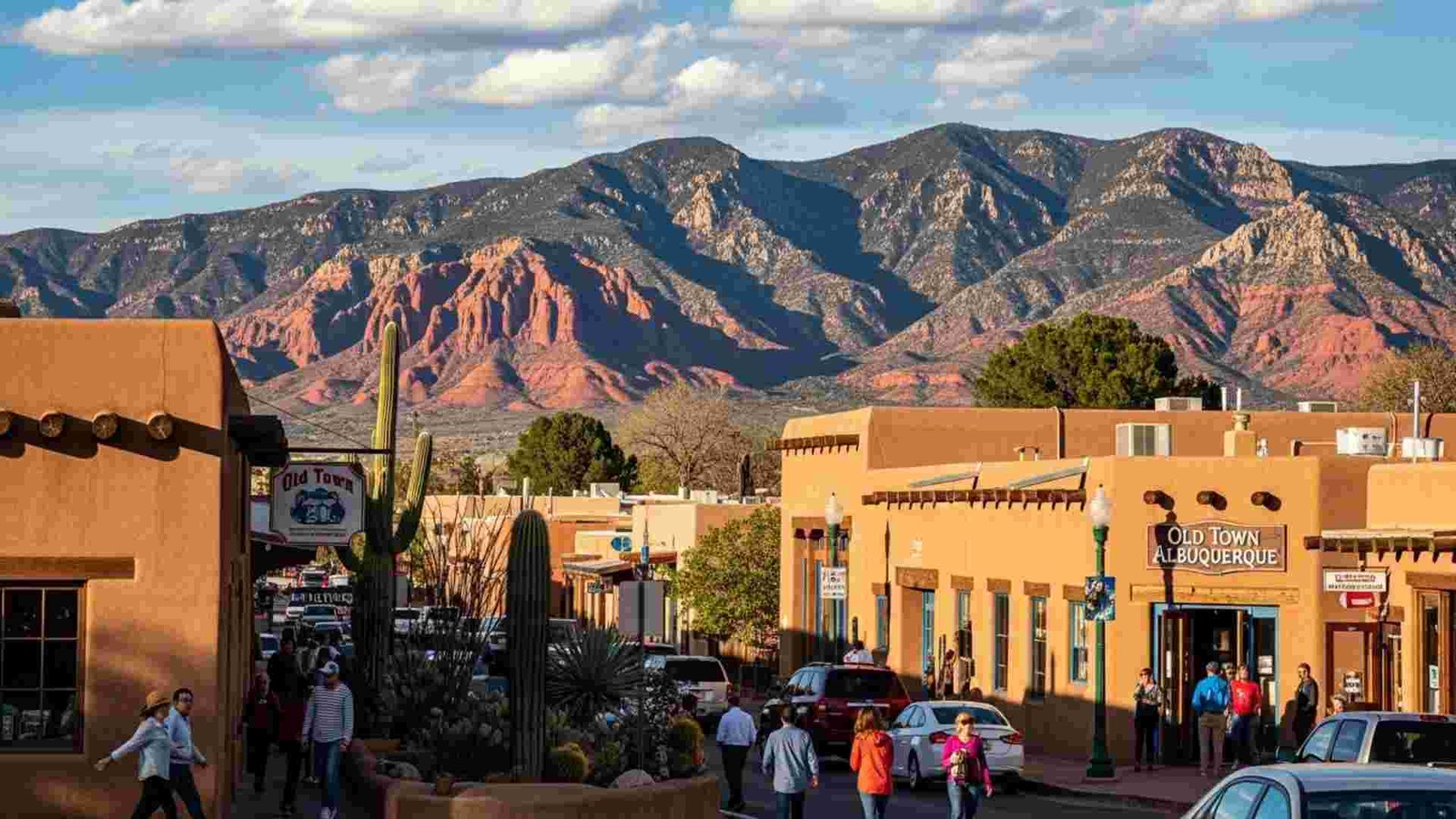
Albuquerque is often overlooked by those on a whirlwind tour of the American Southwest, but it’s a place where the spirit of the Old West collides with modern-day artistry. Head to the Albuquerque Museum of Art and History, a treasure trove of local history and Southwestern art, where the vibrant works of Native American artists are on display. For something truly unexpected, take a hot air balloon ride during the Albuquerque International Balloon Fiesta in October—an experience that will change the way you see the world from above.
For a true taste of New Mexico, seek out a traditional “New Mexican” breakfast—green chile stew with eggs or a breakfast burrito filled with spicy chiles and locally sourced meats. Also, take a short drive up to the Sandia Mountains and catch the Sandia Peak Tramway to get a stunning bird’s-eye view of the high desert landscape.
Key Practical Information:
- Best Time to Visit: Fall (September-November) to witness the balloon festival, and spring (March-May) for mild weather.
- Getting Around: Albuquerque is easy to explore by car, but the downtown area is walkable and bike-friendly.
- Ideal Duration: 2-3 days will give you time to explore Albuquerque’s mix of history, culture, and scenic beauty.
- Must-try Local Experience: Try the famous green chile, a staple in New Mexican cuisine, at a local eatery like The Shed.
- Budget Tips: Albuquerque is quite affordable, and many attractions like hiking the Sandia Mountains or visiting the Old Town are free.
- Photography Opportunities: The balloons at dawn during the Fiesta or panoramic shots from the Sandia Peak.
- Cultural Tip: New Mexico is steeped in Native American and Hispanic cultures—be respectful when engaging with local traditions and art.
14. Portland, Oregon
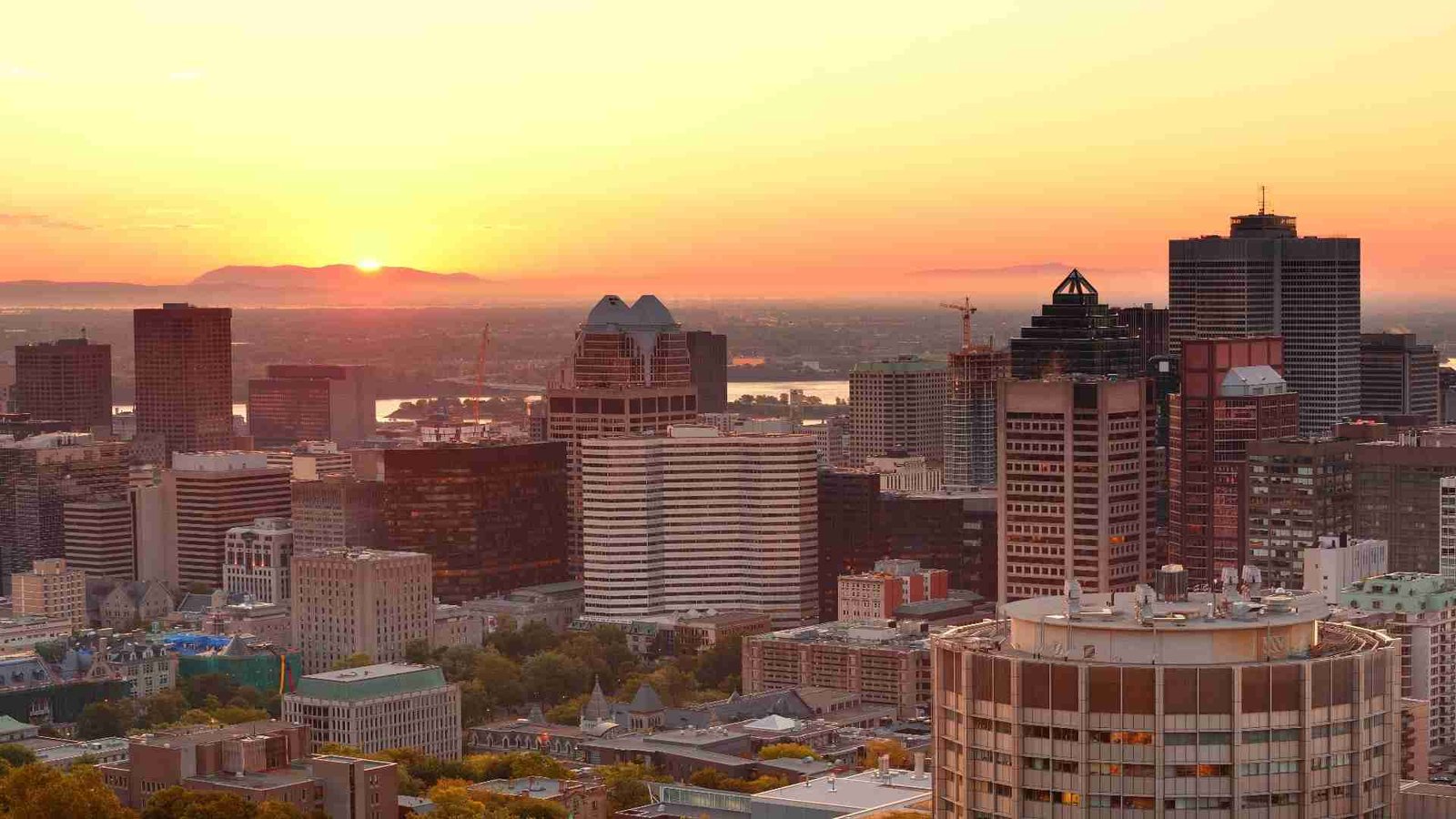
Portland is known for its quirky personality and food scene, but the true charm of this city often lies in the unexpected, like the beautiful International Rose Test Garden, which offers a breathtaking view of Mount Hood. For something a little offbeat, check out the Shanghai Tunnels—a network of underground passages that once helped in Portland’s shady past. Today, they offer fascinating guided tours that connect the city’s dark history with its modern-day culture.
Portland is a city for food lovers, especially for those who appreciate farm-to-table dining. While food trucks may be the star attraction, don’t overlook Portland’s burgeoning craft cocktail scene. Visit a speakeasy like the Multnomah Whiskey Library, where you can sample rare spirits in an intimate, sophisticated setting.
Key Practical Information:
- Best Time to Visit: Summer (June-August) for pleasant weather and outdoor activities.
- Getting Around: Portland’s public transportation, including its streetcar system and bikes, make it easy to get around. Walking is also a great way to discover the city.
- Ideal Duration: 2-3 days to experience the city’s food scene, outdoor spots, and quirky neighborhoods.
- Must-try Local Experience: Visit Voodoo Doughnut for a sweet treat or grab a bite from one of Portland’s famous food trucks.
- Budget Tips: Portland’s public transport is affordable, and food trucks offer delicious yet budget-friendly meals.
- Photography Opportunities: The panoramic views of the Rose Garden, quirky street art, or the iconic Powell’s City of Books, the world’s largest independent bookstore.
- Cultural Tip: Portland is a progressive and eco-conscious city. Be prepared to find sustainable and organic options in nearly every aspect of life.
15. Santa Fe, New Mexico
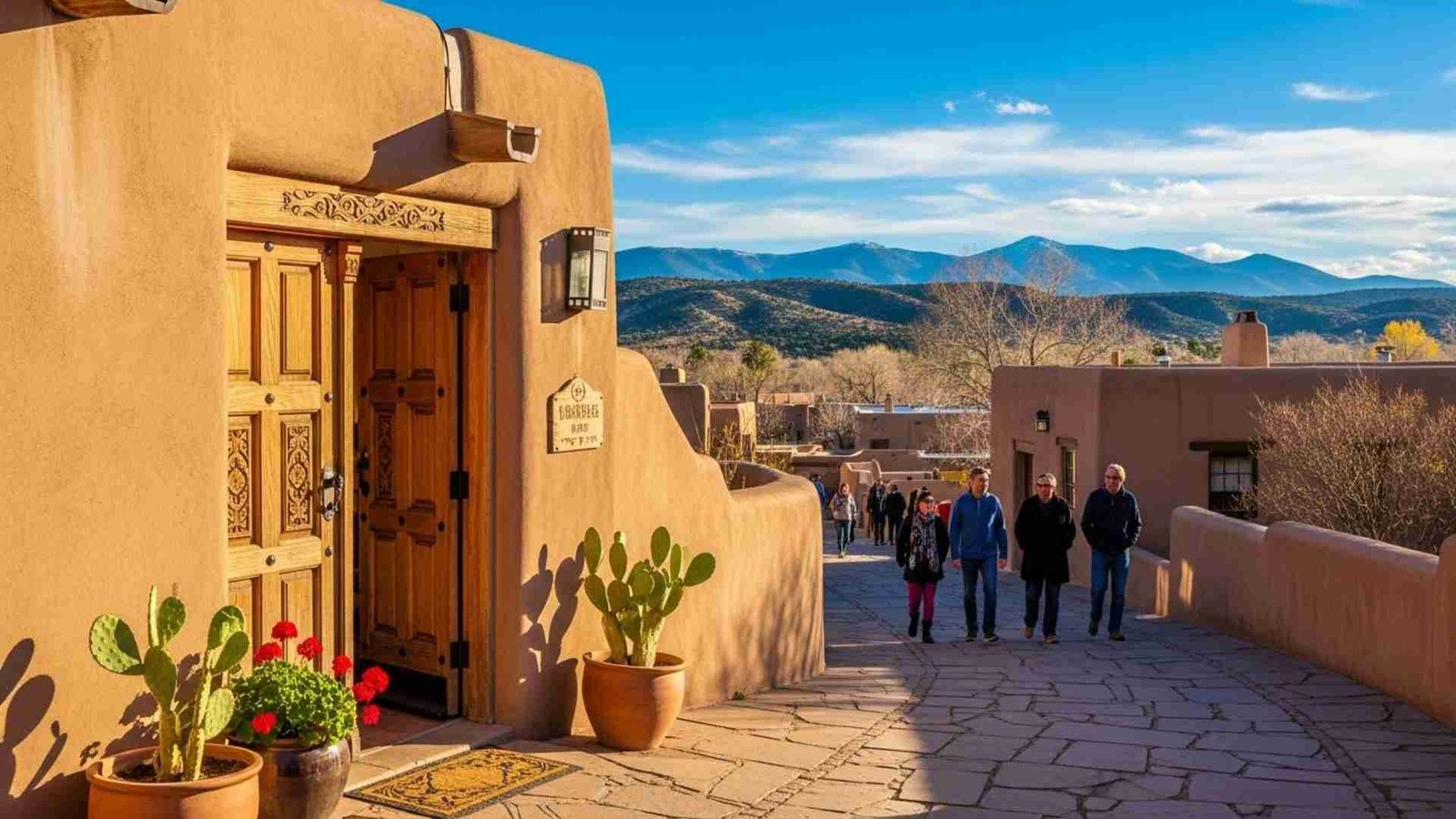
Santa Fe is a city where culture and natural beauty intertwine, but there are plenty of lesser-known spots that are worth discovering. One such gem is the Santa Fe Opera House, where the desert sky serves as the backdrop for incredible performances. It’s a unique blend of cultural refinement and the untamed beauty of the desert. Another hidden treasure is the Bandelier National Monument, where you can hike to ancient cliff dwellings and get an intimate look at Native American history in the area.
Santa Fe is not just about the art galleries and history—it’s also about the spirituality that runs deep in the town. Spend some quiet time at the Loretto Chapel, home to the miraculous staircase, or engage in a meditation retreat to fully absorb the calming energy that Santa Fe exudes.
Key Practical Information:
- Best Time to Visit: Fall (September-November) when the weather is perfect for outdoor activities and the arts scene is in full swing.
- Getting Around: Santa Fe is compact, so walking is the best way to explore. Rental cars are useful if you want to explore nearby natural attractions.
- Ideal Duration: 2-3 days to take in the historic sites, art scene, and natural beauty.
- Must-try Local Experience: Enjoy a traditional New Mexican meal at a local favorite, such as The Shed, or try a traditional Native American feast.
- Budget Tips: Santa Fe offers a range of options from affordable inns to high-end hotels, so there’s something for every budget.
- Photography Opportunities: The stunning adobe architecture, the Loretto Chapel’s miraculous staircase, and the vibrant art galleries.
- Cultural Tip: Santa Fe’s art scene is vast and culturally rich—take the time to visit local galleries, and be respectful of the traditional Native American cultures that have shaped this city.
16. Miami, Florida
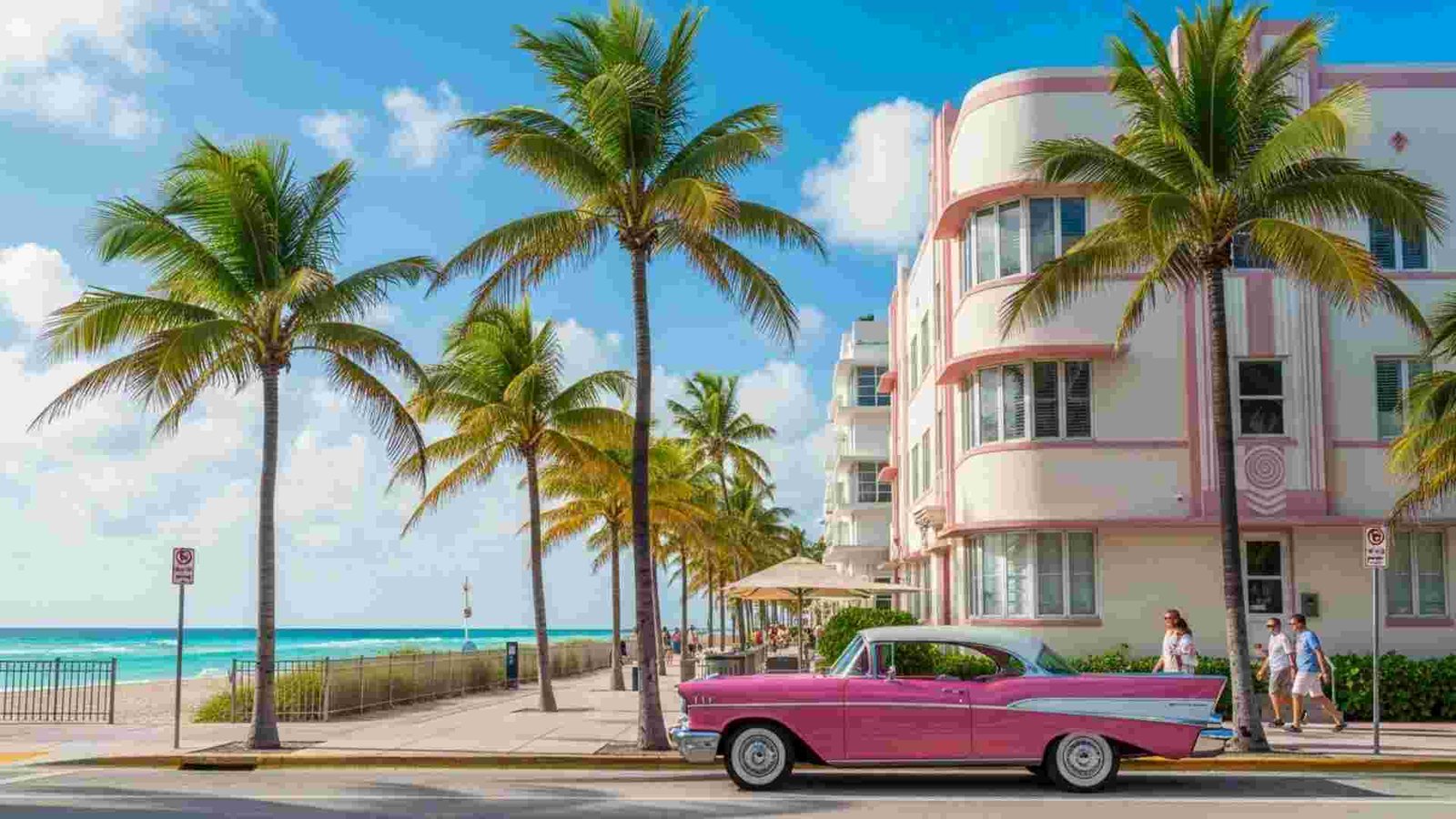
Miami might be famous for its South Beach scene, but there’s another side to this city that’s equally captivating—the vibrant Cuban influence in Little Havana. The lively streets pulse with the rhythms of Latin music, and the colorful streets are lined with shops offering handmade cigars, tropical fruit, and Cuban coffee. For a quieter experience, head to the Fairchild Tropical Botanic Garden, where you can get lost in lush foliage and tropical beauty far removed from the city’s bustling energy.
For a unique perspective of Miami’s coastline, try a kayaking or paddleboarding tour through the Venetian Islands. These serene waters provide unparalleled views of the city skyline and million-dollar mansions, making for a memorable adventure.
Key Practical Information:
- Best Time to Visit: Winter (December-February) to avoid the intense summer heat and to enjoy the cultural festivals.
- Getting Around: Miami’s public transport system is useful, but for a more scenic route, rent a bike and explore the Art Deco district.
- Ideal Duration: 2-3 days to explore the beaches, art scene, and local culture.
- Must-try Local Experience: Sip a mojito and enjoy Cuban cuisine in Little Havana.
- Budget Tips: Miami can be expensive, but there are plenty of budget-friendly options in neighborhoods like Wynwood, where street art abounds.
- Photography Opportunities: The colorful murals in Wynwood, South Beach at sunrise, or the Miami skyline from Key Biscayne.
- Cultural Tip: Miami is culturally diverse. Embrace the city’s melting pot atmosphere, and be respectful of local customs, especially when visiting neighborhoods like Little Havana.
Conclusion:
Embarking on the ultimate cross-country train adventure through the USA offers an unparalleled way to experience the heart and soul of this diverse nation. From the urban energy of Chicago to the rugged beauty of the Rockies and the historic charm of New Orleans, each stop offers a unique window into the local culture, history, and natural landscapes. Whether you’re exploring vibrant cities, hidden gems, or scenic wonders, this journey promises to be an unforgettable odyssey filled with discovery and adventure at every turn.