Salt spray clings to morning air as cobblestones warm beneath your shoes, and the world feels newly possible. We crave wonder, but rising prices keep dreams parked in browser tabs. This guide is your nudge from someday to soon—twelve journeys that trade spectacle for soul and cost for cleverness.
Expect candlelit courtyards, cliff-edge horizons, alleys humming with stories, and trains that stitch memory to map. You’ll find routes that stretch budgets without shrinking adventure, and choices that turn long weekends into lifetimes’ keepers. Start where curiosity tugs; finish changed. Inside, practical shortcuts and local wisdom quietly open every locked door.
1. Lisbon, Sintra & the Atlantic Coast, Portugal
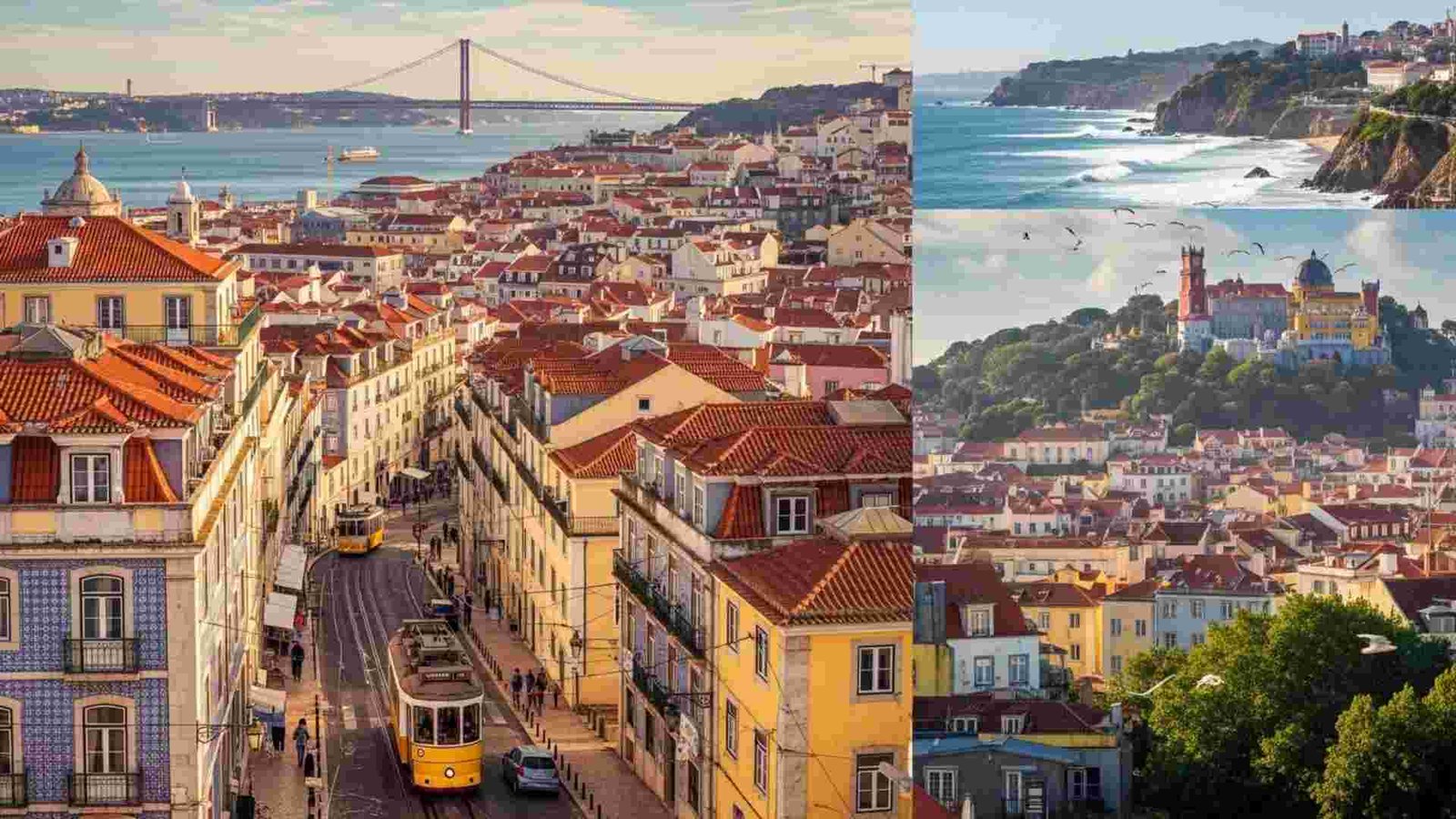
The first light of Lisbon hits the tiled walls like liquid gold. Standing on a steep cobbled street in Alfama, you can hear church bells mingling with the distant hum of trams. The city’s charm lies not just in its history but in how it breathes it — sailors’ tales told through blue azulejos, melancholic fado songs echoing from open tavern doors, and the scent of roasted sardines wafting through narrow lanes. Lisbon feels alive yet laid back, carrying an authenticity that makes you feel like a participant rather than a tourist.
A short ride away, Sintra welcomes you with misty hills crowned by pastel palaces straight out of a fairy tale. Wandering through the vibrant corridors of Pena Palace or the moss-covered arches of Quinta da Regaleira, you sense a dreamlike blend of legend and royalty. The air smells of eucalyptus and sea salt — a reminder that the Atlantic lies just beyond. It’s the kind of place where the boundary between history and imagination dissolves.
Back along the coast, Cascais offers quiet balance — a fishing village turned breezy seaside retreat. Locals chat over espresso, surfers trace elegant arcs on the waves, and travelers linger by the cliffs of Cabo da Roca, “where the land ends and the sea begins.” Lisbon and its surrounds aren’t just affordable; they’re soulful, rewarding every curious step.
Key Practical Information
- Peak/Off-peak: May–September is warm and sunny (25–32 °C); November–March is cooler (~15 °C) but cheaper and peaceful.
- Getting around: Lisbon’s metro and trams are efficient; trains reach Sintra and Cascais in under 45 minutes.
- Ideal duration: 4–5 days covers Lisbon’s highlights plus a coastal escape.
- Must-try experiences: Ride Tram 28, hear live fado, explore Sintra’s palaces, watch sunset at Cabo da Roca.
- Budget tips: Mid-range meals cost ~€10–15; public transport is inexpensive. Stay in guesthouses or pousadas.
- Etiquette: Greet with “bom dia,” tip modestly (5–10 %), and dress neatly in churches.
- Photo moments: Alfama rooftops at dawn, Pena Palace in mist, ocean cliffs glowing at sunset.
2. Budapest & the Danube Bend, Hungary
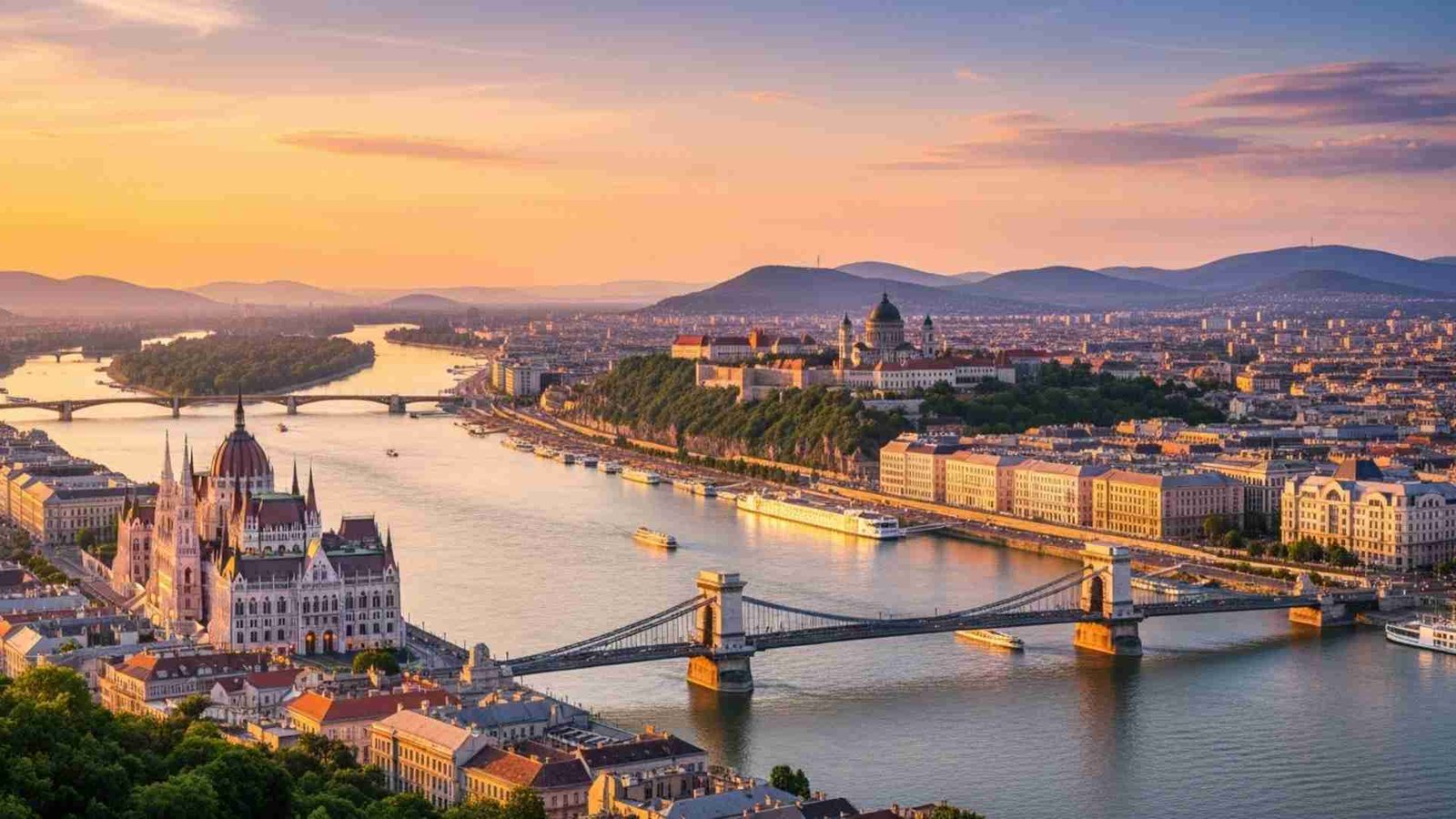
At dusk, Budapest’s skyline ignites — bridges glimmering, the Parliament’s Gothic turrets mirrored in the Danube. Crossing the Chain Bridge, you feel both the grandeur of an imperial past and the creative pulse of a youthful city. Thermal baths like Széchenyi offer centuries of tradition where locals still gather to play chess in steaming pools.
The magic continues beyond the capital. Following the Danube Bend north, you pass storybook towns such as Szentendre and Visegrád. A gentle climb to the medieval fortress reveals the river snaking through emerald hills — a view so peaceful it silences every thought. Here, the pace slows, and you realize that Europe’s beauty doesn’t need luxury; it thrives in simple encounters — a local pastry, a view shared with strangers.
Budapest manages to feel both opulent and grounded. Historic cafés serve rich coffee for the price of a bus ticket, and the city’s architecture glows with a timeless confidence. It’s the kind of destination where affordability never compromises the experience.
Key Practical Information
- Peak/Off-peak: May–September is lively and warm (20–28 °C); winter (Dec–Feb) is crisp, festive, and budget-friendly.
- Getting around: Walk, tram, and metro cover the city; trains and buses connect easily to the Danube Bend.
- Ideal duration: 3 days in Budapest + 1 day exploring the Bend.
- Must-try experiences: Soak in Széchenyi Baths, explore Buda Castle, cruise the Danube, visit Visegrád Fortress.
- Budget tips: Meals under €10, city transport passes ~€5/day, and guesthouses are excellent value.
- Etiquette: A polite “köszönöm” (thank you) goes far; avoid clinking beer glasses — an old custom still remembered.
- Photo moments: Parliament by night, Fisherman’s Bastion sunrise, sweeping Danube from Visegrád hill.
3. Seville, Córdoba & Granada, Spain (Andalusia)
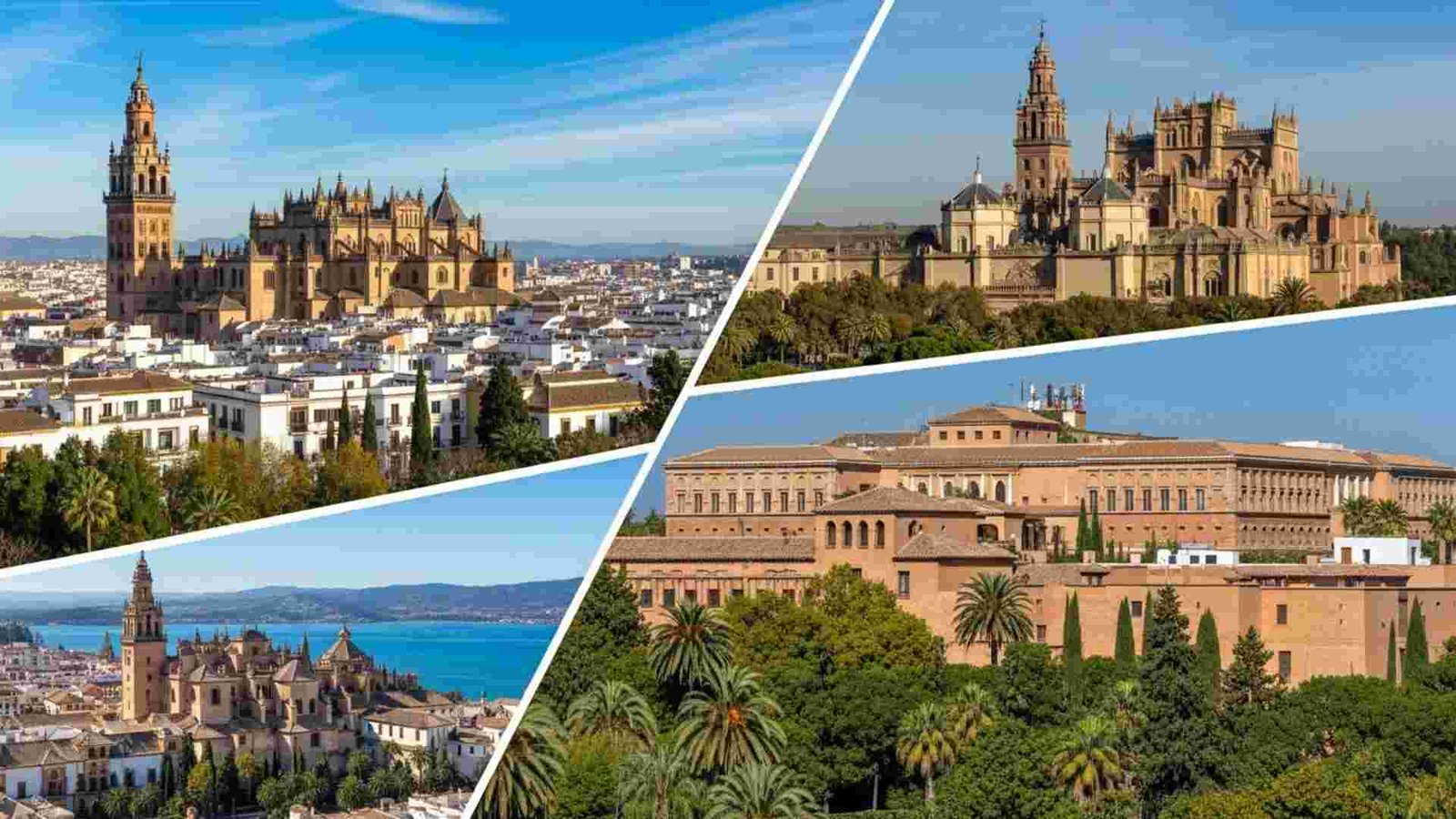
Andalusia is where Europe flirts with North Africa — an intoxicating blend of cultures and climates. Seville greets you with sunlight bouncing off orange trees, horse-drawn carriages clattering past the world’s largest Gothic cathedral, and the rhythm of flamenco echoing through shaded courtyards.
Córdoba’s Mezquita steals your breath: endless red-and-white arches spiraling toward infinity, sunlight spilling through ancient domes. Outside, the patios burst with flowers, and the air carries the sweet chill of salmorejo soup and olive oil. Time here feels suspended — Moorish, Jewish, and Christian stories intertwine in every stone.
Granada completes the trilogy. High in the Alhambra, the carved stucco glows amber as the Sierra Nevada turns pink in the evening light. Down in the Albaicín, tapas bars hum with laughter, and the scent of jasmine fills the alleys. Andalusia teaches that richness isn’t just measured in cost — it’s in culture that lingers long after you leave.
Key Practical Information
- Peak/Off-peak: April–May and Sept–Oct are ideal (~25 °C). Summer can exceed 35 °C but costs less.
- Getting around: High-speed trains link cities; walking is best within old quarters.
- Ideal duration: 6–7 days for all three cities.
- Must-try experiences: Watch flamenco in Seville, wander Córdoba’s Mezquita, visit the Alhambra, sample tapas and local sherry.
- Budget tips: “Menu del día” lunches under €15; affordable guesthouses abound.
- Etiquette: Meals start late; greet warmly with “hola” and “gracias.” Cover shoulders in churches.
- Photo moments: Plaza de España, Córdoba’s flower-filled patios, Alhambra at sunset.
4. Athens & the Peloponnese, Greece
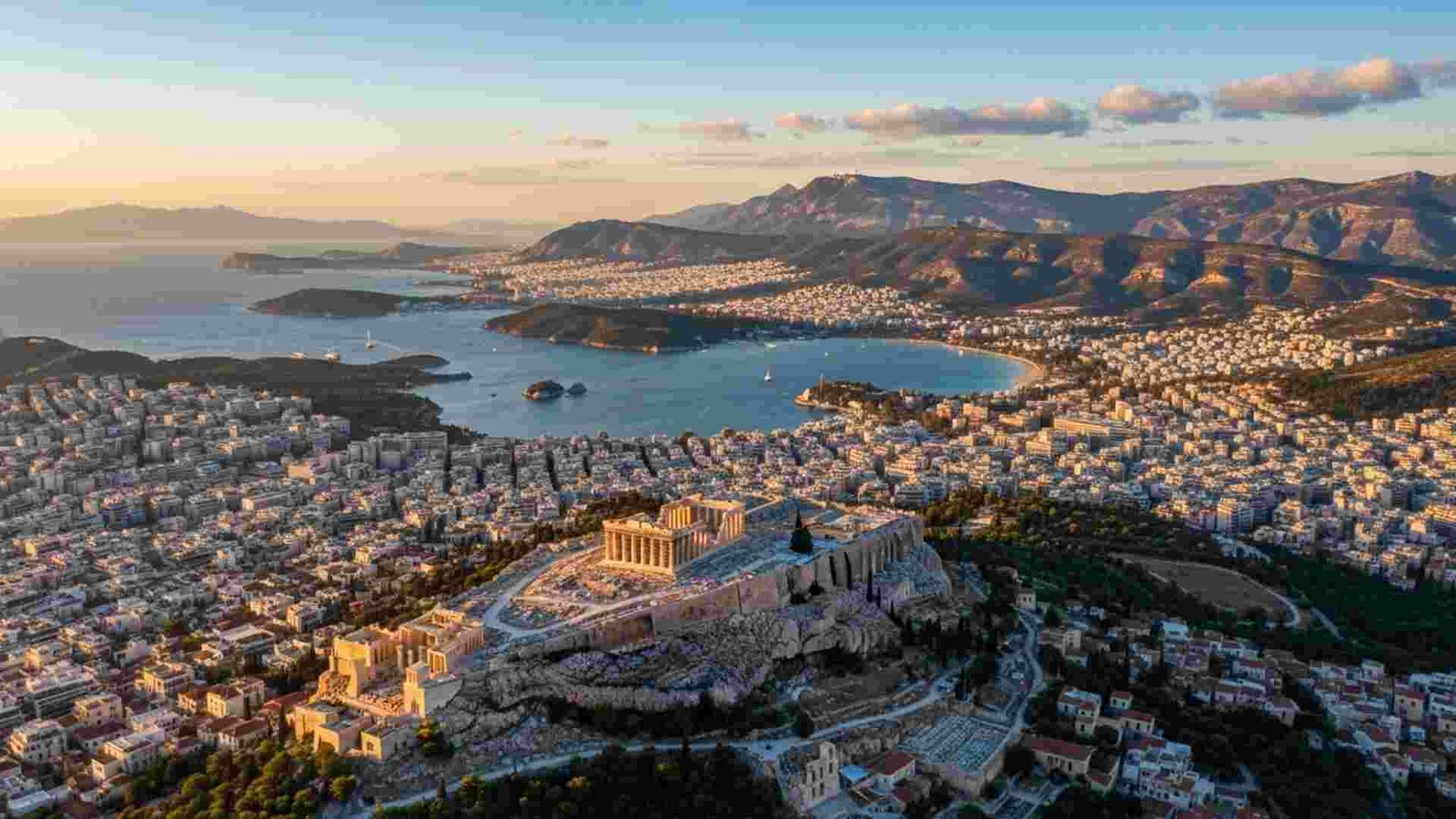
Athens is where myth meets modernity. The Acropolis glows golden at dawn, yet just below, cafés fill with chatter and espresso machines hiss — living proof that history here is never just in the past. Every ruin feels close enough to touch, every street corner tells a new story.
Leaving the capital, the Peloponnese unfurls like a sun-drenched tapestry — olive groves, ruined theatres, seaside roads winding past turquoise coves. At Nafplio’s harbor, you can sip coffee while watching fishing boats sway beneath Venetian fortresses. In Mycenae, the “Lion Gate” stands defiant against time. Each village you pass offers hospitality so effortless it feels ancient.
What makes Greece extraordinary isn’t only its history but its humility — travelers are welcomed like family, food is shared generously, and moments stretch in the warm Mediterranean light. It’s timeless travel at a price that still surprises.
Key Practical Information
- Peak/Off-peak: June–Aug is hot (30–35 °C); Apr–May and Sept–Oct are mild and cheaper.
- Getting around: Athens metro for city sights; rent a car or use buses for Peloponnese routes.
- Ideal duration: 5–7 days to mix ruins, coast, and countryside.
- Must-try experiences: Acropolis and museum, Epidaurus theatre, seaside dining in Nafplio, olive oil tastings.
- Budget tips: Guesthouses from €40/night; local tavern meals €10–12; fuel costs add up — plan routes.
- Etiquette: Respect church dress codes; greetings are warm and direct.
- Photo moments: Parthenon at sunrise, Mycenae ruins, Peloponnese coastal drives.
5. Prague & Český Krumlov, Czech Republic
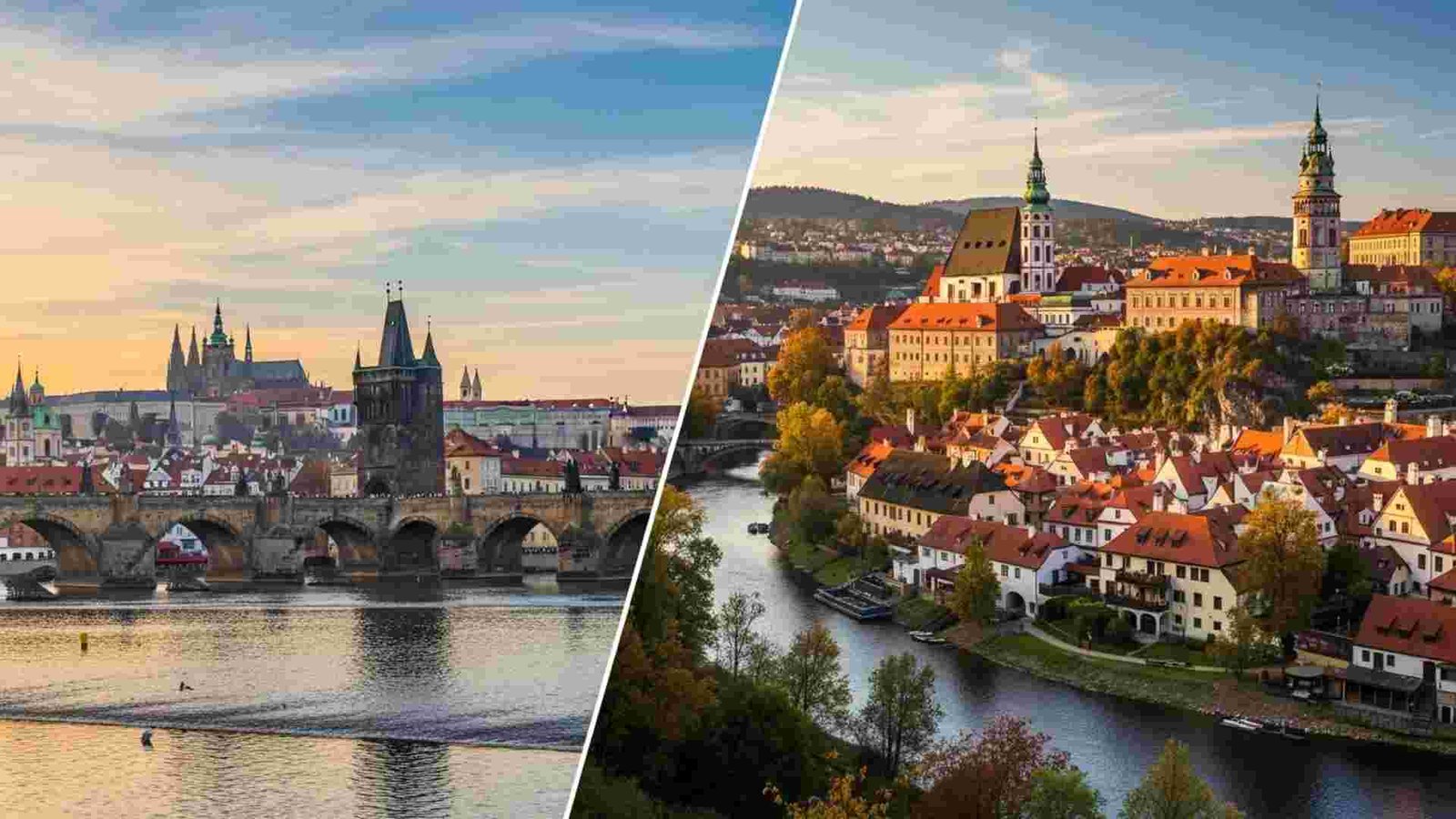
Prague feels like a dream stitched together by spires and cobblestones. The Vltava River divides the city into stories — old and new, bohemian and baroque. At dawn, Charles Bridge is empty but for the soft footsteps of photographers and lovers; statues fade from shadow to gold as the sun climbs.
Inside the Old Town, time folds in on itself — the Astronomical Clock still marking centuries, cafés once frequented by Kafka now filled with travelers scribbling their own notes. Evenings bring music drifting from cellar bars and the soft glow of lanterns reflected on wet stone.
A few hours south, Český Krumlov offers pure fairy-tale quiet: pastel houses curled around a river loop, a castle tower watching protectively above. Here, life slows down — you linger over beer brewed in centuries-old cellars and feel, deeply, that affordability doesn’t mean compromise.
Key Practical Information
- Peak/Off-peak: May–Sept is mild (18–25 °C); winter is cold but magical with snow and low prices.
- Getting around: Prague’s metro/trams are cheap; buses reach Český Krumlov in 3 hours.
- Ideal duration: 3–4 days in Prague, 1–2 days in Krumlov.
- Must-try experiences: Walk the Charles Bridge at sunrise, tour Prague Castle, raft or stroll in Krumlov.
- Budget tips: Meals €8–12; good hostels and mid-range hotels offer value.
- Etiquette: Greet with “Dobrý den,” tip 10 %, and be respectful in churches.
- Photo moments: Old Town rooftops, the curve of the Vltava, and Krumlov’s castle from the riverbend.
6. Kraków & The Tatra Mountains (Poland / Slovakia)
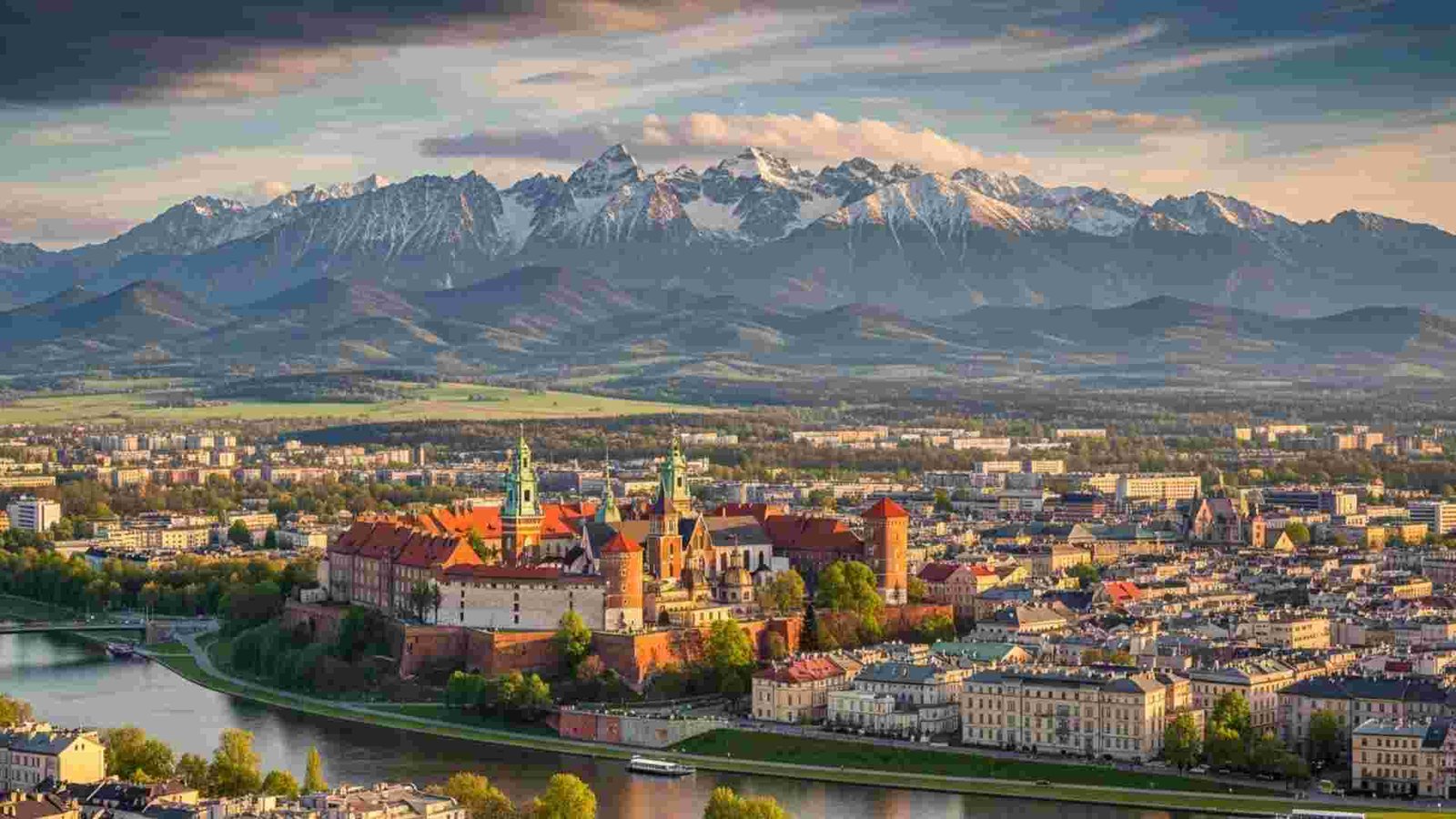
Kraków has a quiet gravity. The clatter of horse hooves echoes through Rynek Główny while church bells fold into the hum of café chatter. It feels contemplative—its medieval streets are living pages of poetry. Yet, two hours south, the scene flips: mountain trails above Zakopane beckon, where wind whistles over spruce forests and shepherd huts smoke faintly in the dusk.
One morning, after tracing the cobblestones of the Jewish Quarter, I boarded a bus to the Tatras. By sunset, I was staring at peaks bathed in copper light, sipping mulled wine in a timber lodge. Kraków teaches reflection; Zakopane teaches release. Together they remind you that Europe’s elegance and wilderness can fit in a single day’s journey.
Quick Travel Notes:
- When to go: Late May to September offers mild trails and vibrant mountain huts; December brings magical snow.
- Getting there: Fly into Kraków; frequent buses reach Zakopane (≈2 hrs).
- Stay: 3 nights Kraków, 2 Zakopane.
- Don’t miss: Wieliczka Salt Mine; Gubałówka funicular; Oscypek (smoked cheese).
- Budget: Meals €8–10; lodges €30–50 pp.
- Snapshot moment: Blue hour over Wawel Castle vs. alpenglow on Kasprowy Wierch
7. Porto & The Douro Valley (Portugal)
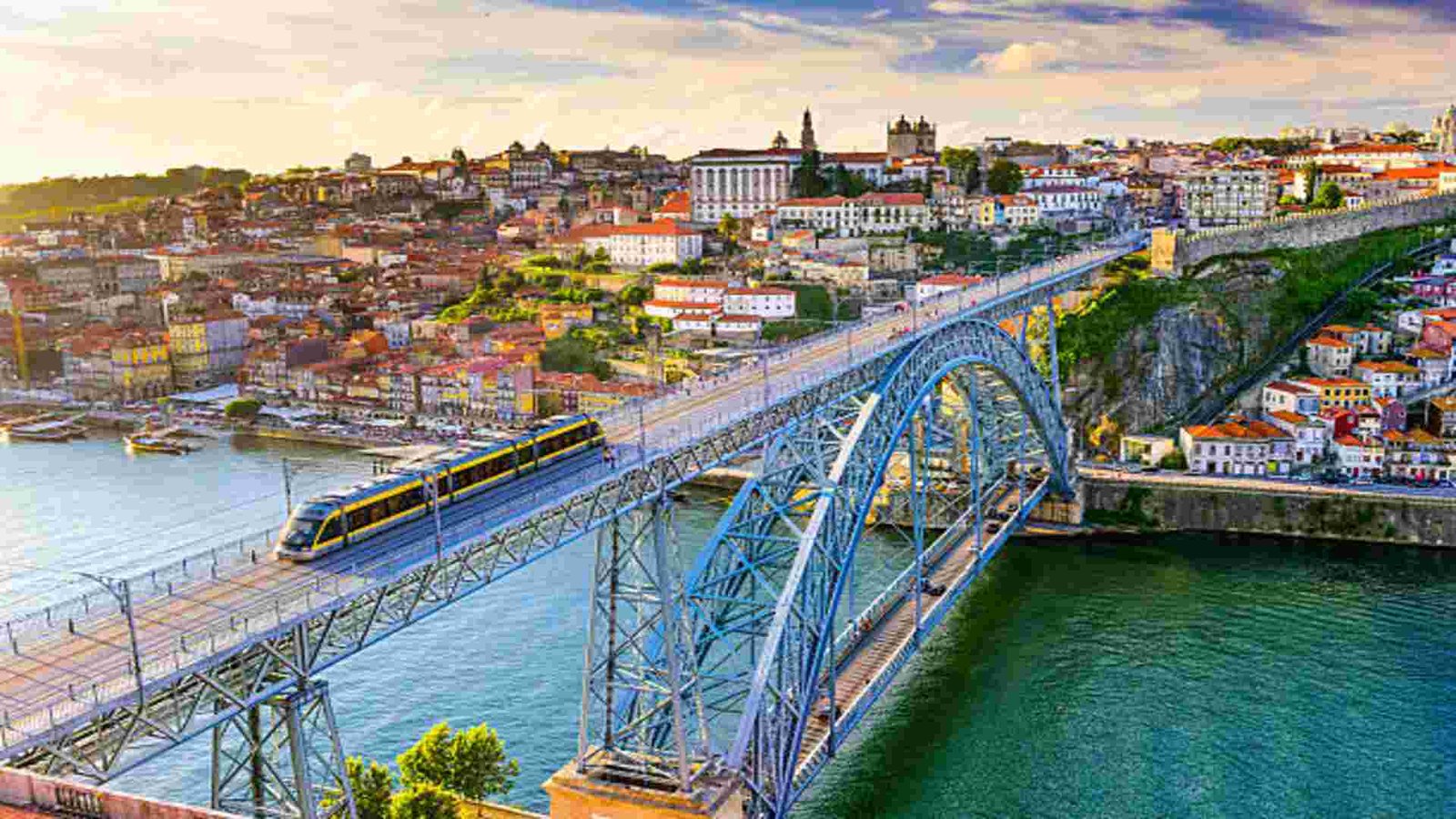
While Lisbon buzzes, Porto hums in deeper tones—earthy, patient, a little melancholic. Walk the Ribeira at sunrise and the granite glows gold. Order a francesinha sandwich at a back-street tavern and you’ll see locals gesture more than they talk. Everything here moves in rhythm with the river.
The Douro Valley is that rhythm made visible—terraces curling up the hillsides like ancient sheet music. Take the slow train to Pinhão; each bend reveals another mosaic of vineyards. A vintner might invite you to taste a tawny port straight from the barrel, and suddenly “affordable luxury” feels redefined.
In Practice:
- Best season: September harvest for crisp air and vineyard life.
- Transport: Porto metro to Campanhã → train to Pinhão (2.5 hrs).
- Ideal pace: 2 days city + 2 river days.
- Essentials: Rabelo boat ride, tile-hunting at São Bento Station, sunset from Dom Luís Bridge.
- Spending sweet-spot: €40/day covers trains, wine tastings, local meals.
- Vibe: Sip slowly, ask questions—Porto’s hospitality unfolds only if you linger.
8. Transylvania (Brașov, Sibiu & Bran) Romania
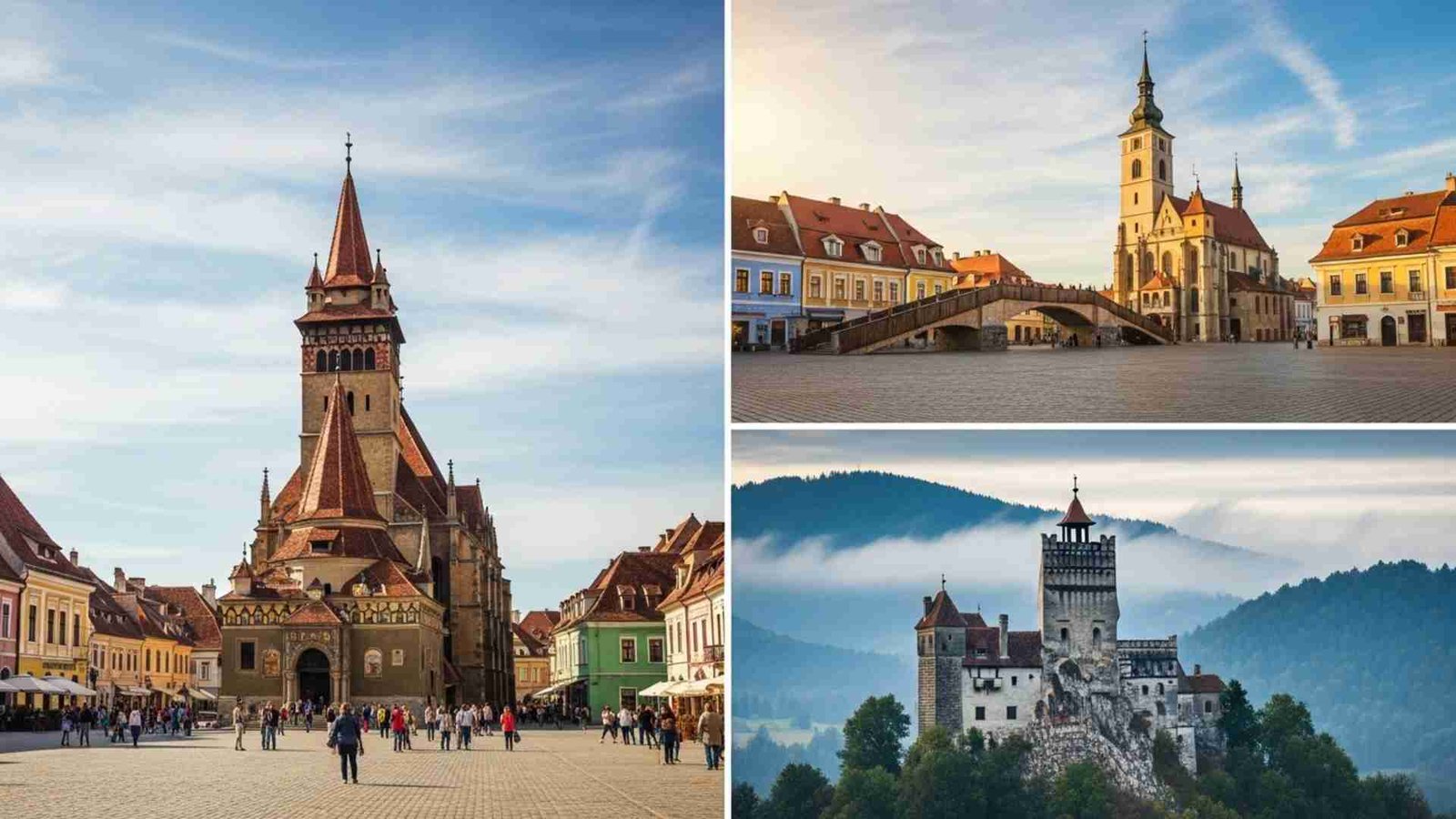
Forget Dracula—Transylvania’s true spell lies in its rhythm of bells and hayfields. Between fortified churches and pastel-fronted towns, time drifts slower than anywhere else in Europe. In Brașov’s main square you hear the mix of Romanian, German and Hungarian words—a chorus of centuries.
Drive to Viscri at sunrise: a dirt lane threaded with wildflowers, a shepherd whistling at his flock. The church on the hill feels more watchful than haunted. By night, back in Sibiu, street lamps reflect in windows that really look like eyes. You understand why this region inspired so many stories—it breathes quiet mystery.
Traveler’s Brief:
- When: May–October for sun and open roads.
- Routes: Trains to Brașov or Sibiu; rent a car for villages.
- Top moments: Climb Tâmpa Hill; visit Biertan fortified church; evening walk through Sibiu’s Upper Town.
- Stay: Guesthouses from €25; often include farm-fresh breakfasts.
- Etiquette: Ask before photos in villages—hospitality is earned through respect.
- Spirit of place: Not fear, but fascination—Transylvania is a whisper of Europe before rush hour.
9. Baltic Capitals — Tallinn, Riga & Vilnius
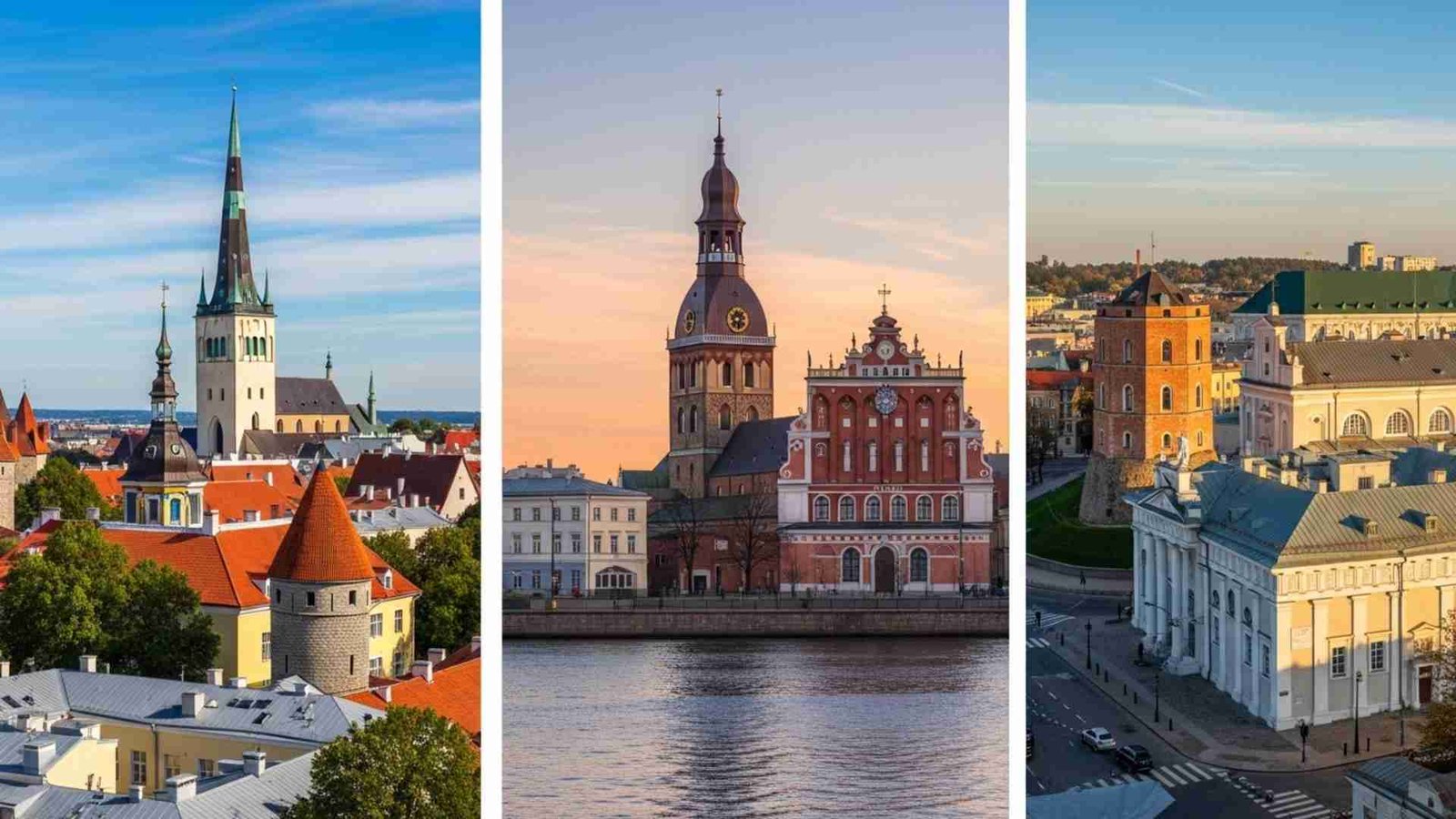
Summer here feels enchanted—sunsets refuse to leave, and by the time twilight fades, dawn is already warming the rooftops. Each capital tells a different chapter: Tallinn’s medieval pride, Riga’s Art Nouveau elegance, Vilnius’s bohemian heart.
One week, three countries, yet the threads connect—woodsmoke saunas, amber markets, and a shared resilience shaped by long winters. In Riga, I wandered Alberta Street in the rain, each building curling into fantasy. In Vilnius, artists had declared their own “Republic of Užupis”—freedom written in chalk. You realize how creativity flourishes at the edges of Europe.
Essentials at a Glance:
- Timing: June and July for “white nights”; Dec for snow and markets.
- Movement: Buses and ferries connect all three cities cheaply.
- Budget line: €40–60/day for comfort travel.
- Unmissable: Tallinn Old Town rooftops, Riga Central Market, Vilnius Hill of Three Crosses.
- Energy: Inventive, modern, unpretentious—Europe in miniature with northern soul.
10. Albanian Riviera & Berat (Albania)
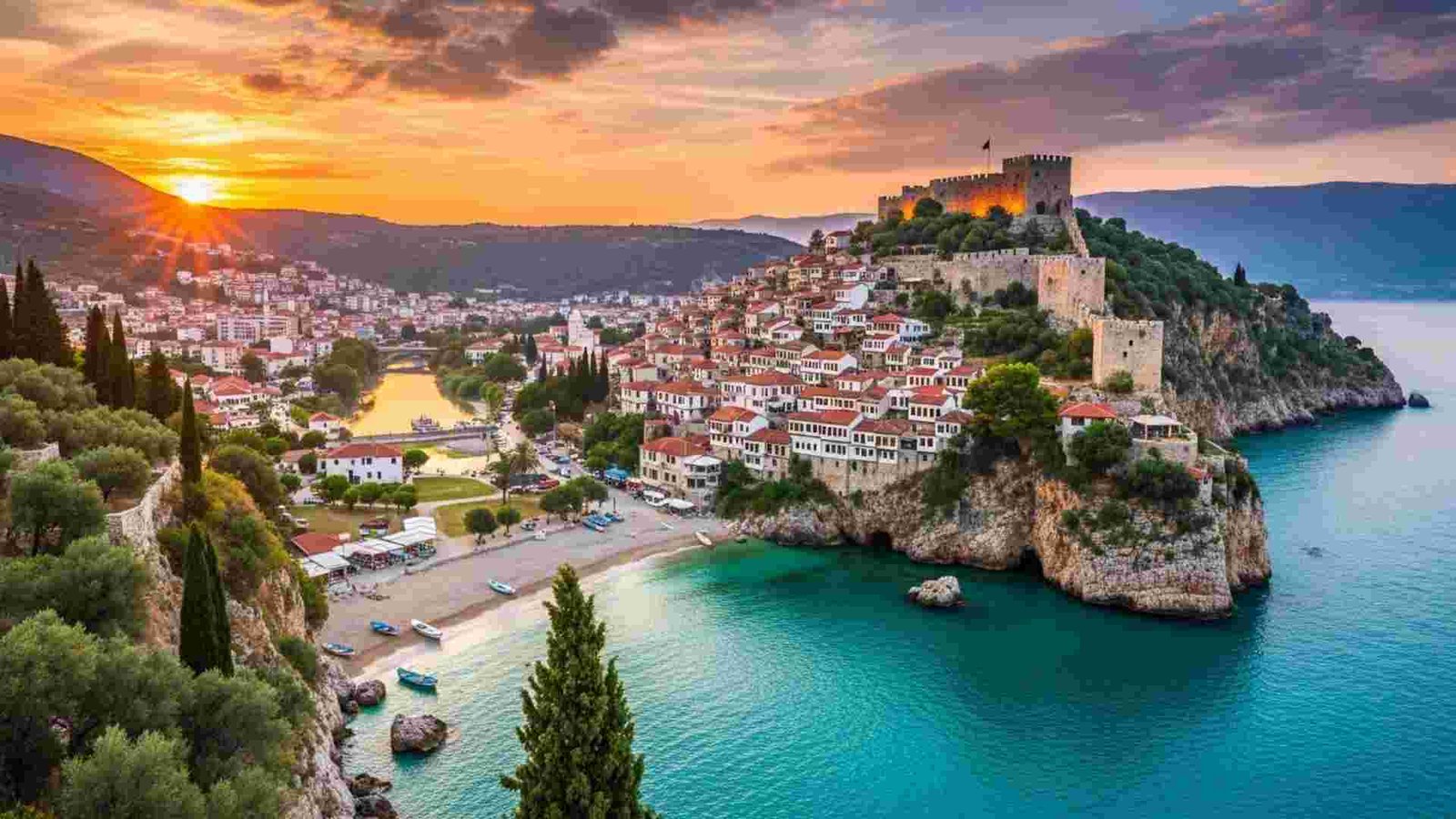
The SH8 road climbs into blue air and the Ionian drops away like a secret you’ve just earned. Switchbacks, thyme on the wind, goats negotiating the verge. Then Ksamil—water so clear your shadow looks HD. Hours later, inland, Berat stacks white Ottoman houses above a river like a library of windows.
Hidden gems hide in plain sight: a fisherman grills your lunch on a beach with no name; in Berat’s Onufri Museum, icon colors glow like embers. Albania feels like the Mediterranean’s pre-tourism draft, generous and slightly improvised—exactly what makes it sing.
Base in Sarandë for island-hopping mornings, then bus or drive to Berat for lantern-lit balconies and pomegranate sunsets.
The Two-Texture Cheat Sheet
- Best blend: June & September = warm sea, softer prices; July–Aug for beach buzz.
- Moves: Fly Tirana or Corfu + ferry; rent a small car for coves and the Llogara Pass.
- Nights split: 3–4 coast + 1–2 Berat.
- Budget pulse: Guesthouses from €25–40, grilled seafood great value.
- Soft-rules: Modest dress in mosques/churches; ask before portraits.
- Theme tie-in: Frontier-of-the-familiar—how discovery feels when maps are still being colored in.
11. Sarajevo & Mostar (Bosnia and Herzegovina)
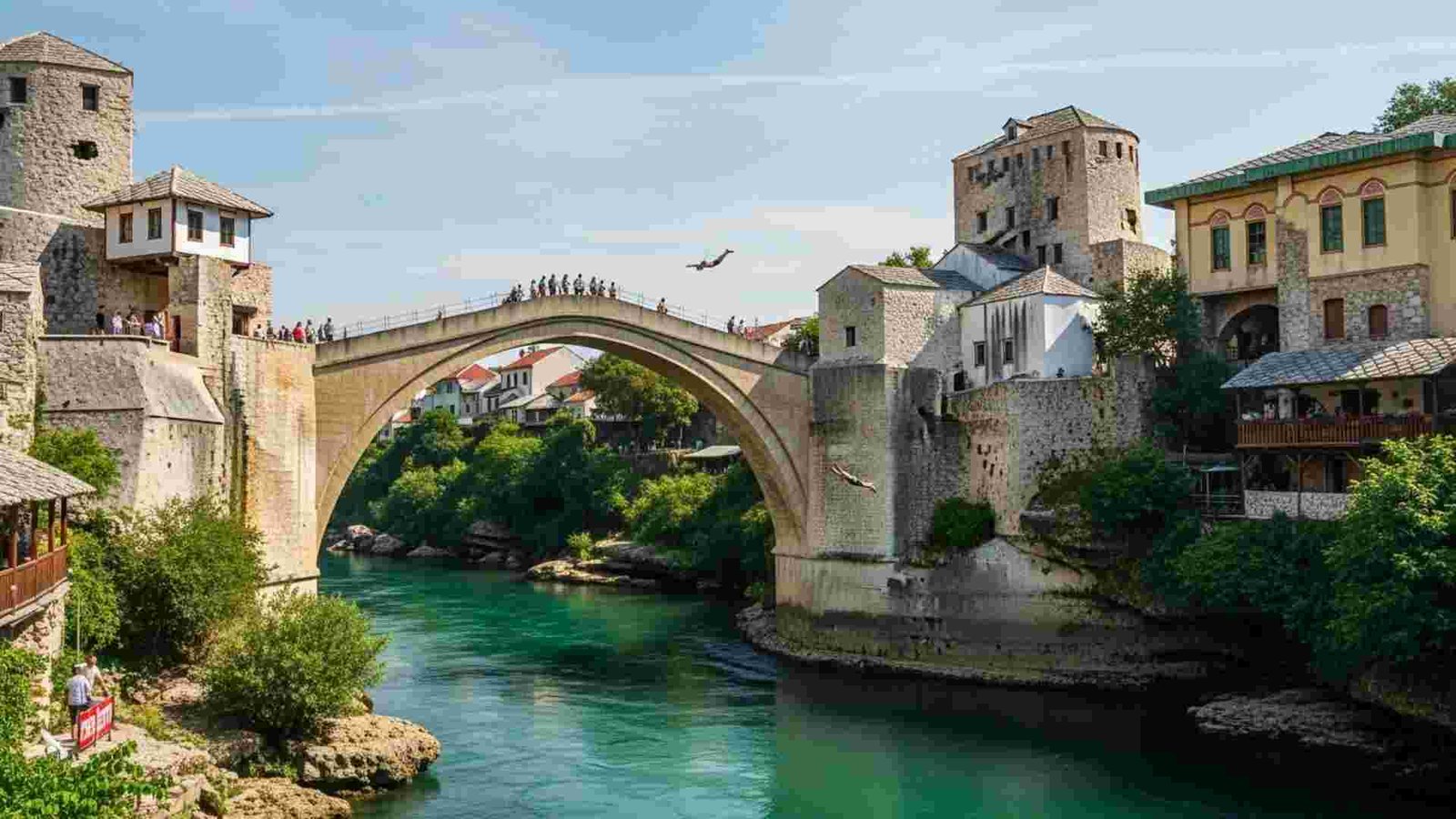
Sarajevo smells like coffee roasted dark and history roasted deeper. Call to prayer threads through tram bells; Austro-Hungarian façades lean toward Ottoman alleys. You stand on the Latin Bridge and feel the hinge of a century. By evening, a copper-smith hammers a rhythm older than borders.
Then Mostar, where a stone arc bridges not just a river but a past. Watch a diver poise on Stari Most, toes gripping history, then spear into green water to a crowd’s collective inhale. The city’s poetry is visible in mortar lines—rebuilt beauty, not erased pain.
In Sarajevo’s Bascarsija, share a plate of ćevapi with locals and trade stories; in Mostar, cross to the Koski Mehmed Pasha minaret for a view that trims the world to river and stone.
Flip-Card Practical
- When it warms right: May–June and Sept–Oct for temperate walks; July–Aug can be hot.
- Routes: Fly Sarajevo; buses or trains to Mostar (the Neretva canyon ride is a stunner).
- Time box: 2–3 nights Sarajevo + 1–2 nights Mostar.
- Costs: Café culture on a small-coin budget; boutique stays at midrange prices.
- Cultural care: Sites of memory invite quiet and humility; tip modestly, greet warmly.
- Theme tie-in: Resilience and coexistence—travel that listens as much as it looks.
12. Kotor Bay & Durmitor National Park (Montenegro)
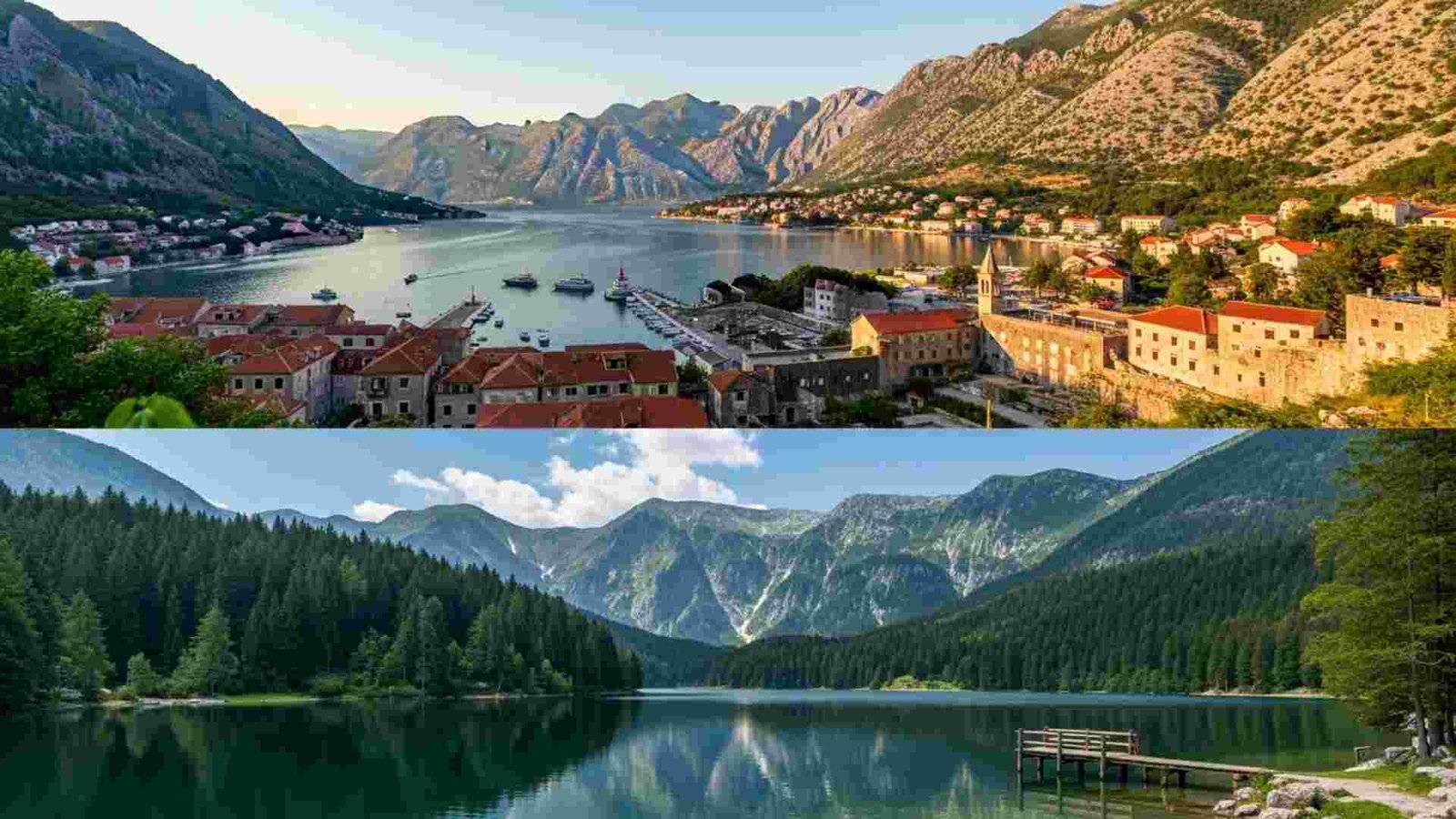
Kotor is a fjord-like stage where mountains bow to water and the past climbs the ramparts at dawn. Bells drift over the bay as cruise-day crowds sleep; that’s your cue to ascend the old walls until rooftops become terracotta confetti.
By afternoon, aim for altitude: Durmitor trades salt air for pine resin and turquoise glacial lakes. The road to Tara Canyon edges the sky; at a wooden bridge, river rafters drift between cathedral cliffs and time slows to the rhythm of downstream.
Sleep in Perast for quiet mornings with island chapels; in Durmitor, loop Black Lake at sunset when the peaks purple and the water goes still as thought.
Two-Realm Toolkit
- Season split: May–Oct for bay strolls and mountain trails; July–Aug busiest on the coast.
- Getting there: Fly Tivat/Podgorica; bus to Kotor; car for Durmitor flexibility.
- Time recipe: 2 nights Kotor/Perast + 2–3 nights in Žabljak (Durmitor).
- Spend smart: Bayfront rooms spike; go one street back. Mountain cabins are excellent value.
- Trail manners: Weather turns fast—layers + marked paths.
- Theme tie-in: Water to wilderness—one itinerary, two biomes, zero compromises.
Conclusion:
Europe doesn’t have to be a distant dream—it’s more affordable than you think. These 12 bucket list trips prove that unforgettable adventures, rich culture, and breathtaking views are within reach. So stop dreaming and start packing—your European journey awaits!