It’s that frustrating, confusing state of being “wired and tired.” You’re physically exhausted, your focus is shot, and your drive is just… gone. But when your head hits the pillow, your mind races. You feel jittery and drained all at once.
We usually just blame a bad night’s sleep or a tough week at work. But what if it’s something more? What if it’s a sign of a silent, hormonal civil war raging inside your body?
It’s a battle between your primary “stress” hormone, cortisol, and your primary “vitality” hormone, testosterone. And look, this isn’t some slow, long-term problem. The stakes are immediate. Research has shown that a single acute stress event—one really bad day, one awful piece of news—can cause your testosterone levels to plummet by as much as 15-30% within a matter of hours.
That’s not a typo. Hours.
This matters immensely because testosterone isn’t just some isolated “guy” hormone. It’s a “vitality” hormone for everyone. As Rebecca Rosenberg, DO, an endocrinologist with Banner Health, points out, “Testosterone is one of thousands of hormones… and they all work together to maintain optimal health”. She explains that other hormones like DHEA, estrogen, cortisol, and thyroid “also play important roles in… energy, mood, memory and overall vitality”. They’re all part of a team. When one is out of whack, the whole system suffers.
So, this is more than just another article about stress. We’re going to pull back the curtain and show you the exact mechanism your body’s stress response uses to hijack your vitality. And then, the most important part: we’ll walk through eight real, science-backed strategies to help you send a “safety signal” to your body, master that stress response, and finally reclaim your energy.
The T-Killer: How Stress Becomes a Hormonal Hijacker

To fix the problem, you first have to understand what’s actually happening. This whole conflict between stress and vitality isn’t a design flaw. It’s an ancient survival feature that, in our modern world, has been turned against us.
Your Body’s Two Competing Command Centers

Think of your body as having two different command-and-control systems for this process:
- The HPA Axis (The “Stress Alarm”): This is your Hypothalamic-Pituitary-Adrenal axis. It’s the “fight-or-flight” command center. When your brain senses a threat—and it really can’t tell the difference between a tiger and 300 unread emails—it sounds the alarm. This signal tells your adrenal glands to pump out cortisol, the primary stress hormone, to get you ready for immediate survival.
- The HPG Axis (The “Vitality Factory”): This is your Hypothalamic-Pituitary-Gonadal axis. This is the “Thrive and build” command center. It’s responsible for signaling the gonads to produce sex hormones, including testosterone, which are critical for long-term projects like building muscle, regulating mood, and reproduction.
Under healthy conditions, these two systems have a “push-pull” relationship. Testosterone actually helps inhibit the stress axis. And cortisol helps inhibit the testosterone axis. It’s a balance. The problem is, in our modern world, that the “stress alarm” is always on, leading to chronic, high levels of cortisol.
The “Pregnenolone Steal”: How Cortisol Hijacks Your T-Factory
The HPG axis getting shut down is only half the story. The more insidious part is a form of biological theft.
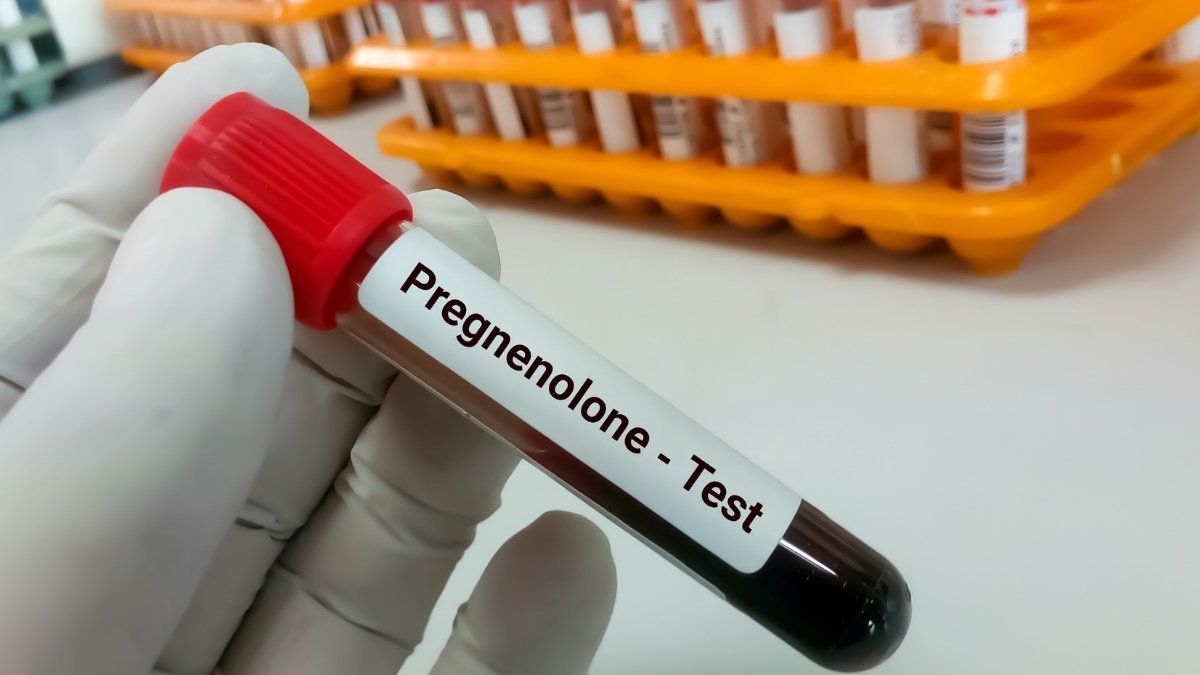
It all centers on a molecule called Pregnenolone. You can think of pregnenolone as a “master hormone” or a “stem-cell hormone”.1 It’s the raw material, the building block, that your body uses to make both cortisol and your sex hormones, like testosterone.
Let’s use an analogy:
- Imagine pregnenolone is a pile of building supplies, like wood.
- Normally, your body’s “construction manager” sends 50% of the wood to the “Vitality Factory” (to make testosterone) and 50% to the “Stress Shield Factory” (to make cortisol for daily needs).
- But when you’re under chronic stress (deadlines, bad sleep, money worries, constant notifications), the manager panics and declares a state of emergency. “WE’RE UNDER ATTACK! Forget building the factory! Send 100% of the wood to the shield! NOW!”
This is the “Pregnenolone Steal”.
Your body, in its wisdom, prioritizes short-term survival over everything else. It literally hijacks the raw materials for testosterone to over-produce cortisol. This is why you feel so drained and “flat.”
It’s an evolutionary masterpiece. An animal that’s starving or being hunted should not be wasting precious resources on building muscle or mating. It needs every last drop for survival.
The takeaway? Your body isn’t broken. It’s just stuck in survival mode. It thinks it’s in constant, mortal danger. The solutions, therefore, aren’t about “boosting” T. They’re about convincing your body that it’s safe. The 8 strategies that follow are, in essence, 8 ways to send that “safety signal” to your brain.
Myth-Busting: Not All Stress Is Your Enemy
Before we get to the solutions, we have to clear something up. We throw the word “stress” around as if it’s all bad. This isn’t just wrong; it’s a mindset that can make us more anxious.
Eustress (Good Stress) vs. Distress (Bad Stress)

Hans Selye, the “father of stress research,” gave us two words, and they’re critical: eustress and distress.
- Eustress (The Motivator): This is “good stress.” It’s acute (short-term), manageable, and motivating. Think of the rush you get before a big presentation, the physical challenge of a great workout, or the excitement of a competition. This kind of stress is good for you. It floods your brain with blood and oxygen, which can actually improve your focus and function.
- Distress (The T-Killer): This is the bad stuff. It’s chronic (long-term), unrelenting, and feels unmanageable.7 That high-pressure job you hate, persistent financial worries, and an unresolved relationship conflict.
The T-Killer we’re talking about—the one that activates the pregnenolone steal and suppresses your vitality—is distress. Our goal isn’t to eliminate all stress. That’s impossible. The goal is to manage chronic distress and build resilience.
The 8-Point Cortisol Control Plan
Okay, so how do we send that “safety signal”? How do we turn off the alarm? These eight strategies are your evidence-based toolkit.
1. Prioritize Deep Sleep (The Master Hormonal Reset)

This is it. This is the most powerful tool you have. Honestly, if you’re overwhelmed, just start here. We treat sleep like a luxury, but it’s the non-negotiable master reset for your hormones.
The “Why”: Your circadian (sleep-wake) cycle is the primary regulator for both your stress and vitality systems. During healthy sleep, your HPA axis (stress) is supposed to power down, and your HPG axis (T-production) ramps up.
Sleep deprivation does the exact opposite. It throws your sympathetic nervous system into overdrive, leading to a “chronic increase in… cortisol”.
The Data (It’s scary, but you need to know):
- Testosterone: Men who sleep 5 hours or less per night can have a testosterone level equivalent to someone 10 years their senior.
- Immunity: Just one night of 4 hours of sleep has been shown to trigger a 70% reduction in your immune system’s natural killer cell activity.
- Insomnia: You know that 3 AM “jolt” where you wake up, heart pounding? That’s a cortisol spike. In people with insomnia, cortisol can rise during the night when it’s supposed to be at its lowest point.
Actionable Strategies:
- Consistency: This is the #1 rule. Maintain a consistent sleep and wake schedule, even on weekends.
- Morning Light: Get 30-40 minutes of natural sunlight first thing in the morning. Do not wear sunglasses for this. This light hits receptors in your eyes and “sets” your 24-hour clock, telling your brain when to release melatonin (the sleep hormone) 16 hours later.
- Environment: Keep your bedroom dark, cool, and quiet.
- Screen Curfew: Avoid all screens (phone, TV, computer) for at least 1 hour before bed. The blue light is literally telling your brain it’s high noon.
2. Master Your Blood Sugar (Stop the Cortisol-Insulin Rollercoaster)
This is a hidden, physical stressor. Many of us are unknowingly putting our bodies on a hormonal rollercoaster all day long, and it starts on our plates.
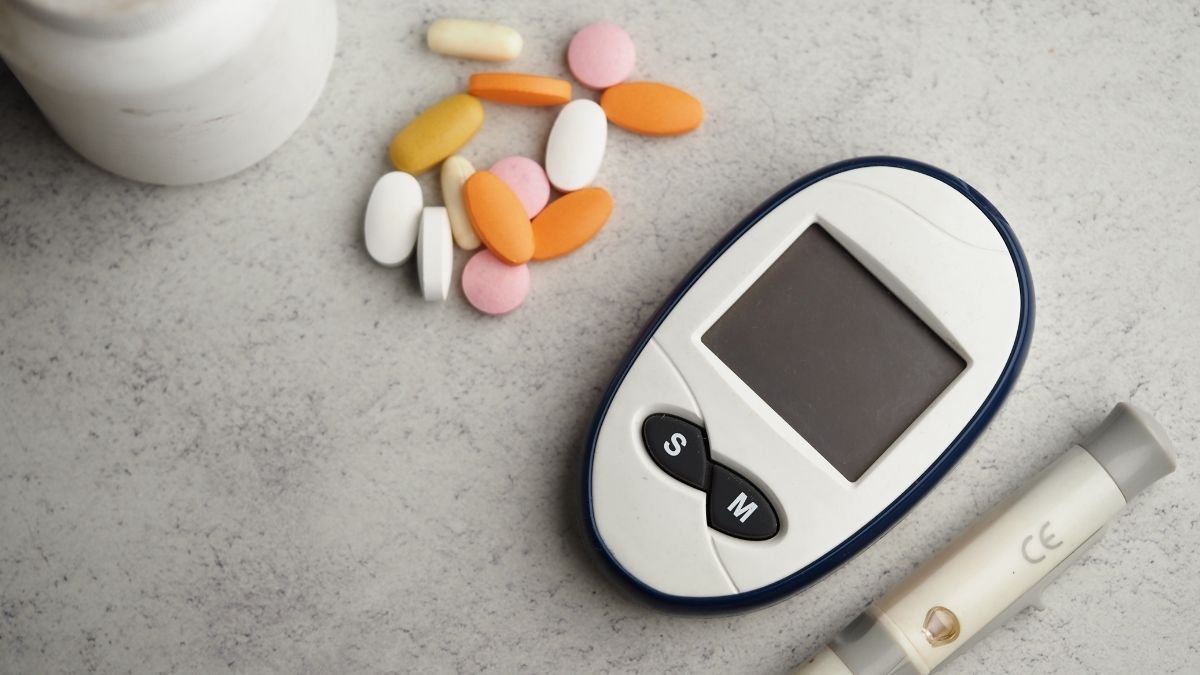
The “Why”: There is a strong, direct link between your blood sugar levels and cortisol.
The Mechanism:
- You eat something with a high glycemic index (think: refined sugars, pastries, white bread, soda).
- This causes a rapid, massive spike in your blood sugar.
- Your body perceives this spike as a “five-alarm fire” that it must manage now.
- To put out the fire, it releases a flood of two hormones: insulin (to store the sugar) and… you guessed it… cortisol (the stress hormone, to help manage the “threat”).
- This is followed by the inevitable “crash,” which your body also sees as a threat, sometimes releasing more cortisol to bring blood sugar back up.
You’re basically pulling the body’s fire alarm every few hours. This demands a cortisol release, putting it in direct competition with testosterone all day long.
Actionable Strategies:
- Avoid: Reduce foods known to cause the spike: high-glycemic foods, refined sugars, and excessive refined carbs.
- Prioritize Protein: This is the magic bullet. Include a source of high-quality protein (yogurt, legumes, nuts, eggs, lean meats) with every single meal and snack. Protein helps slow the release of sugars into your bloodstream. It’s the difference between a firehose and a garden hose.
- Maintain Schedule: Don’t skip meals. Long periods without food can also be seen as a stressor, causing cortisol to rise.
3. Fuel with Cortisol-Cutting Micronutrients
If mastering blood sugar is defense, this is offense. Your brain needs specific raw materials to build its “calm” and “well-being” chemicals.
The “Why”: Key nutrients—specifically B vitamins, Vitamin C, Magnesium, and Zinc—are foundational. They are directly involved in making and managing “calm” neurotransmitters like serotonin, noradrenaline, and dopamine.
The Mechanism: Here’s the vicious cycle: Chronic stress doesn’t just cause anxiety; it also burns through the very nutrients (like magnesium) that your body needs to fight anxiety. This creates a downward spiral: you’re stressed, so you’re depleted… which makes you less able to cope… which makes you more stressed… which releases more cortisol… which depletes you even more. We have to break the cycle.
Actionable Strategies:
- Magnesium: This is the “relaxation” mineral.
- Practical Breakfast: Try this magnesium-rich starter: 1-2 slices of sprouted whole wheat toast, 1-2 tablespoons of almond butter, 1 sliced banana, and a sprinkle of 1 tablespoon of hemp hearts.
- Vitamin C: Think of this as the “cleanup crew.” Cortisol release creates oxidative stress (free radicals). Vitamin C helps clean up the metabolic damage.
- Sources: Bell peppers, citrus fruits, berries, and kiwis are all fantastic.
- Omega-3s (Healthy Fats): This is a big one. High cortisol levels have been directly linked with low levels of omega-3 fatty acids.
- Sources: Fatty fish (like salmon), flaxseeds, and walnuts.
- Probiotics (Gut Health): Your gut is your “second brain.” The two are in constant communication.
- Data: A study on students found that those who drank a daily probiotic saw significantly lower cortisol levels than the control group after 12 weeks.
- Sources: Yogurt, kefir, sauerkraut, and kimchi.
4. Move Smarter, Not Just Harder (The “Dose” Effect)

This is a trap many health-conscious people fall into. We think, “I’m stressed, I’ll destroy myself at the gym.” That might be the worst thing you can do.
The “Why”: When it comes to cortisol, exercise is all about the dose.
The Mechanism (The “Good” vs. “Too Much”):
- The Good: Regular, moderate physical activity is a powerful, proven cortisol reducer. A meta-analysis confirmed this, finding that it lowers cortisol significantly.
- The “Too Much”: High-Intensity Interval Training (HIIT), CrossFit-style “metcons,” or grueling endurance training are forms of acute physical stress. They are supposed to temporarily raise cortisol to mobilize energy. This effect might be small compared to your body’s natural daily rhythm, but it’s real.
The “overtraining trap” is when this acute stress becomes chronic. If you’re doing HIIT 6-7 days a week, sleeping poorly, and not eating enough… you’re not recovering. You’re just in a state of chronic distress. Your “dedication” at the gym may be the very thing crushing your hormones.
Actionable Strategies:
- Optimal Dose: Aim for 30-40 minutes of moderate exercise (brisk walking, light jogging, cycling) or 15-20 minutes of vigorous activity on most days.
- Surprising Fact: One study indicated that swimming seems to be more effective than running at reducing cortisol.
- Balance: The key is balancing intensity with recovery. If you have a high-intensity day, follow it with a low-intensity (or rest) day.
5. Weaponize Your Breath (The 60-Second “Off” Switch)

This is your in-case-of-emergency-break-glass tool. It’s the fastest way to manually send a “safety signal” to your brain.
The Mechanism (Term Handling):
- Sympathetic Nervous System (SNS): This is your body’s “gas pedal.” It controls “fight-or-flight” and is linked to cortisol.
- Parasympathetic Nervous System (PNS): This is your body’s “brake pedal.” It controls “rest-and-digest”. Deep breathing activates this system.
You can’t think your way into a “rest” state. It’s not a cognitive process. But you can breathe your way there. The nerve that controls your PNS (the vagus nerve) is directly linked to your diaphragm. Slow, deep breaths—and especially long exhales—manually activate the “brake pedal”. This sends a physical signal to your brain that the threat has passed.
Actionable Strategy (The Physiological Sigh):
- Highlighted by researchers at Stanford, this is incredibly effective.
- The Action: Do it with me right now. Take two sharp, quick inhales through your nose (the first one big, the second one small, to fully inflate your lungs). Then, one long, slow exhale through your mouth.
- Do that 3-5 times. Feel that? That’s you, manually shifting your nervous system from “stress” to “calm.”
6. Practice Strategic Disconnection (Mindfulness)

If breathwork is the immediate fix, mindfulness is the long-term fix. This is about retraining your brain’s reactivity so the “stress alarm” isn’t triggered so easily in the first place.
The “What”: This is Mindfulness-Based Stress Reduction (MBSR), a structured, clinical program developed by Jon Kabat-Zinn at the University of Massachusetts Medical School.
The Data: This is not “woo-woo.” This is hard, clinical science.
- A 2023 systematic review and meta-analysis confirmed that “stress management interventions” (including mindfulness) are effective at changing cortisol levels.
- A 2021 meta-analysis found that meditation interventions efficiently reduce cortisol levels.
- Multiple other reviews confirm that MBSR leads to “decreased salivary cortisol” 29 and improves immune function and sleep.
- One review noted that a regular MBSR practice lowered cortisol by up to 20% in just eight weeks.
Actionable Strategies:
- Beginner: Use a free app (like Headspace or Calm) for 5-10 minutes each morning. That’s it.
- Advanced: Try “mindful walking.” Walk for 10 minutes with no phone, no music. Just focus on the sensation of your feet on the ground and the air on your skin.
7. Build Your Tribe (The Social Buffer)

This is a biological necessity, not a “nice-to-have.” From an evolutionary perspective, isolation is one of the most severe stressors, signaling vulnerability to the brain.
The Mechanism: Supportive relationships are a powerful buffer against stress. Health institutions like the Mayo Clinic identify “fostering supportive relationships” as a primary, evidence-based strategy for stress management. Strong social bonds help lower cortisol during stressful times. Without this buffer, you’re forced to “absorb” the full physiological cost of every stressor alone.
Actionable Strategies:
- Quality over Quantity: This is not about your social media follower count.
- Action: Schedule one “connection” event per week. Make a phone call (more effective than texting) to a close friend. Have dinner with family. Join a club or a team that gives you a sense of community.
8. Re-learn How to “Play” (The Joy Protocol)

This one might feel strange, but it’s critical. Modern adult life is often optimized for productivity, squeezing out any “non-productive” activities. This is a unique and insidious form of chronic stress.
The Mechanism: Research on cortisol management highlights the importance of “finding a hobby,” “practicing time management to avoid feeling overwhelmed,” and having “scheduled ‘recharge’ time”. These activities signal to the brain that life is not just about survival; there is time and safety for joy, which helps down-regulate the HPA axis. Even “getting a pet” is an effective method.
Actionable Strategies:
- Schedule It: Put “play” or “hobby time” in your calendar with the same seriousness as a business meeting.
- Action: Identify an activity that used to bring you joy (painting, building models, playing an instrument, hiking without a fitness tracker) and dedicate 30 minutes to it, guilt-free, twice a week.
Practical Application: A 3-Day ‘Cortisol Reset’
Okay, that was a lot. I know. It’s easy to look at a list of 8 things and get stressed out all over again.
So, let’s make it simple. Here’s a “cheat sheet” and a simple 3-day plan to get you started.
The 8-Point Cortisol Control Matrix
🛡️ Stress-Proofing Your Life: 8 Essential Strategies
| STRATEGY | WHY IT WORKS (The “Safety Signal”) | 🎯 BEGINNER ACTION (Daily) | 🚀 ADVANCED ACTION (Weekly) |
|---|---|---|---|
| 1. 😴 Prioritize Sleep | Shuts down the HPA (stress) axis; allows HPG (T-factory) to work. | Set a “lights out” alarm. No phone in the bedroom. | Get 30 mins of morning sunlight (even on non-work days). |
| 2. 🩸 Master Blood Sugar | Prevents the cortisol “fire alarm” caused by sugar spikes. | Swap one refined carb for a protein+fat meal (e.g., eggs). | Eat a source of protein with every meal. |
| 3. ✨ Use Key Nutrients | Replenishes the raw materials for “calm” brain chemicals (e.g., serotonin). | Eat a handful of berries or a bell pepper (Vitamin C). | Make the Magnesium-rich breakfast (oatmeal, nuts, seeds). |
| 4. 🚶 Move Smarter | Uses up stress byproducts; avoids the “overtraining” trap. | Take a 30-minute walk. | Add resistance training 3x a week. |
| 5. 🌬️ Weaponize Breath | Trains the brain not to overreact to stressors. | Practice the “Physiological Sigh” (2 inhales, 1 long exhale) 3x. | Set a reminder to do this before one known stressful event. |
| 6. 🧘 Disconnect (Mindful) | Manually activate the PNS (“brake pedal”) to stop cortisol now. | Use a 5-minute guided meditation app. | Practice “mindful walking” for 10 mins (no phone). |
| 7. 🤝 Build Your Tribe | Social connection is a powerful biological signal of safety. | Send a text to a friend to schedule a phone call. | Have one in-person meal with family/friends. |
| 8. 🎨 “Play” / Hobbies | “Non-productive” joy provides essential “recharge” time. | Schedule 30 mins of a fun hobby**. | Join a local club or team for that hobby. |
A Simple 3-Day Starter Plan

Don’t try to do all 8 things at once. Just try this.
- Day 1 (Awareness & Fuels):
- Morning: Implement the Magnesium-rich breakfast.
- Afternoon: Swap that afternoon sugary snack for a handful of nuts.
- Evening: Set a “lights out” alarm for 30 minutes before you want to be asleep.
- All Day: Just observe. Notice when you feel stressed. No judgment. Just notice.
- Day 2 (Action & Movement):
- Morning: Get 15-30 minutes of morning sunlight.
- During the Day: Take a 30-minute brisk walk (no phone, if you can).
- In-the-Moment: Before one known stressful event (a meeting, a difficult task), perform 3-5 “Physiological Sighs.”
- Evening: No screens 1 hour before bed. Read a book. Listen to music.
- Day 3 (Recovery & Connection):
- Morning: Perform a 5-minute guided meditation right after you wake up.
- During the Day: Call a friend or family member. A real phone call.
- Evening: Schedule 30 minutes for that “play” activity.
- Observe: How do you feel compared to Day 1? Any changes in energy or mood?
Need More Help For Better Sleep? Look Into These
Making changes can feel overwhelming, but the journey to better rest often starts with a single, simple tool. If you’re ready to build your personal sleep toolkit, we’ve selected five of the most effective, well-regarded, and beneficial products—from foundational cognitive guides to simple physical aids—that can help you start tonight. Each is chosen based on the principles of cognitive calm, internal balance, and environmental control discussed in this report.
1. Full Catastrophe Living (Revised Edition) by Jon Kabat-Zinn

Benefit: This is the foundational manual for the mind. It provides the practice of Mindfulness-Based Stress Reduction (MBSR) to help you manage the root cognitive causes of stress and anxiety that disrupt sleep.
2. Pure Encapsulations Magnesium (Glycinate)
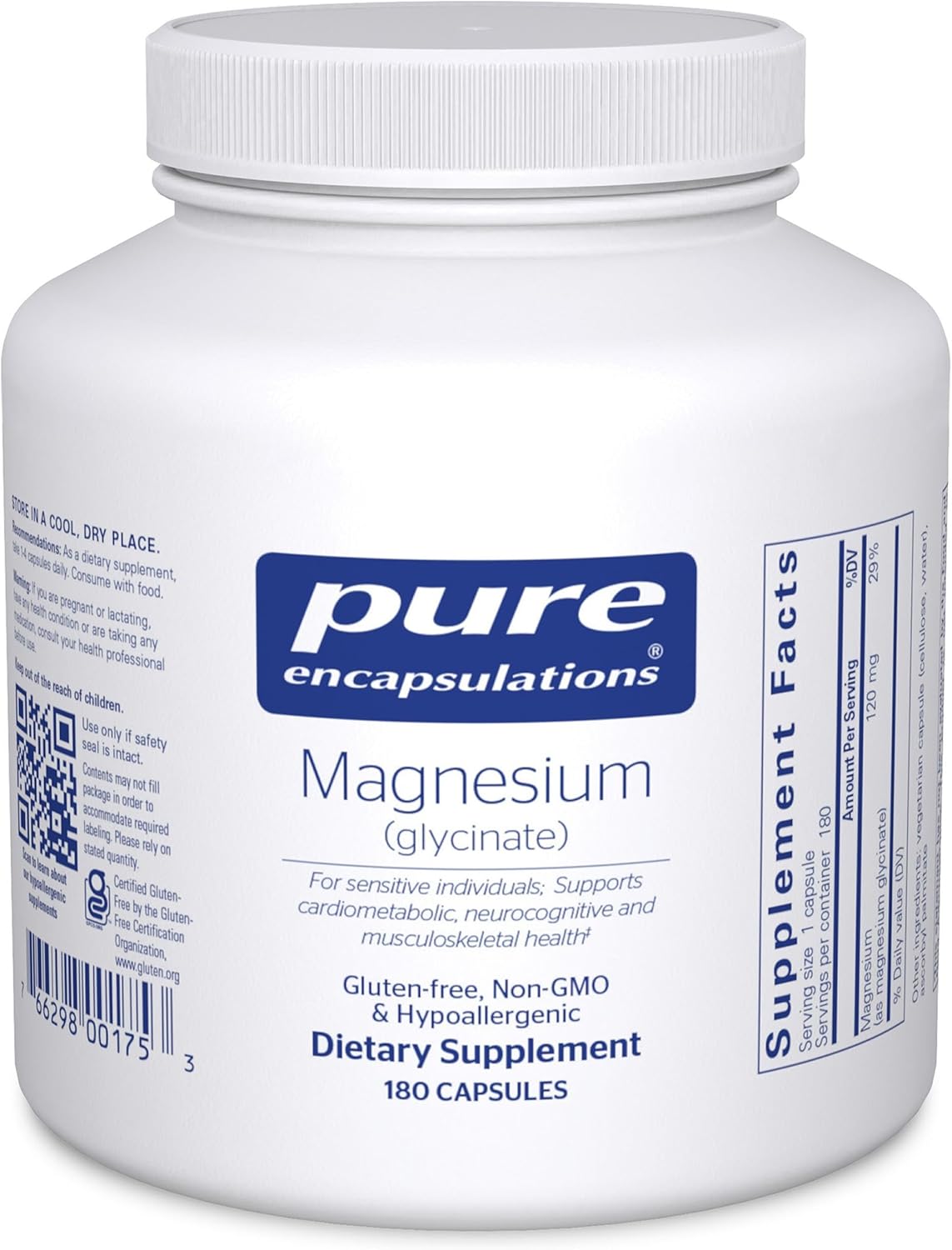
Benefit: A highly-absorbable, doctor-recommended form of magnesium that supports muscle relaxation, nervous system calm, and deeper sleep, without the digestive side effects of other forms. Critical Buying Advice: Due to a verified risk of counterfeit products, purchase only from the authorized seller. Check that the product is “Sold By Pattern” on the Amazon page.
3. Physician’s Choice KSM-66 Ashwagandha

Benefit: A potent adaptogen that helps your body “adapt” to stress. This clinically studied KSM-66 extract is standardized for potency and helps manage cortisol, support relaxation, and improve recovery.
4. Alaska Bear Silk Contoured Sleep Mask
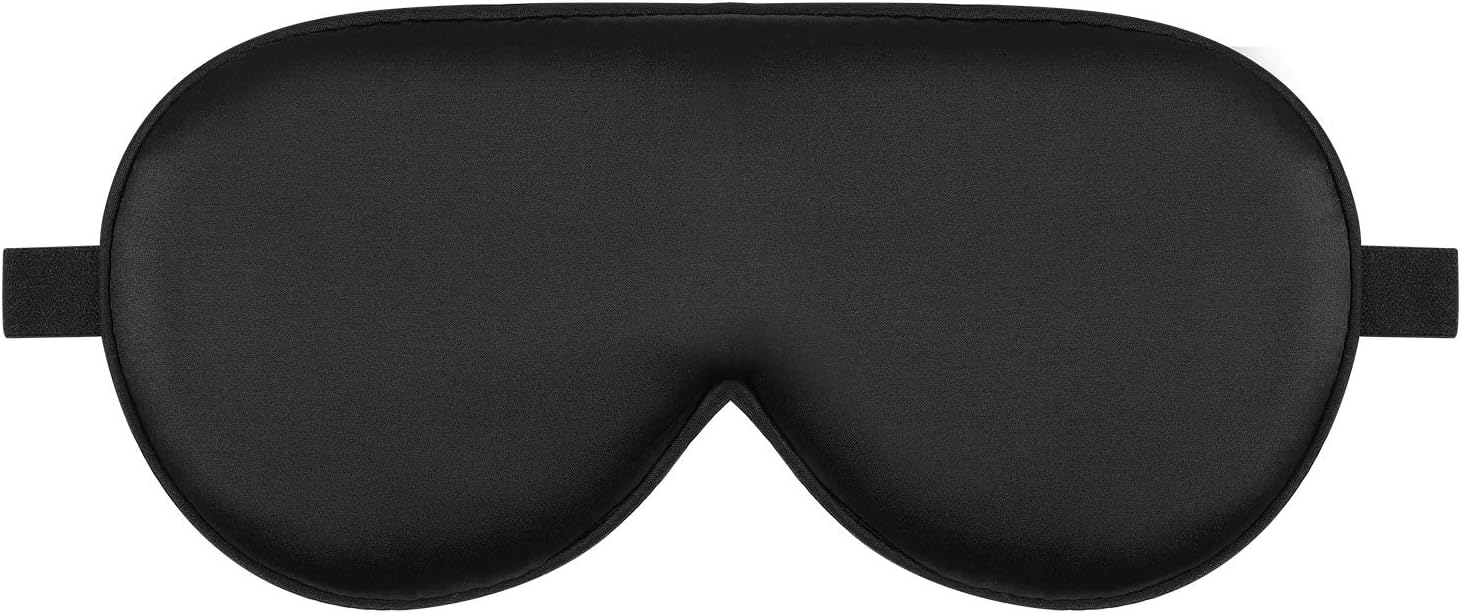
Benefit: The #1 best-selling mask on Amazon for a reason. Its silk-and-foam contoured design blocks light completely without putting pressure on your eyes, making it the ideal, comfortable choice for all sleepers—especially side sleepers.
5. Sleep ZM Blue Light Blocking Glasses (Night Lenses)

Benefit: These budget-friendly glasses are specifically designed for nighttime use. The orange lenses filter out the specific blue and green light from screens that disrupts your body’s natural melatonin production, helping you feel tired and fall asleep more easily.
Conclusion: From Stressed to Strong: Taking Back Control
The war between stress and vitality is real. But it’s not a war you win by “boosting” testosterone directly. It’s a war you win by managing stress—by sending “safety signals” to your body.
Chronic stress, through that T-Killer hormone cortisol, forces your body into survival mode. It hijacks the building blocks of vitality because it thinks you’re in mortal danger.
But you’re not powerless. You have the eight strategies in this report. The goal isn’t perfection. That’s just a new, shiny way to be stressed out. The goal is resilience.
Pick one thing from this list. Just one. Master your morning sunlight. Practice the Physiological Sigh. Put protein in your breakfast. That’s it. That’s the first step. You’re not just lowering cortisol; you’re taking back control and reminding your body, on a deep, hormonal level, that it is safe to thrive.